About this artwork
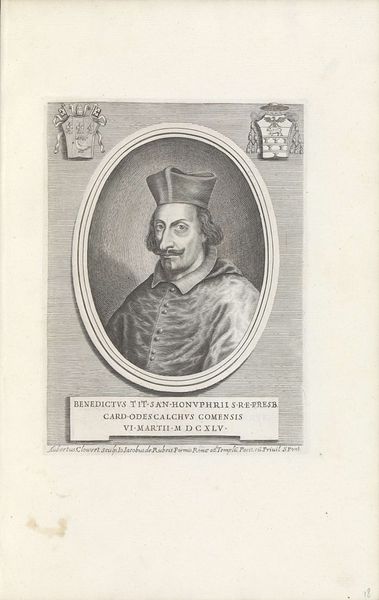
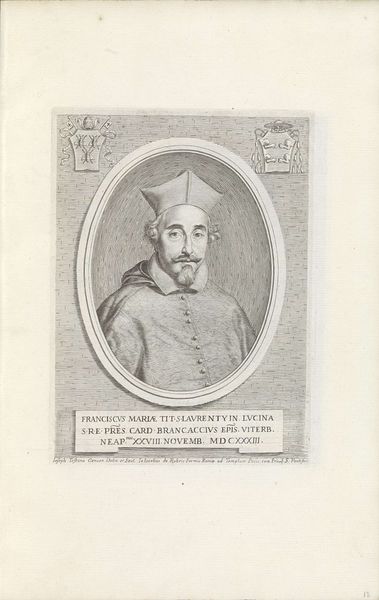
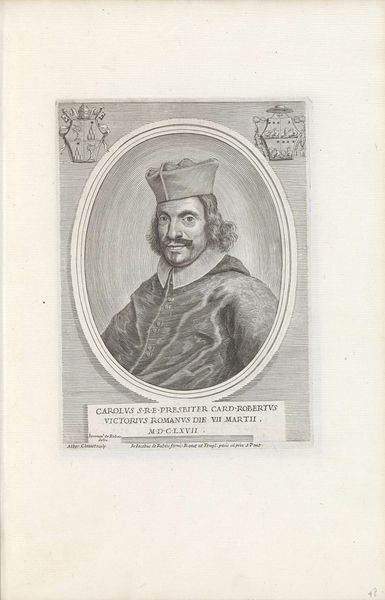
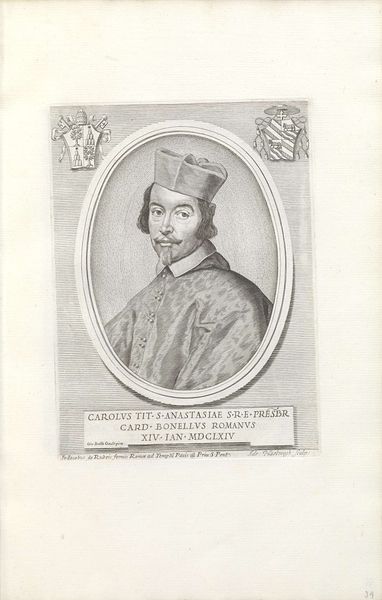
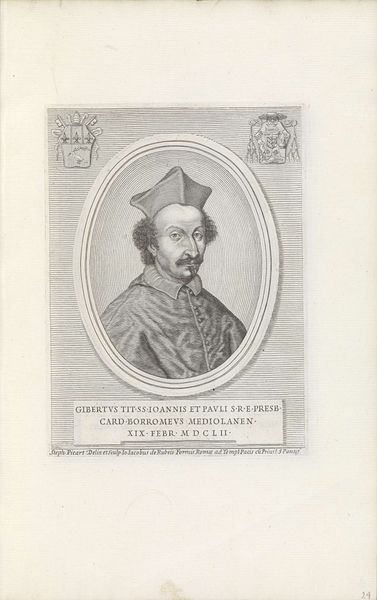
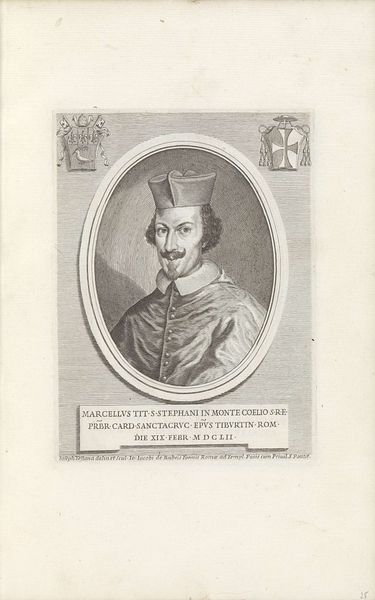
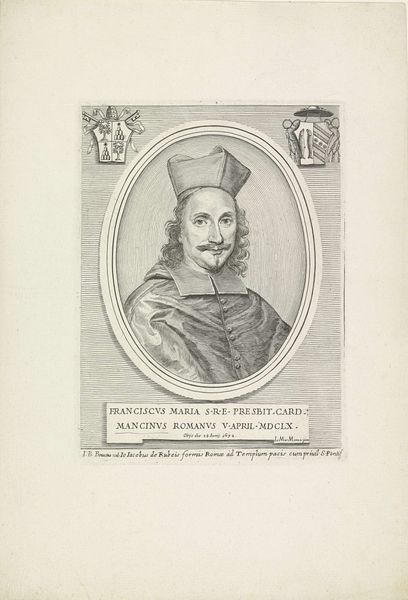
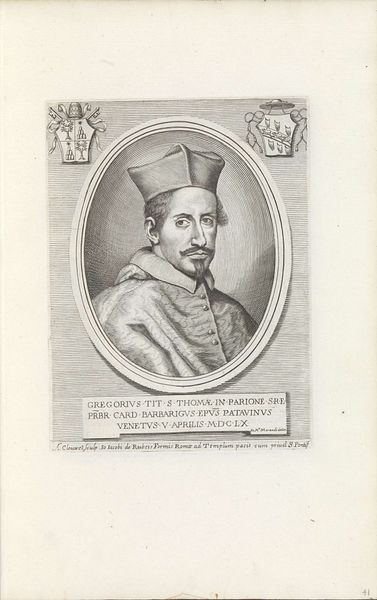
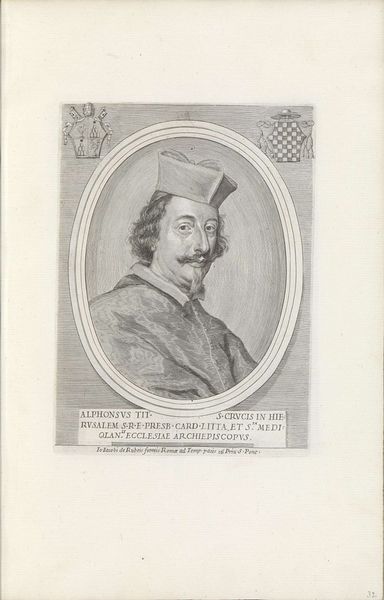
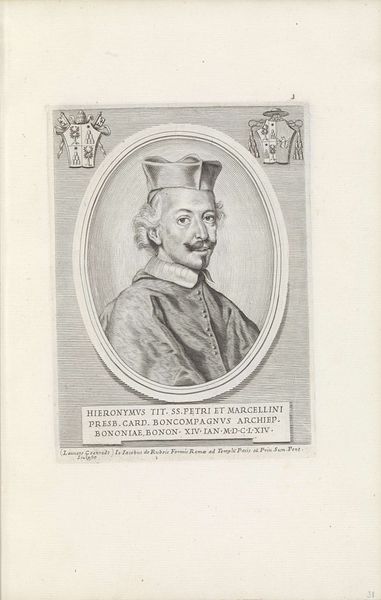
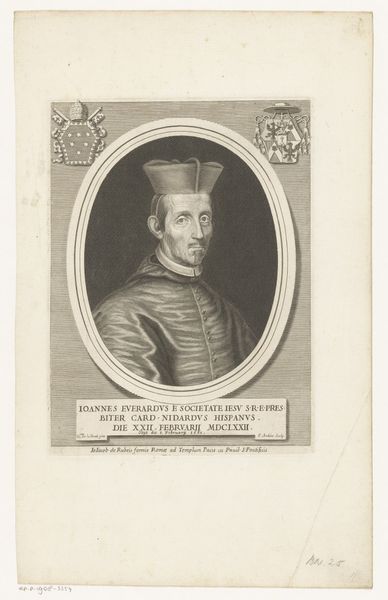
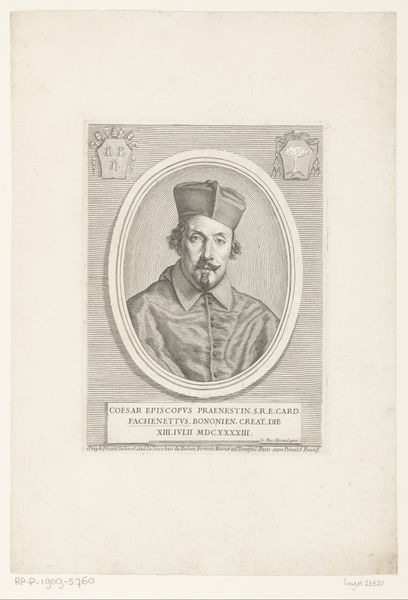
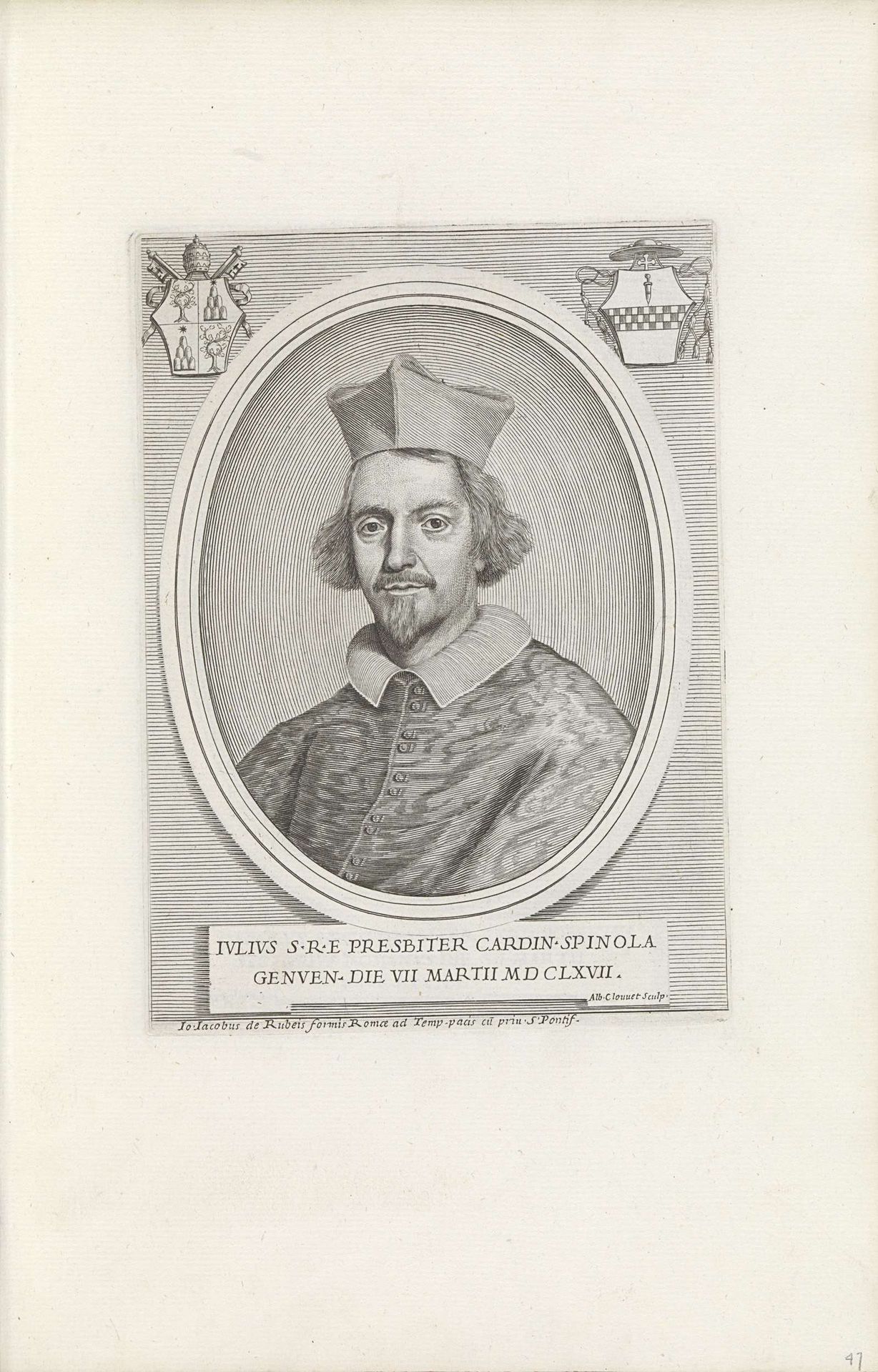
Albertus Clouwet created this print of Cardinal Giulio Spinola in 1667, capturing the likeness of a prominent figure within the Catholic Church. The image creates meaning through its formal presentation, positioning Spinola within an oval frame and including heraldic symbols that signify his status and lineage. The print was made in Rome, a period marked by the consolidation of papal power and the baroque style of art and architecture. The print speaks to the importance of the Catholic Church as a cultural institution, and it also comments on the social structure of the time, with the Cardinal's attire and the heraldry signaling his high status and social standing. To truly understand art like this, one must examine resources such as period documents and institutional records to contextualize the work within its historical moment. The meaning of this print is contingent on the social and institutional context in which it was created and circulated.

Artwork details
- Medium
- print, engraving
- Dimensions
- height 192 mm, width 140 mm
- Copyright
- Rijks Museum: Open Domain
Tags
portrait
baroque
old engraving style
history-painting
engraving
Comments
No comments
About this artwork
Albertus Clouwet created this print of Cardinal Giulio Spinola in 1667, capturing the likeness of a prominent figure within the Catholic Church. The image creates meaning through its formal presentation, positioning Spinola within an oval frame and including heraldic symbols that signify his status and lineage. The print was made in Rome, a period marked by the consolidation of papal power and the baroque style of art and architecture. The print speaks to the importance of the Catholic Church as a cultural institution, and it also comments on the social structure of the time, with the Cardinal's attire and the heraldry signaling his high status and social standing. To truly understand art like this, one must examine resources such as period documents and institutional records to contextualize the work within its historical moment. The meaning of this print is contingent on the social and institutional context in which it was created and circulated.
Comments
No comments