c. mid 19th century
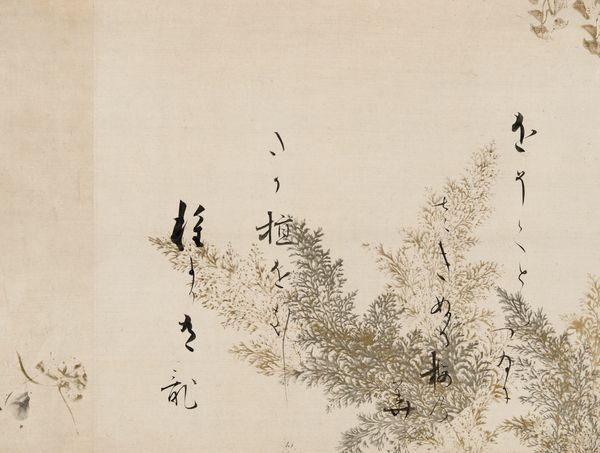
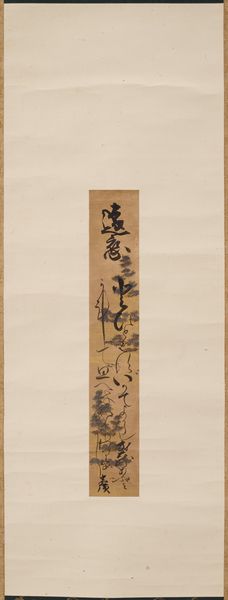
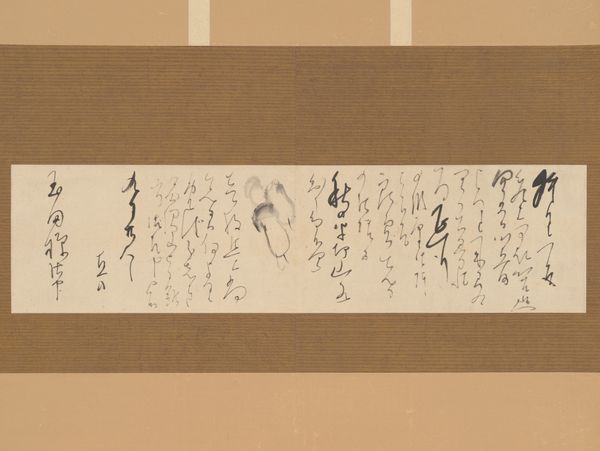
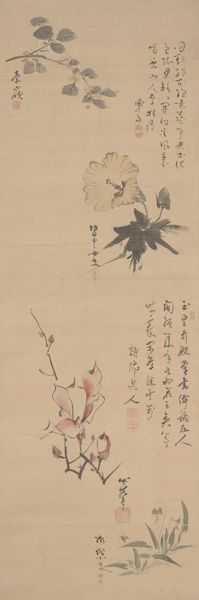
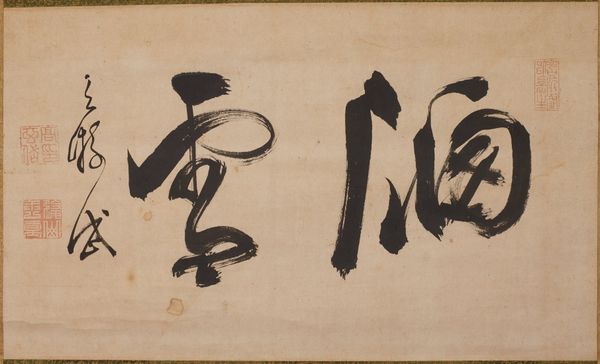
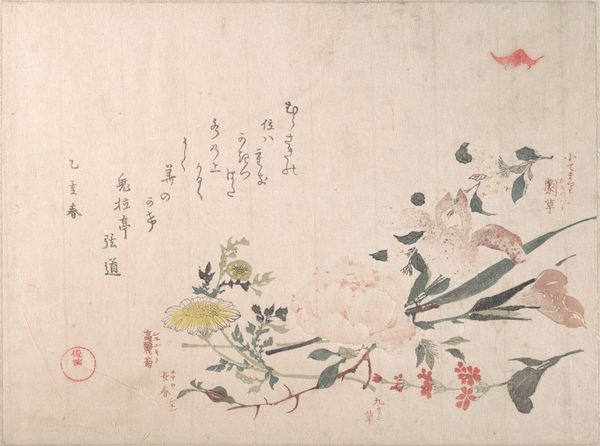
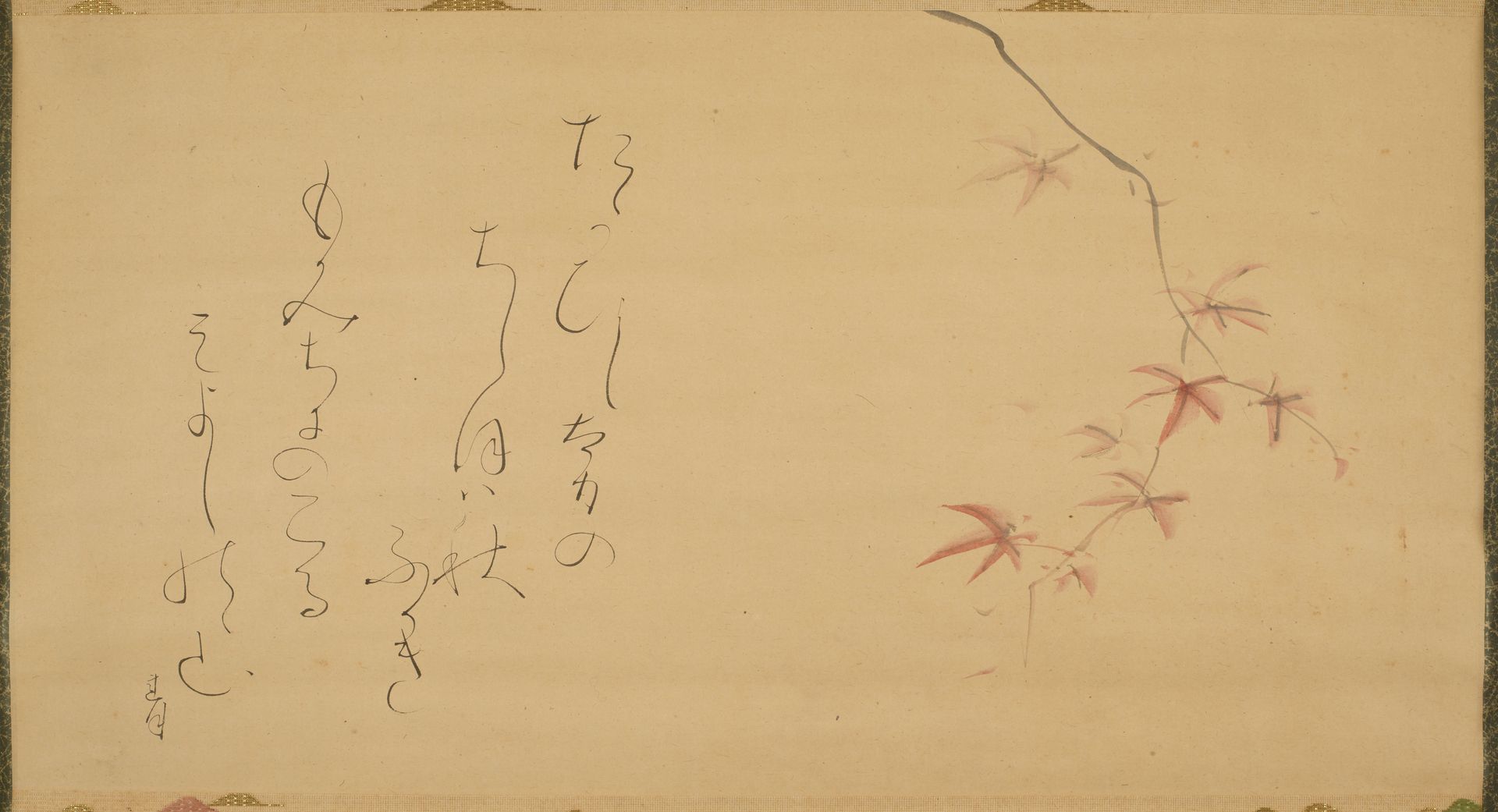
Branch of red maple leaves with poem


Listen to curator's interpretation
Curatorial notes
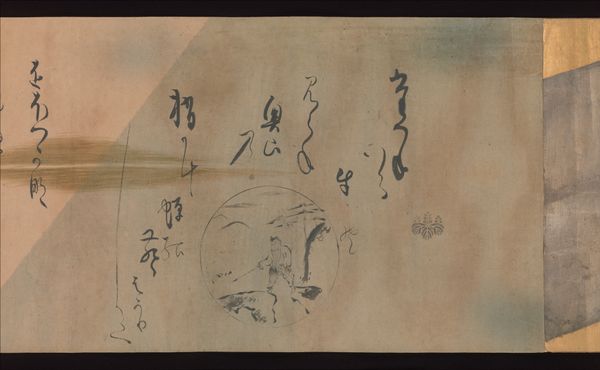
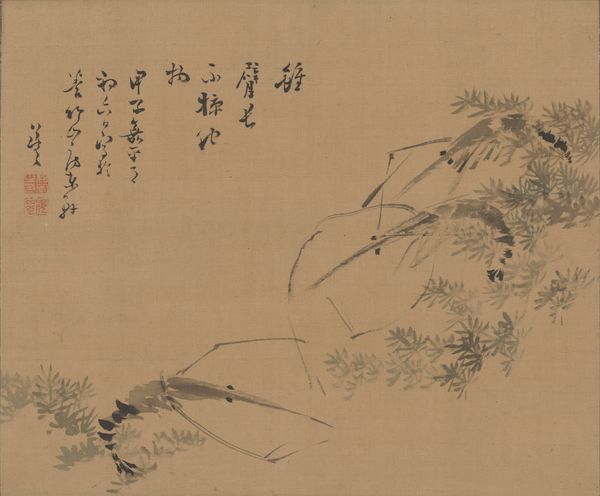
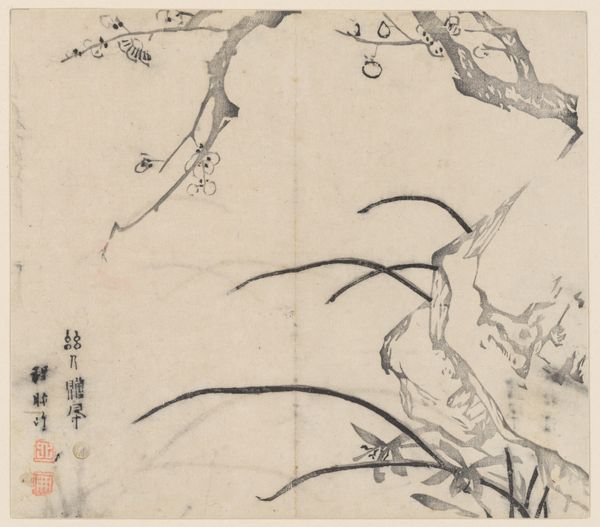
This hanging scroll features red maple leaves accompanied by a poem, created by Ōtagaki Rengetsu in 19th-century Japan. The maple leaf, or *momiji*, is more than just a symbol of autumn in Japanese culture. Its vibrant color and changing form have long been associated with the transience of life, a concept deeply rooted in Buddhist philosophy. Think of the *Ukiyo-e* prints, where maple leaves often drift across scenes of fleeting beauty. The presence of *momiji* invites reflection on impermanence. Now, consider how such symbols migrate through time. In ancient Greece, the acanthus leaf was used as an architectural ornament, symbolizing triumph over adversity. Over time, the leaf motif evolved, appearing in Renaissance tapestries, and even in Art Nouveau designs. What was once a mere ornamental feature has become a vessel for collective memory, carrying layers of meaning from one era to the next. The maple leaf evokes feelings of nostalgia, loss, and the ever-turning wheel of existence. Symbols are non-linear, cyclical, resurfacing in various forms, each time imbued with new cultural and emotional significance.