About this artwork
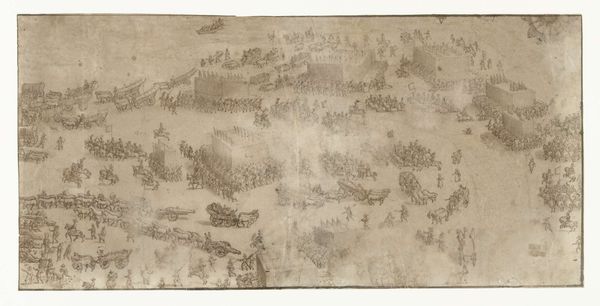
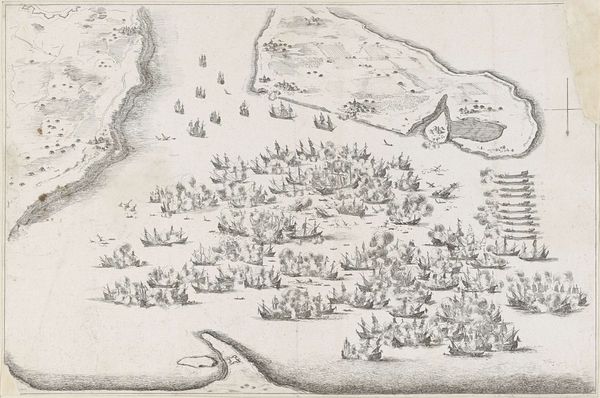
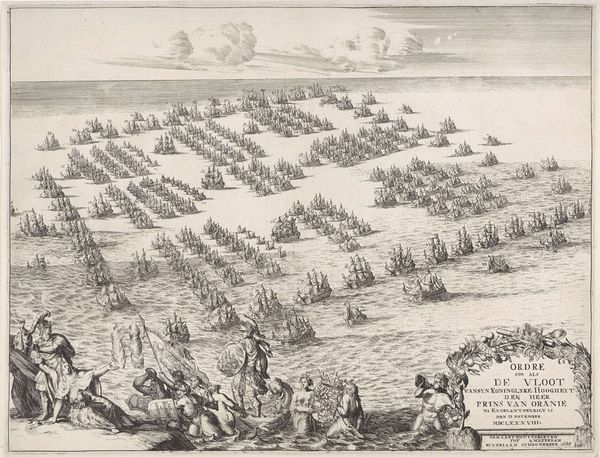
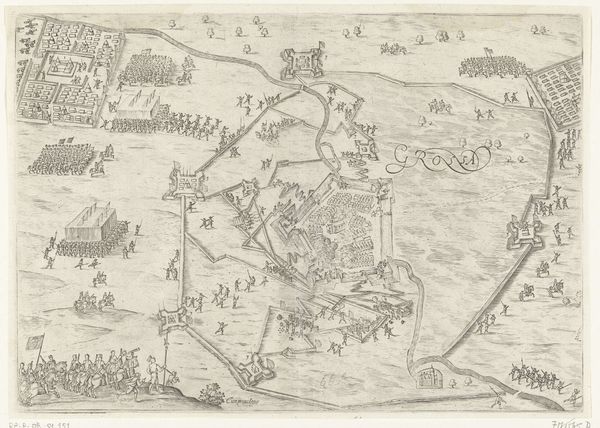
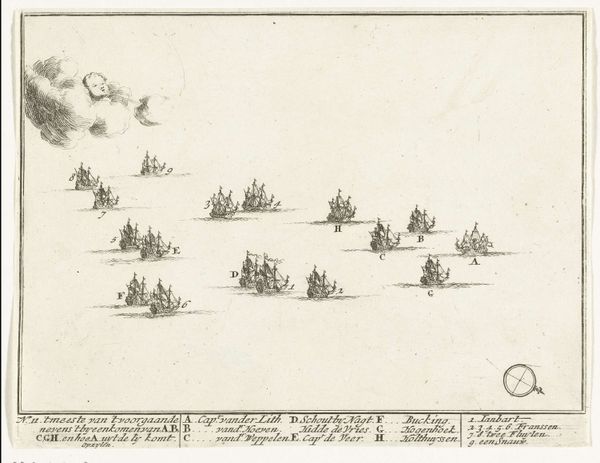
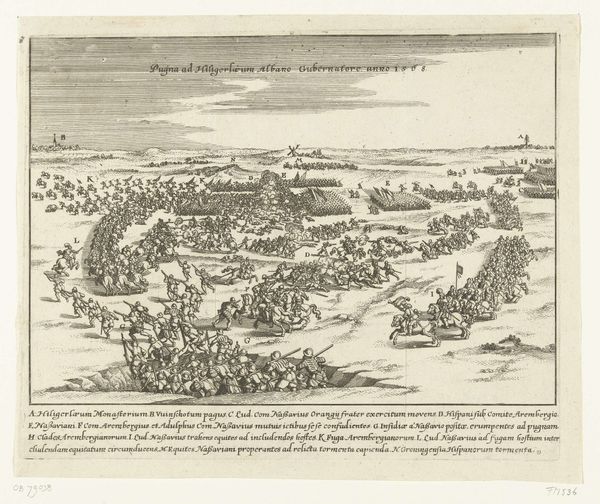
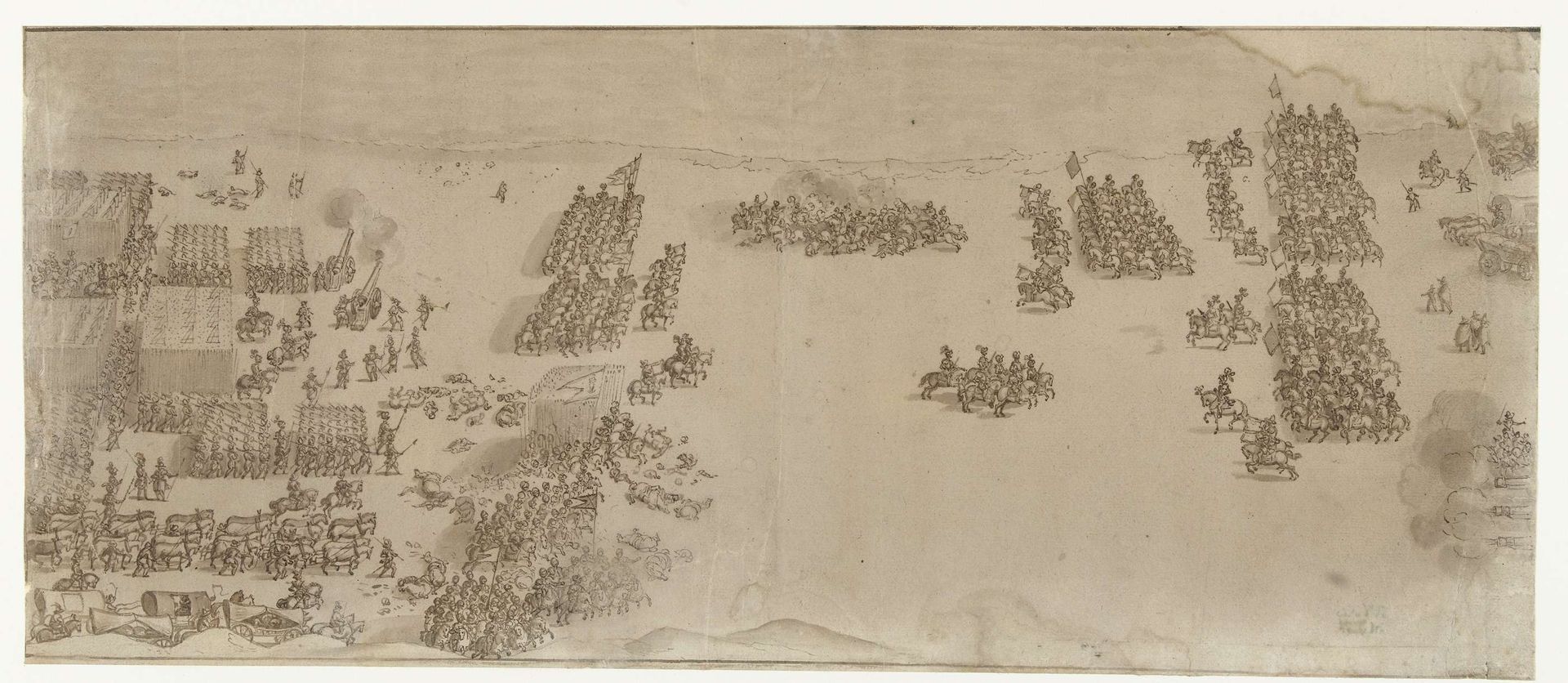
Floris Balthasarsz van Berckenrode made this print of the skirmish between Dutch and Spanish soldiers on the beach near Nieuwpoort in 1600 using etching. This process involves drawing an image onto a wax-coated metal plate, then submerging it in acid, which bites away at the exposed lines. Look closely, and you’ll see how the acid has created a network of fine lines, which define the forms of the soldiers, horses, and cannons. The stark contrast between the etched lines and the blank paper gives the image a dramatic intensity, conveying the chaos and violence of battle. Etching was relatively new at this time, and its accessibility democratized image-making, allowing for wider distribution of visual information. Prints like these played a crucial role in shaping public opinion and national identity during this period of conflict. It reminds us that artistic techniques are never neutral. They are always embedded in social and political contexts.
De eerste schermutselingen tussen Staatse en Spaanse soldaten op het strand bij Nieuwpoort, 1600 1600

Floris Balthasarsz van Berckenrode
1562 - 1616Location
RijksmuseumArtwork details
- Medium
- print, etching, engraving
- Dimensions
- height 191 mm, width 445 mm
- Location
- Rijksmuseum
- Copyright
- Rijks Museum: Open Domain
Tags
baroque
dutch-golden-age
etching
landscape
etching
figuration
history-painting
engraving
Comments
No comments
About this artwork
Floris Balthasarsz van Berckenrode made this print of the skirmish between Dutch and Spanish soldiers on the beach near Nieuwpoort in 1600 using etching. This process involves drawing an image onto a wax-coated metal plate, then submerging it in acid, which bites away at the exposed lines. Look closely, and you’ll see how the acid has created a network of fine lines, which define the forms of the soldiers, horses, and cannons. The stark contrast between the etched lines and the blank paper gives the image a dramatic intensity, conveying the chaos and violence of battle. Etching was relatively new at this time, and its accessibility democratized image-making, allowing for wider distribution of visual information. Prints like these played a crucial role in shaping public opinion and national identity during this period of conflict. It reminds us that artistic techniques are never neutral. They are always embedded in social and political contexts.
Comments
No comments