About this artwork
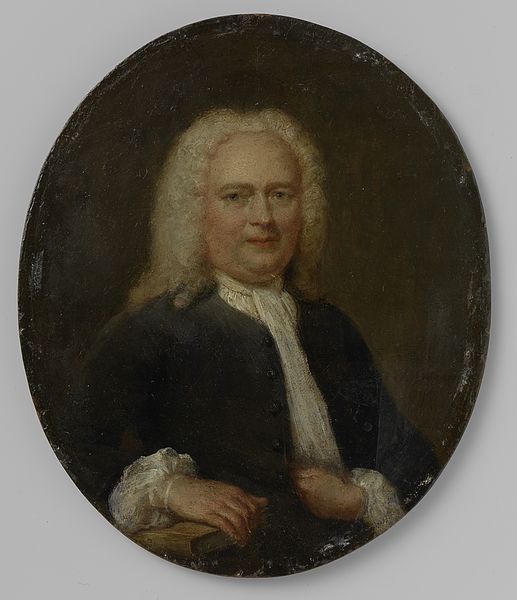
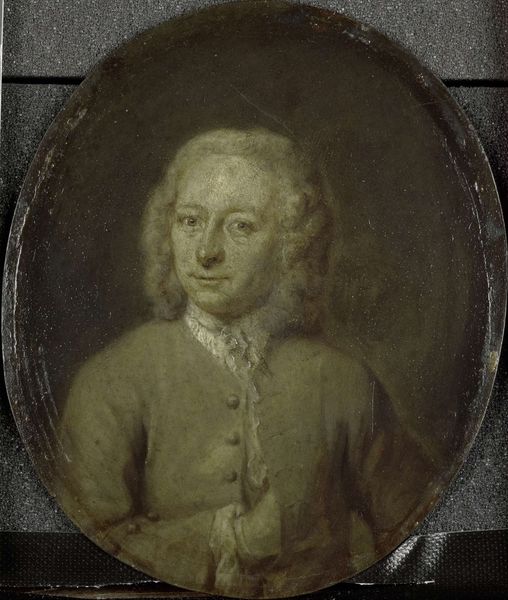
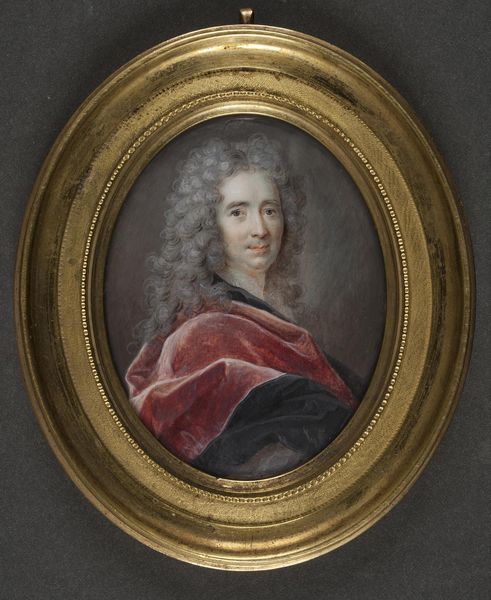
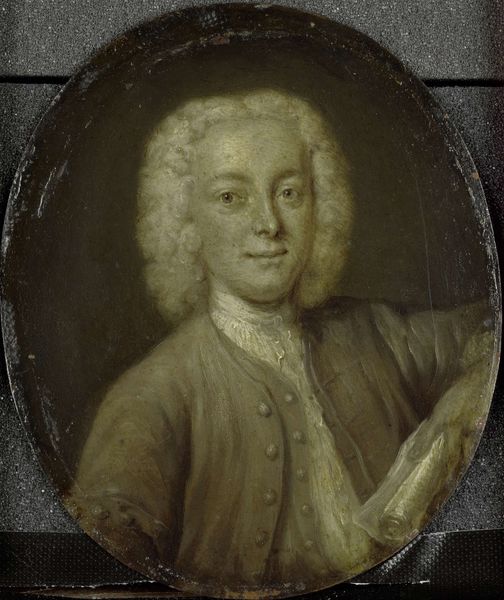
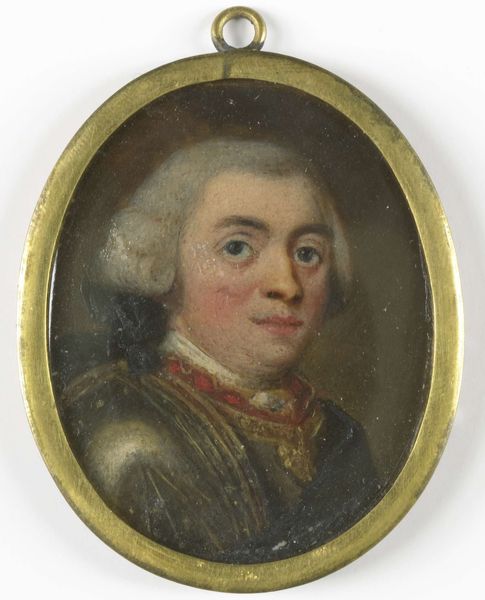
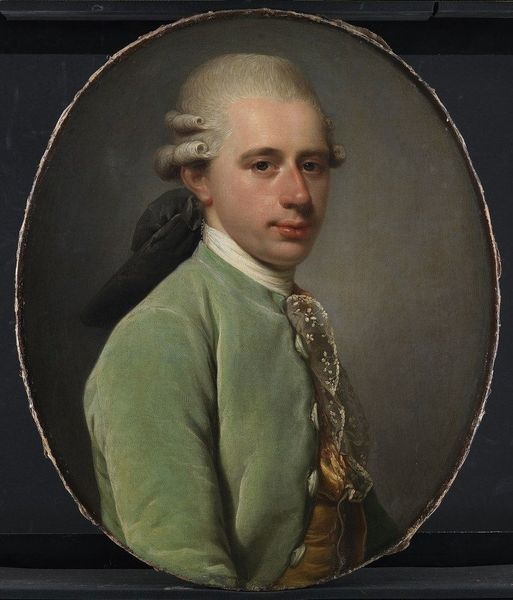
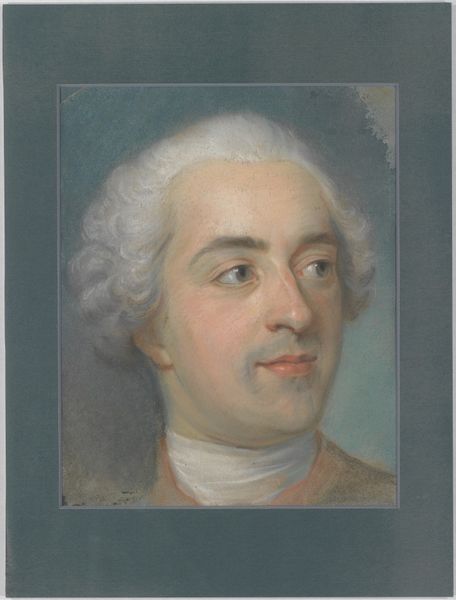
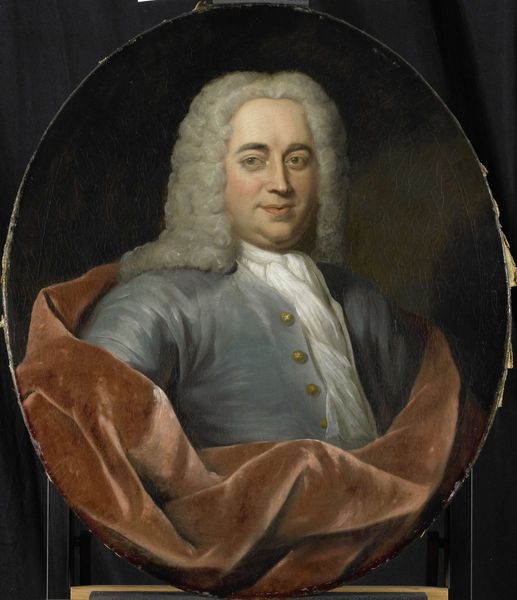
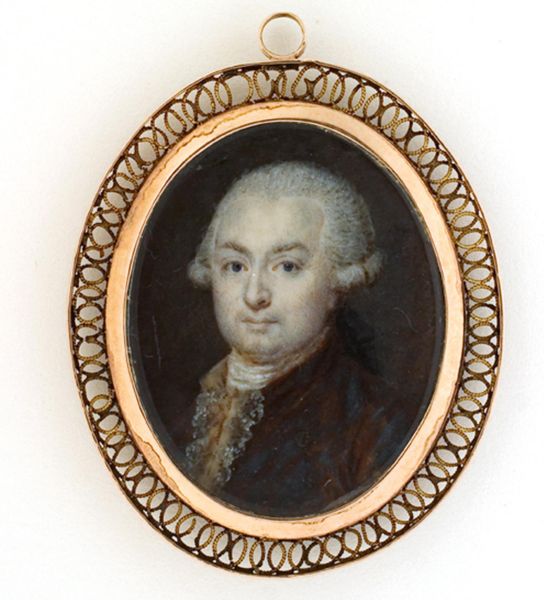
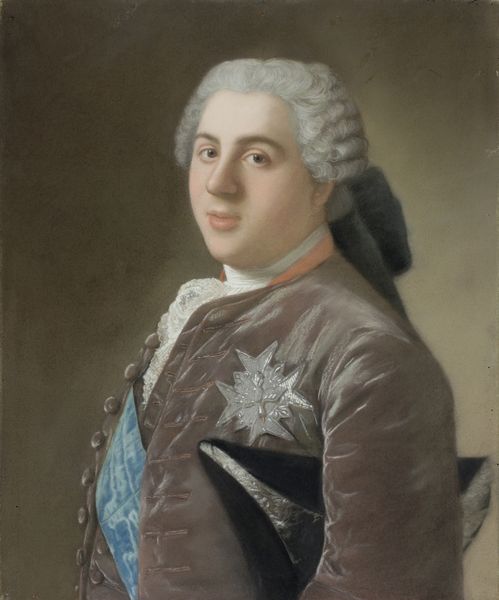
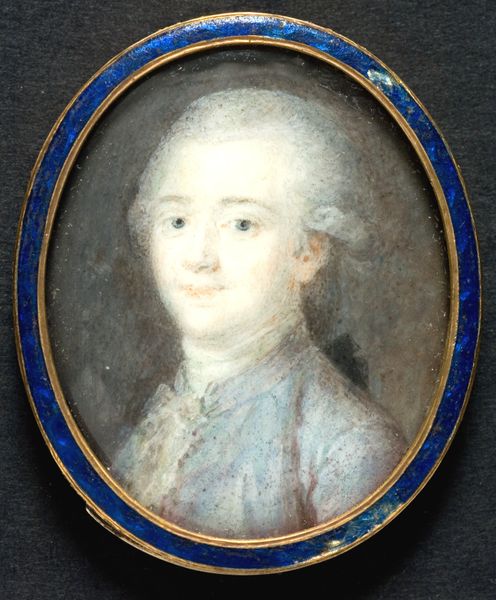
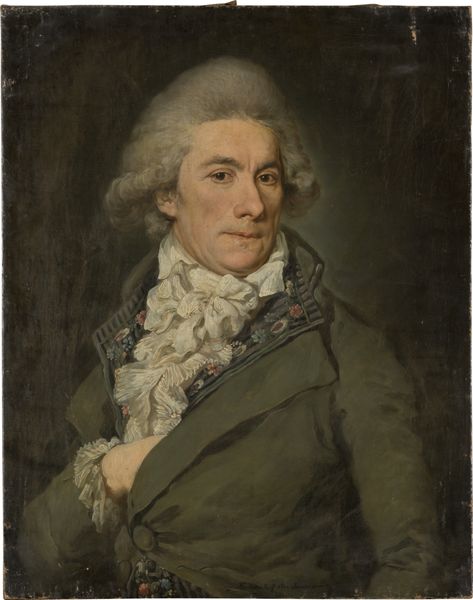
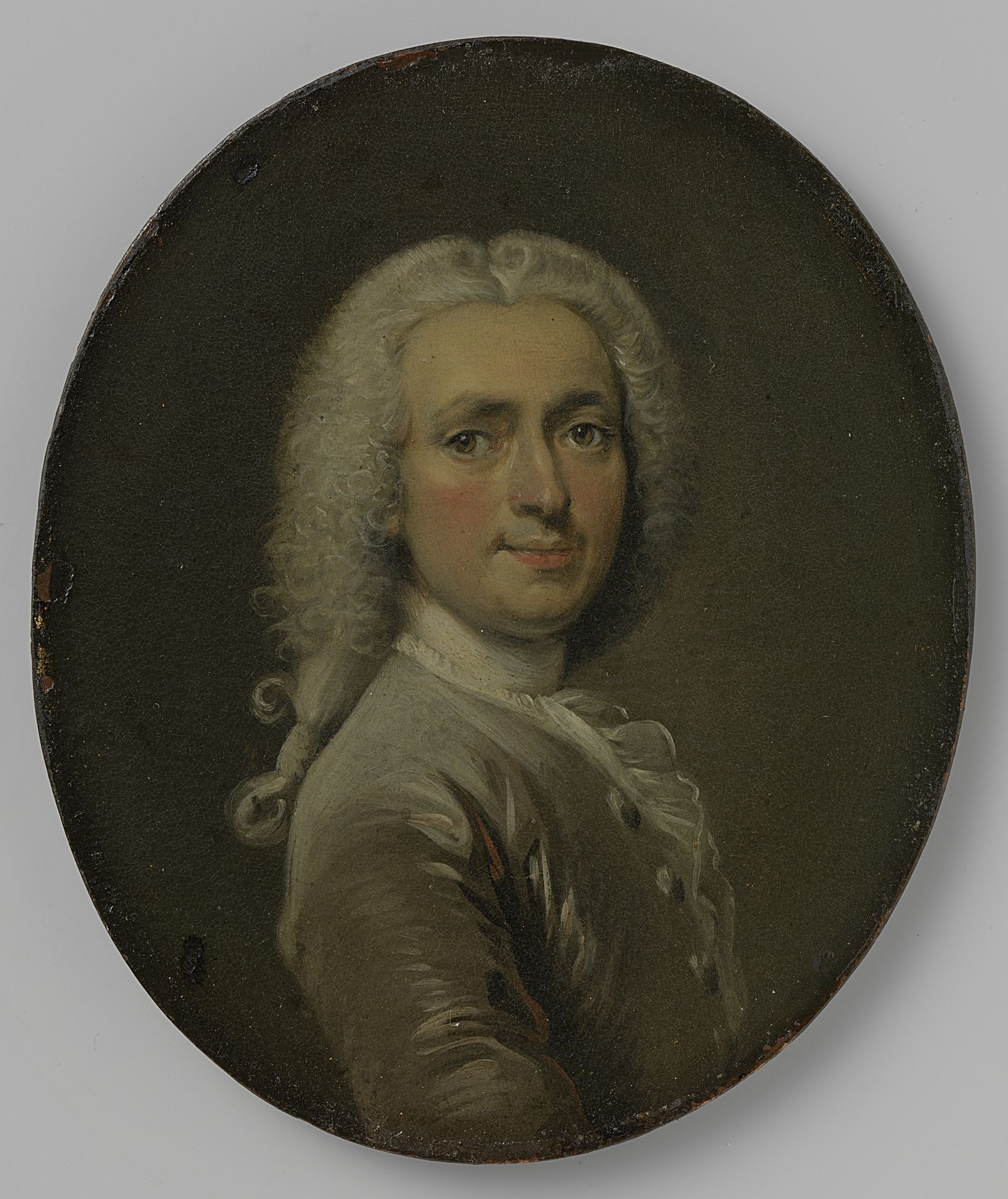
Cornelis Troost created this self-portrait, an oil on panel, during the 18th century. Troost lived during the Dutch Golden Age, a time of economic prosperity and cultural flourishing in the Netherlands. Here, Troost presents himself as a man of status. The powdered wig, the delicate lace at his neck, and the fine fabric of his coat all speak to his position. Yet, there's a softness in his gaze, a hint of a smile that humanizes him, complicating the rigid class structures of his time. He seems to invite us in, to see beyond the surface of wealth and respectability. Self-portraits are always a dance between the inner self and the outer world. Troost seems to be asking: how do we reconcile our personal identities with the roles society expects us to play? It's a question that resonates across centuries, reminding us that identity is never a simple, fixed thing, but a fluid negotiation.

Artwork details
- Medium
- oil-paint
- Dimensions
- height 12.5 cm, width 10 cm
- Location
- Rijksmuseum
- Copyright
- Rijks Museum: Open Domain
Tags
Comments
Share your thoughts
About this artwork
Cornelis Troost created this self-portrait, an oil on panel, during the 18th century. Troost lived during the Dutch Golden Age, a time of economic prosperity and cultural flourishing in the Netherlands. Here, Troost presents himself as a man of status. The powdered wig, the delicate lace at his neck, and the fine fabric of his coat all speak to his position. Yet, there's a softness in his gaze, a hint of a smile that humanizes him, complicating the rigid class structures of his time. He seems to invite us in, to see beyond the surface of wealth and respectability. Self-portraits are always a dance between the inner self and the outer world. Troost seems to be asking: how do we reconcile our personal identities with the roles society expects us to play? It's a question that resonates across centuries, reminding us that identity is never a simple, fixed thing, but a fluid negotiation.
Comments
Share your thoughts