1812 - 1879
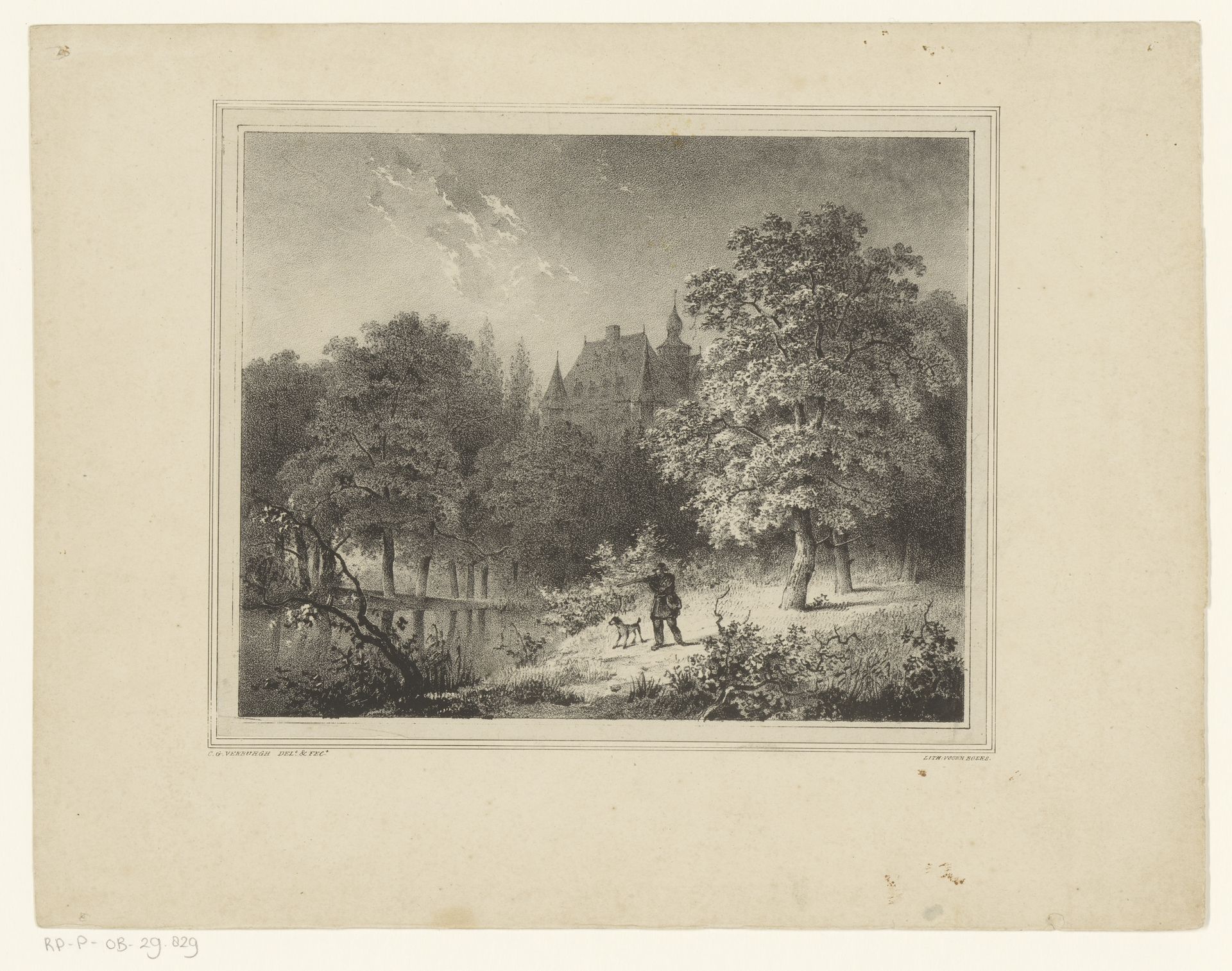
Jager in een bos

Cornelis Gerrit Verburgh
1802 - 1879Location
RijksmuseumListen to curator's interpretation
Curatorial notes
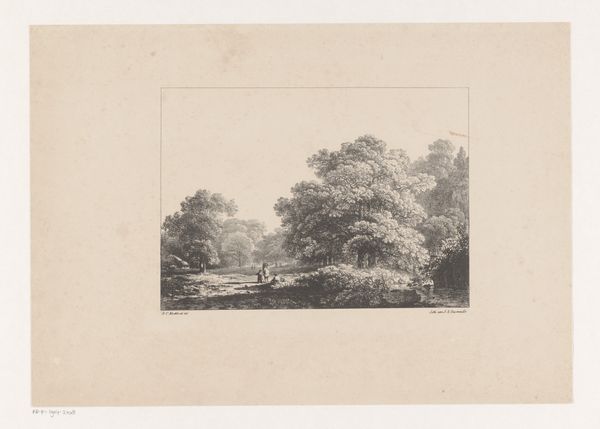
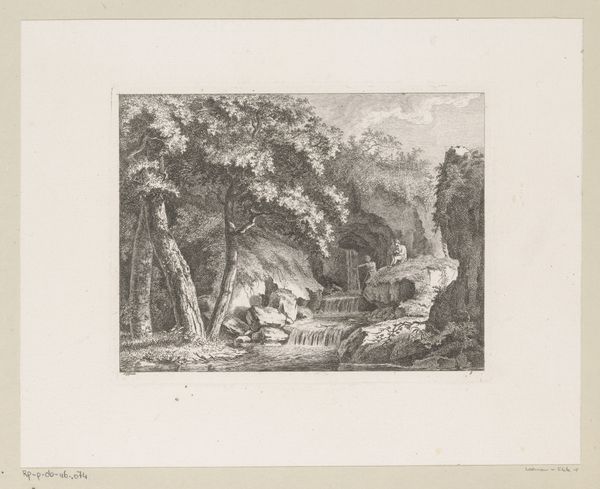
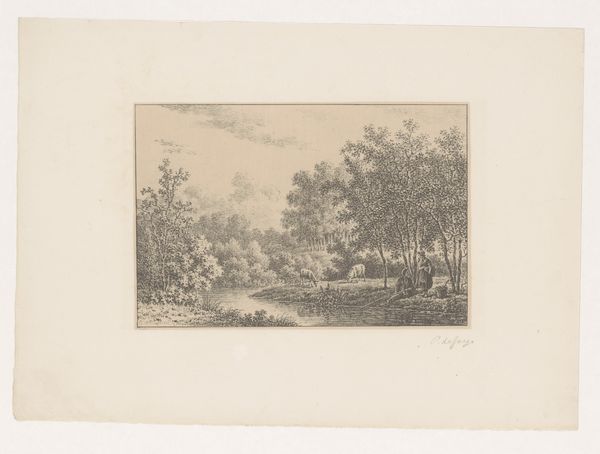
Cornelis Gerrit Verburgh created this print, ‘Hunter in a forest’, at an unknown date using etching and drypoint techniques. During Verburgh's time, the Netherlands was undergoing significant transformations, grappling with its colonial past and evolving national identity. This print of a hunter with his dog near a forest is a seemingly simple scene, yet it opens a window into 19th-century Dutch society and its relationship with nature and class. The hunter, a figure often associated with the elite, is portrayed in a moment of leisure, set against the backdrop of a meticulously rendered landscape. Consider the romantic idealization of nature that was prevalent in the art of this period. How does this depiction reinforce or challenge notions of Dutch identity, rooted in the land? What does it tell us about the role of the landed gentry in shaping both the physical and cultural landscape? This work reflects a certain nostalgia, perhaps, for a simpler time, even as it subtly underscores the power dynamics inherent in the relationship between humans and the natural world.