About this artwork
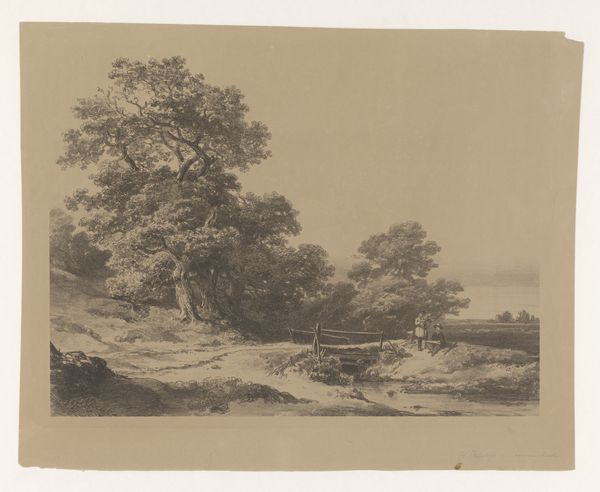
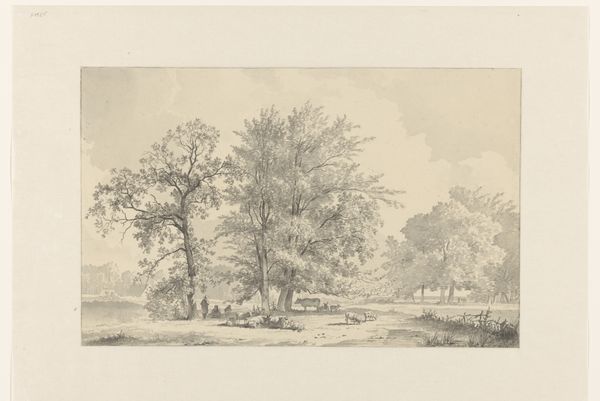
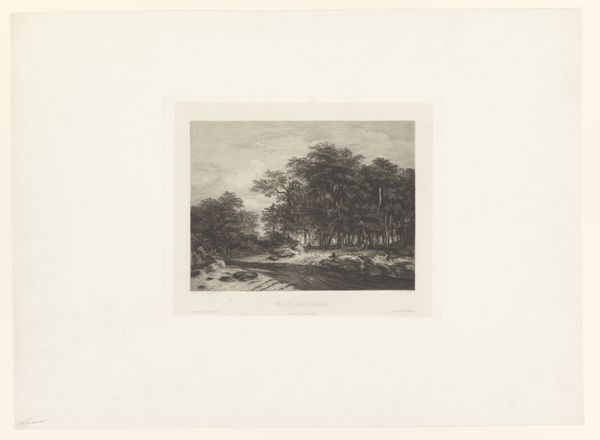
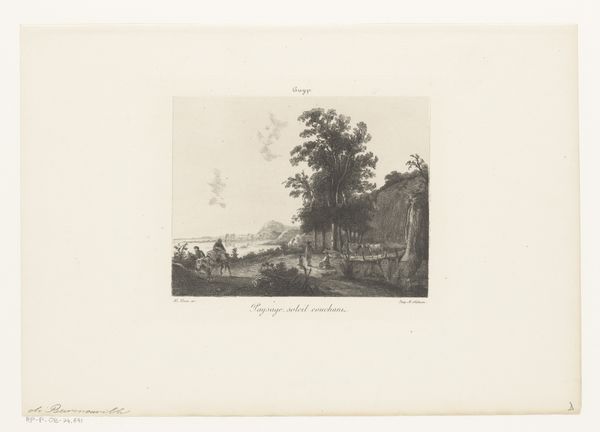
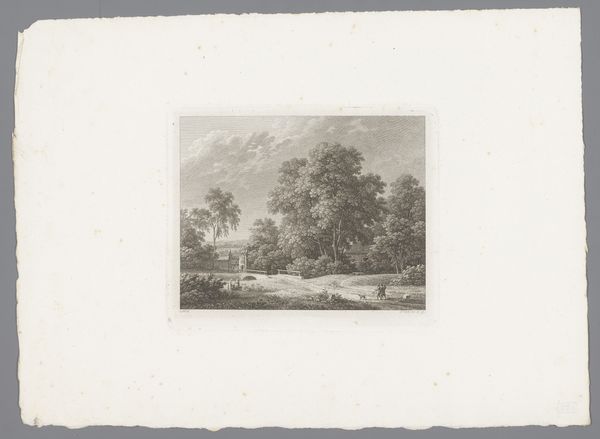
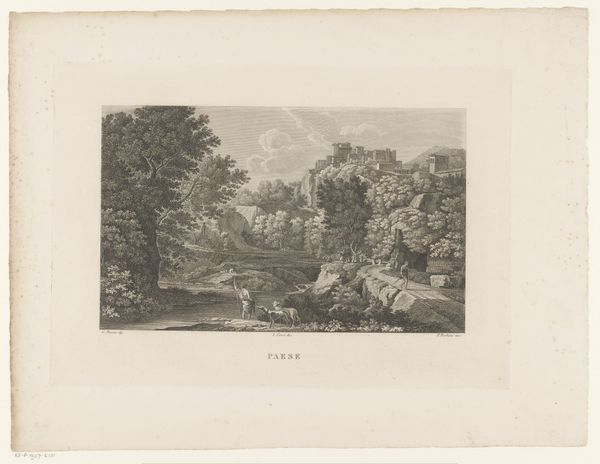
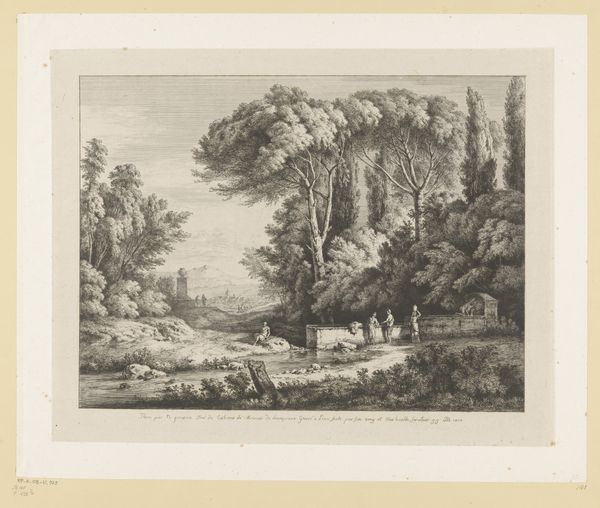
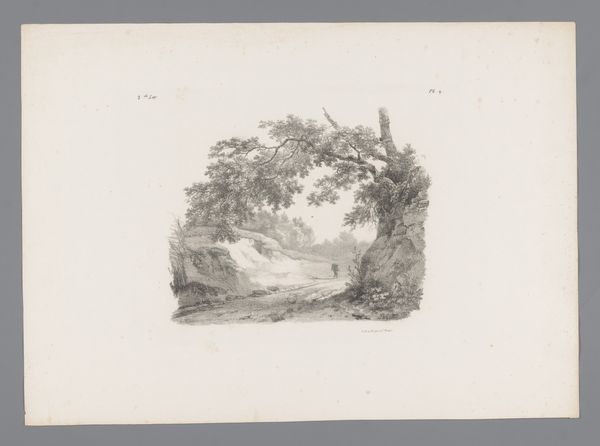
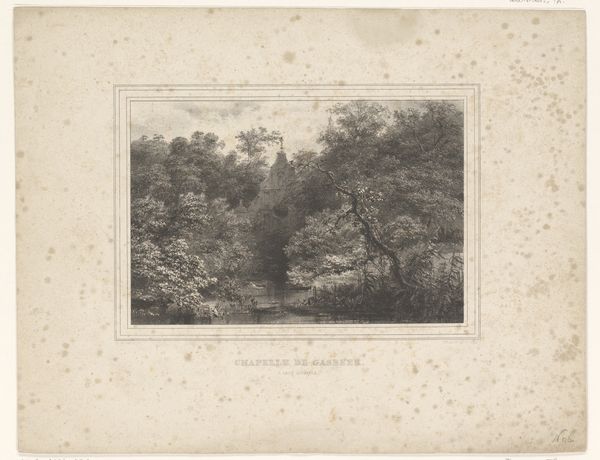
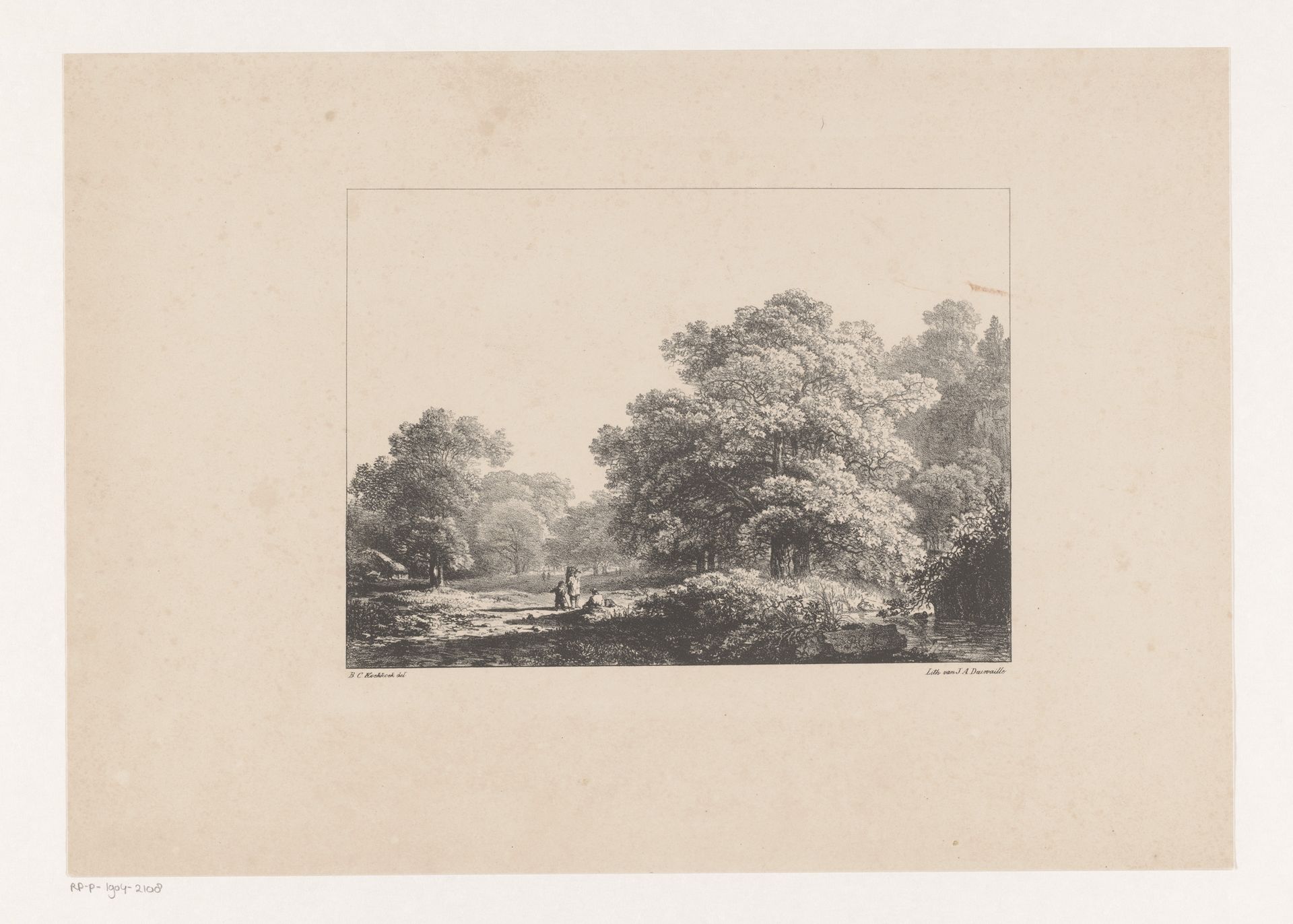
Barend Cornelis Koekkoek created this landscape with three figures using pen and brush in the nineteenth century. The painting is dominated by lush trees, evoking a sense of idyllic nature. Trees are powerful symbols, and here they suggest shelter, growth, and a connection to the earth. The motif of figures amidst nature has deep roots. Recall the classical Arcadia, a symbol of pastoral harmony, as well as the Garden of Eden, where mankind lived innocently among nature. Here, the figures seem to be enjoying a serene walk, suggesting a harmonious relationship with their environment. The image speaks to a longing for a simpler, more natural existence, a theme that recurs throughout art history. This yearning for nature may be interpreted as a subconscious desire to return to a state of innocence and peace. This image engages viewers on a deep level, tapping into our collective memory and subconscious associations. The cyclical progression of this symbol reminds us that our relationship with nature is ever evolving, constantly resurfacing and taking on new meanings in different historical contexts.
Bosgezicht met drie figuren 1820 - 1833

Barend Cornelis Koekkoek
1803 - 1862Location
RijksmuseumArtwork details
- Medium
- drawing, print, etching
- Dimensions
- height 310 mm, width 440 mm
- Location
- Rijksmuseum
- Copyright
- Rijks Museum: Open Domain
Tags
drawing
etching
landscape
forest
romanticism
Comments
No comments
About this artwork
Barend Cornelis Koekkoek created this landscape with three figures using pen and brush in the nineteenth century. The painting is dominated by lush trees, evoking a sense of idyllic nature. Trees are powerful symbols, and here they suggest shelter, growth, and a connection to the earth. The motif of figures amidst nature has deep roots. Recall the classical Arcadia, a symbol of pastoral harmony, as well as the Garden of Eden, where mankind lived innocently among nature. Here, the figures seem to be enjoying a serene walk, suggesting a harmonious relationship with their environment. The image speaks to a longing for a simpler, more natural existence, a theme that recurs throughout art history. This yearning for nature may be interpreted as a subconscious desire to return to a state of innocence and peace. This image engages viewers on a deep level, tapping into our collective memory and subconscious associations. The cyclical progression of this symbol reminds us that our relationship with nature is ever evolving, constantly resurfacing and taking on new meanings in different historical contexts.
Comments
No comments