About this artwork
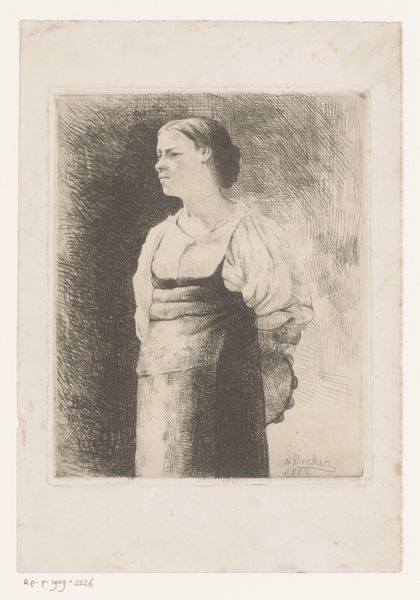
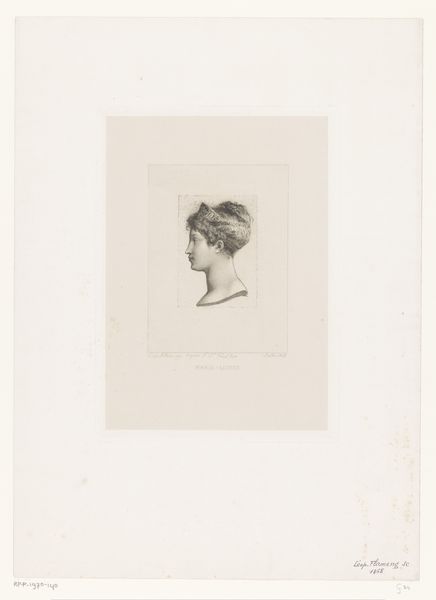
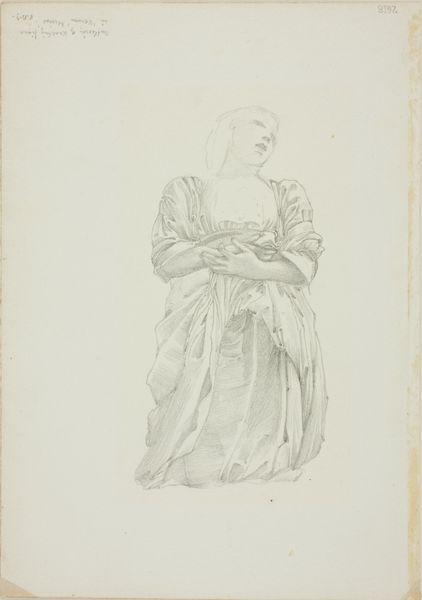
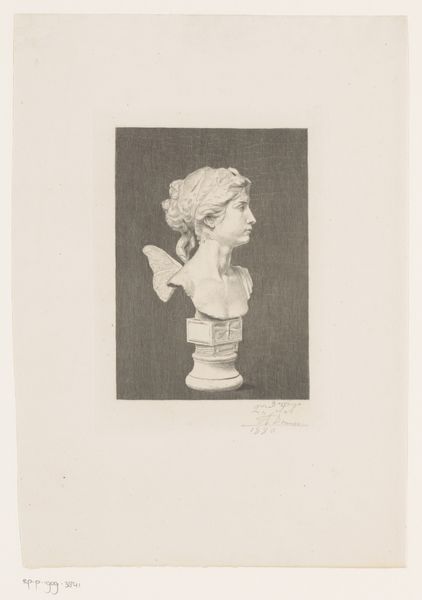
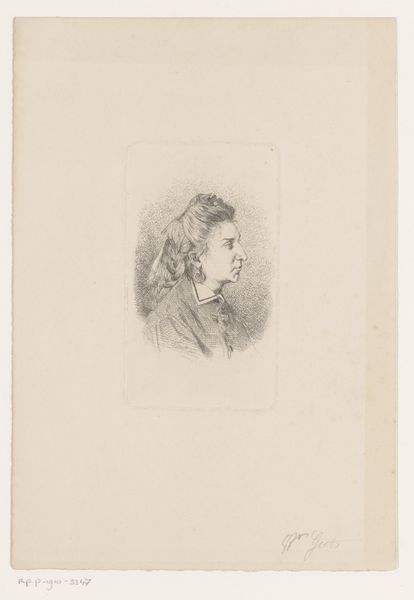
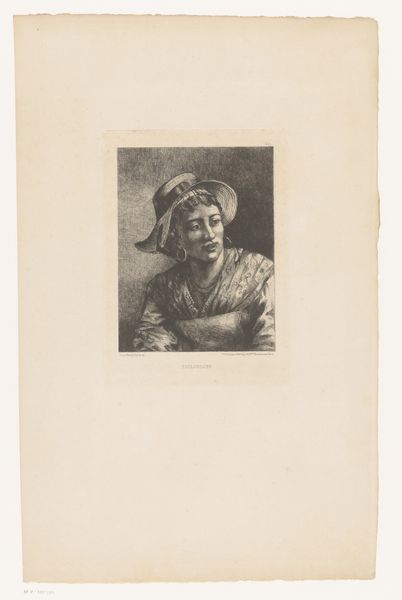
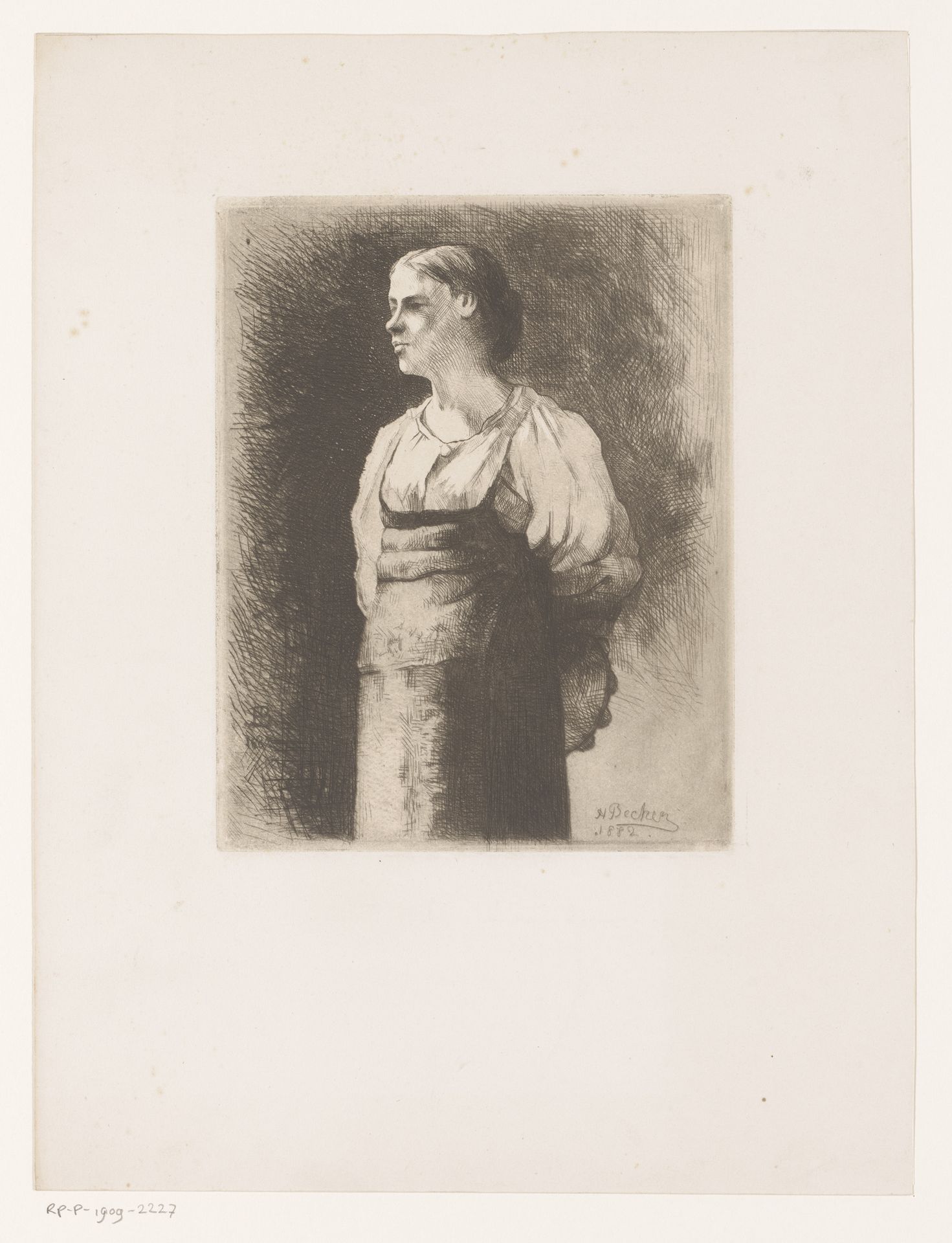
H. Becker produced this etching of a young woman, possibly in the Netherlands, in 1890. What does it mean to represent the figure of a woman at the close of the 19th century? On the one hand, we could read this portrait through its formal references to the Dutch Golden Age. On the other hand, the young woman’s clothing suggests she is a farm worker, and it’s likely Becker is commenting on changing class structures in the Netherlands at this time. We might consider the relationship between representations of laboring bodies in art and the rise of socialist politics. Is Becker making a statement about the dignity of labor, or is he merely aestheticizing rural life? Historians consider the social conditions that enable certain kinds of art making. Looking at Becker’s other work may help us to place him in relation to the institutions of art in his time.

Artwork details
- Medium
- etching
- Dimensions
- height 200 mm, width 158 mm
- Copyright
- Rijks Museum: Open Domain
Tags
Comments
Share your thoughts
About this artwork
H. Becker produced this etching of a young woman, possibly in the Netherlands, in 1890. What does it mean to represent the figure of a woman at the close of the 19th century? On the one hand, we could read this portrait through its formal references to the Dutch Golden Age. On the other hand, the young woman’s clothing suggests she is a farm worker, and it’s likely Becker is commenting on changing class structures in the Netherlands at this time. We might consider the relationship between representations of laboring bodies in art and the rise of socialist politics. Is Becker making a statement about the dignity of labor, or is he merely aestheticizing rural life? Historians consider the social conditions that enable certain kinds of art making. Looking at Becker’s other work may help us to place him in relation to the institutions of art in his time.
Comments
Share your thoughts