19th century
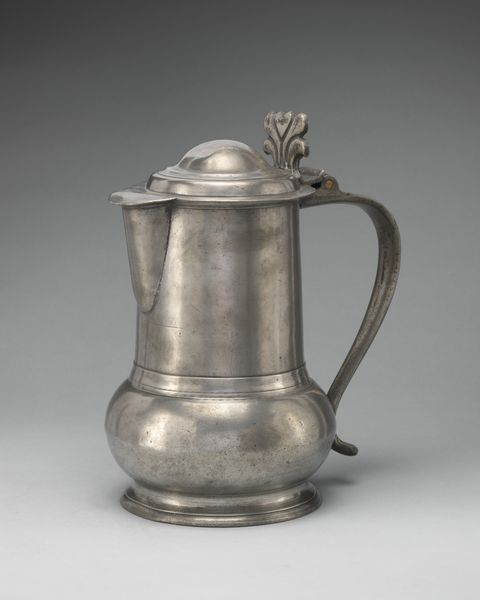
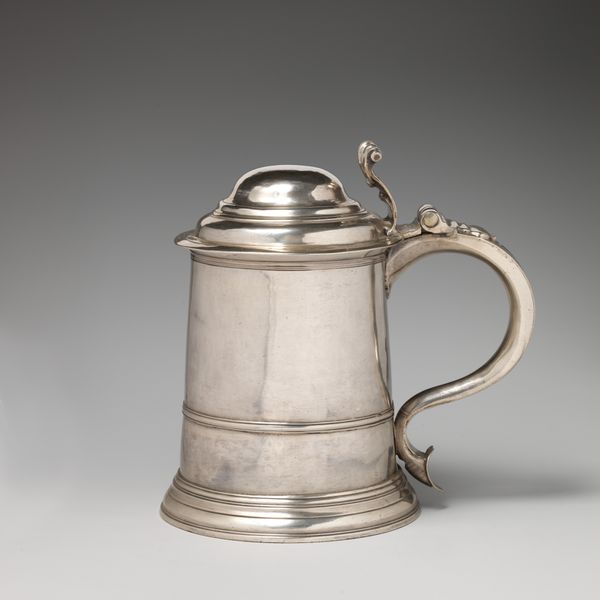
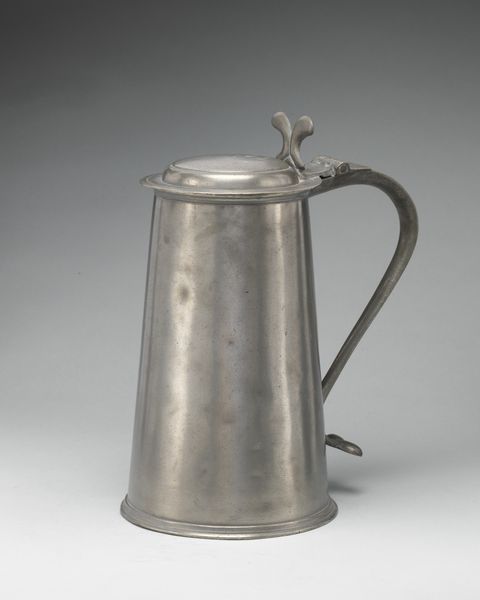
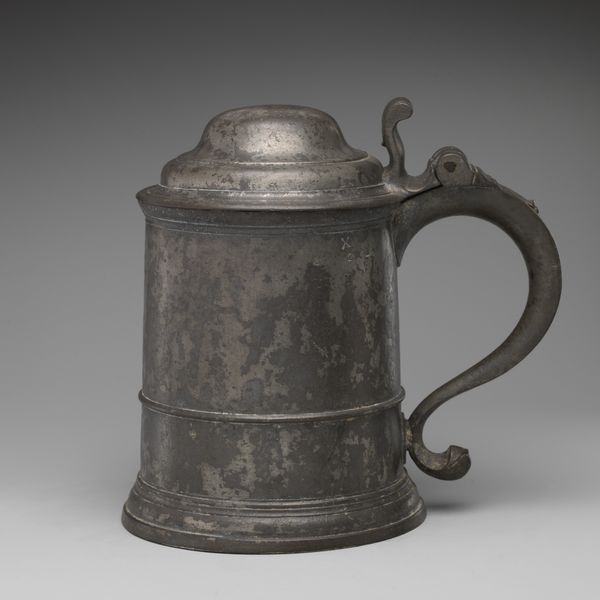
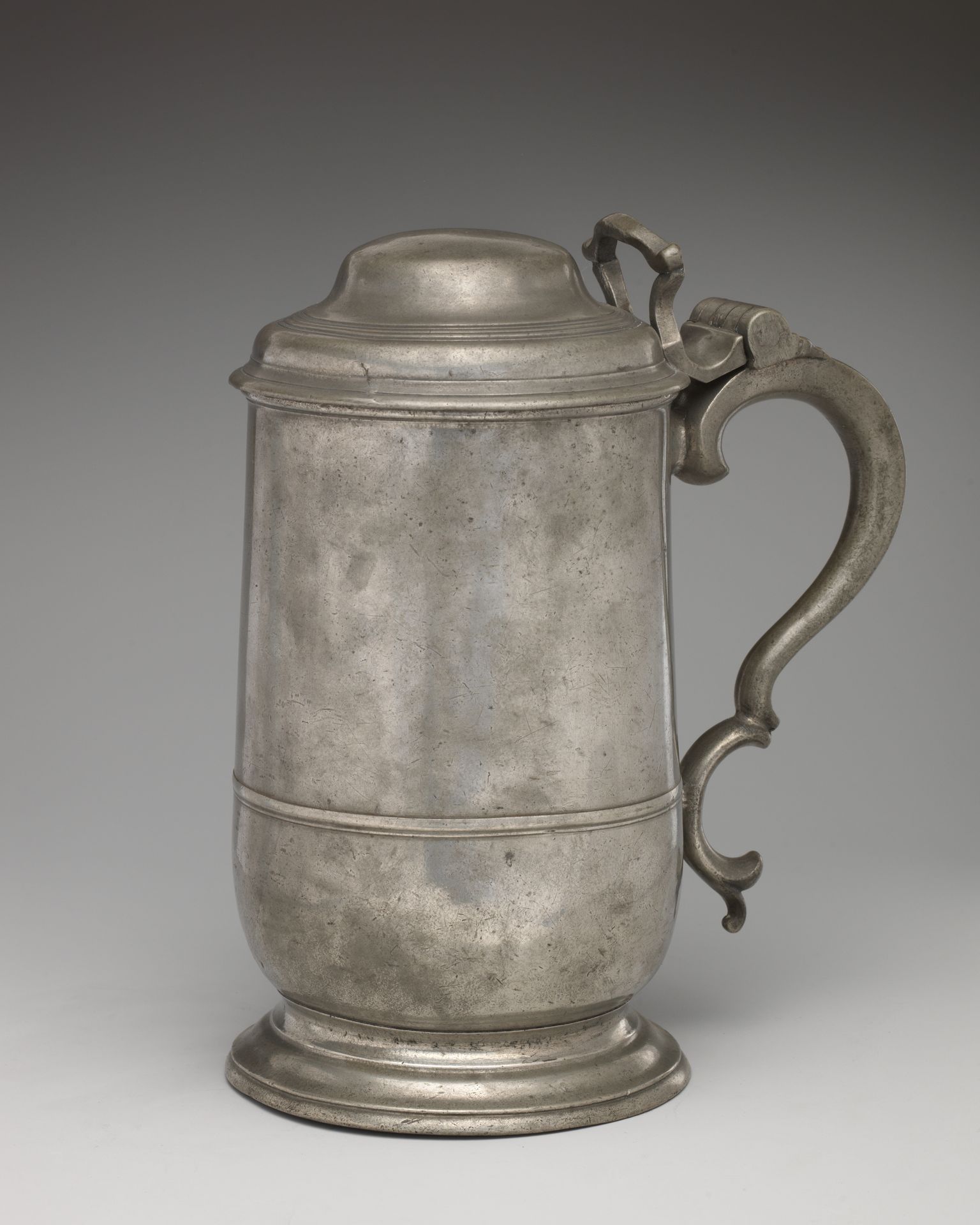
Communion flagon

Townsend and Compton
@townsendandcompton
The Metropolitan Museum of Art
Metropolitan Museum of Art, New York, NYListen to curator's interpretation
Curatorial notes
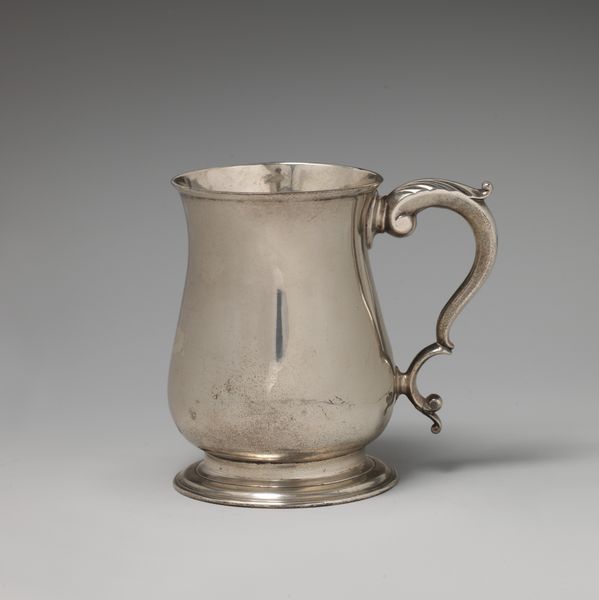
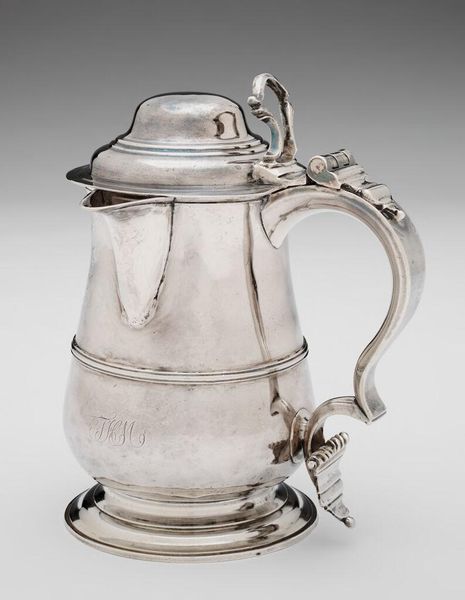
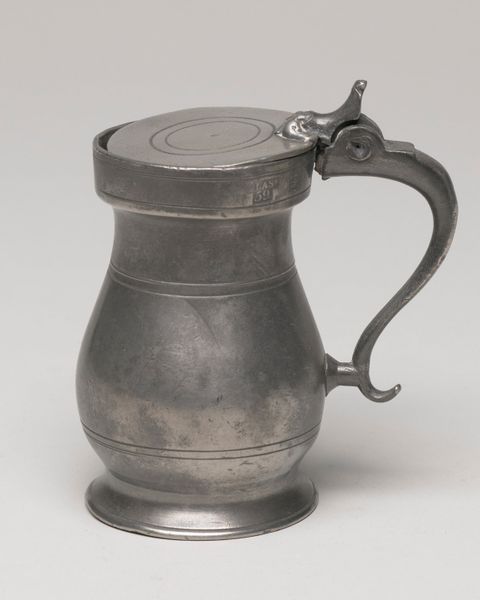
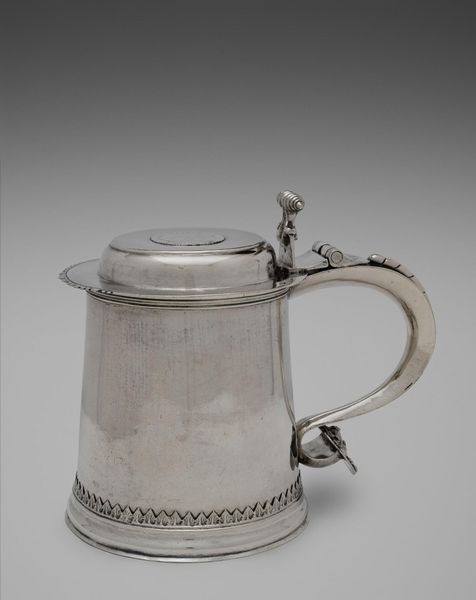
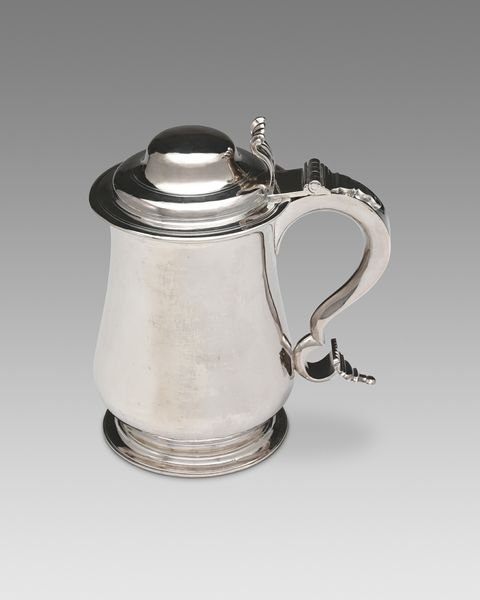
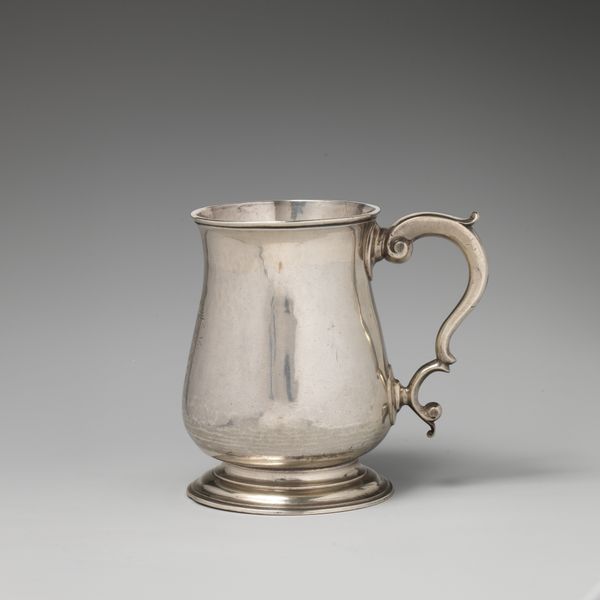
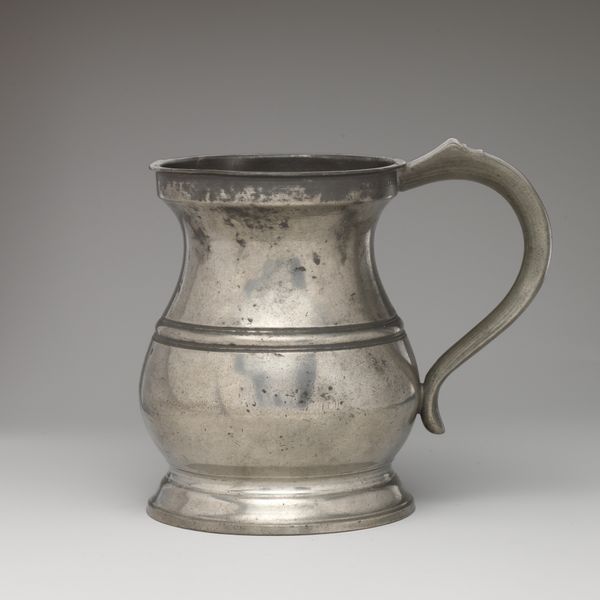
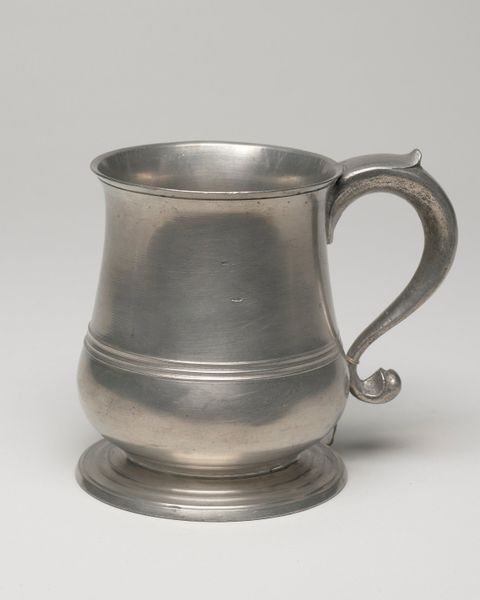
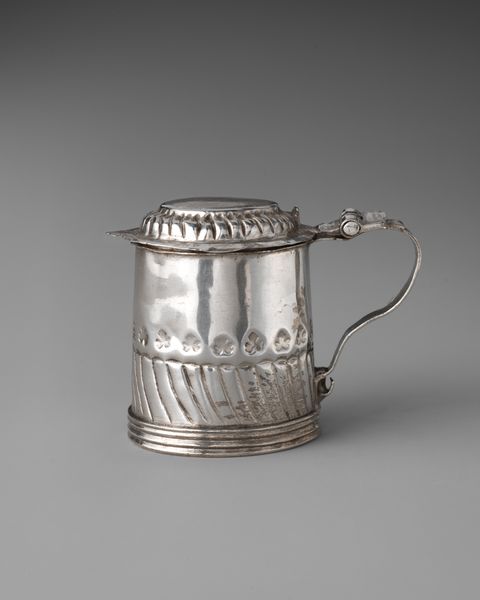
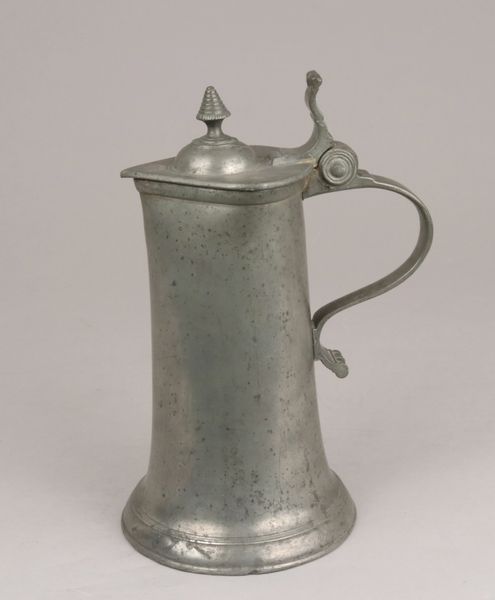
This Communion flagon, made of pewter by Townsend and Compton, is a vessel designed for the sacred ritual of sharing wine, symbolizing the blood of Christ. Notice its plainness, devoid of elaborate ornamentation. This intentional simplicity echoes the early Christian ideals of humility and spiritual purity. We see echoes of this in other vessels throughout history; think of the unadorned chalices used in early Roman catacombs. Even the design of the handle harks back to classical forms, reminiscent of ancient Greek amphorae, vessels used for communal gatherings. Consider how this flagon's stark design serves a powerful psychological purpose, inviting quiet contemplation and spiritual introspection. It reminds us that religious expression is not linear, but rather a cyclical return to core values, resurfacing in various forms across time.