About this artwork
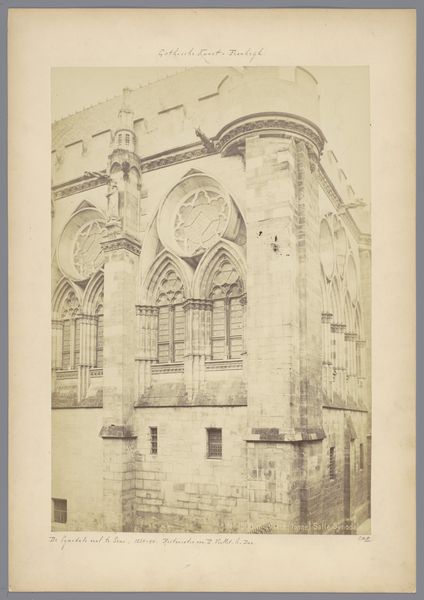
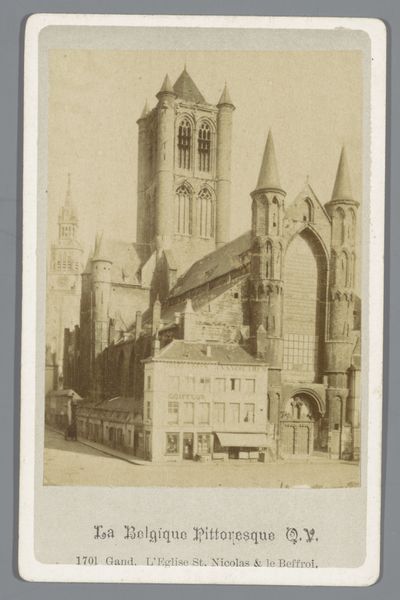
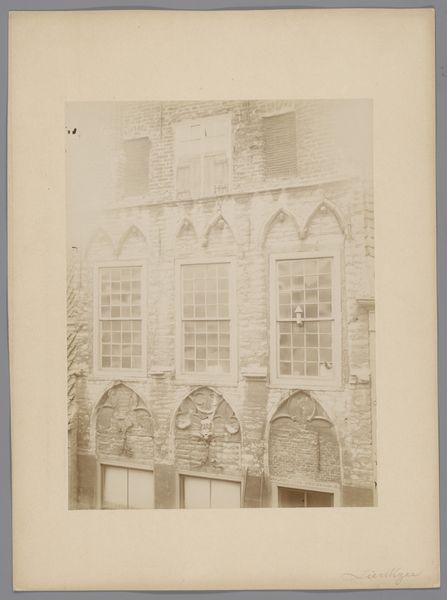
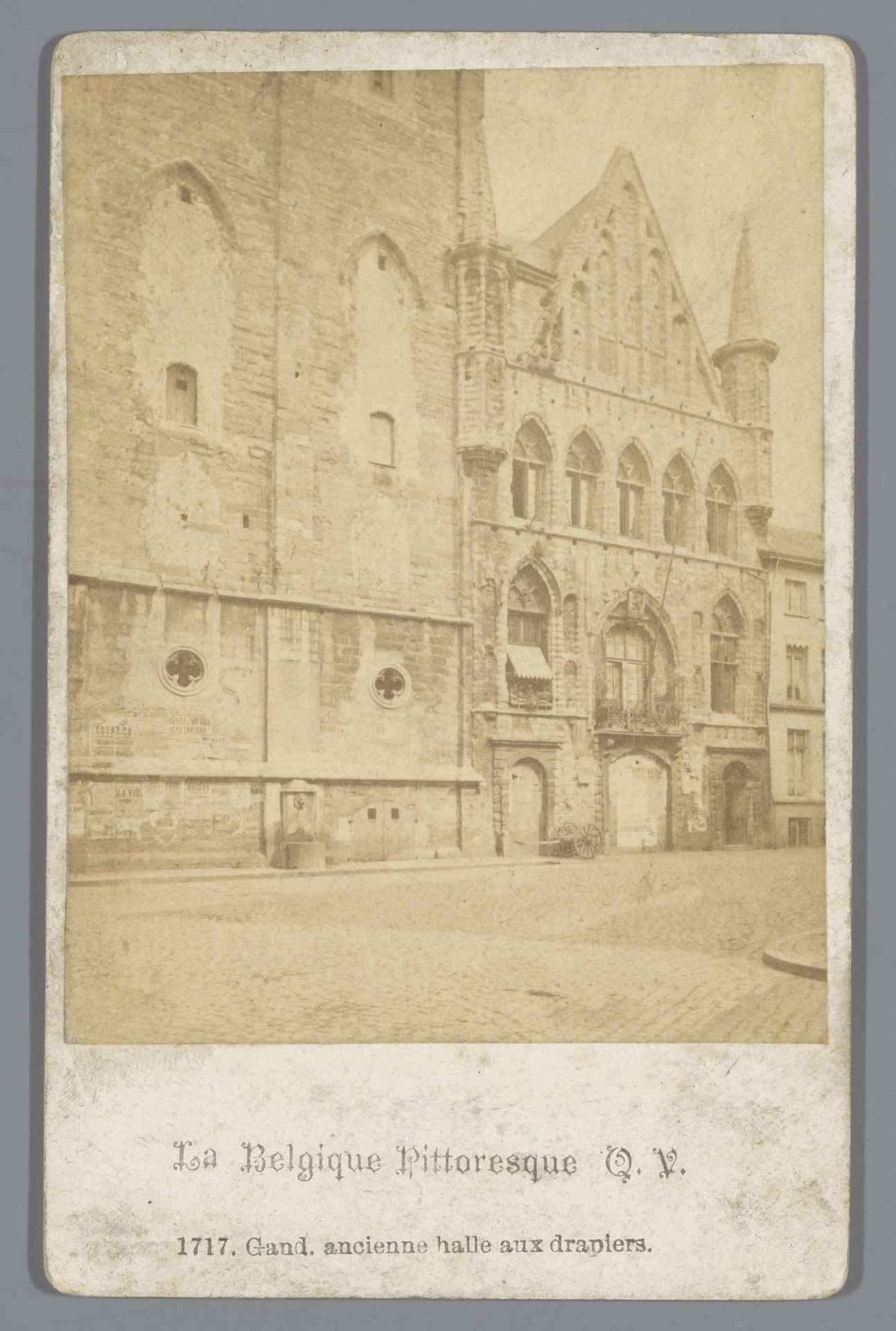
Jules Hippolyte Quéval captured "Lakenhal van Gent" in a photograph. Quéval's lens frames a story of commerce and community intertwined with class. The Lakenhal, or cloth hall, was historically a center for the wool trade, a cornerstone of Ghent's medieval economy. This photograph captures not just a building, but a stage where social hierarchies played out. The architecture itself speaks of a time when guilds held significant power, dictating the lives and livelihoods of artisans. We see the grandeur intended to impress and the functionality required for trade. The hall served as a meeting place, a marketplace, and a symbol of the city's wealth. Its very stones are steeped in the stories of merchants, weavers, and laborers whose lives were shaped by the textile industry. This image serves as a reminder of how buildings, like people, carry the weight of history, reflecting the complexities of class, labor, and urban development.

Artwork details
- Medium
- print, photography, albumen-print, architecture
- Dimensions
- height 68 mm, width 101 mm
- Location
- Rijksmuseum
- Copyright
- Rijks Museum: Open Domain
Tags
Comments
Share your thoughts
About this artwork
Jules Hippolyte Quéval captured "Lakenhal van Gent" in a photograph. Quéval's lens frames a story of commerce and community intertwined with class. The Lakenhal, or cloth hall, was historically a center for the wool trade, a cornerstone of Ghent's medieval economy. This photograph captures not just a building, but a stage where social hierarchies played out. The architecture itself speaks of a time when guilds held significant power, dictating the lives and livelihoods of artisans. We see the grandeur intended to impress and the functionality required for trade. The hall served as a meeting place, a marketplace, and a symbol of the city's wealth. Its very stones are steeped in the stories of merchants, weavers, and laborers whose lives were shaped by the textile industry. This image serves as a reminder of how buildings, like people, carry the weight of history, reflecting the complexities of class, labor, and urban development.
Comments
Share your thoughts