About this artwork
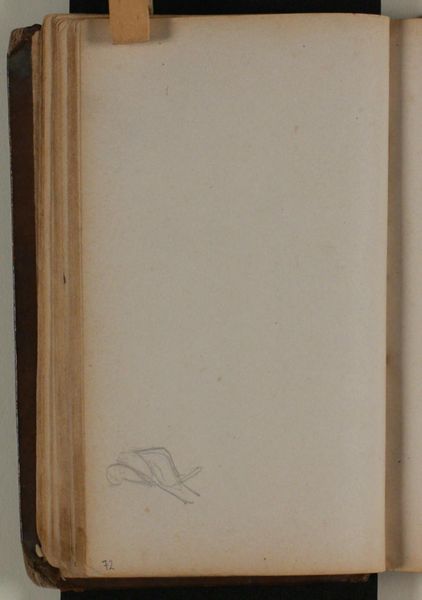
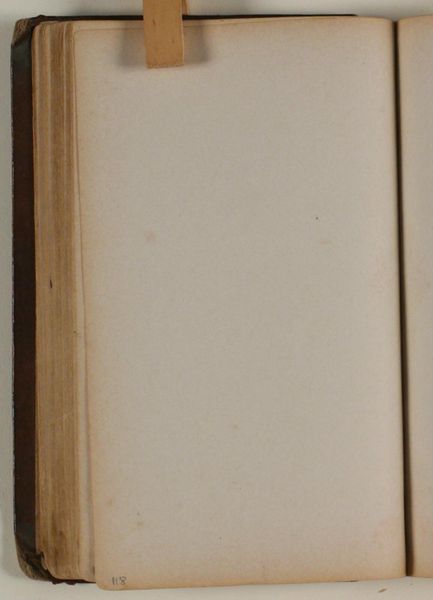
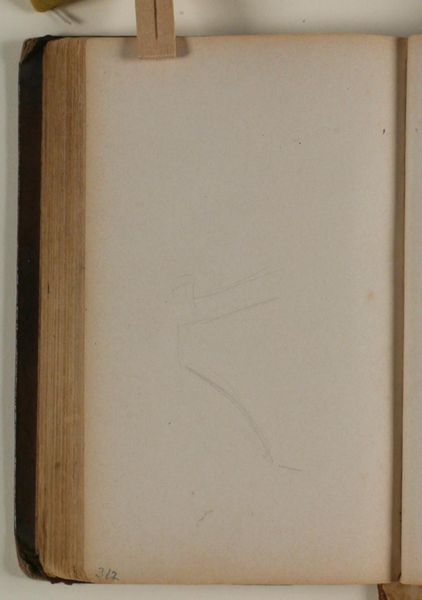
This open book, made by Niels Larsen Stevns, invites us to explore the symbolism of its blank pages. In many cultures, the open book signifies knowledge, revelation, and the potential for new understanding. It is a powerful symbol, steeped in the tradition of learning and enlightenment. Consider the illuminated manuscripts of the medieval era, where the open book was a central motif, representing divine wisdom and scholarly pursuit. The very act of turning a page, a symbolic gesture of moving from ignorance to knowledge, connects us to centuries of intellectual tradition. Yet, here, the pages are blank. This void does not negate meaning but amplifies it. It suggests infinite possibility, the unwritten stories waiting to be inscribed. The blankness can be seen as a mirror, reflecting our own thoughts, ideas, and hopes. It represents the human capacity for creativity, the potential to shape our own narratives. Like a dream waiting to be interpreted, this empty book engages us on a subconscious level, urging us to consider the power of potential. This cycle—from blankness to potential, from potential to realization—echoes the cyclical nature of human experience, resurfacing in art and culture across different eras.
Blank
1864 - 1941


Artwork details
- Medium
- drawing, coloured-pencil, paper
- Dimensions
- 162 mm (height) x 98 mm (width) (monteringsmaal)
- Location
- SMK - Statens Museum for Kunst
Tags
drawing
coloured-pencil
paper
coloured pencil
Comments
Be the first to share your thoughts about this work.
About this artwork
This open book, made by Niels Larsen Stevns, invites us to explore the symbolism of its blank pages. In many cultures, the open book signifies knowledge, revelation, and the potential for new understanding. It is a powerful symbol, steeped in the tradition of learning and enlightenment. Consider the illuminated manuscripts of the medieval era, where the open book was a central motif, representing divine wisdom and scholarly pursuit. The very act of turning a page, a symbolic gesture of moving from ignorance to knowledge, connects us to centuries of intellectual tradition. Yet, here, the pages are blank. This void does not negate meaning but amplifies it. It suggests infinite possibility, the unwritten stories waiting to be inscribed. The blankness can be seen as a mirror, reflecting our own thoughts, ideas, and hopes. It represents the human capacity for creativity, the potential to shape our own narratives. Like a dream waiting to be interpreted, this empty book engages us on a subconscious level, urging us to consider the power of potential. This cycle—from blankness to potential, from potential to realization—echoes the cyclical nature of human experience, resurfacing in art and culture across different eras.
Comments
Be the first to share your thoughts about this work.