About this artwork
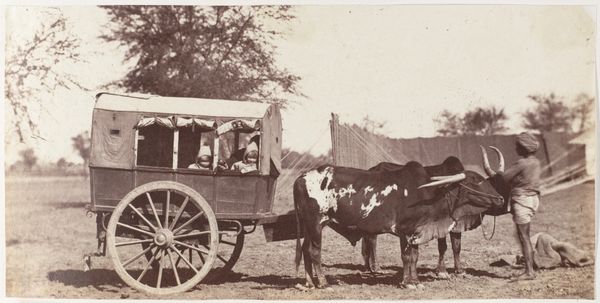
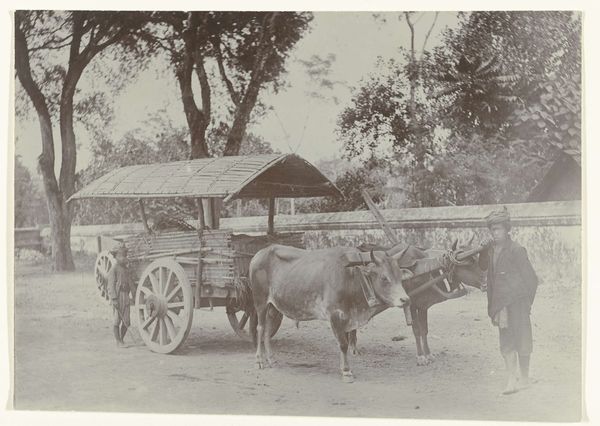
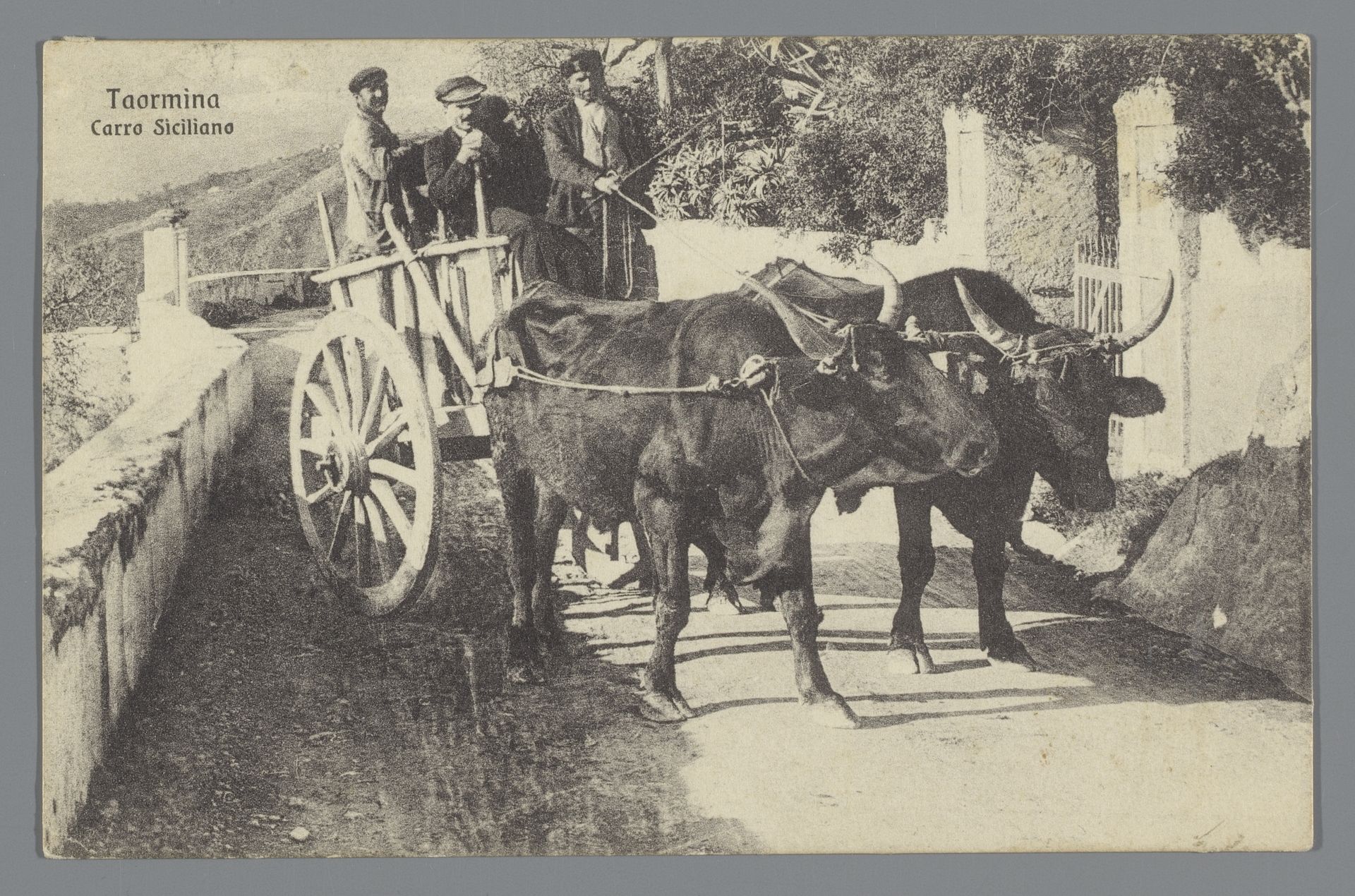
Leo Gestel made this small postcard to Jan Ponstijn using lithography. It’s interesting to see how the artist has approached mark making here, like he’s trying to work out how to convert the tones of the photograph into a graphic image, using thin lines and hatching to bring out the shading. There's a real sense of the materiality of the lithographic crayon here, in the way it catches on the surface of the stone, and the way that the grainy texture describes the heavy weight of the animals. Look at the detail of the bulls horns, the way they stand out against the light of the sky, a very economical way of describing form. Gestel's process feels akin to someone like Emil Nolde, who was also interested in the expressive potential of printmaking, and like Nolde, Gestel seems less concerned with technical perfection than with capturing a particular mood or feeling. It’s interesting to think of art as being in a dialogue with what’s gone before, and what’s happening now, it’s an ongoing conversation.

Artwork details
- Medium
- photography
- Dimensions
- height 89 mm, width 137 mm
- Location
- Rijksmuseum
- Copyright
- Rijks Museum: Open Domain
Tags
Comments
Share your thoughts
About this artwork
Leo Gestel made this small postcard to Jan Ponstijn using lithography. It’s interesting to see how the artist has approached mark making here, like he’s trying to work out how to convert the tones of the photograph into a graphic image, using thin lines and hatching to bring out the shading. There's a real sense of the materiality of the lithographic crayon here, in the way it catches on the surface of the stone, and the way that the grainy texture describes the heavy weight of the animals. Look at the detail of the bulls horns, the way they stand out against the light of the sky, a very economical way of describing form. Gestel's process feels akin to someone like Emil Nolde, who was also interested in the expressive potential of printmaking, and like Nolde, Gestel seems less concerned with technical perfection than with capturing a particular mood or feeling. It’s interesting to think of art as being in a dialogue with what’s gone before, and what’s happening now, it’s an ongoing conversation.
Comments
Share your thoughts