1760 - 1761
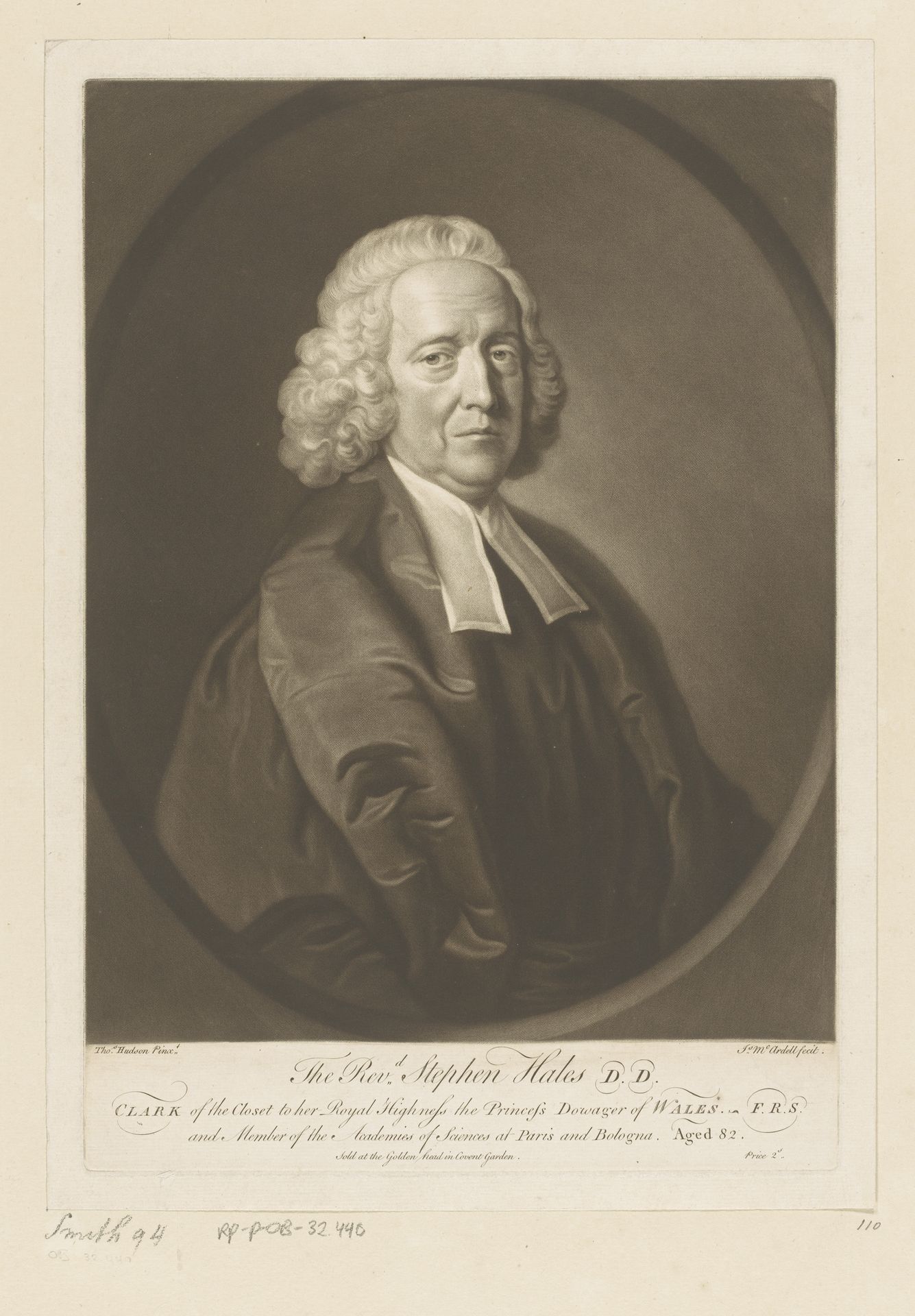
Portret van Stephen Hales

James McArdell
1729 - 1765Location
RijksmuseumListen to curator's interpretation
Curatorial notes
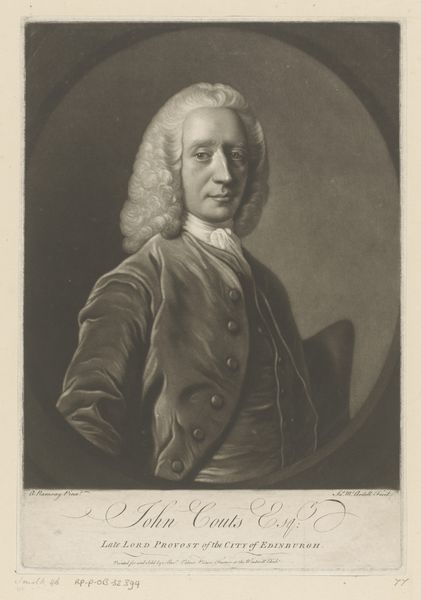
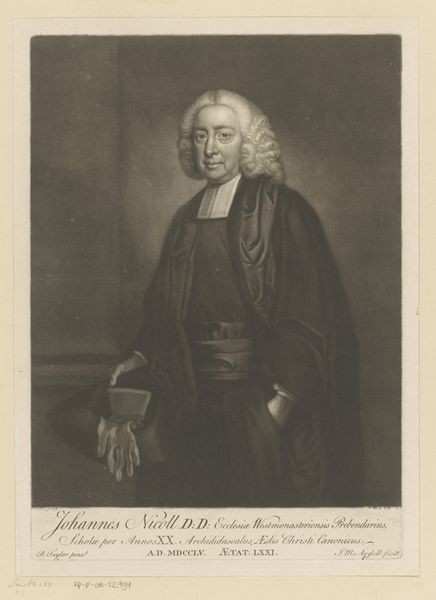
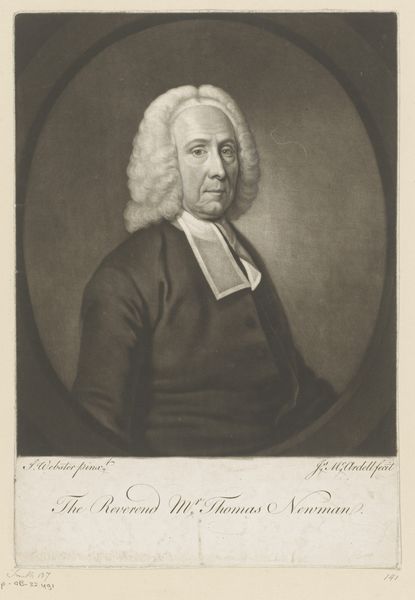
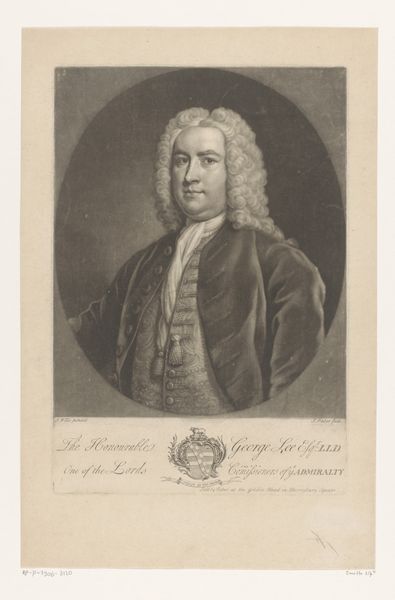
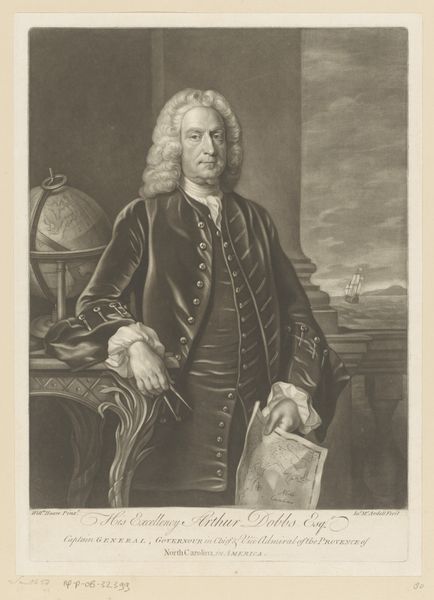
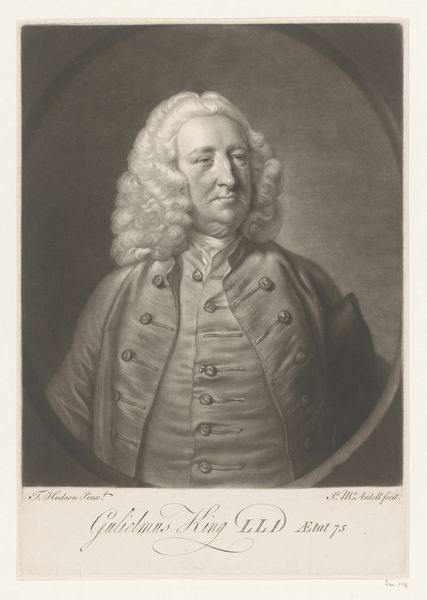
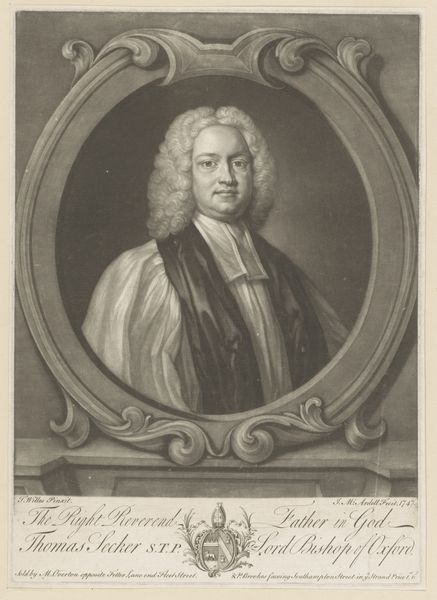
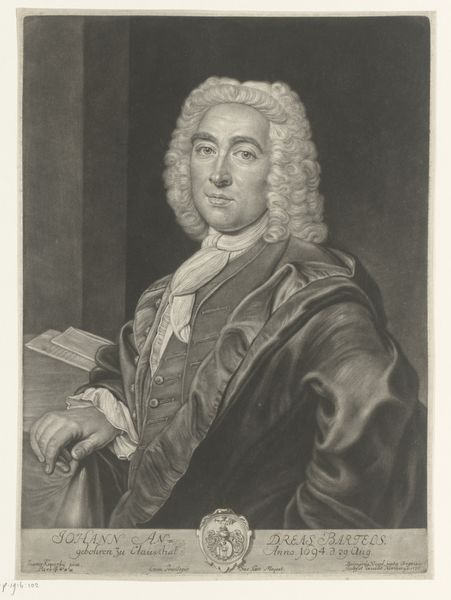
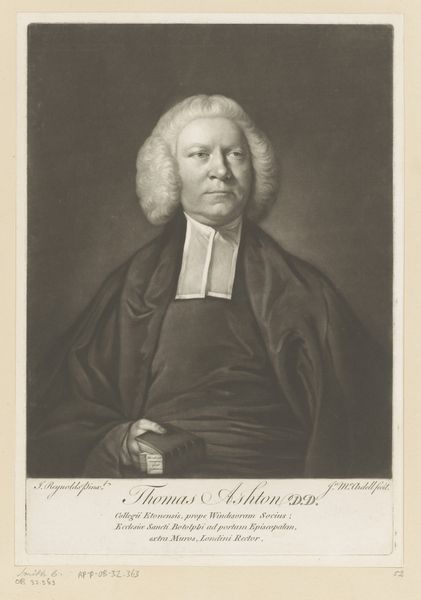
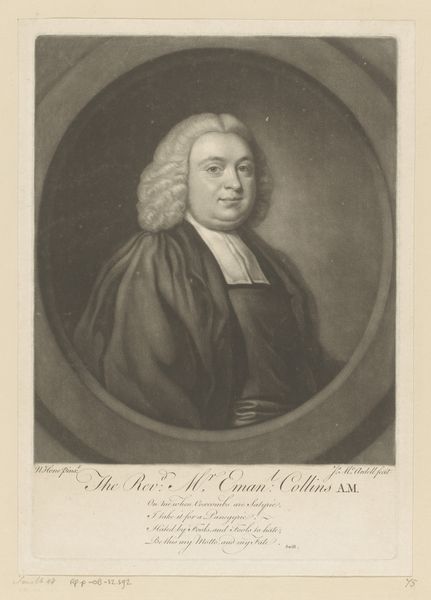
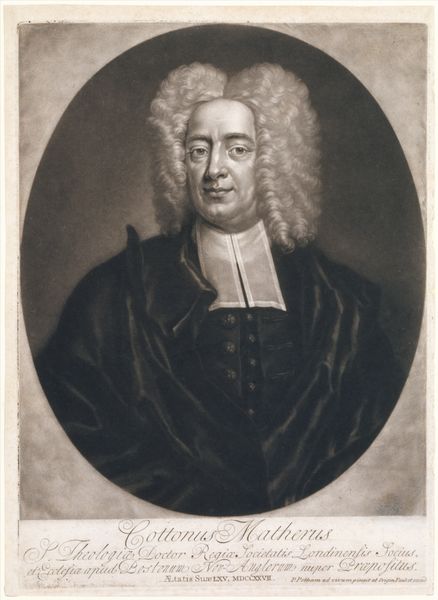
James McArdell created this print of Stephen Hales, likely in the mid-18th century, using a technique called mezzotint. In mezzotint, the artist roughens the entire copper plate to create tone, using a tool called a rocker. The image is then worked by smoothing areas to produce lighter shades, with smooth areas printing as pure white. It’s a labor-intensive, subtractive process, demanding great skill, and one that privileges tone and texture over line. Look closely, and you'll notice the velvety blacks and subtle gradations of light across Hales’s face and clothing. The texture feels almost photographic. This mastery of light and shadow lends the portrait a remarkable sense of presence and depth. McArdell’s technical virtuosity elevates printmaking from mere reproduction to high art. By valuing the material process and skill involved in creating the image, we recognize the inherent artistry of mezzotint and challenge traditional hierarchies between fine art and craft.