About this artwork
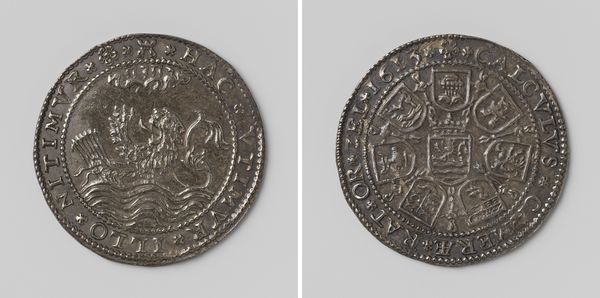
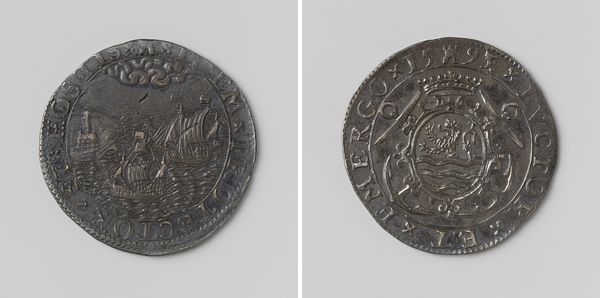
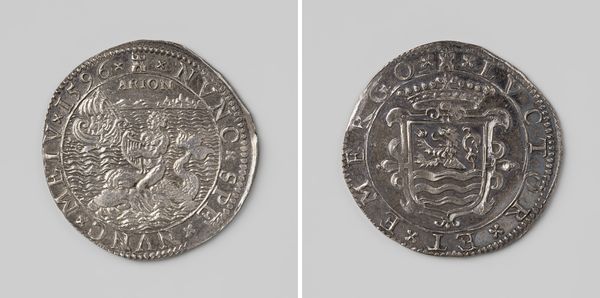
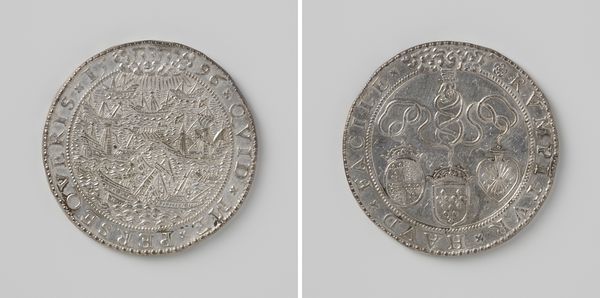
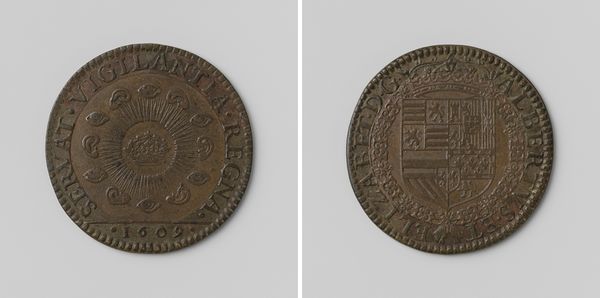
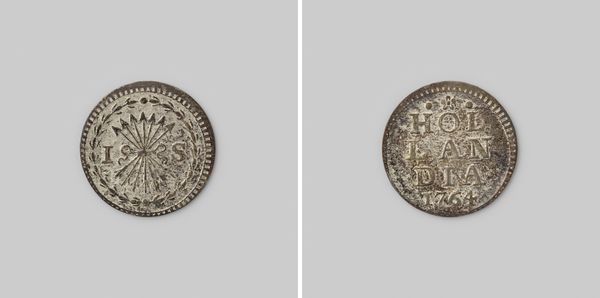
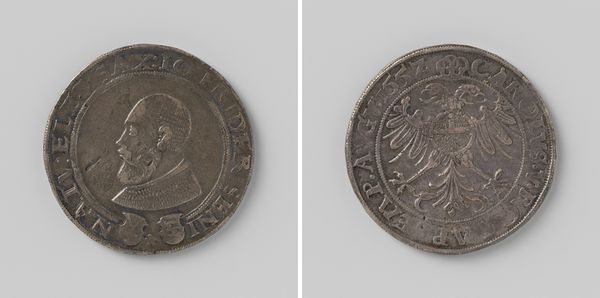
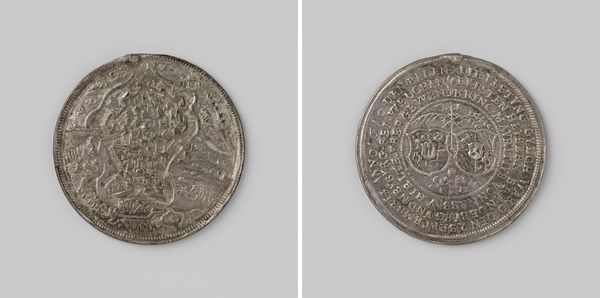
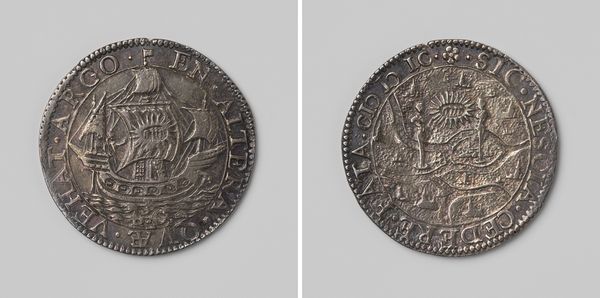
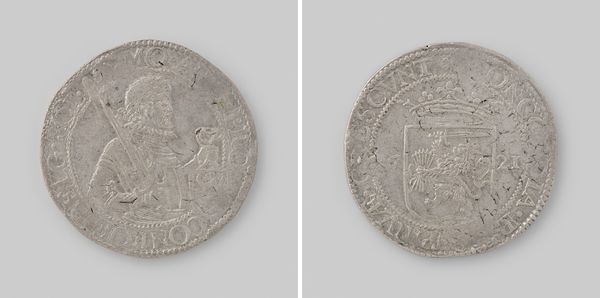
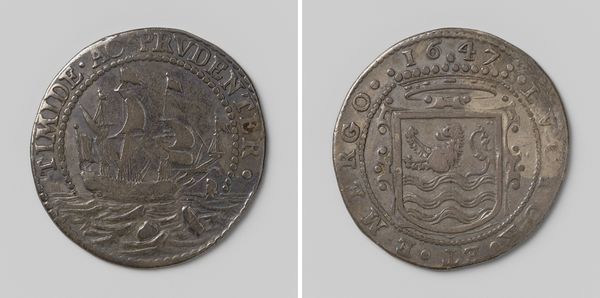
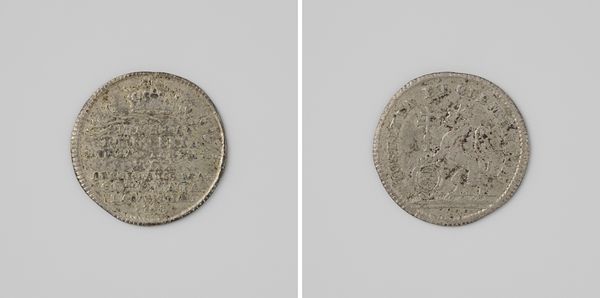
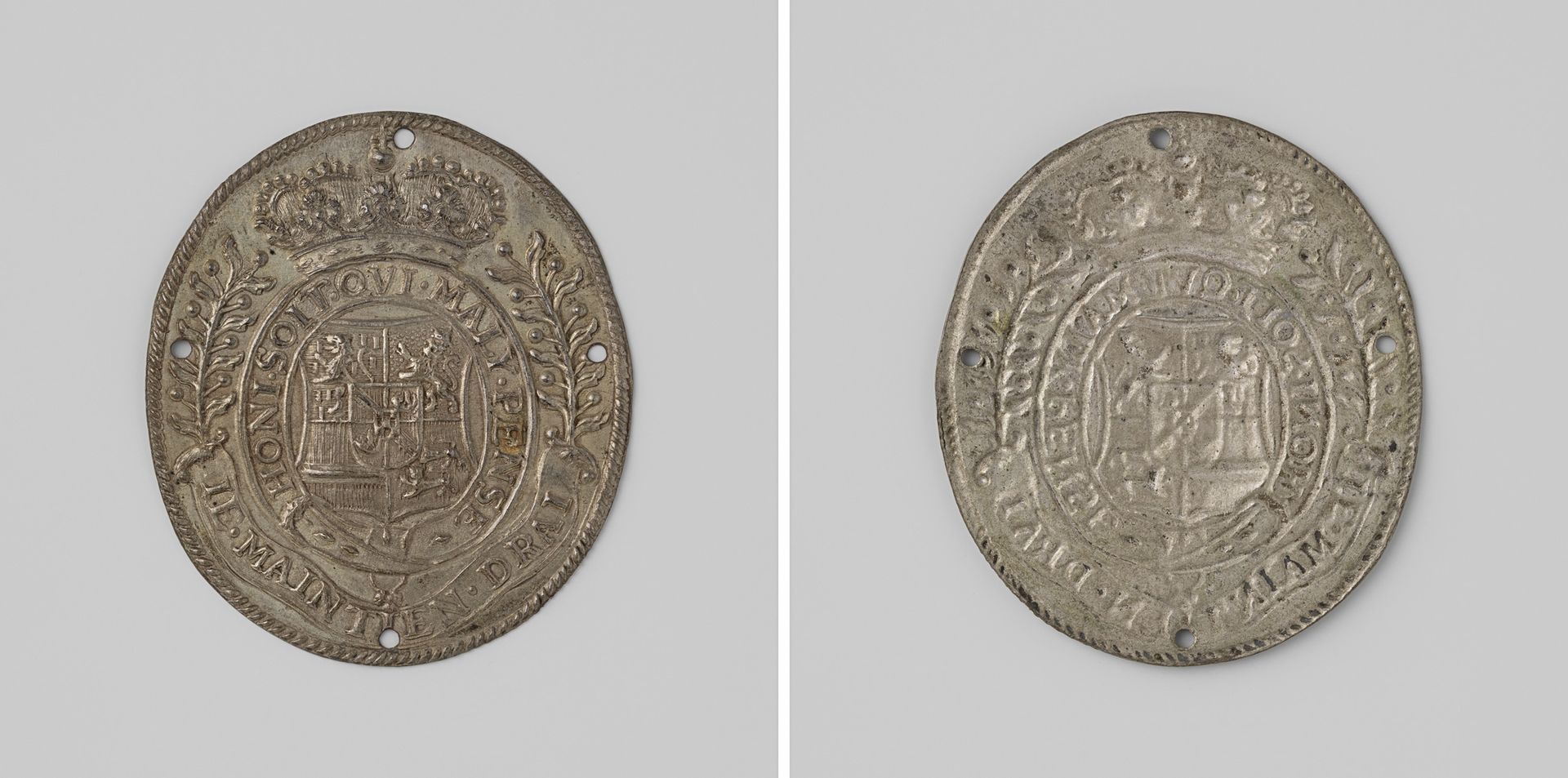
This silver Wapenplaat, or coat of arms plate, dedicated to Willem IV, was likely made anonymously. The plate's circular shape and the presence of small holes suggest it may have been part of a larger decorative piece or perhaps worn as a badge of allegiance. The process of creating such an object would have involved skilled metalworking techniques. The design, including the intricate heraldic symbols and inscriptions, would have been carefully engraved into the silver. The choice of silver, a precious metal, speaks to the status and importance associated with Willem IV. The act of producing these plates signifies not only the commemoration of a leader but also the skilled labor and artistry involved in metalworking traditions. Objects like these reveal that the boundaries between craft, design, and fine art are not always clear-cut. Examining the materials, making, and social context allows for a more complete understanding of its cultural significance.

Artwork details
- Medium
- metal, relief, guilding, embossing, engraving
- Dimensions
- length 4.3 cm, width 3.8 cm, weight 3.56 gr
- Location
- Rijksmuseum
- Copyright
- Rijks Museum: Open Domain
Tags
Comments
Share your thoughts
About this artwork
This silver Wapenplaat, or coat of arms plate, dedicated to Willem IV, was likely made anonymously. The plate's circular shape and the presence of small holes suggest it may have been part of a larger decorative piece or perhaps worn as a badge of allegiance. The process of creating such an object would have involved skilled metalworking techniques. The design, including the intricate heraldic symbols and inscriptions, would have been carefully engraved into the silver. The choice of silver, a precious metal, speaks to the status and importance associated with Willem IV. The act of producing these plates signifies not only the commemoration of a leader but also the skilled labor and artistry involved in metalworking traditions. Objects like these reveal that the boundaries between craft, design, and fine art are not always clear-cut. Examining the materials, making, and social context allows for a more complete understanding of its cultural significance.
Comments
Share your thoughts