About this artwork
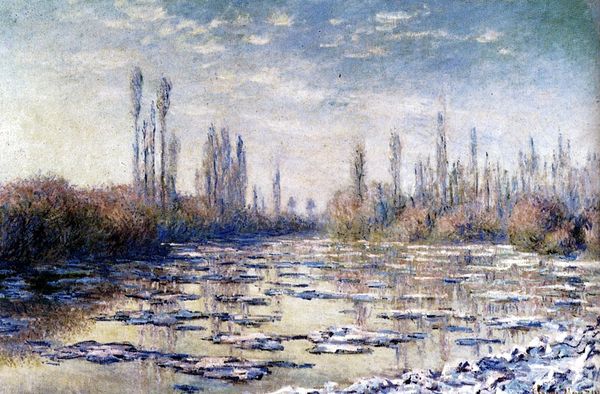
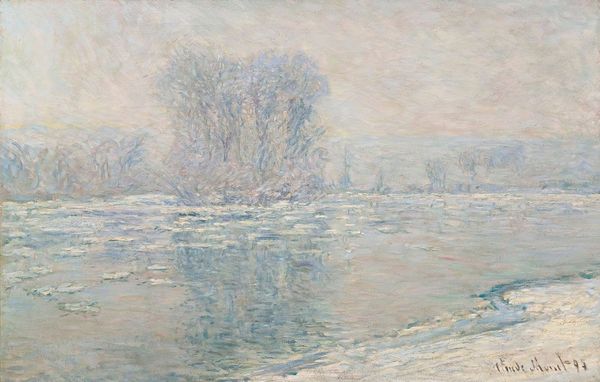
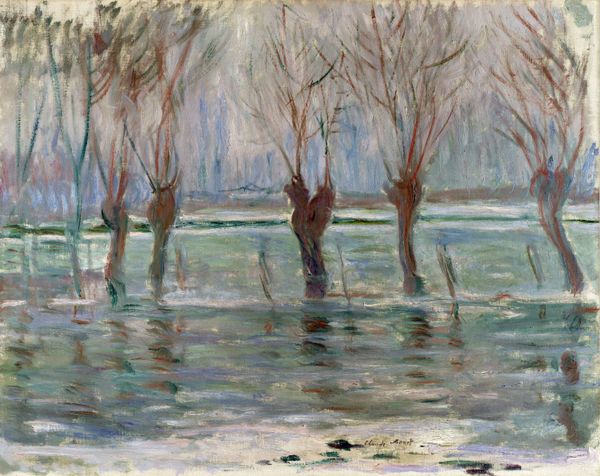
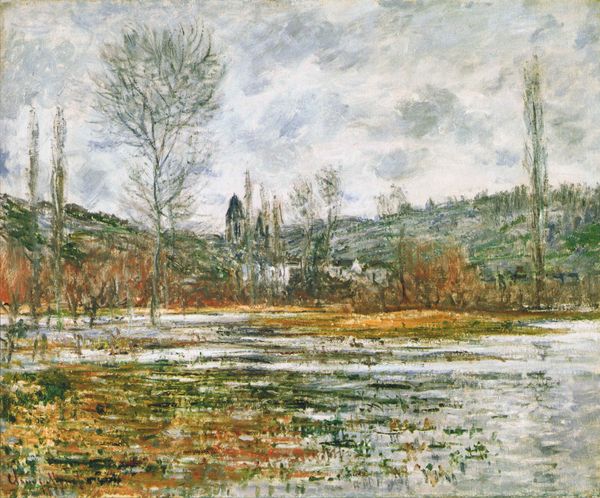
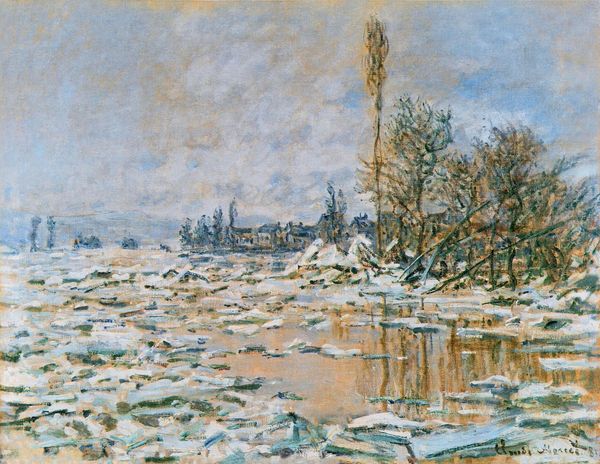
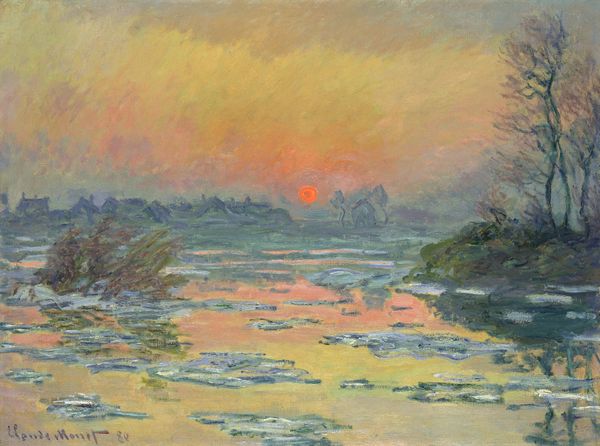
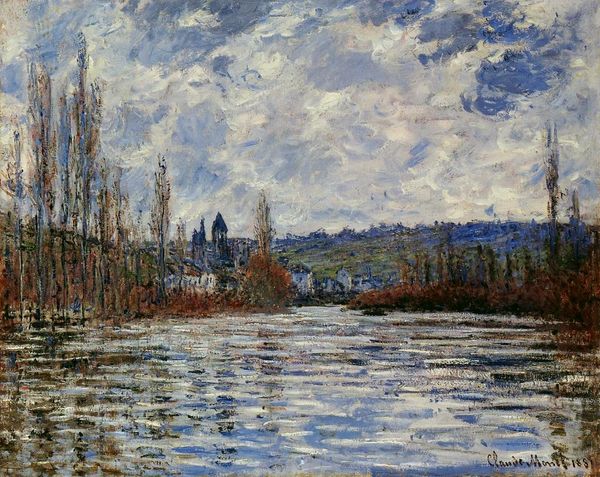
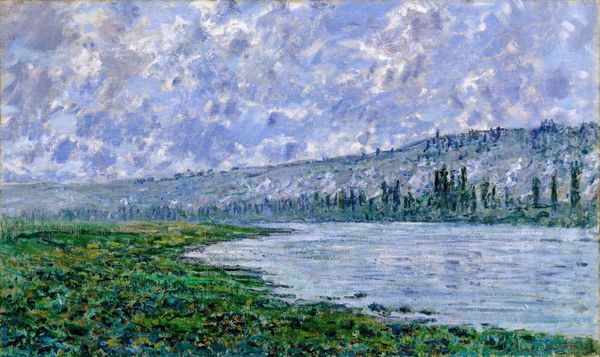
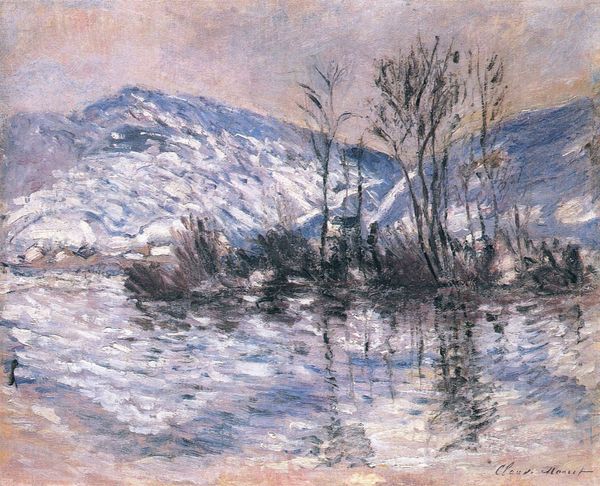
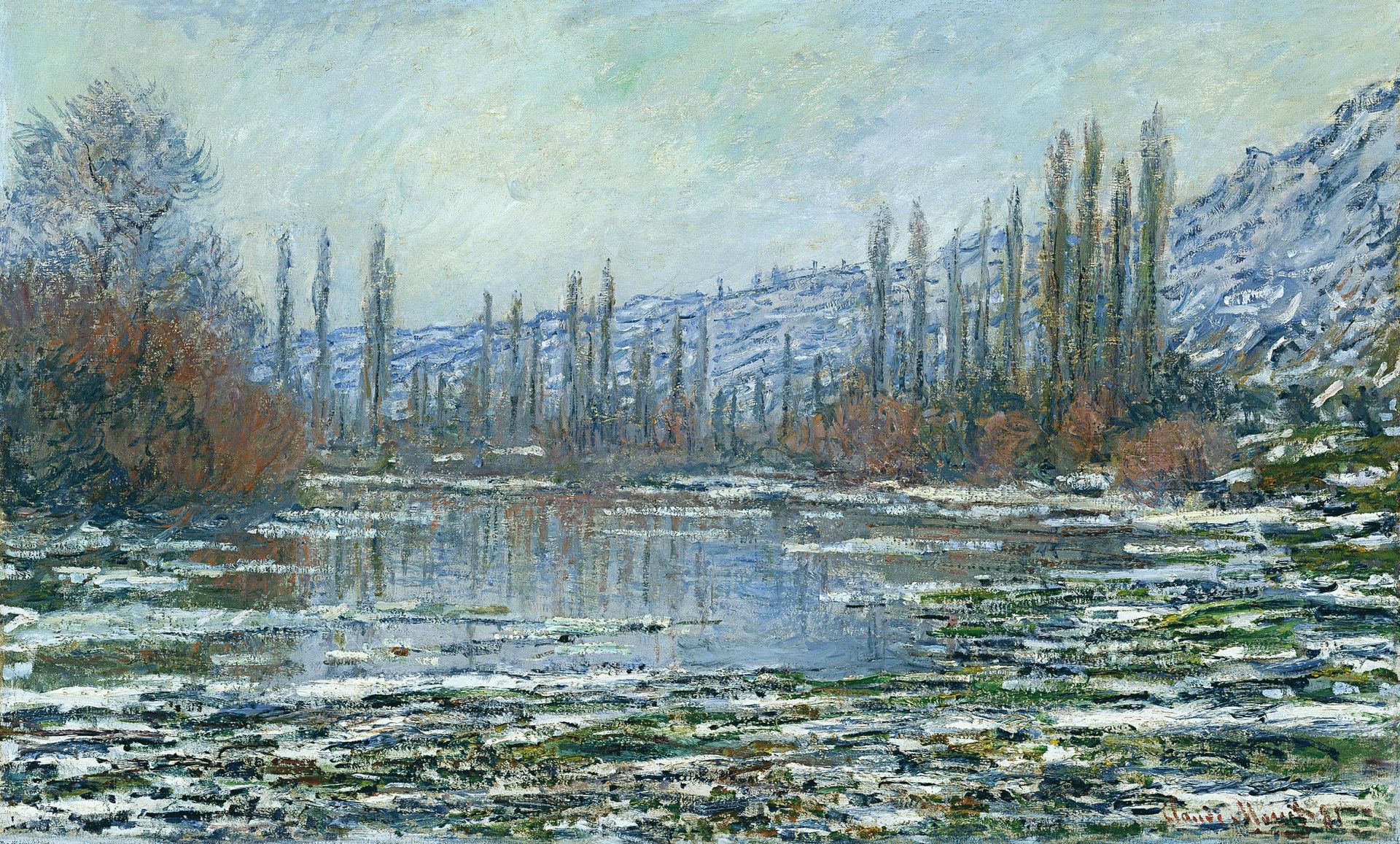
Claude Monet created this oil painting, *The Thaw at Vetheuil*, in France during a period of significant social and economic change. As industrialization progressed, the French countryside became a site of both nostalgia and transformation. Here, Monet captures the fleeting moment when winter's grip loosens, and the promise of spring emerges. The melting ice can be seen to represent the shift from the old to the new. The town of Vetheuil itself, though not clearly visible, was experiencing its own changes as rural communities adapted to modern life. Monet, like many artists of his time, was interested in capturing the effects of light and atmosphere, but his choice of subject matter also reflects a broader cultural fascination with the natural world and its relationship to human society. To fully understand this work, we can consult historical records, social histories, and art criticism from the time. These resources help us appreciate the complex interplay between art, society, and the institutions that shape our understanding of both.
The Thaw at Vetheuil 1881

Claude Monet
1840 - 1926Location
Thyssen-Bornemisza Museum, Madrid, SpainArtwork details
- Medium
- painting, plein-air, oil-paint
- Location
- Thyssen-Bornemisza Museum, Madrid, Spain
- Copyright
- Public domain
Tags
impressionist
painting
impressionism
plein-air
oil-paint
landscape
river
impressionist landscape
modernism
Comments
No comments
About this artwork
Claude Monet created this oil painting, *The Thaw at Vetheuil*, in France during a period of significant social and economic change. As industrialization progressed, the French countryside became a site of both nostalgia and transformation. Here, Monet captures the fleeting moment when winter's grip loosens, and the promise of spring emerges. The melting ice can be seen to represent the shift from the old to the new. The town of Vetheuil itself, though not clearly visible, was experiencing its own changes as rural communities adapted to modern life. Monet, like many artists of his time, was interested in capturing the effects of light and atmosphere, but his choice of subject matter also reflects a broader cultural fascination with the natural world and its relationship to human society. To fully understand this work, we can consult historical records, social histories, and art criticism from the time. These resources help us appreciate the complex interplay between art, society, and the institutions that shape our understanding of both.
Comments
No comments