About this artwork
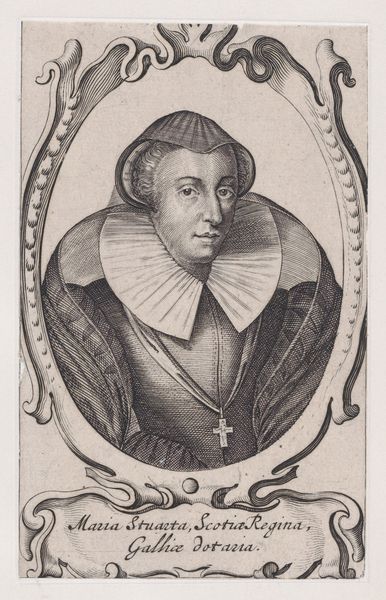
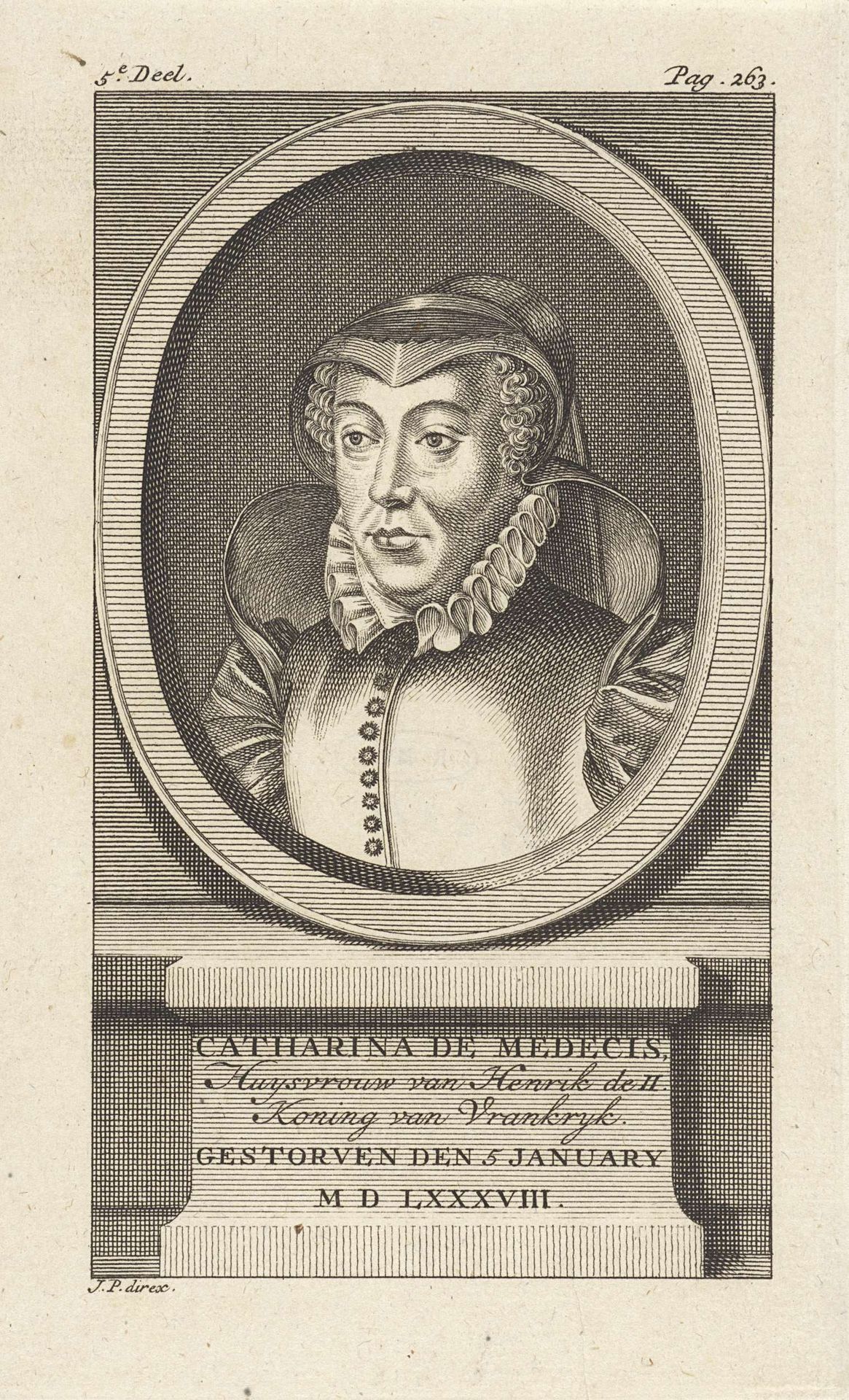
Jan Punt created this print of Catharina de' Medici, Queen of France. As a woman in a powerful position, Catharina faced many challenges in a patriarchal society. She navigated the complexities of court politics and religious conflicts during a turbulent time in French history. As an Italian, she had to establish herself as a respected figure in the French court, which was no doubt a challenge. Portraits of powerful figures like Catharina often served as tools for constructing and reinforcing particular images, whether to project authority, beauty, or piety. In this image, Catharina is depicted as a regal and composed figure, emphasizing her status as Queen of France. The portrait provides a glimpse into the ways in which gender, power, and identity were negotiated and represented in early modern Europe. It reminds us of the complexities and challenges faced by women in positions of authority, and it prompts us to reflect on the ways in which historical figures are remembered and portrayed.
Portret van Catharina de' Medici, koningin van Frankrijk
1752

Jan Punt
1711 - 1779Location
RijksmuseumArtwork details
- Medium
- print, engraving
- Dimensions
- height 186 mm, width 114 mm
- Location
- Rijksmuseum
- Copyright
- Rijks Museum: Open Domain
Tags
Comments
Share your thoughts
About this artwork
Jan Punt created this print of Catharina de' Medici, Queen of France. As a woman in a powerful position, Catharina faced many challenges in a patriarchal society. She navigated the complexities of court politics and religious conflicts during a turbulent time in French history. As an Italian, she had to establish herself as a respected figure in the French court, which was no doubt a challenge. Portraits of powerful figures like Catharina often served as tools for constructing and reinforcing particular images, whether to project authority, beauty, or piety. In this image, Catharina is depicted as a regal and composed figure, emphasizing her status as Queen of France. The portrait provides a glimpse into the ways in which gender, power, and identity were negotiated and represented in early modern Europe. It reminds us of the complexities and challenges faced by women in positions of authority, and it prompts us to reflect on the ways in which historical figures are remembered and portrayed.
Comments
Share your thoughts