1716 - 1761
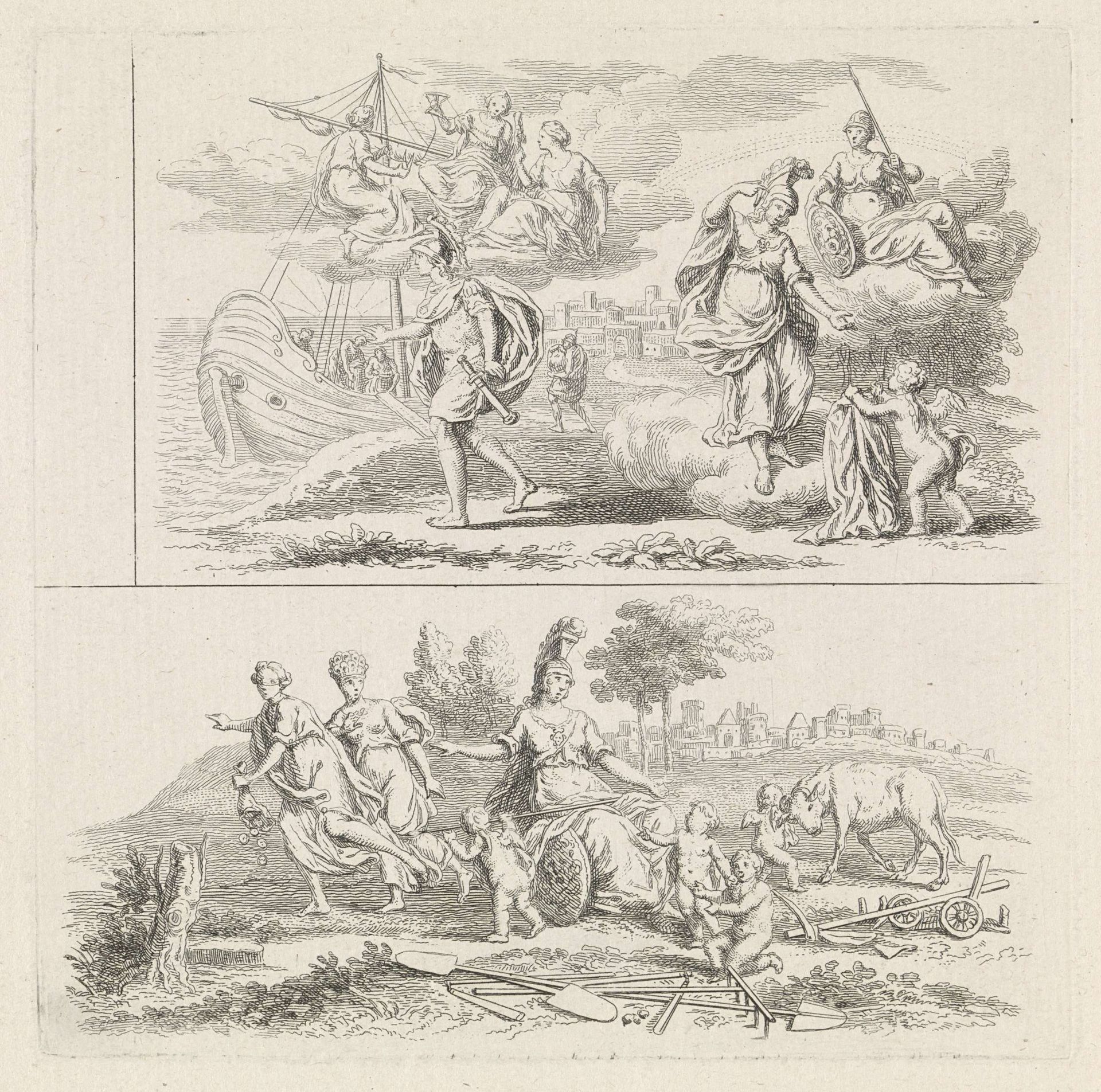
Twee voorstellingen met Minerva

Pieter Tanjé
1706 - 1761Location
RijksmuseumListen to curator's interpretation
Curatorial notes
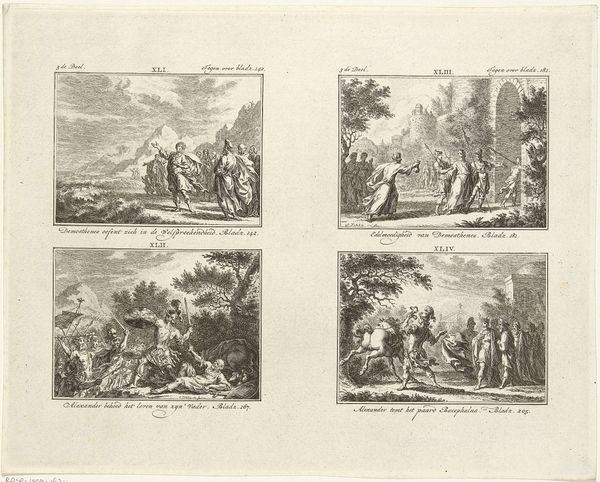
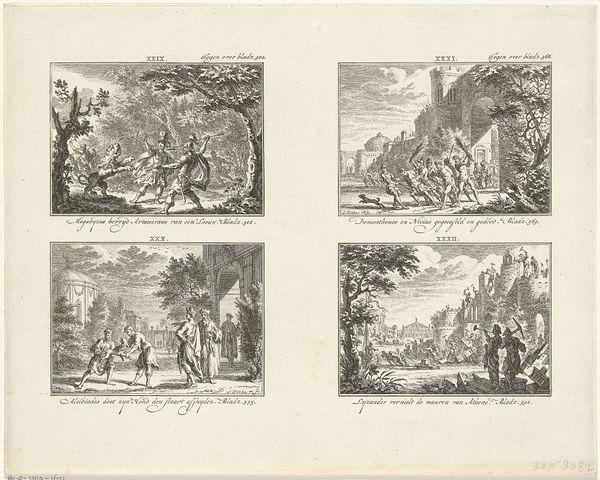
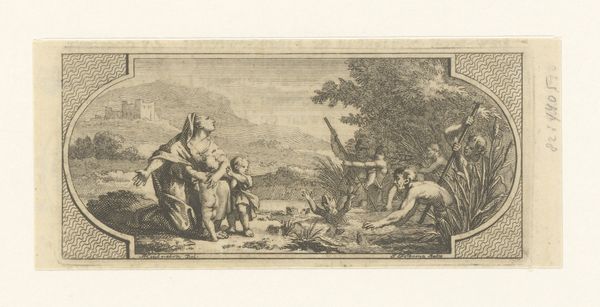
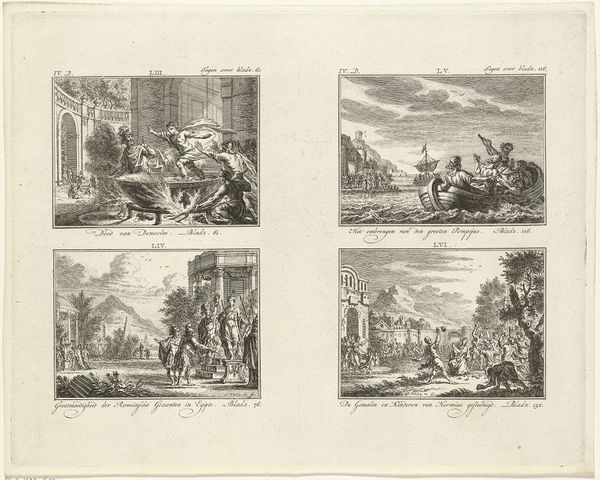
These two scenes with Minerva were engraved by Pieter Tanjé, sometime in the mid-18th century. They’re a great example of how the labor-intensive process of printmaking can give rise to complex allegorical meanings. Engraving involves using a tool called a burin to carve lines directly into a metal plate, which is then inked and printed. The precision and control required take years of practice to master, a real skill. Look closely, and you’ll see the careful hatching and cross-hatching that gives the image its tonality. In the top panel, Minerva guides a ship, while in the lower one, she’s surrounded by symbols of peace and prosperity. Tanjé’s skill brings these classical allusions to life. But it’s the labor involved that really resonates. Each line represents a conscious decision, a physical act of carving. So, when we look at this print, we’re not just seeing a mythological scene, we’re also witnessing the culmination of hours, days, perhaps even weeks of skilled labor. The craft is what makes it meaningful.