About this artwork
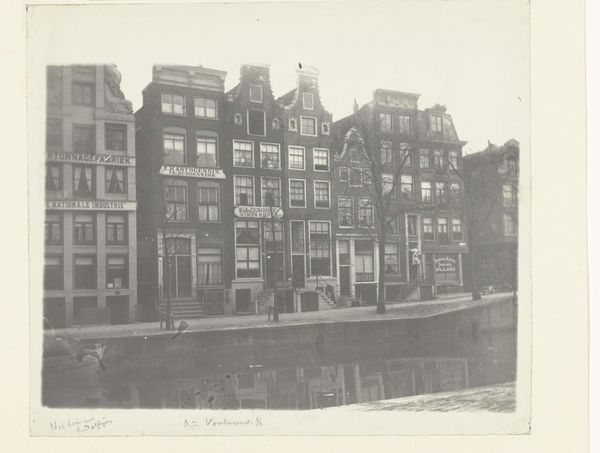
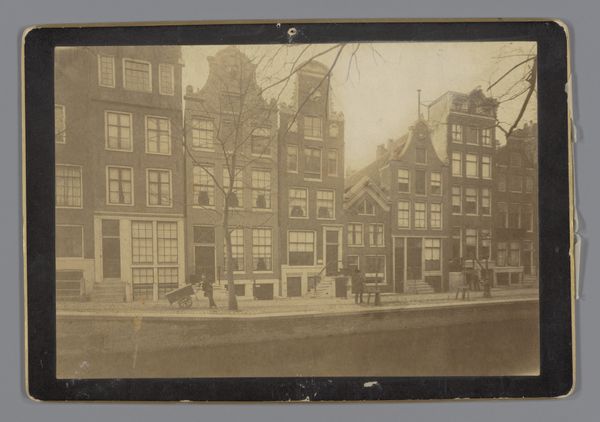
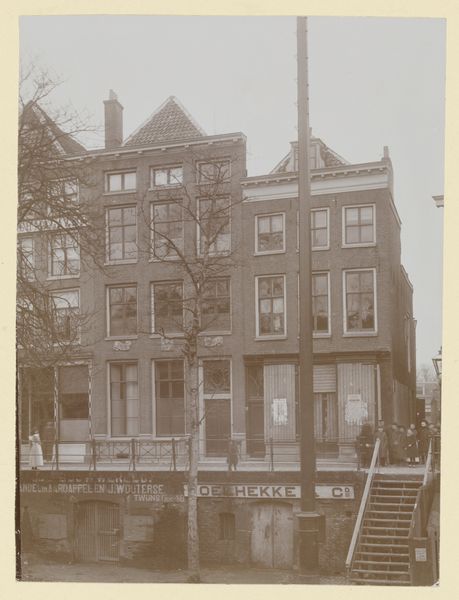
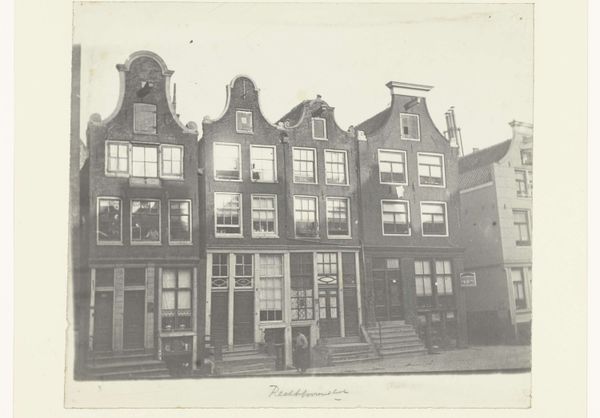
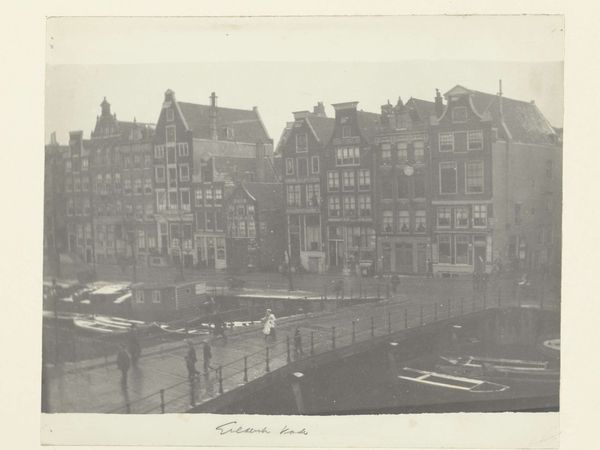
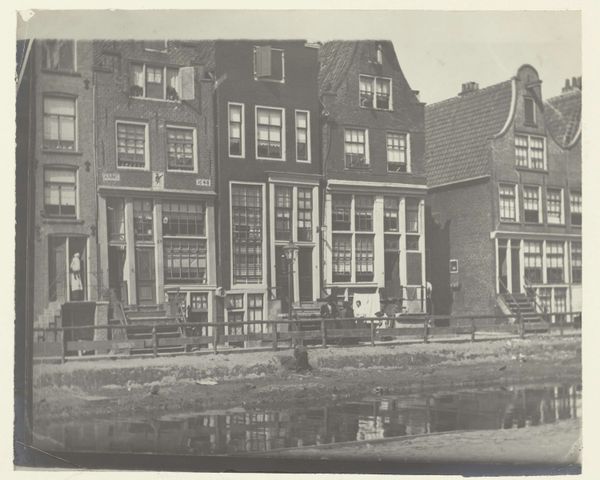
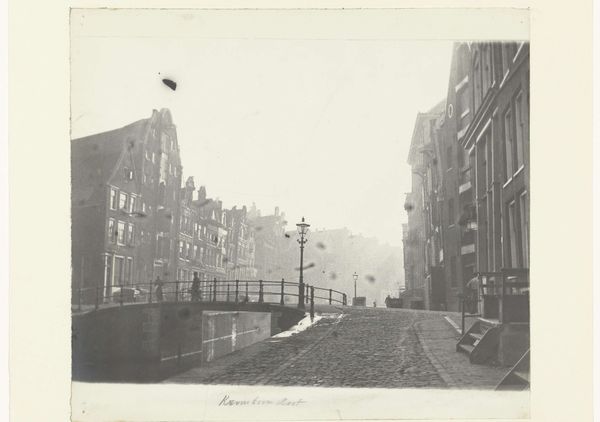
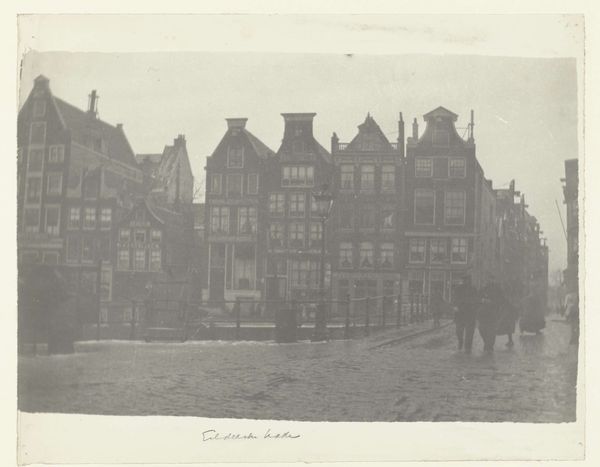
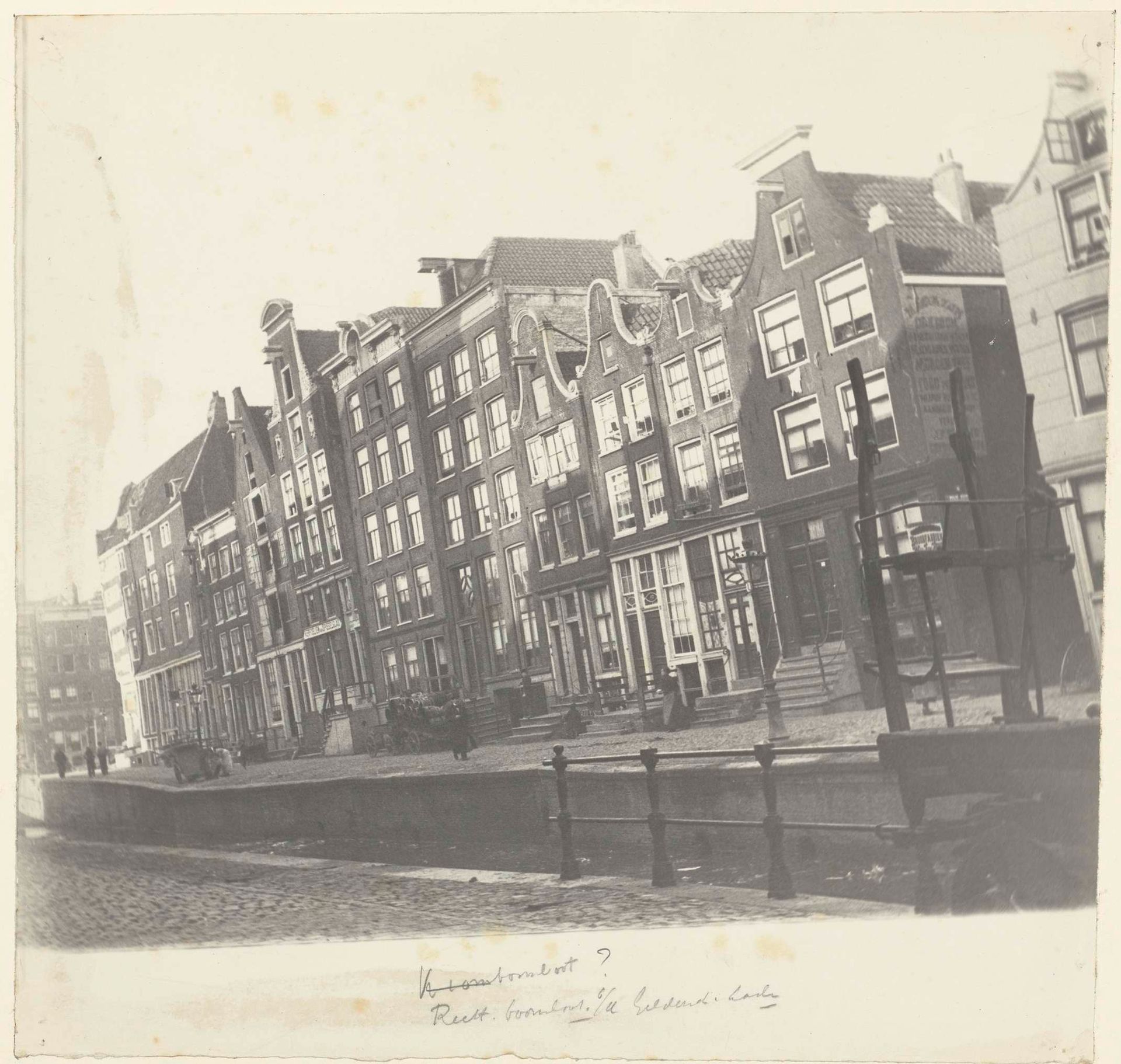
This photograph of Rechtboomsloot by George Hendrik Breitner was made in Amsterdam in the late 19th century. The image depicts a canal lined with tall, narrow houses typical of the city's architecture. Breitner was interested in capturing everyday life in Amsterdam, rather than idealised or picturesque scenes. The photograph’s composition reflects this, with its slightly tilted perspective. It reminds me of Japanese prints, in which realism takes second place to an aesthetic arrangement of dark and light shapes. Amsterdam, at the time, was a rapidly changing city, grappling with industrialization, and, as a result, growing social inequality. Historical archives, newspapers, and city planning documents of the time provide valuable insights into the social context in which Breitner was working. Photographs like this invite us to consider the role of art in documenting and interpreting social change. And to ask what it means to participate in it.
Gezicht op de Rechtboomsloot bij de Geldersekade in Amsterdam
1886 - 1910

George Hendrik Breitner
1857 - 1923Location
RijksmuseumArtwork details
- Dimensions
- height 319 mm, width 328 mm
- Location
- Rijksmuseum
- Copyright
- Rijks Museum: Open Domain
Comments
Share your thoughts
About this artwork
This photograph of Rechtboomsloot by George Hendrik Breitner was made in Amsterdam in the late 19th century. The image depicts a canal lined with tall, narrow houses typical of the city's architecture. Breitner was interested in capturing everyday life in Amsterdam, rather than idealised or picturesque scenes. The photograph’s composition reflects this, with its slightly tilted perspective. It reminds me of Japanese prints, in which realism takes second place to an aesthetic arrangement of dark and light shapes. Amsterdam, at the time, was a rapidly changing city, grappling with industrialization, and, as a result, growing social inequality. Historical archives, newspapers, and city planning documents of the time provide valuable insights into the social context in which Breitner was working. Photographs like this invite us to consider the role of art in documenting and interpreting social change. And to ask what it means to participate in it.
Comments
Share your thoughts