About this artwork
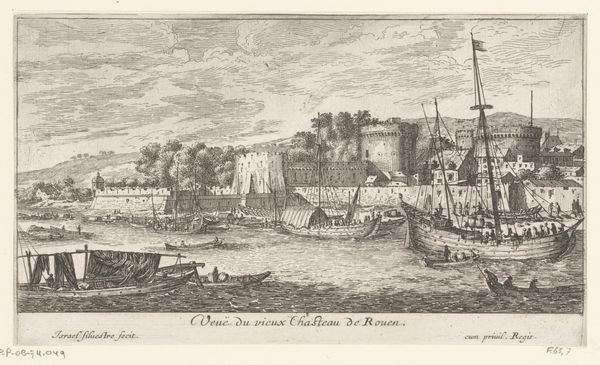
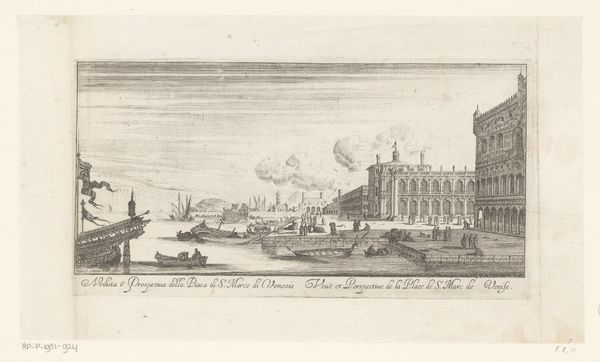
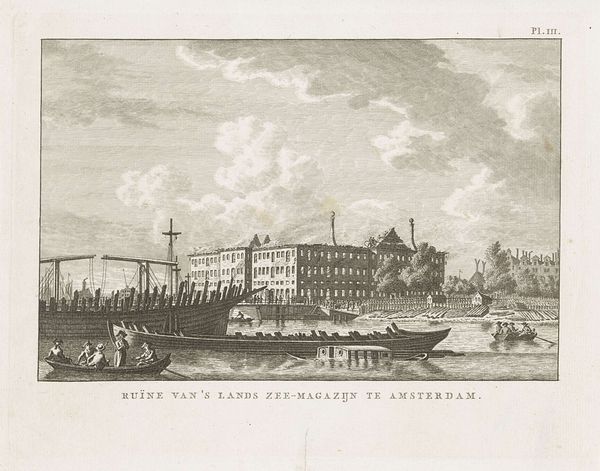
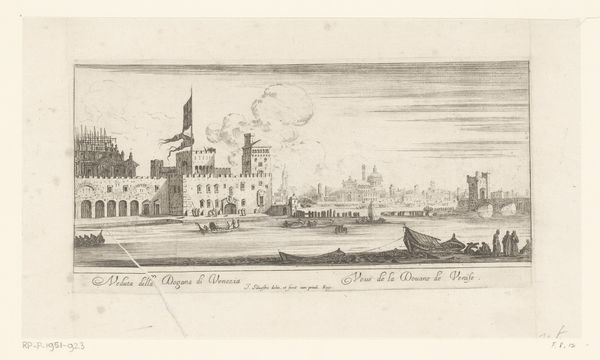
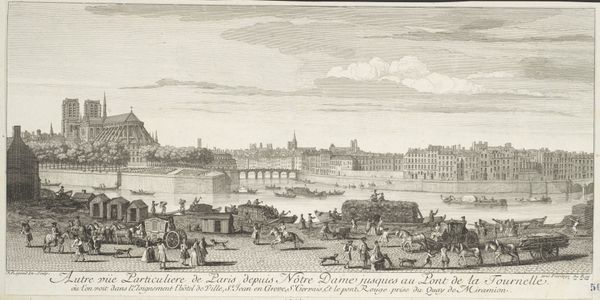
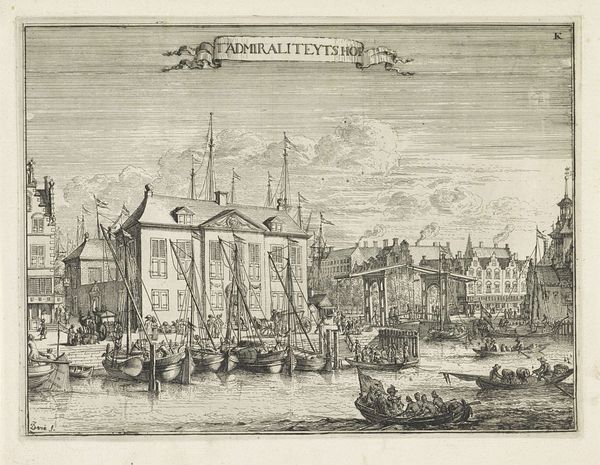
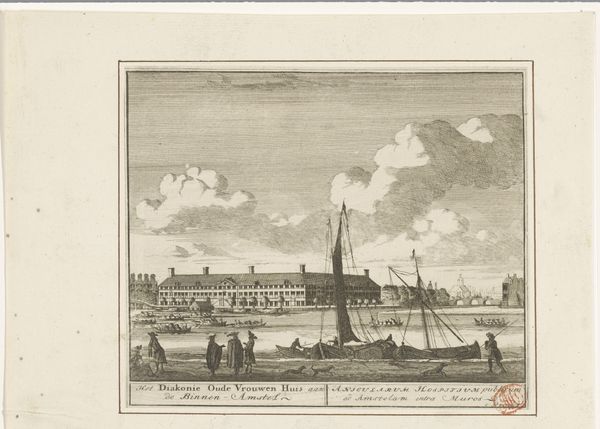
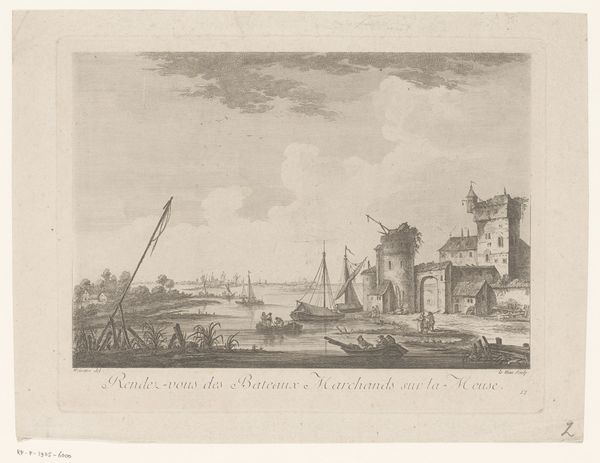
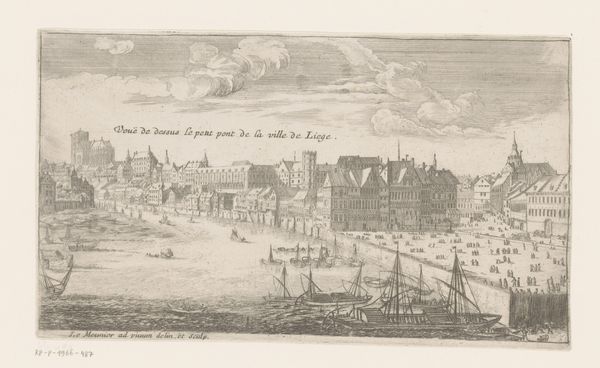
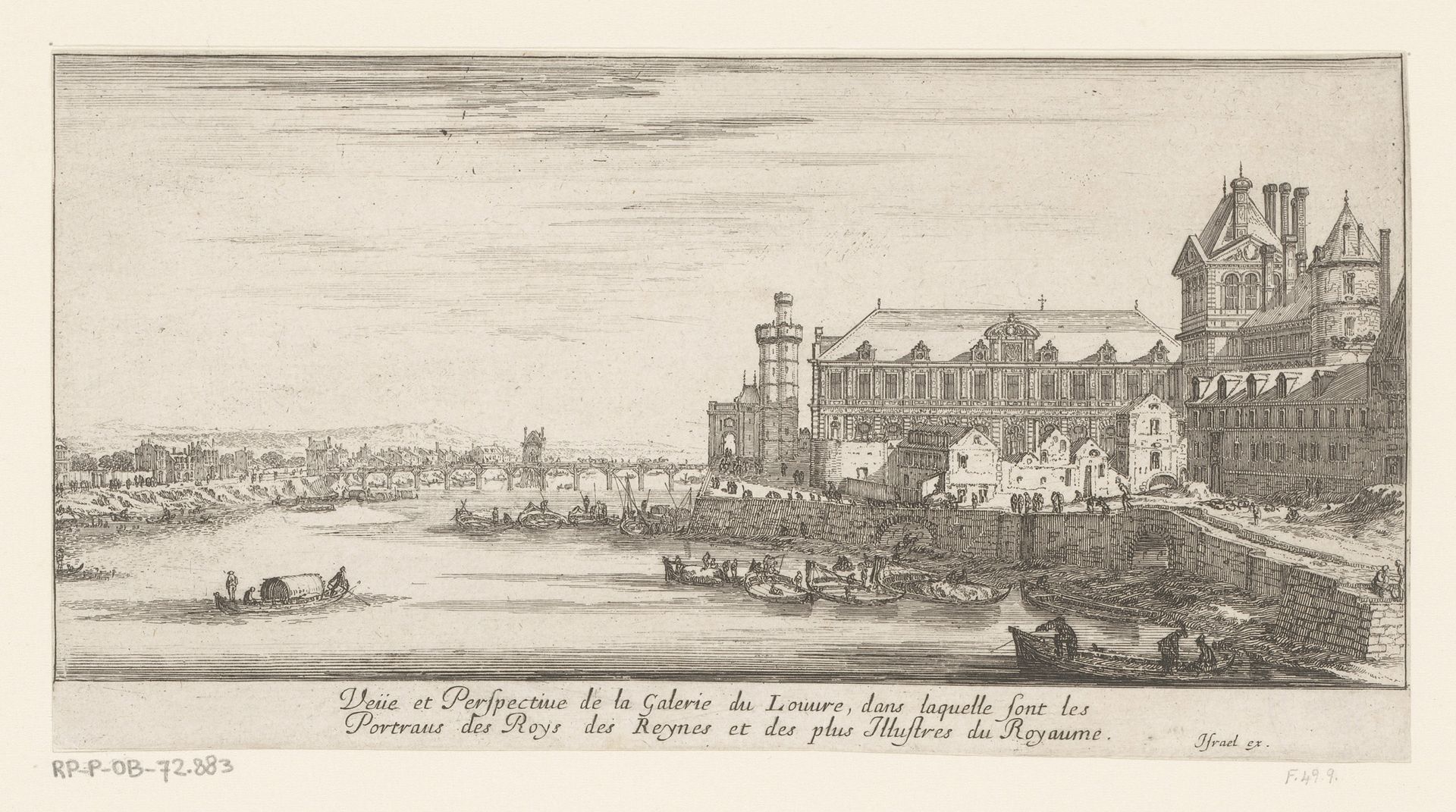
This etching, "View of the Louvre," was made by Israel Silvestre in France sometime in the 17th century. Silvestre was a draughtsman and printmaker who specialized in topographical views, often of royal properties and grand houses. Here, the Louvre is depicted not as a monument in isolation, but as a feature of Parisian urban life. The river is busy with small boats, and the opposite bank is crowded with buildings and people. This was the France of Louis XIV, the Sun King, and the Louvre was a symbol of royal power and prestige. Silvestre’s print makes it clear that the palace was also part of the everyday life of the city. The Louvre was more than just a building; it was an institution, shaping French society and culture. To understand this image better, we can look at architectural plans of the Louvre and other royal buildings. These resources help us to understand the social and institutional contexts that shaped Silvestre's work, and how art was then, as now, always contingent on its social moment.

Artwork details
- Medium
- drawing, print, etching
- Dimensions
- height 124 mm, width 237 mm
- Location
- Rijksmuseum
- Copyright
- Rijks Museum: Open Domain
Tags
drawing
baroque
etching
landscape
etching
Comments
Be the first to share your thoughts about this work.
About this artwork
This etching, "View of the Louvre," was made by Israel Silvestre in France sometime in the 17th century. Silvestre was a draughtsman and printmaker who specialized in topographical views, often of royal properties and grand houses. Here, the Louvre is depicted not as a monument in isolation, but as a feature of Parisian urban life. The river is busy with small boats, and the opposite bank is crowded with buildings and people. This was the France of Louis XIV, the Sun King, and the Louvre was a symbol of royal power and prestige. Silvestre’s print makes it clear that the palace was also part of the everyday life of the city. The Louvre was more than just a building; it was an institution, shaping French society and culture. To understand this image better, we can look at architectural plans of the Louvre and other royal buildings. These resources help us to understand the social and institutional contexts that shaped Silvestre's work, and how art was then, as now, always contingent on its social moment.
Comments
Be the first to share your thoughts about this work.