About this artwork
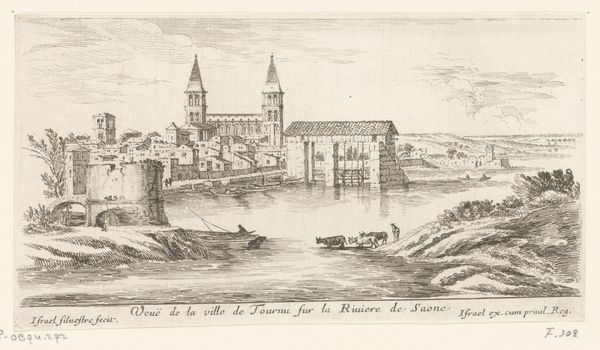
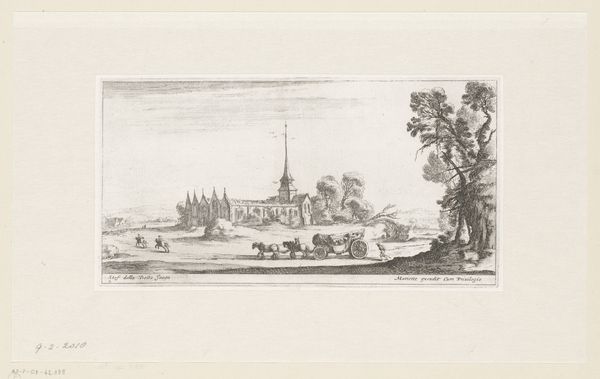
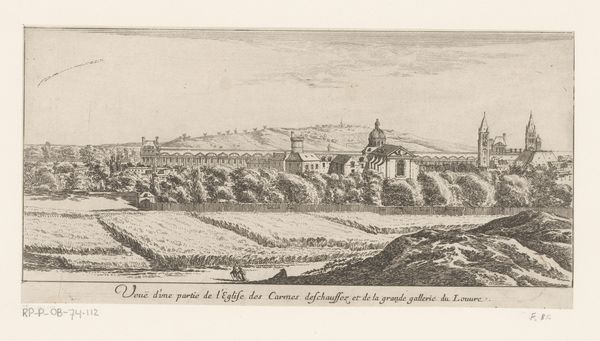
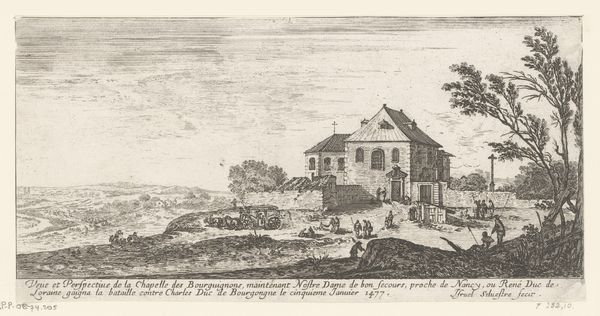
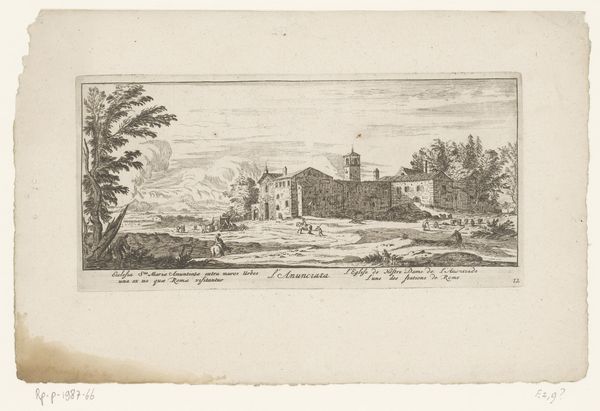
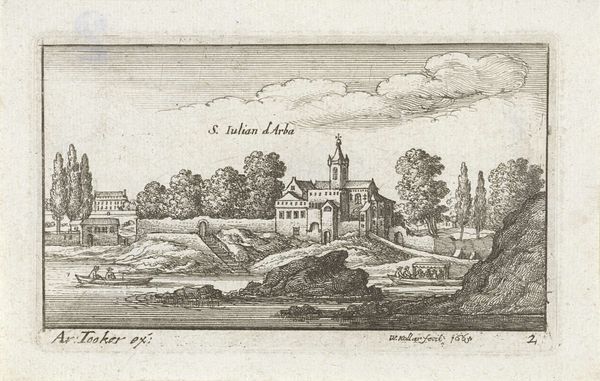
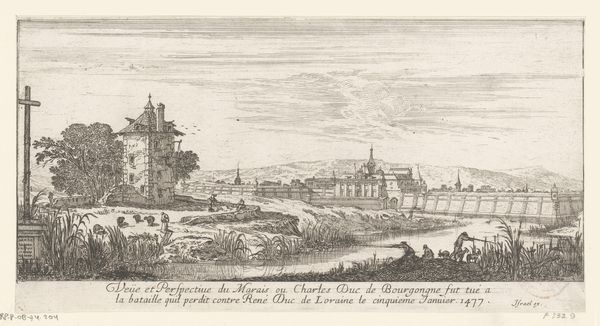
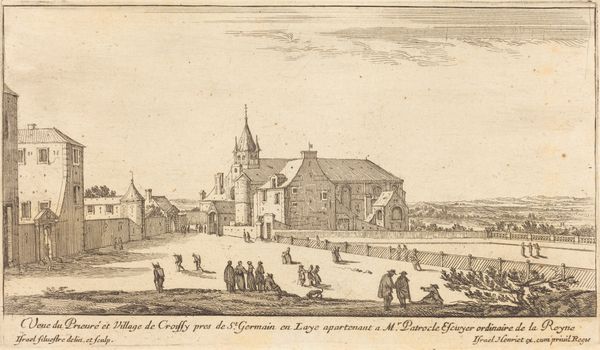
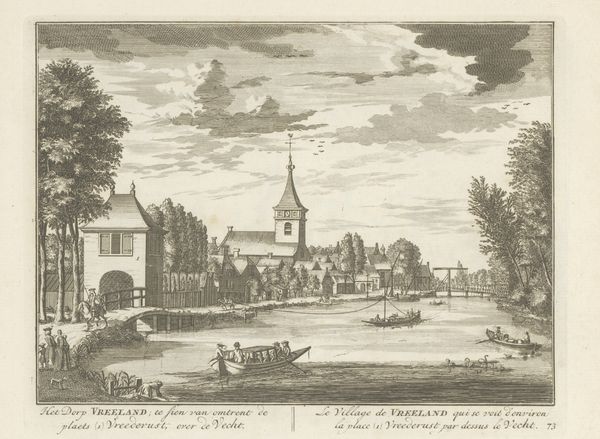
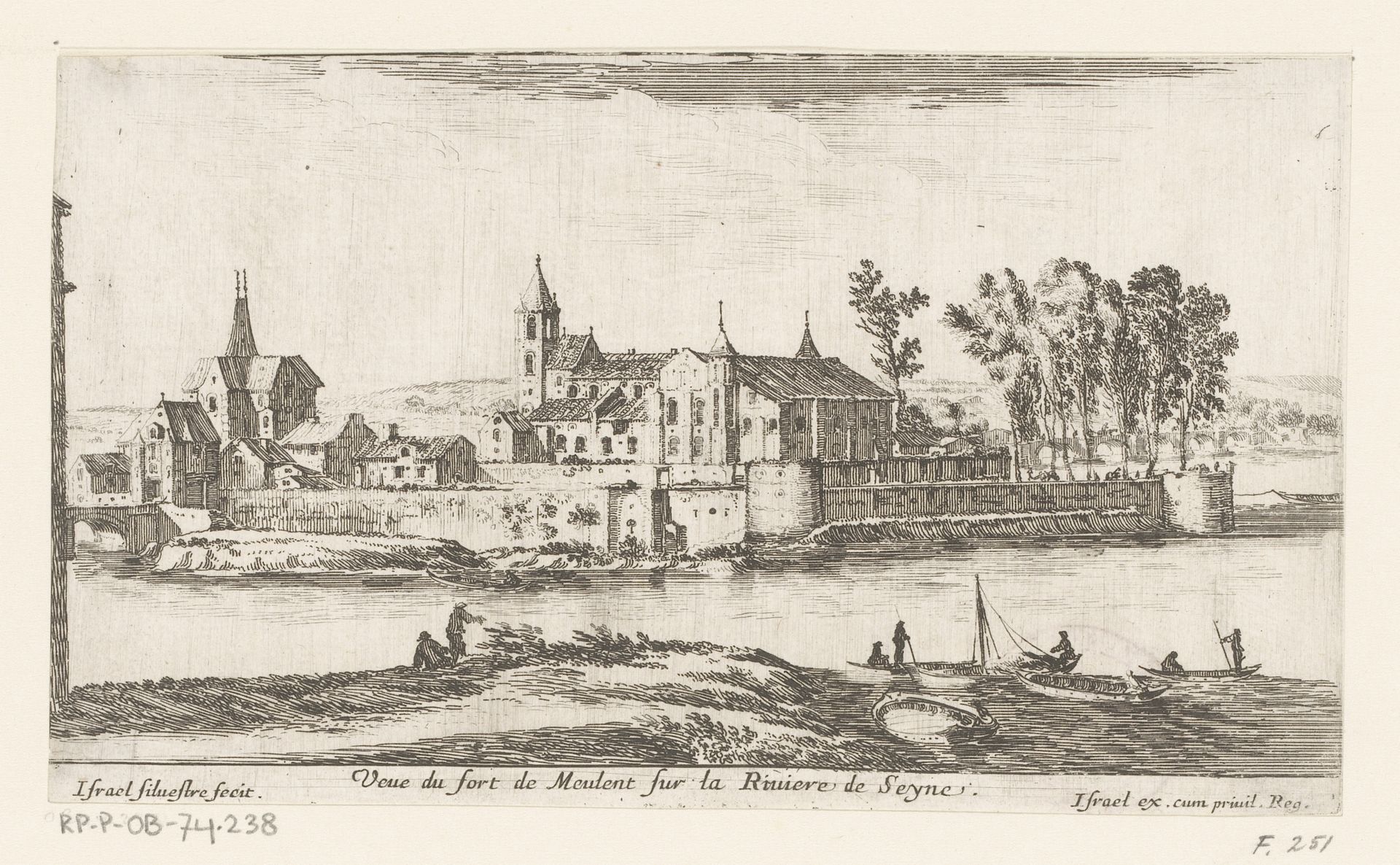
This print, "Gezicht op fort Meulan aan de Seine" was made by Israel Silvestre, likely in the mid-17th century. It is an etching, meaning that the image was created by drawing lines through a waxy ground on a metal plate, then bathing the plate in acid. The acid bites away the exposed metal, leaving recessed lines that hold ink. Look closely and you’ll notice the fineness of the lines, and the amount of work involved in achieving this level of detail. This method allowed Silvestre to create multiple impressions, meaning this image could be widely distributed. Prints like this one satisfy the growing appetite for views and landscapes, reflecting the increasing urbanization of the period. Though seemingly detached, the image is very much tied to economic production. The printmaking trade provided employment and fueled consumption, while also shaping perceptions of the world. It reminds us that even seemingly straightforward images can have a complex relationship to labor, politics, and capitalism.
Gezicht op fort Meulan aan de Seine 1631 - 1691

Israel Silvestre
1621 - 1691Location
RijksmuseumArtwork details
- Medium
- print, etching
- Dimensions
- height 104 mm, width 176 mm
- Location
- Rijksmuseum
- Copyright
- Rijks Museum: Open Domain
Tags
baroque
etching
landscape
cityscape
Comments
No comments
About this artwork
This print, "Gezicht op fort Meulan aan de Seine" was made by Israel Silvestre, likely in the mid-17th century. It is an etching, meaning that the image was created by drawing lines through a waxy ground on a metal plate, then bathing the plate in acid. The acid bites away the exposed metal, leaving recessed lines that hold ink. Look closely and you’ll notice the fineness of the lines, and the amount of work involved in achieving this level of detail. This method allowed Silvestre to create multiple impressions, meaning this image could be widely distributed. Prints like this one satisfy the growing appetite for views and landscapes, reflecting the increasing urbanization of the period. Though seemingly detached, the image is very much tied to economic production. The printmaking trade provided employment and fueled consumption, while also shaping perceptions of the world. It reminds us that even seemingly straightforward images can have a complex relationship to labor, politics, and capitalism.
Comments
No comments