About this artwork
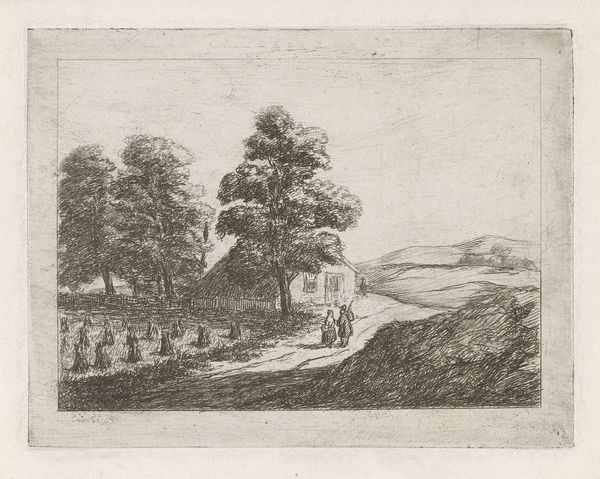
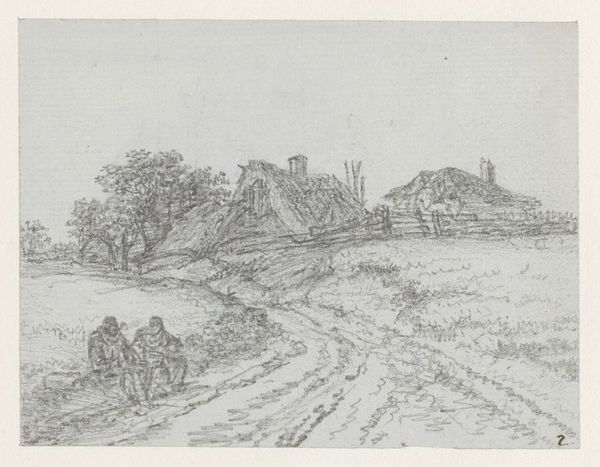
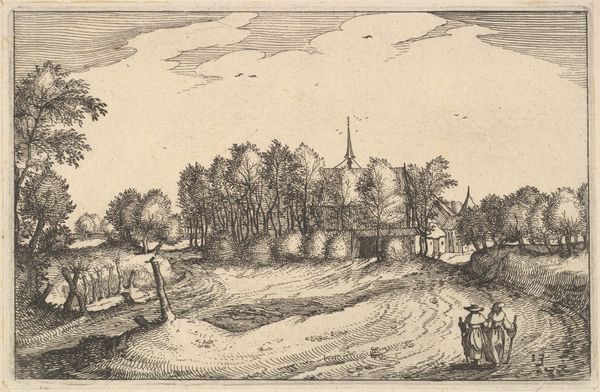
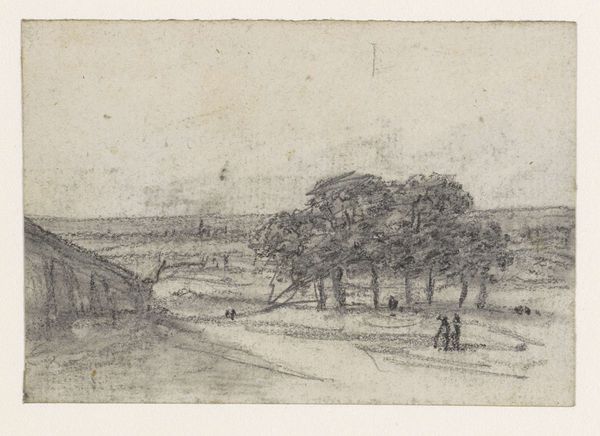
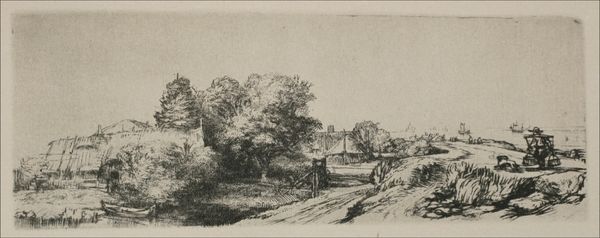
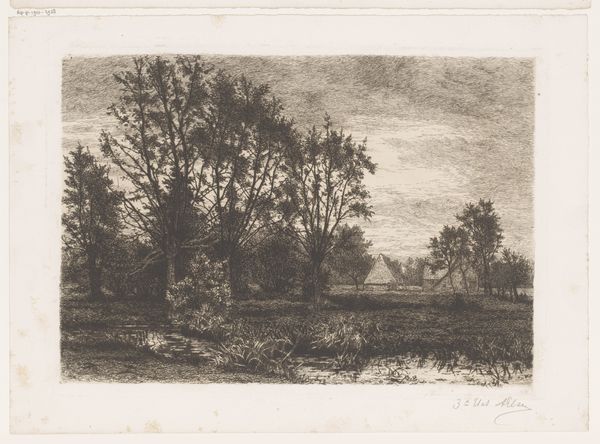
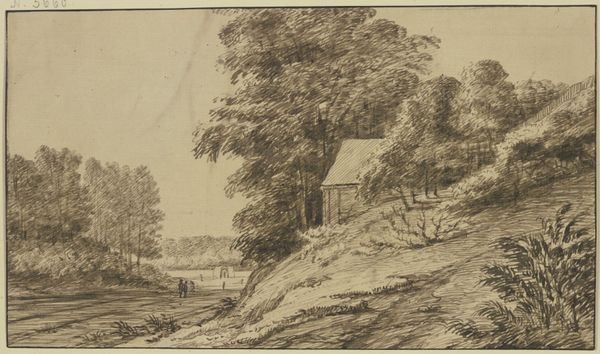
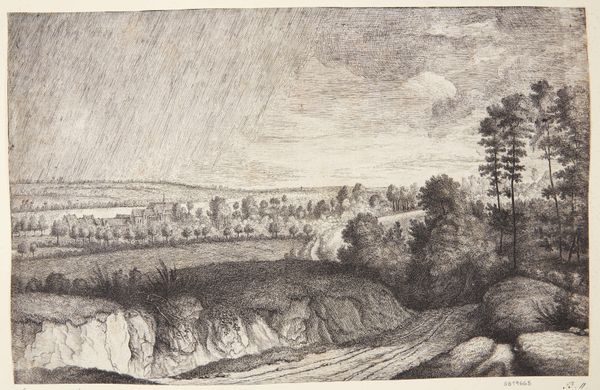
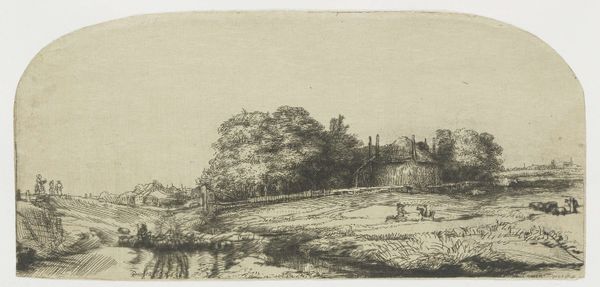
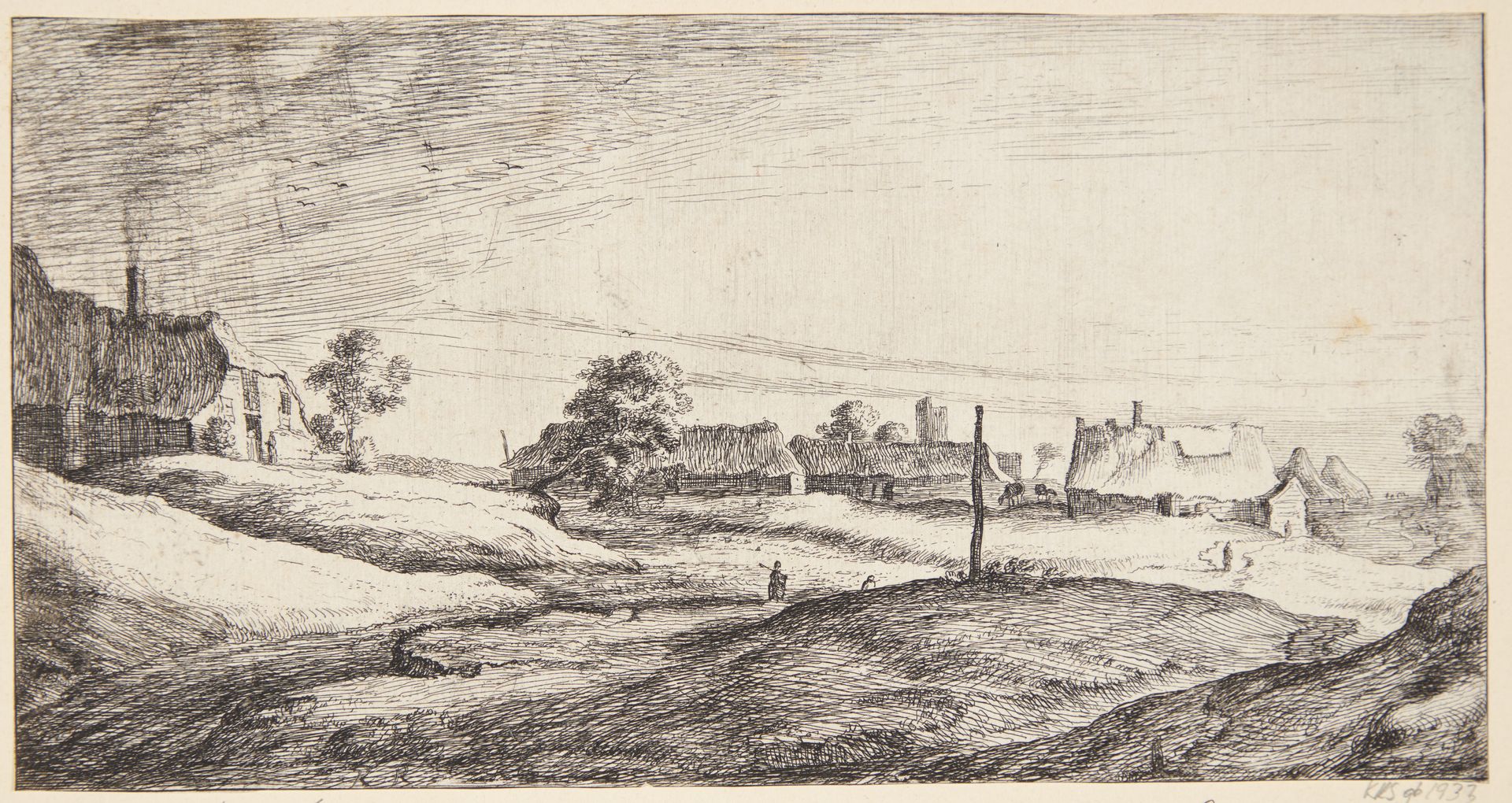
Geertruyt Roghman created this etching, "View Towards Muiderberg," in the mid-17th century. As a woman artist in the Dutch Golden Age, Roghman navigated a social landscape that often limited women's access to formal artistic training and recognition. This landscape depicts a rural scene with thatched-roof houses and figures in the distance. Roghman’s choice to depict everyday life, rather than traditional historical or mythological scenes, reflects the changing values of Dutch society at the time. The etching invites a dialogue between the realities of 17th-century Dutch life and the aesthetic conventions of landscape art. While the scene is rooted in the specific locale of Muiderberg, it transcends mere topography, offering a glimpse into the lives of its inhabitants. Ultimately, Roghman's work serves as a powerful reminder of the importance of diverse voices in shaping our understanding of art history. It invites us to consider the ways in which gender and social context influence artistic expression and reception.
Udsigt mod Muiderberg
1625 - 1657


Artwork details
- Medium
- print, etching
- Dimensions
- 115 mm (height) x 220 mm (width) (bladmaal)
- Location
- SMK - Statens Museum for Kunst
Tags
Comments
Share your thoughts
About this artwork
Geertruyt Roghman created this etching, "View Towards Muiderberg," in the mid-17th century. As a woman artist in the Dutch Golden Age, Roghman navigated a social landscape that often limited women's access to formal artistic training and recognition. This landscape depicts a rural scene with thatched-roof houses and figures in the distance. Roghman’s choice to depict everyday life, rather than traditional historical or mythological scenes, reflects the changing values of Dutch society at the time. The etching invites a dialogue between the realities of 17th-century Dutch life and the aesthetic conventions of landscape art. While the scene is rooted in the specific locale of Muiderberg, it transcends mere topography, offering a glimpse into the lives of its inhabitants. Ultimately, Roghman's work serves as a powerful reminder of the importance of diverse voices in shaping our understanding of art history. It invites us to consider the ways in which gender and social context influence artistic expression and reception.
Comments
Share your thoughts