About this artwork
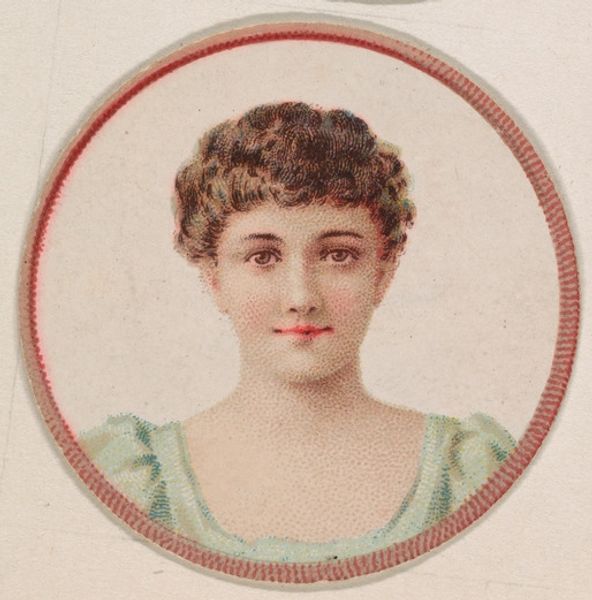
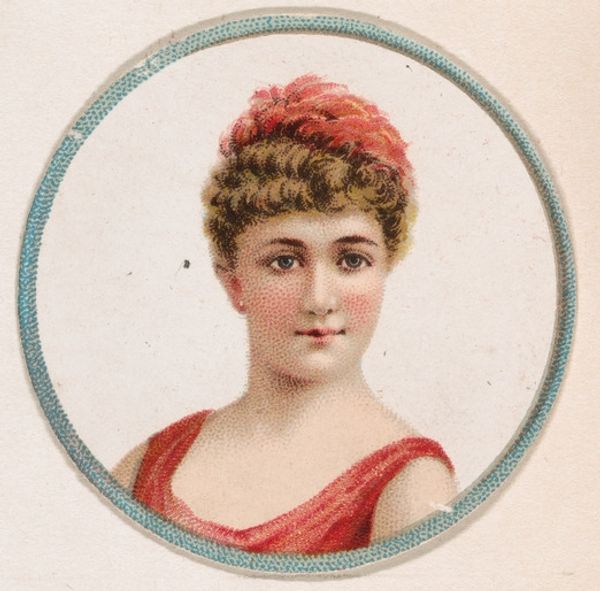
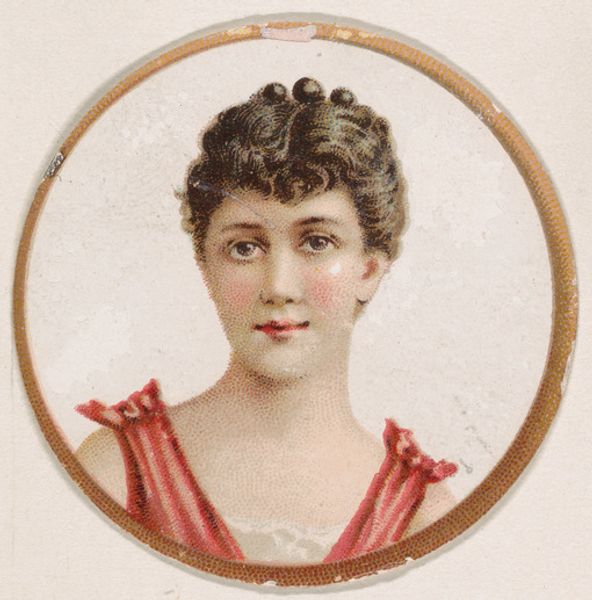
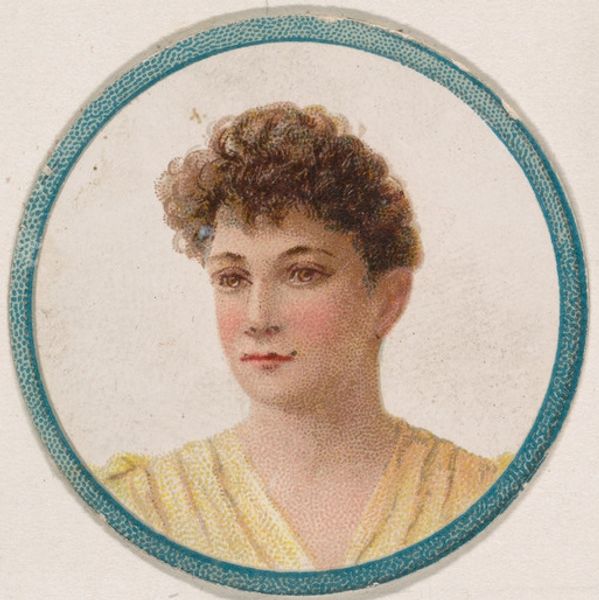
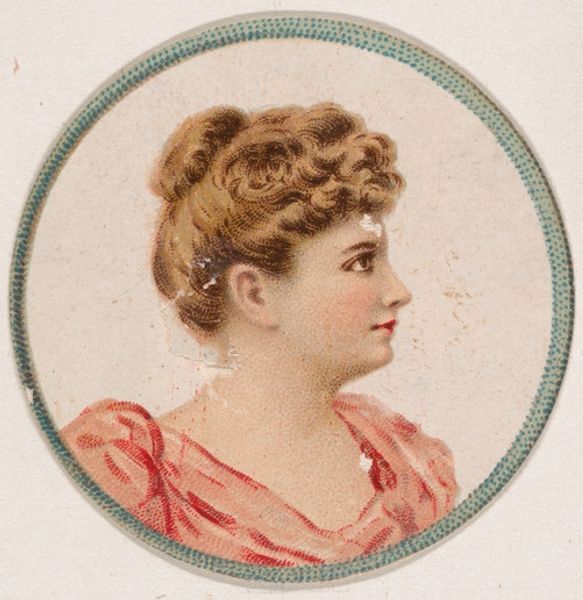
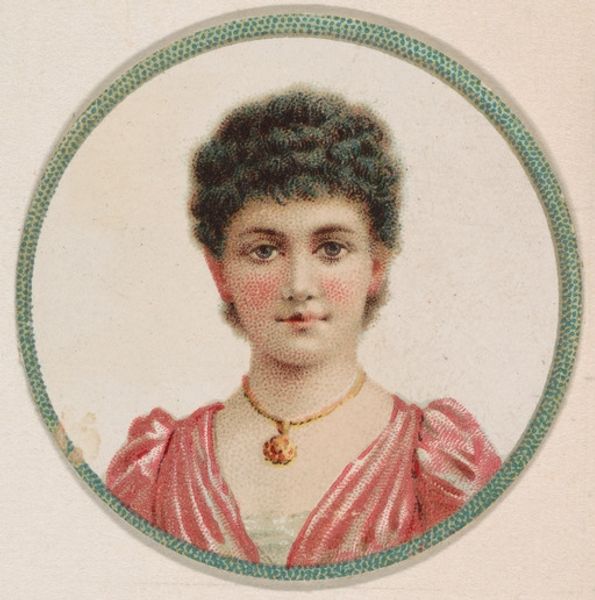
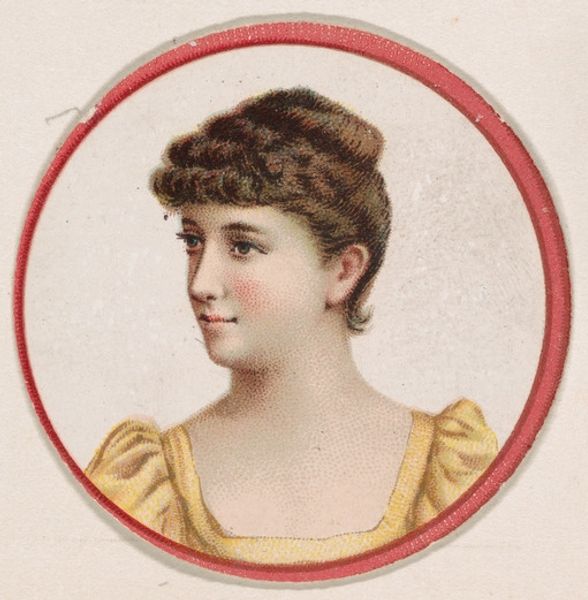
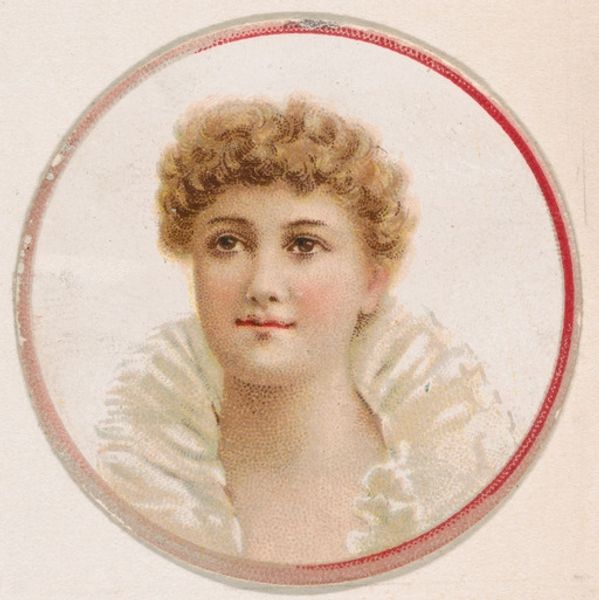
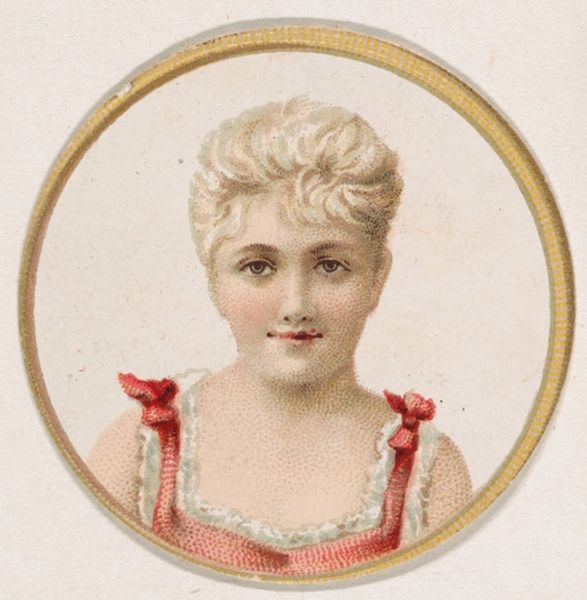
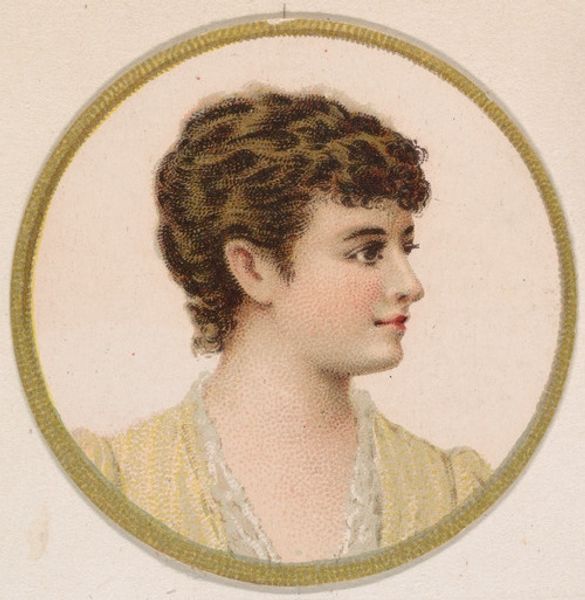
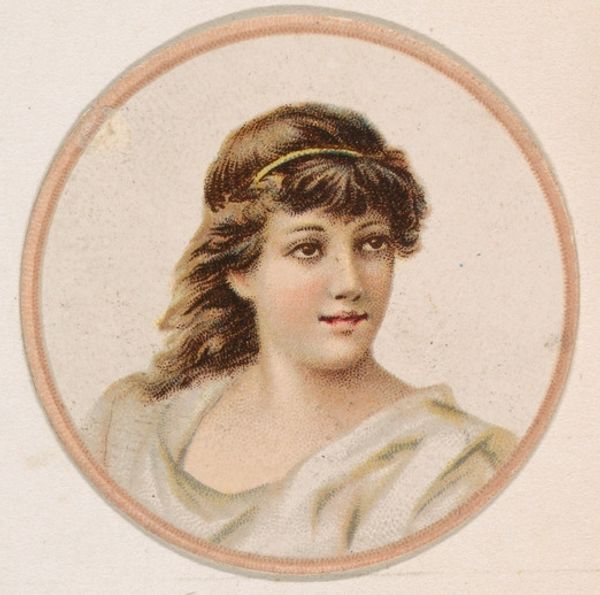
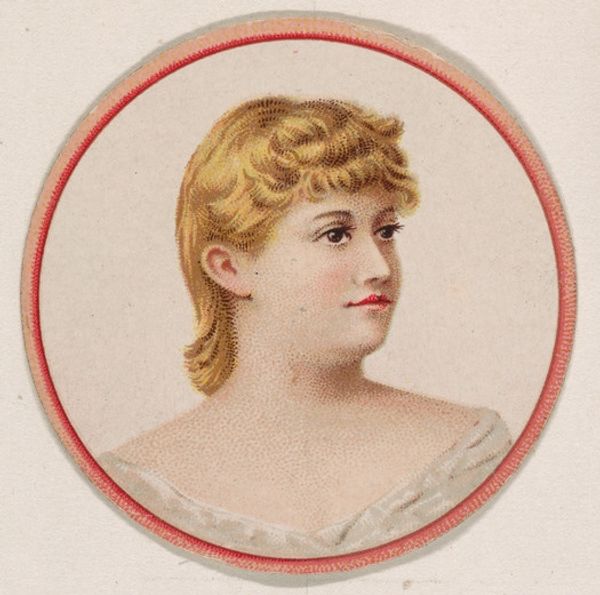
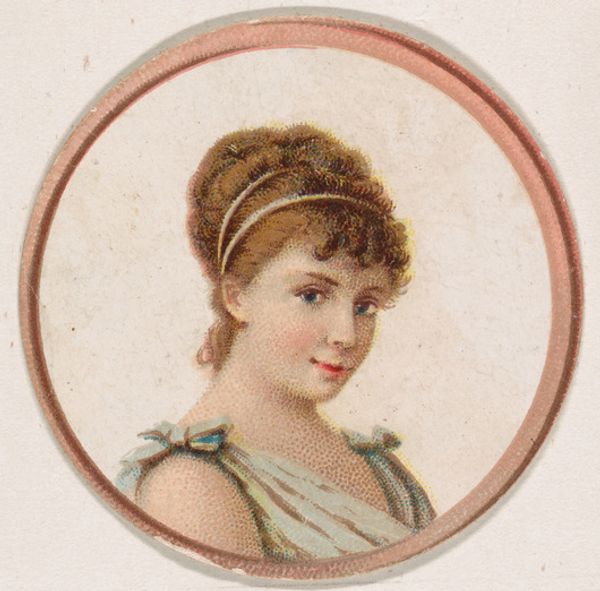
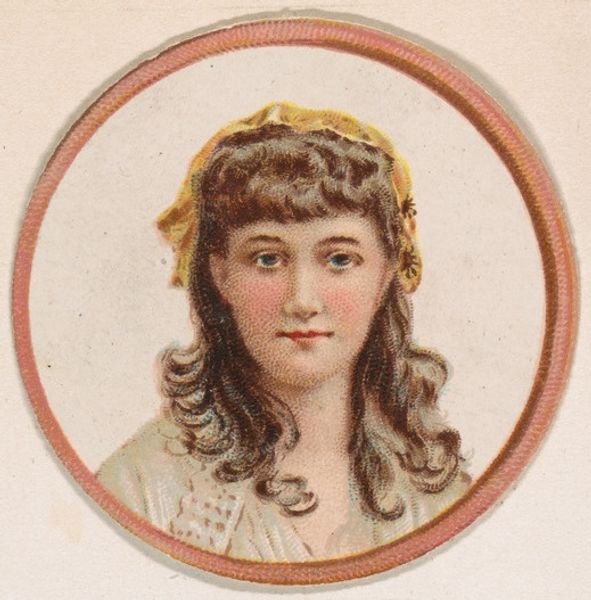
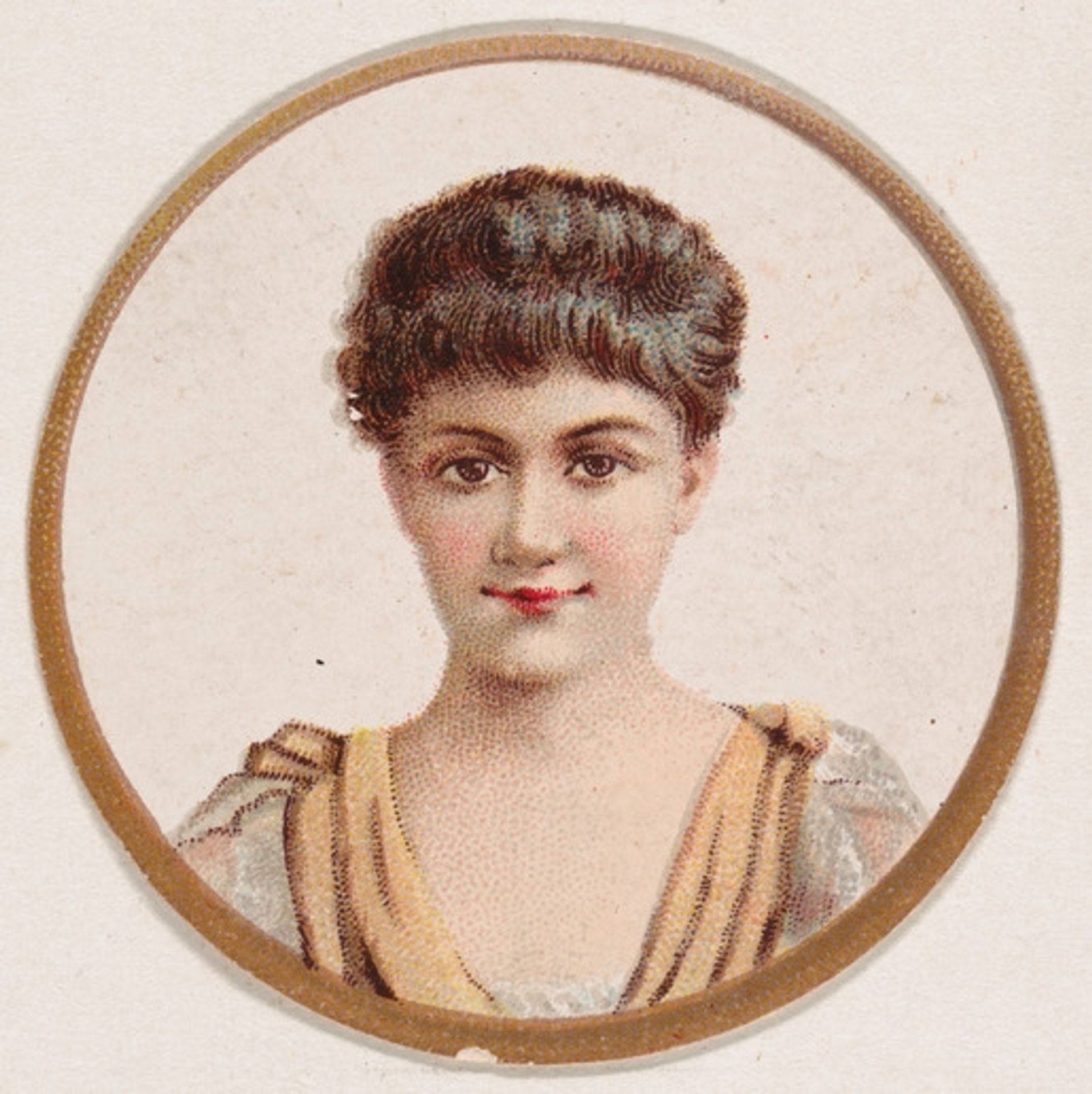
This small portrait of a woman comes from the Novelties series, created by Kinney Bros. Tobacco Company. These cards, issued around the late 19th century, served a dual purpose: to stiffen cigarette packs and to entice consumers with idealized images. This woman, with her fair skin, delicate features, and fashionable dress, embodies a particular vision of feminine beauty prevalent in that era. Yet, in another sense, she’s also a figure of mass consumption, reproduced and distributed widely as a marketing tool. Consider the complex social dynamics at play here. While these images offered a glimpse into a world of aspiration and perhaps even empowerment for some women, they also perpetuated narrow standards of beauty and reinforced the commodification of the female image. This tension between aspiration and objectification is palpable, inviting us to reflect on the intertwined roles of gender, commerce, and representation in shaping cultural ideals.
Portrait of woman, from the Novelties series (N228, Type 2) issued by Kinney Bros.
1889

Kinney Brothers Tobacco Company
1869 - 2011
The Metropolitan Museum of Art
Metropolitan Museum of Art, New York, NYArtwork details
- Medium
- drawing, print
- Dimensions
- Sheet (Round): 1 9/16 × 1 9/16 in. (4 × 4 cm)
- Location
- Metropolitan Museum of Art, New York, NY
- Copyright
- Public Domain
Tags
Comments
Share your thoughts
About this artwork
This small portrait of a woman comes from the Novelties series, created by Kinney Bros. Tobacco Company. These cards, issued around the late 19th century, served a dual purpose: to stiffen cigarette packs and to entice consumers with idealized images. This woman, with her fair skin, delicate features, and fashionable dress, embodies a particular vision of feminine beauty prevalent in that era. Yet, in another sense, she’s also a figure of mass consumption, reproduced and distributed widely as a marketing tool. Consider the complex social dynamics at play here. While these images offered a glimpse into a world of aspiration and perhaps even empowerment for some women, they also perpetuated narrow standards of beauty and reinforced the commodification of the female image. This tension between aspiration and objectification is palpable, inviting us to reflect on the intertwined roles of gender, commerce, and representation in shaping cultural ideals.
Comments
Share your thoughts