About this artwork
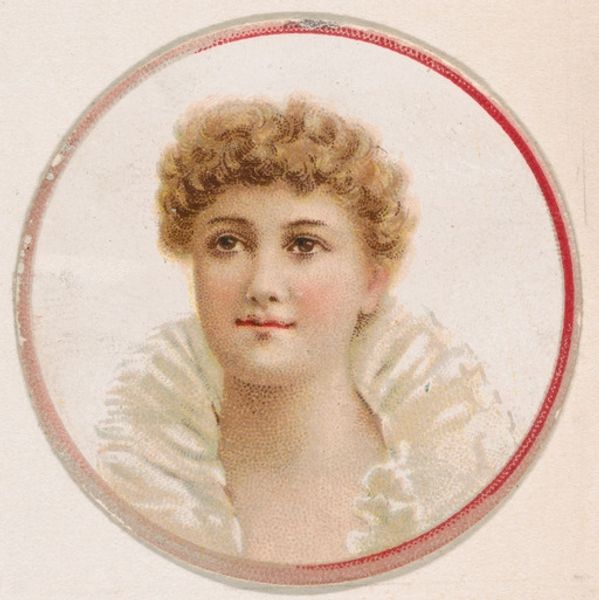
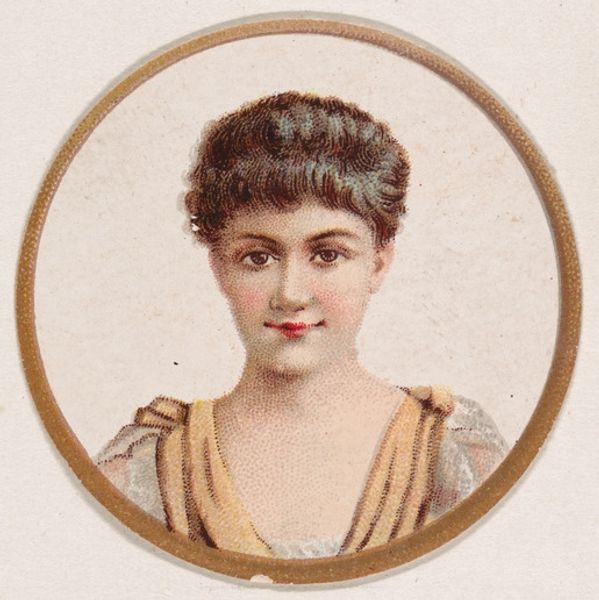
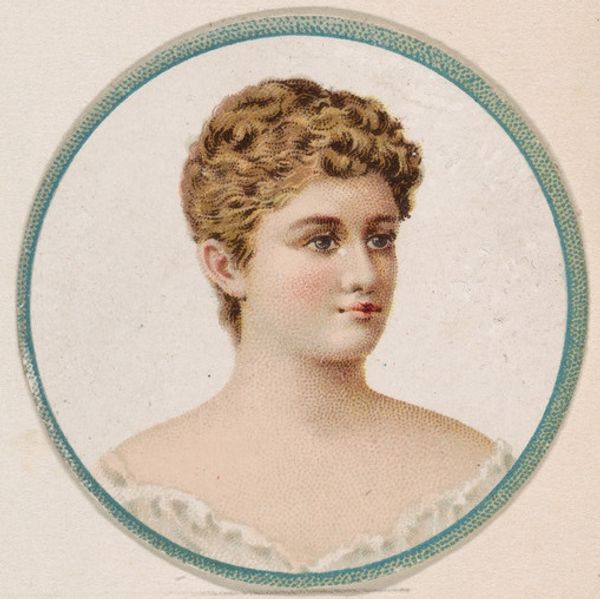
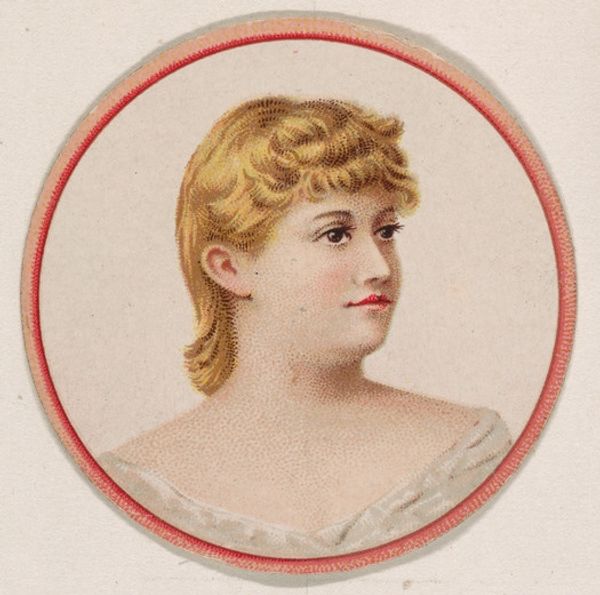
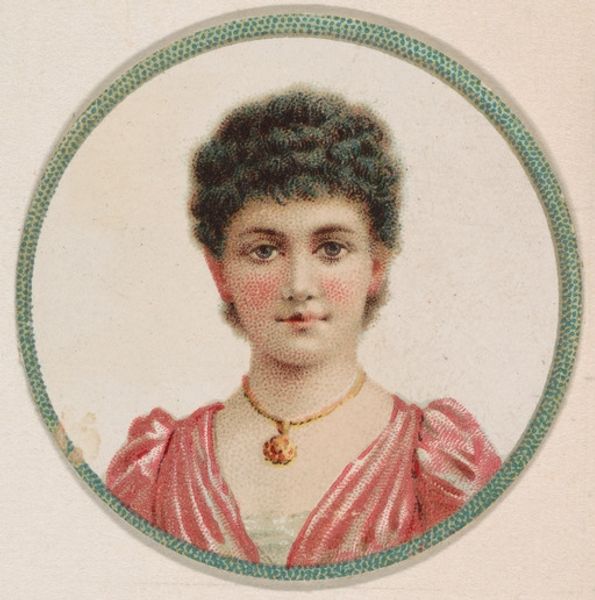
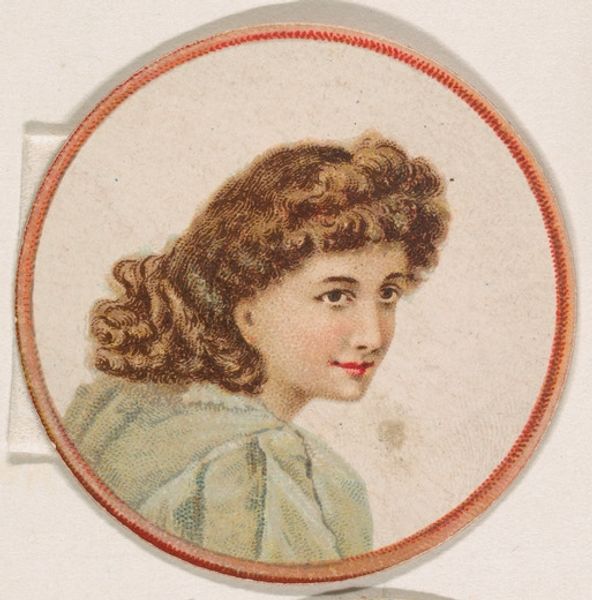
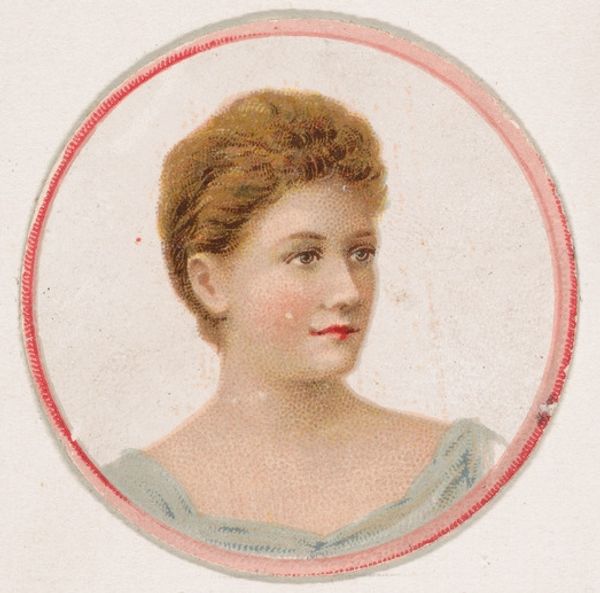
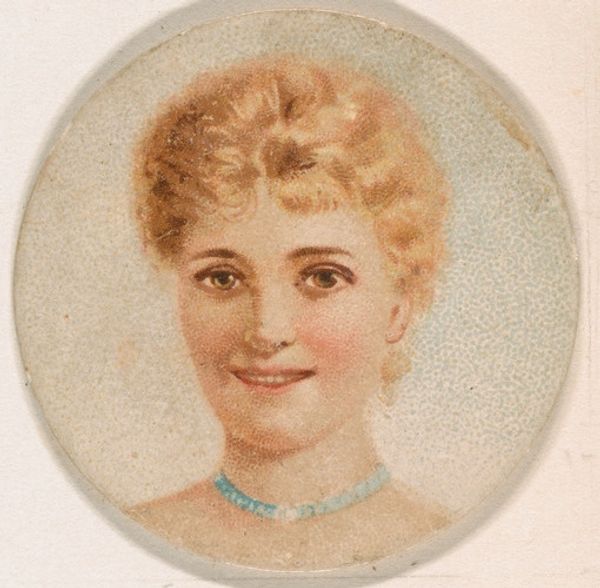
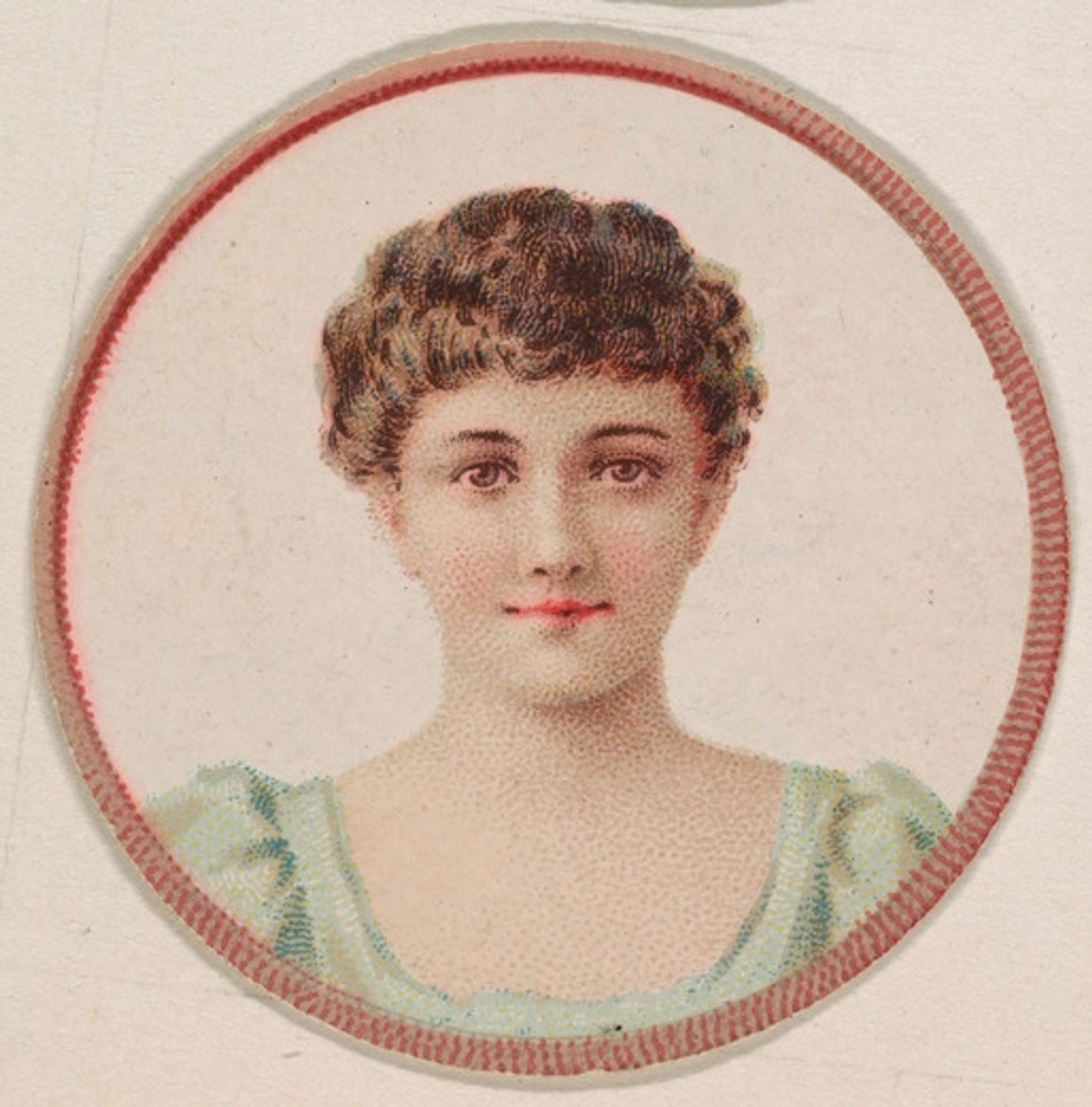
This small portrait of a woman, part of the Novelties series by Kinney Bros., captures a peculiar moment in the commodification of beauty. The young woman’s demure gaze and soft features are framed within a circle, a shape pregnant with symbolism—eternity, wholeness, and the cyclical nature of time. Circles appear in various forms across cultures, from halos in religious art signifying divinity, to the Ouroboros, the snake eating its tail, representing endless return. Here, however, the circle is rendered mundane, used merely to frame a face for mass consumption. Is this not a desecration of an ancient symbol? Yet, perhaps it is also a continuation, a reflection of how symbols are constantly re-appropriated, stripped of their original sacredness, and reborn in new, often secular, contexts. The psychological effect is unsettling. We are drawn in by the familiar, yet repelled by its commercialization. The image lingers, a testament to the enduring power—and mutability—of symbols across time.
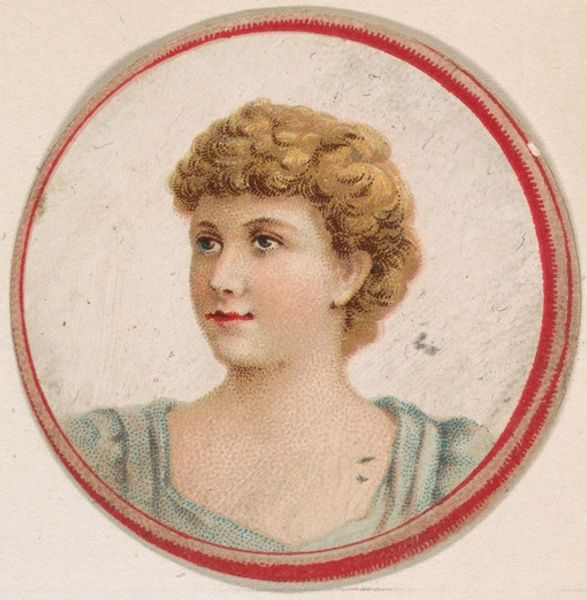
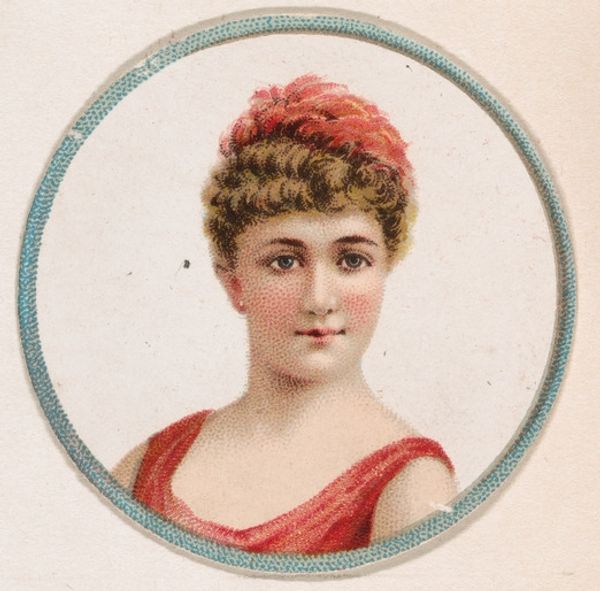
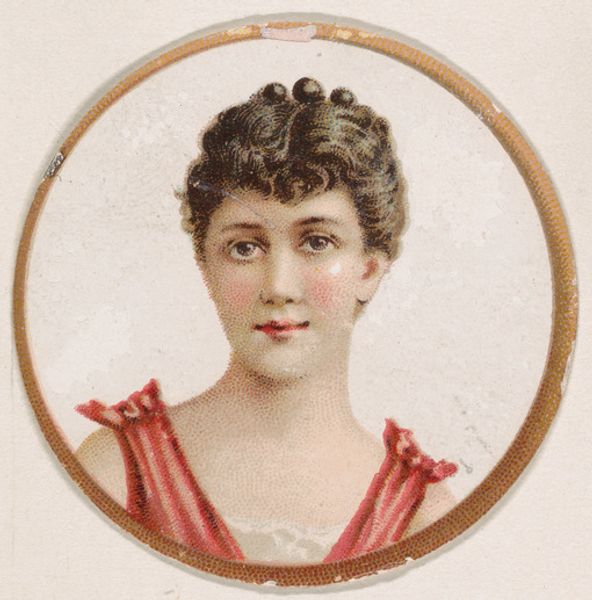
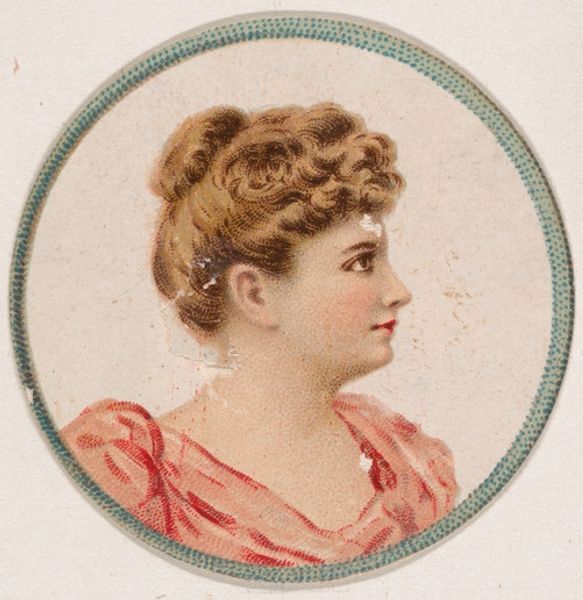
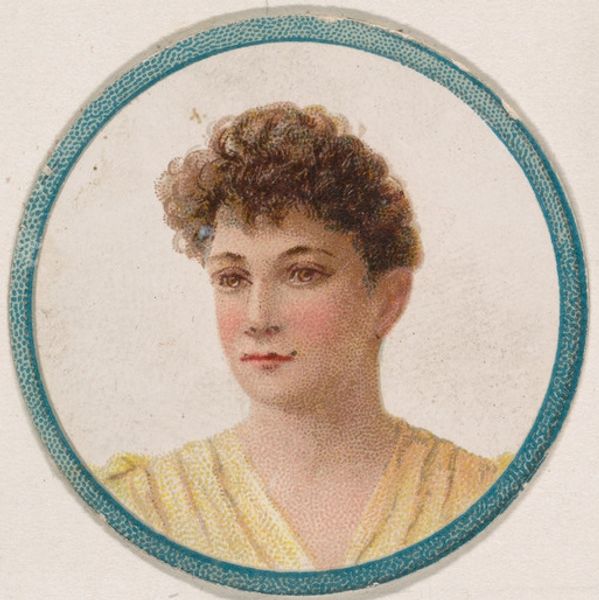
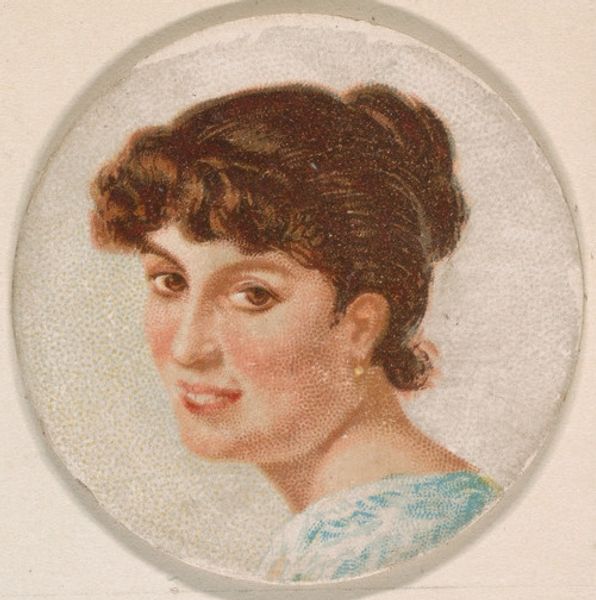
Portrait of woman, from the Novelties series (N228, Type 2) issued by Kinney Bros.
1889

Kinney Brothers Tobacco Company
1869 - 2011
The Metropolitan Museum of Art
Metropolitan Museum of Art, New York, NYArtwork details
- Medium
- drawing, print, photography
- Dimensions
- Sheet (Round): 1 9/16 × 1 9/16 in. (4 × 4 cm)
- Location
- Metropolitan Museum of Art, New York, NY
- Copyright
- Public Domain
Tags
Comments
Share your thoughts
About this artwork
This small portrait of a woman, part of the Novelties series by Kinney Bros., captures a peculiar moment in the commodification of beauty. The young woman’s demure gaze and soft features are framed within a circle, a shape pregnant with symbolism—eternity, wholeness, and the cyclical nature of time. Circles appear in various forms across cultures, from halos in religious art signifying divinity, to the Ouroboros, the snake eating its tail, representing endless return. Here, however, the circle is rendered mundane, used merely to frame a face for mass consumption. Is this not a desecration of an ancient symbol? Yet, perhaps it is also a continuation, a reflection of how symbols are constantly re-appropriated, stripped of their original sacredness, and reborn in new, often secular, contexts. The psychological effect is unsettling. We are drawn in by the familiar, yet repelled by its commercialization. The image lingers, a testament to the enduring power—and mutability—of symbols across time.
Comments
Share your thoughts