About this artwork
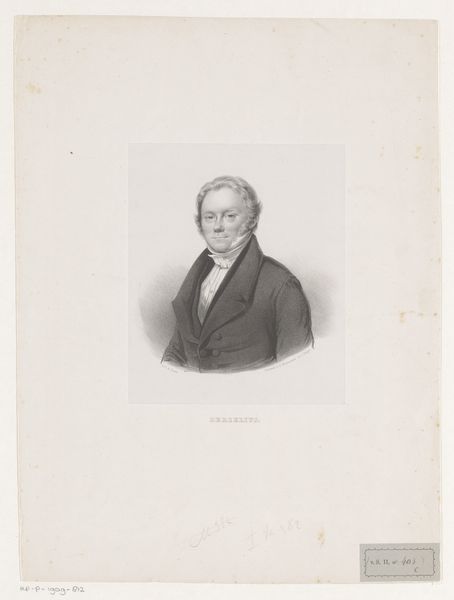
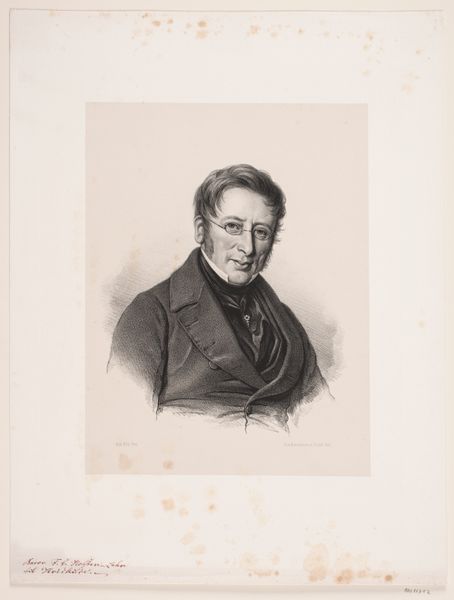
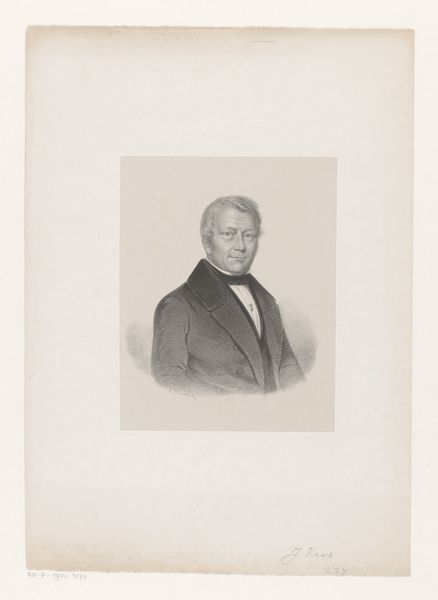
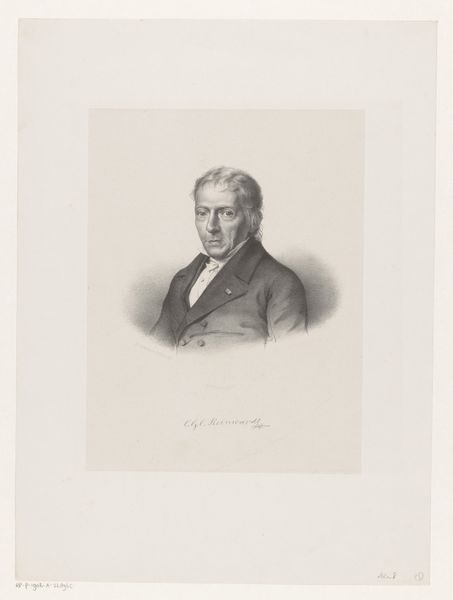
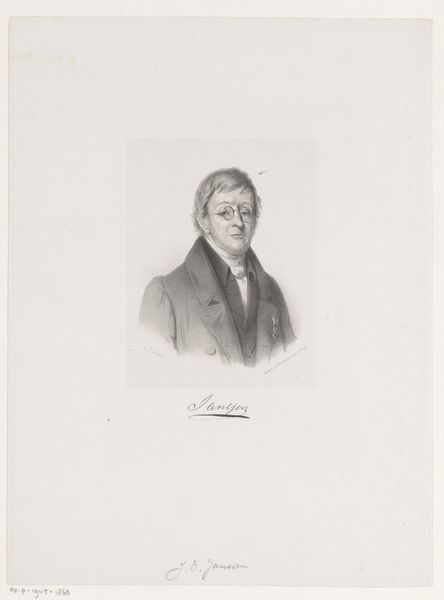
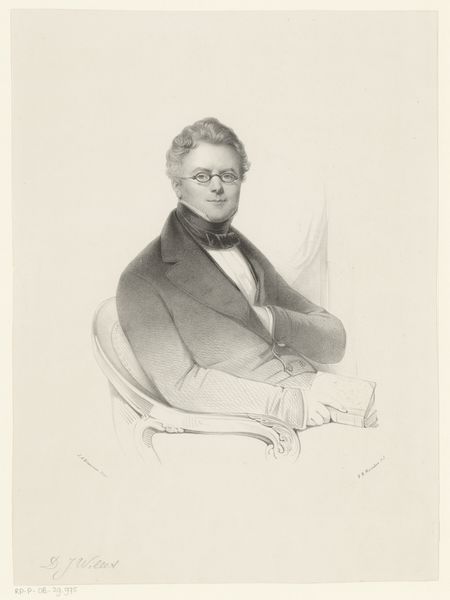
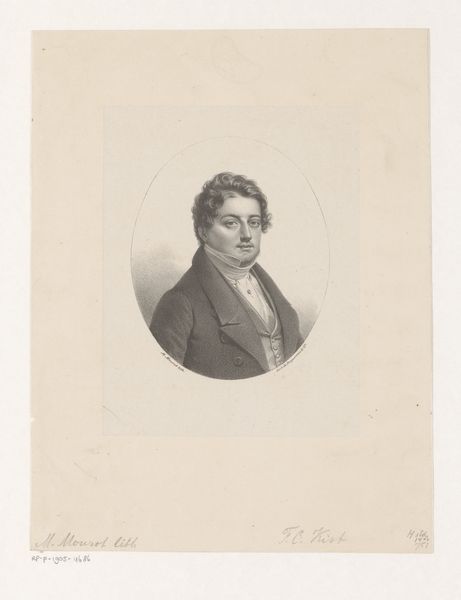
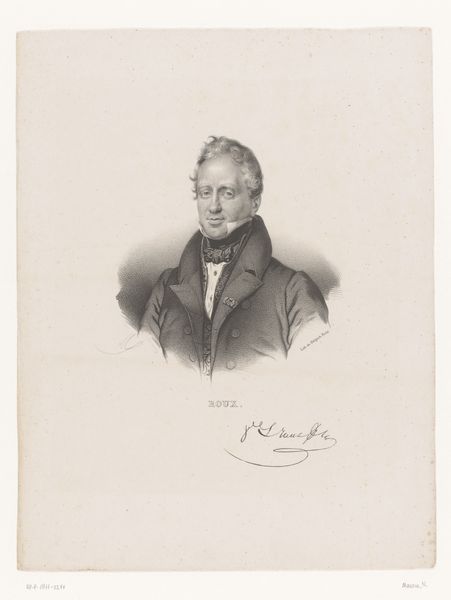
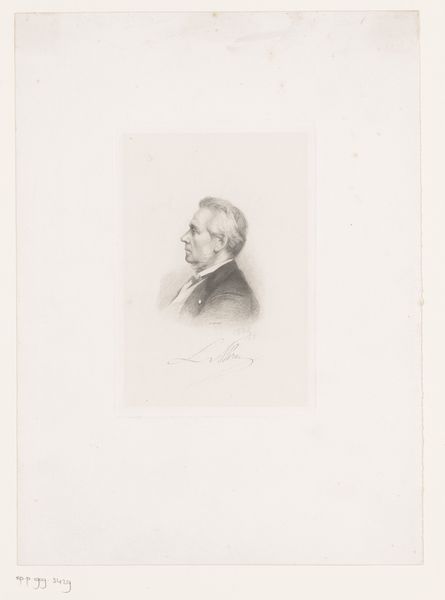
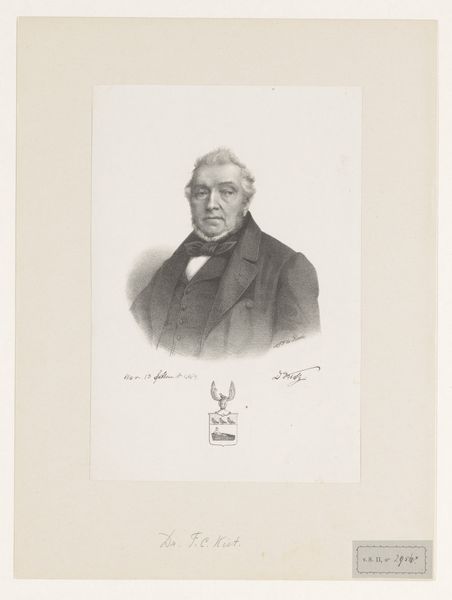
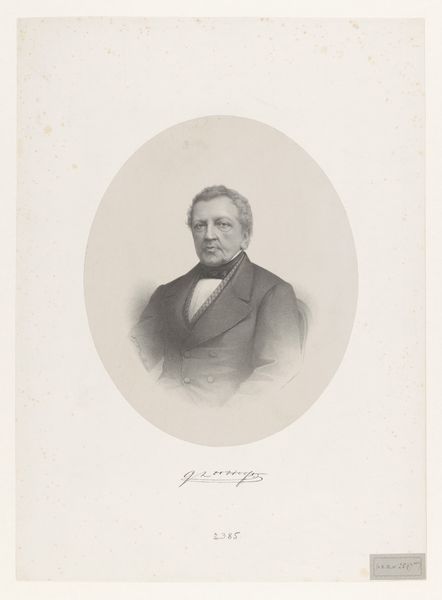
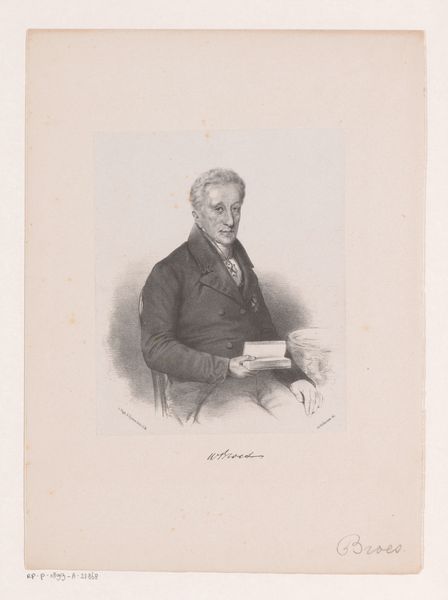
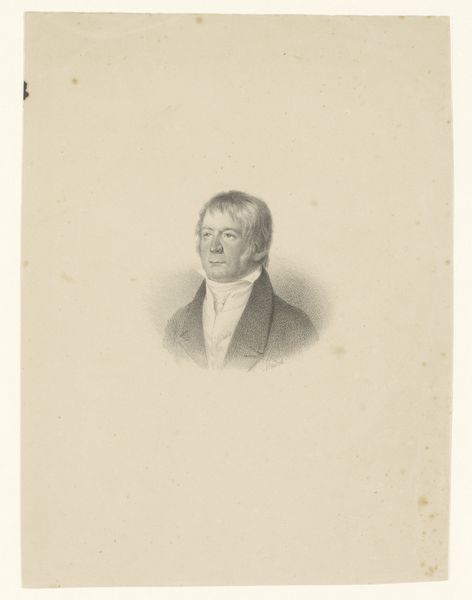
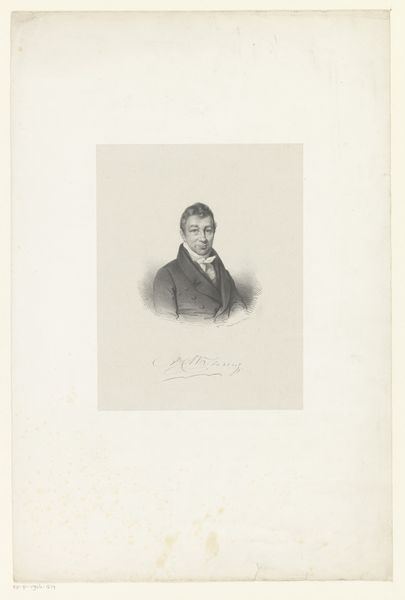
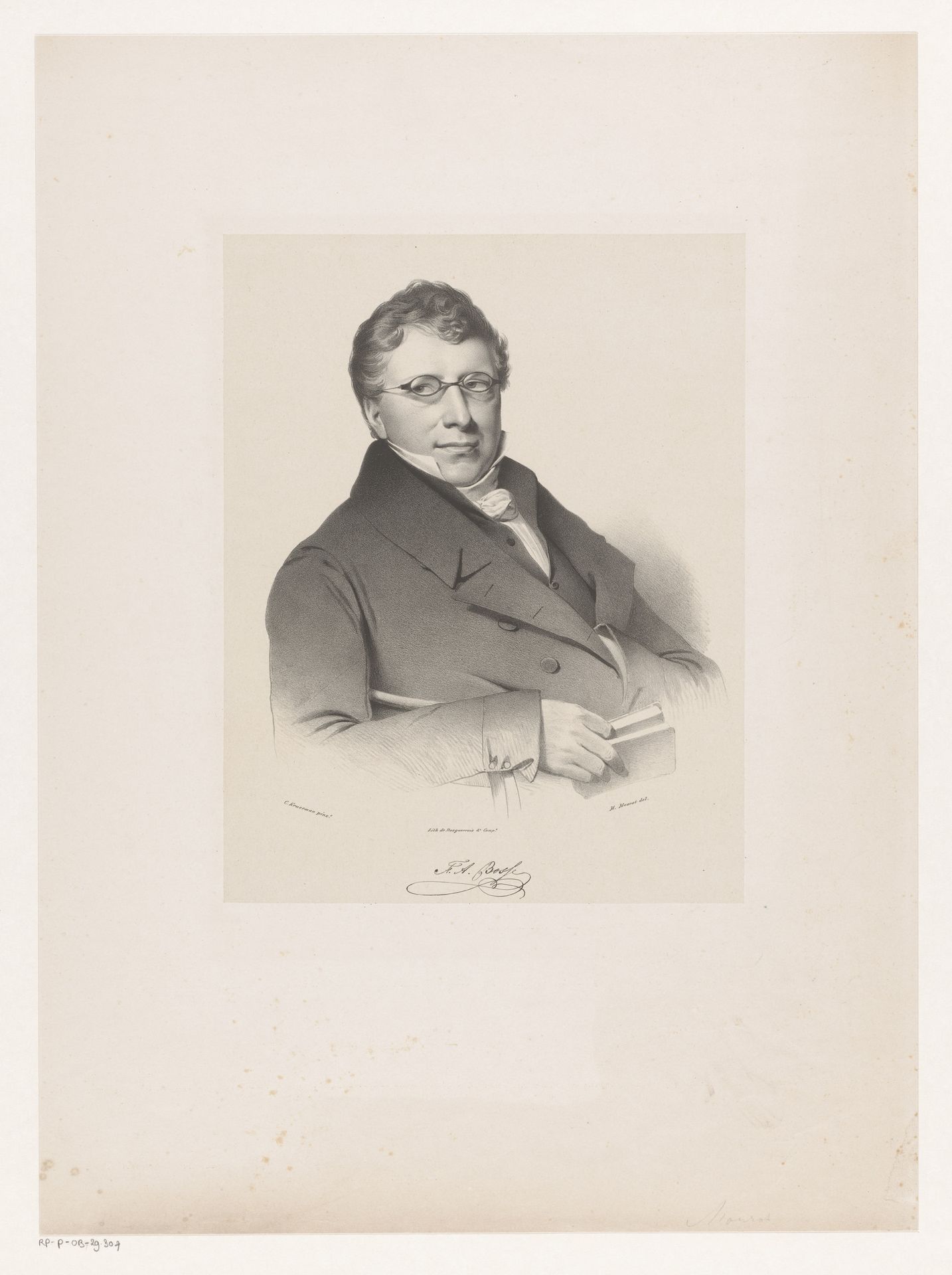
Editor: This is "Portret F.A. Bosse," a pencil drawing created sometime between 1826 and 1847. It's a strikingly formal portrait; the subject’s pose and attire feel very deliberate. What historical factors were shaping portraiture at the time that might inform our understanding of it? Curator: Indeed. Portraits like this became crucial tools for constructing and reinforcing social hierarchies during the 19th century. They weren't just about capturing likeness. Consider the rise of the bourgeoisie: newly affluent individuals wanted to project power and respectability, and commissioned portraits that mimicked the aristocratic styles. Think about the institutions that supported such artworks: the salons, the art academies, and the rising merchant class acting as patrons. Editor: So it’s less about individual artistry and more about… societal aspiration? Curator: Not entirely, but the social function of art is paramount. This image participates in a larger visual dialogue: What does it mean to be seen? What does it mean to display your image in the public sphere, or in your private home? The way the sitter is posed, clothed, even the type of pencil used contributes to a calculated performance of social identity. How do you think it plays into concepts of romanticism as we were seeing it unfold during that period? Editor: That’s fascinating. I was so focused on the face, the light pencil work. Now I see the portrait as a representation of a much larger social landscape. Thank you! Curator: My pleasure. It’s vital to remember art always exists within a matrix of power and social expectation. Seeing those relationships enhances the work and our perception of it.

Artwork details
- Medium
- drawing, pencil
- Dimensions
- height 520 mm, width 380 mm
- Location
- Rijksmuseum
- Copyright
- Rijks Museum: Open Domain
Tags
portrait
drawing
light pencil work
caricature
portrait reference
pencil drawing
romanticism
pencil
portrait drawing
academic-art
Comments
No comments
About this artwork
Editor: This is "Portret F.A. Bosse," a pencil drawing created sometime between 1826 and 1847. It's a strikingly formal portrait; the subject’s pose and attire feel very deliberate. What historical factors were shaping portraiture at the time that might inform our understanding of it? Curator: Indeed. Portraits like this became crucial tools for constructing and reinforcing social hierarchies during the 19th century. They weren't just about capturing likeness. Consider the rise of the bourgeoisie: newly affluent individuals wanted to project power and respectability, and commissioned portraits that mimicked the aristocratic styles. Think about the institutions that supported such artworks: the salons, the art academies, and the rising merchant class acting as patrons. Editor: So it’s less about individual artistry and more about… societal aspiration? Curator: Not entirely, but the social function of art is paramount. This image participates in a larger visual dialogue: What does it mean to be seen? What does it mean to display your image in the public sphere, or in your private home? The way the sitter is posed, clothed, even the type of pencil used contributes to a calculated performance of social identity. How do you think it plays into concepts of romanticism as we were seeing it unfold during that period? Editor: That’s fascinating. I was so focused on the face, the light pencil work. Now I see the portrait as a representation of a much larger social landscape. Thank you! Curator: My pleasure. It’s vital to remember art always exists within a matrix of power and social expectation. Seeing those relationships enhances the work and our perception of it.
Comments
No comments