About this artwork
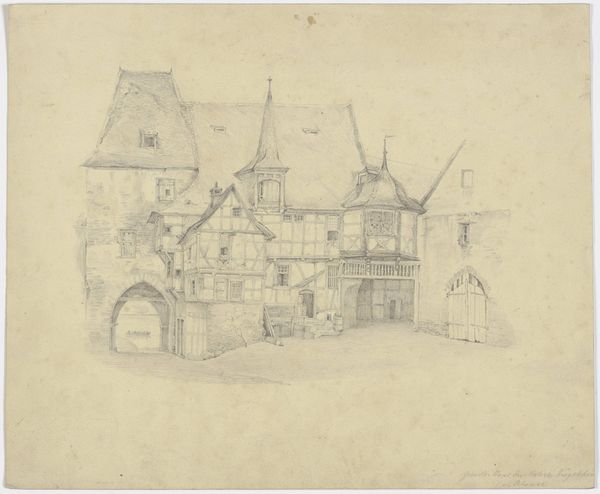
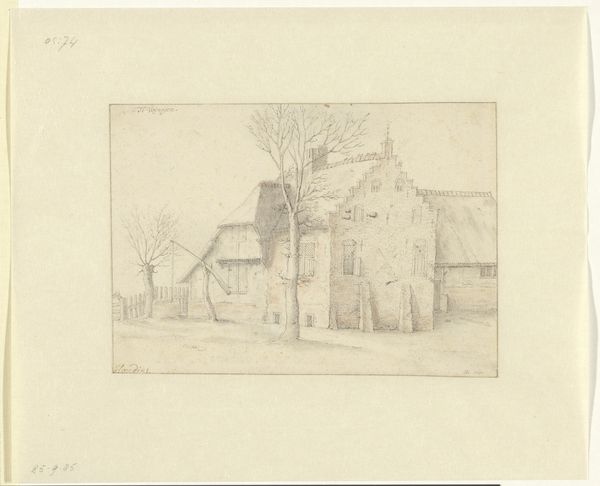
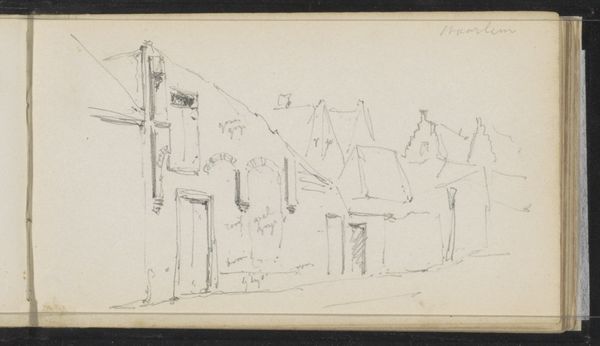
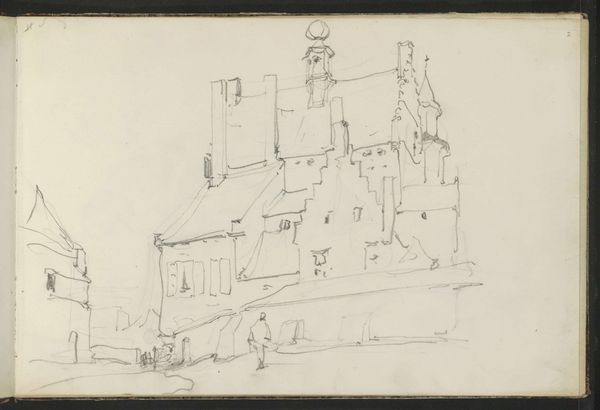
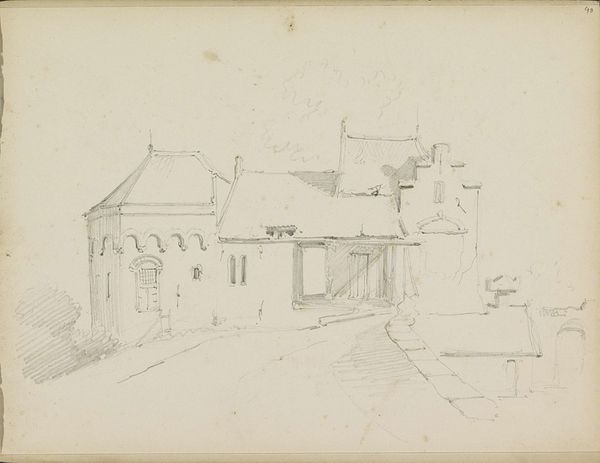
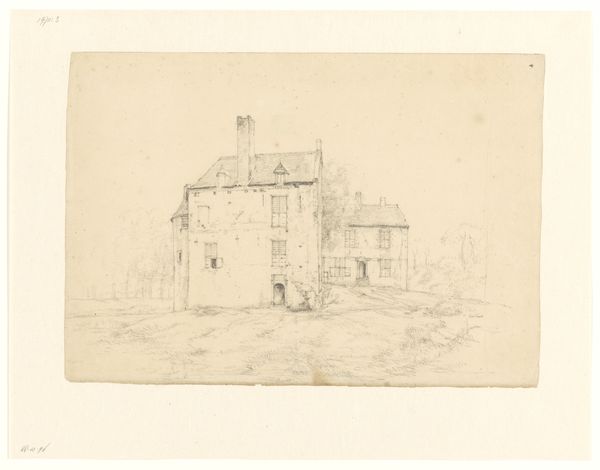
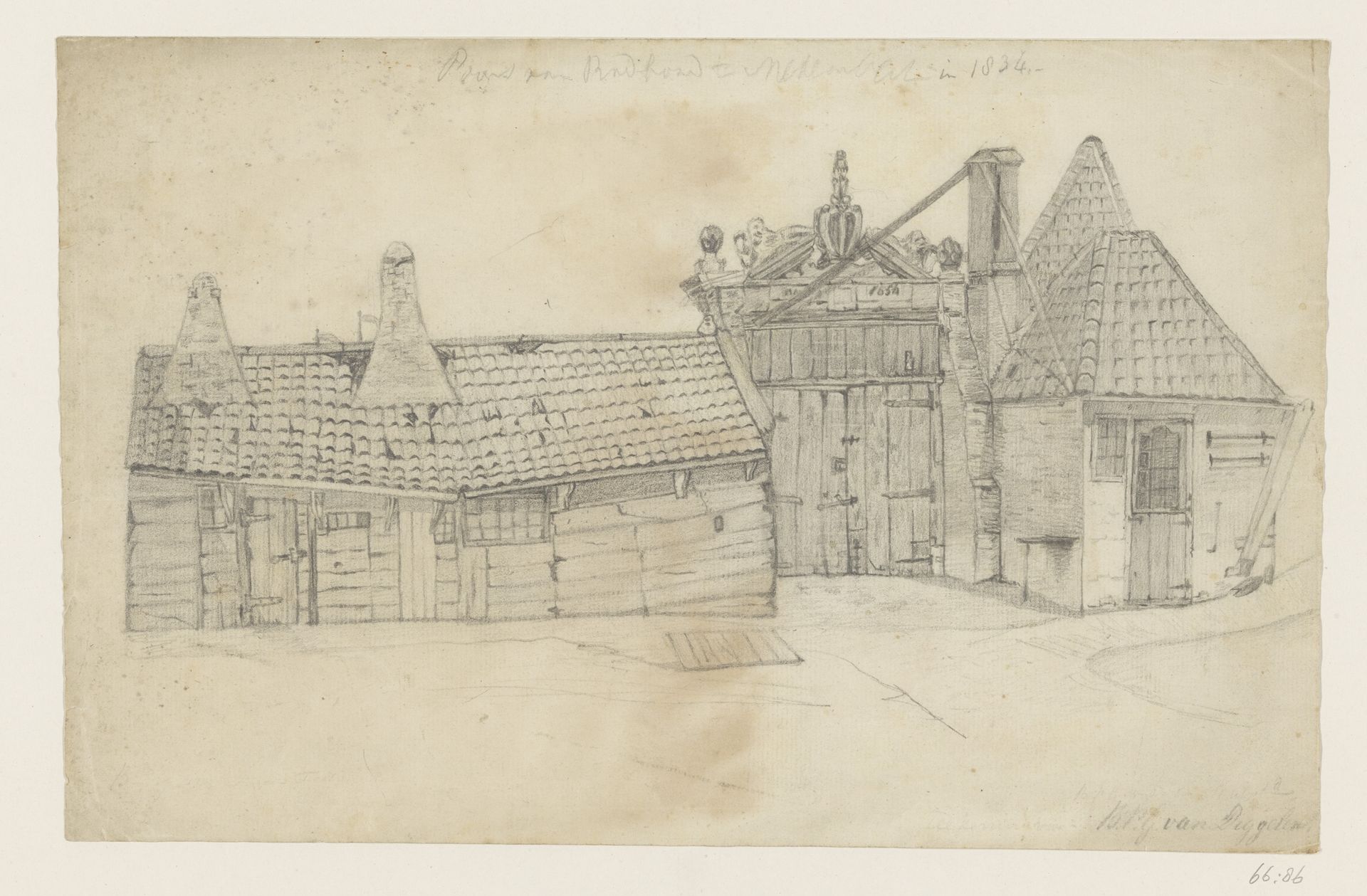
B.P.G. van Diggelen captured the gate of Radboud Castle in Medemblik with pencil, freezing a moment in time. Above the sturdy wooden doors, one sees a small, ornate gable. This gable is not merely decoration; it speaks of aspirations. The gable is a potent symbol, a vestige of classical architecture. Think of ancient temples and triumphal arches—structures designed to impress and assert power. The gable motif has persisted, reappearing throughout history on buildings both grand and modest. Why this enduring appeal? Perhaps it's the subconscious connection to those original structures of authority, the echo of past empires resonating within us. Over time, the gable has transformed. No longer reserved for the gods or emperors, it now adorns a simple gate, democratizing its symbolism. It represents our deep-seated longing for order and permanence. The gable reminds us that we, too, strive to leave our mark.

Artwork details
- Medium
- drawing, pencil
- Dimensions
- height 203 mm, width 314 mm
- Copyright
- Rijks Museum: Open Domain
Tags
drawing
aged paper
toned paper
light pencil work
quirky sketch
sketch book
landscape
personal sketchbook
pen-ink sketch
pencil
sketchbook drawing
storyboard and sketchbook work
sketchbook art
realism
Comments
No comments
About this artwork
B.P.G. van Diggelen captured the gate of Radboud Castle in Medemblik with pencil, freezing a moment in time. Above the sturdy wooden doors, one sees a small, ornate gable. This gable is not merely decoration; it speaks of aspirations. The gable is a potent symbol, a vestige of classical architecture. Think of ancient temples and triumphal arches—structures designed to impress and assert power. The gable motif has persisted, reappearing throughout history on buildings both grand and modest. Why this enduring appeal? Perhaps it's the subconscious connection to those original structures of authority, the echo of past empires resonating within us. Over time, the gable has transformed. No longer reserved for the gods or emperors, it now adorns a simple gate, democratizing its symbolism. It represents our deep-seated longing for order and permanence. The gable reminds us that we, too, strive to leave our mark.
Comments
No comments