About this artwork
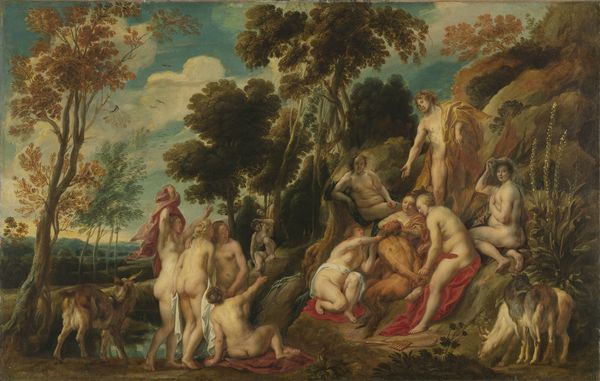
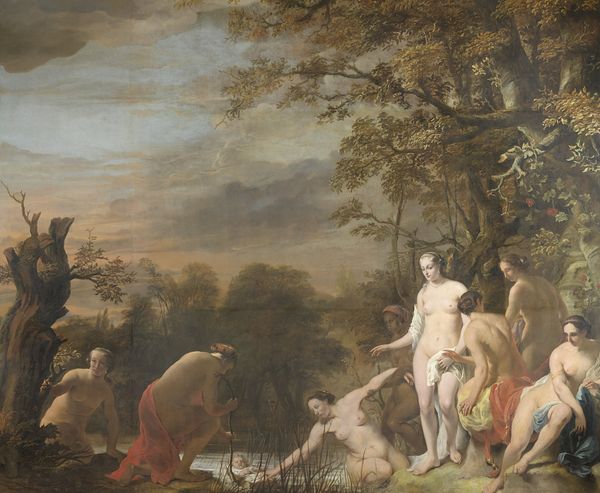
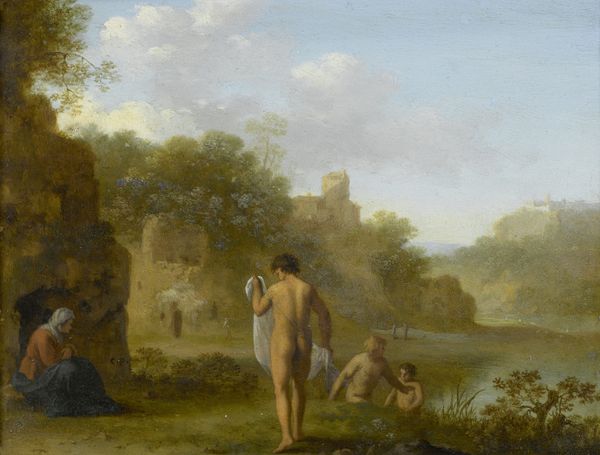
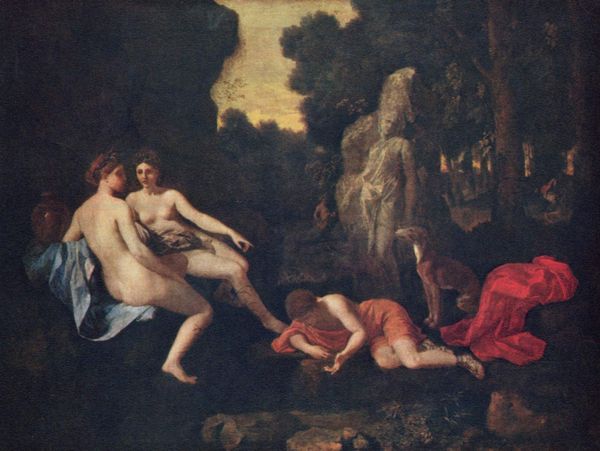
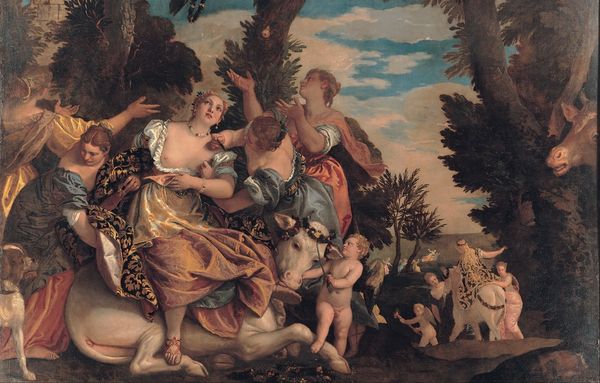
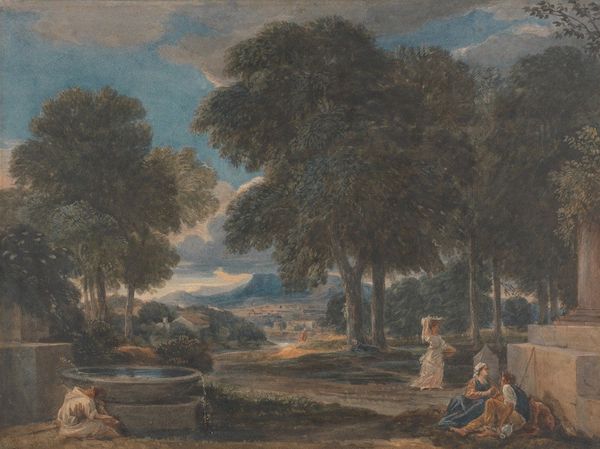
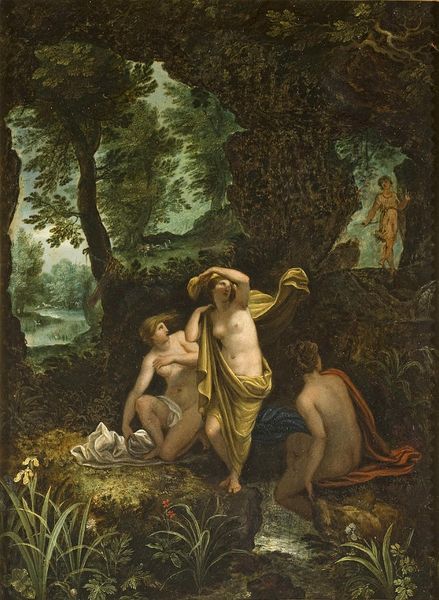
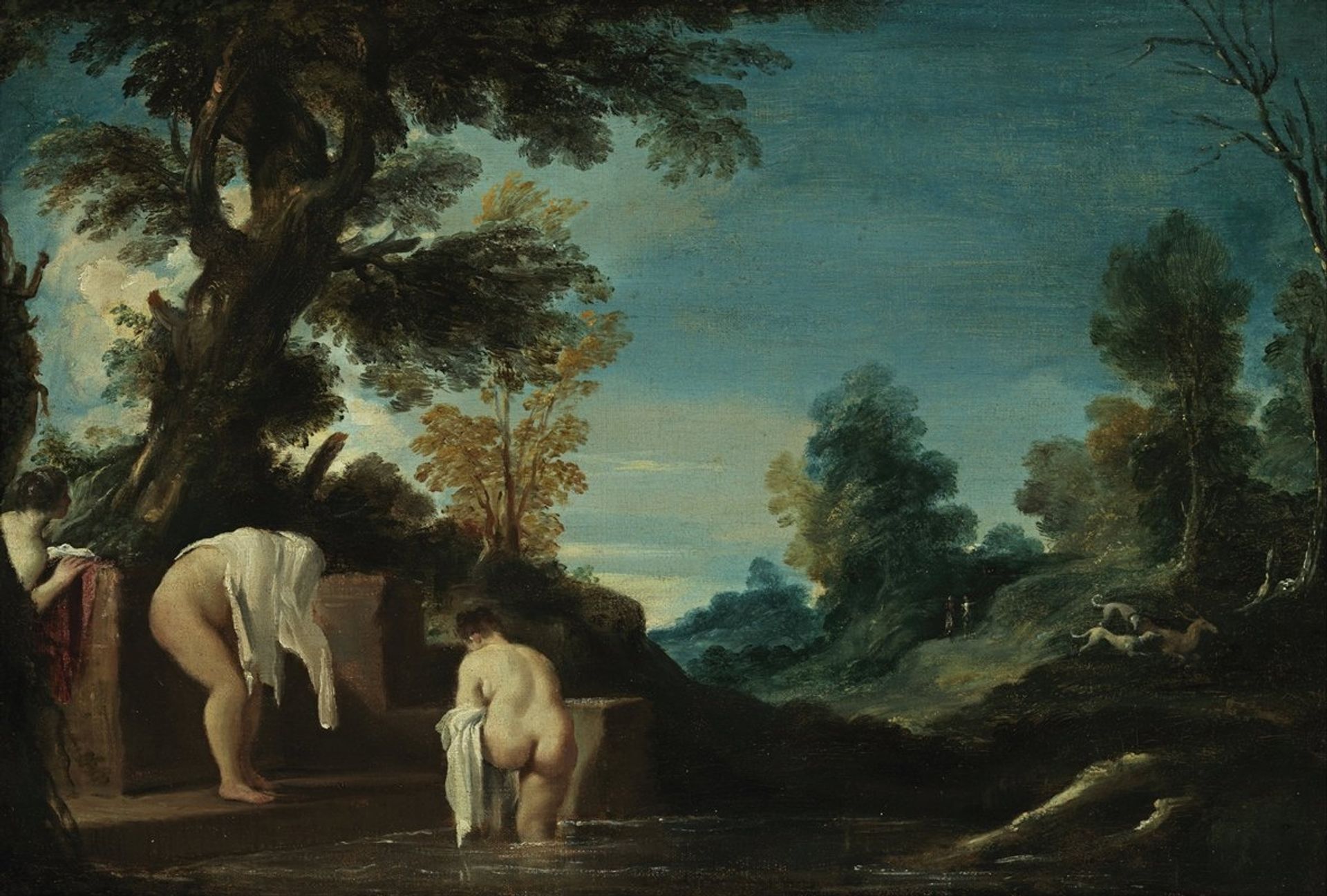
Guercino painted this “Landscape with Bathing Women” during the Baroque period. The bathing women evoke classical nymphs, figures deeply embedded in the cultural memory of the Renaissance and ancient times. The motif of bathing women has a rich, cyclical history. From ancient Roman bathhouses to Renaissance paintings, it symbolizes purification, beauty, and often, a connection to nature. In earlier depictions, such as those found in classical frescoes, the act of bathing was often communal and ritualistic. Yet, over time, it evolved, often becoming an opportunity to display the female nude in idealized forms, reflecting changing social and aesthetic values. Guercino’s work presents a serene, almost dreamlike vision. This recurring image taps into something primal, a collective memory of ritual cleansing and rejuvenation. The symbol of bathing, therefore, is never static; it ebbs and flows through history, constantly reshaped by the currents of culture.

Artwork details
- Medium
- oil-paint
- Copyright
- Public Domain: Artvee
Tags
Comments
Share your thoughts
About this artwork
Guercino painted this “Landscape with Bathing Women” during the Baroque period. The bathing women evoke classical nymphs, figures deeply embedded in the cultural memory of the Renaissance and ancient times. The motif of bathing women has a rich, cyclical history. From ancient Roman bathhouses to Renaissance paintings, it symbolizes purification, beauty, and often, a connection to nature. In earlier depictions, such as those found in classical frescoes, the act of bathing was often communal and ritualistic. Yet, over time, it evolved, often becoming an opportunity to display the female nude in idealized forms, reflecting changing social and aesthetic values. Guercino’s work presents a serene, almost dreamlike vision. This recurring image taps into something primal, a collective memory of ritual cleansing and rejuvenation. The symbol of bathing, therefore, is never static; it ebbs and flows through history, constantly reshaped by the currents of culture.
Comments
Share your thoughts