About this artwork
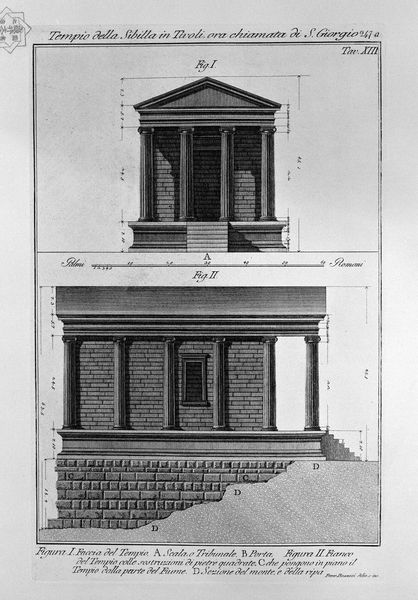
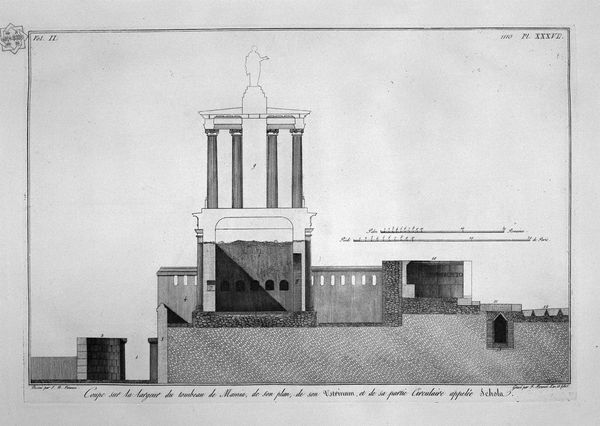
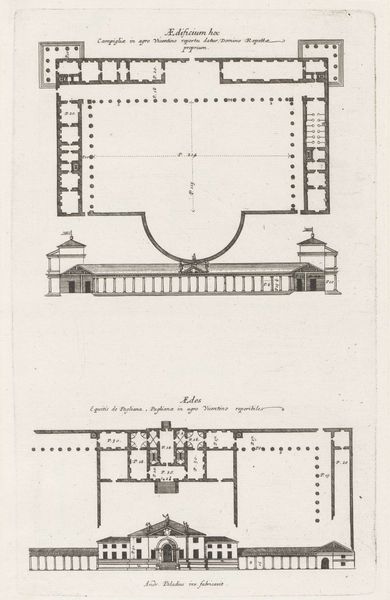
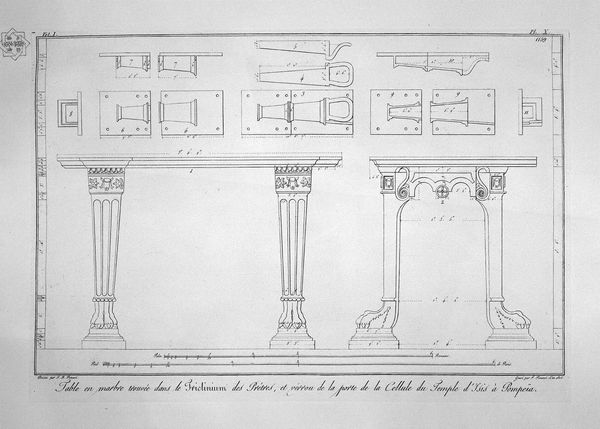
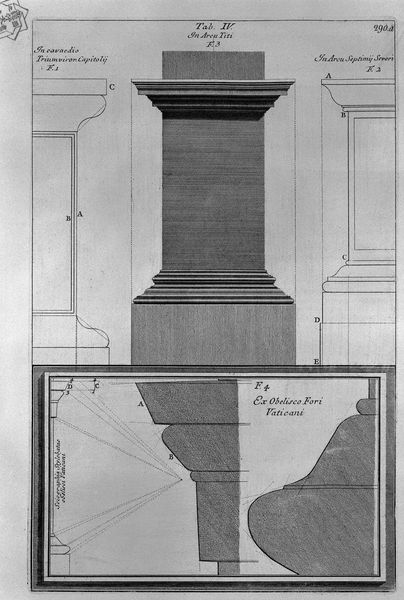
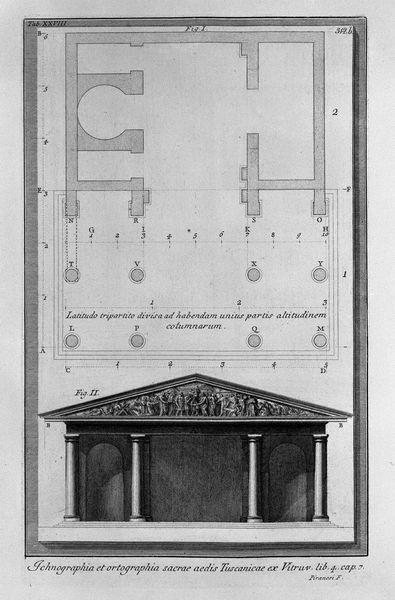
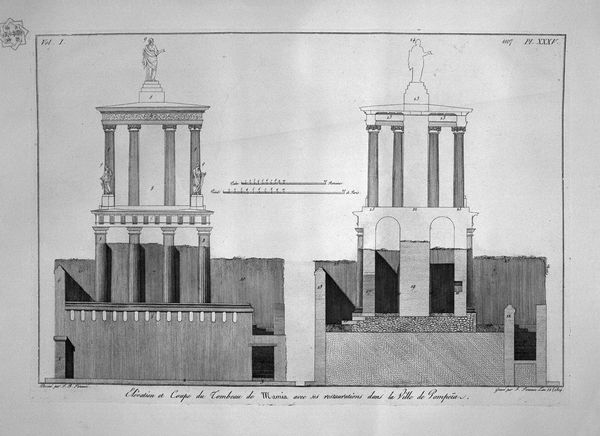
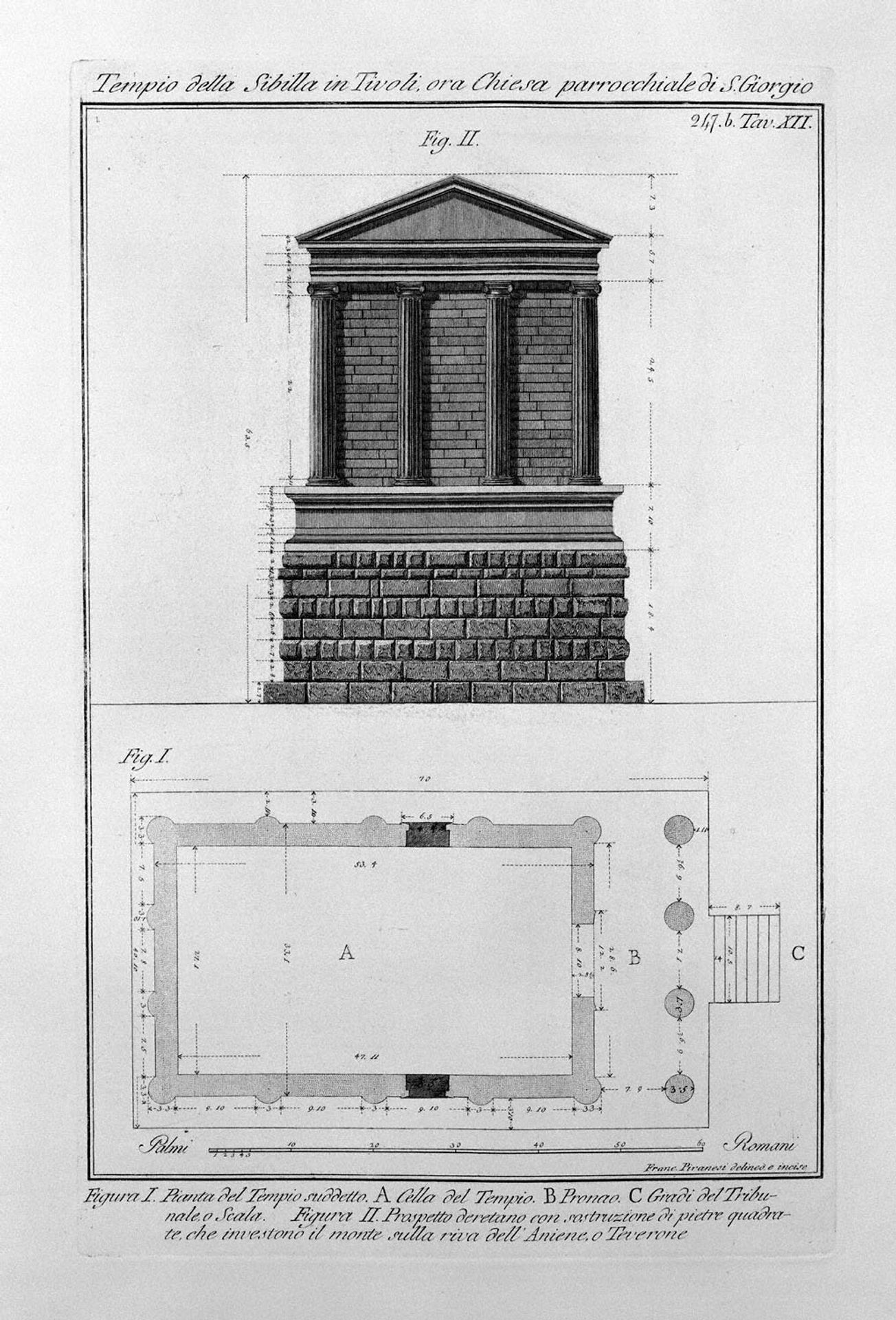
Giovanni Battista Piranesi rendered this copper engraving of the Temple of the Sibyl at Tivoli in the eighteenth century. Look at the temple's facade, dominated by its columns, a clear echo of classical antiquity and, more profoundly, a symbol of order and rationality. The columns here are not merely architectural supports; they are a legacy of the ancient world, a visual motif that has been resurrected time and again. Consider the columns in ancient Greek temples and their reincarnation in Renaissance architecture. This echoes the collective memory of power and enlightenment. The subconscious connection is not accidental; it is an intentional act of cultural remembrance, a way of linking the present with a venerated past. This visual quotation is far from linear. Its cyclical return speaks to our desire to root ourselves in history.
Facade and the side of the Temple of the Sibyl at Tivoli

Artwork details
- Medium
- drawing, print, etching, architecture
- Copyright
- Public domain
Tags
Comments
Share your thoughts
About this artwork
Giovanni Battista Piranesi rendered this copper engraving of the Temple of the Sibyl at Tivoli in the eighteenth century. Look at the temple's facade, dominated by its columns, a clear echo of classical antiquity and, more profoundly, a symbol of order and rationality. The columns here are not merely architectural supports; they are a legacy of the ancient world, a visual motif that has been resurrected time and again. Consider the columns in ancient Greek temples and their reincarnation in Renaissance architecture. This echoes the collective memory of power and enlightenment. The subconscious connection is not accidental; it is an intentional act of cultural remembrance, a way of linking the present with a venerated past. This visual quotation is far from linear. Its cyclical return speaks to our desire to root ourselves in history.
Comments
Share your thoughts