About this artwork
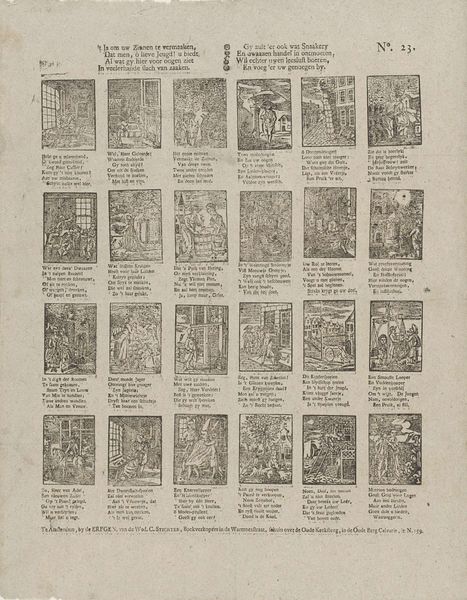
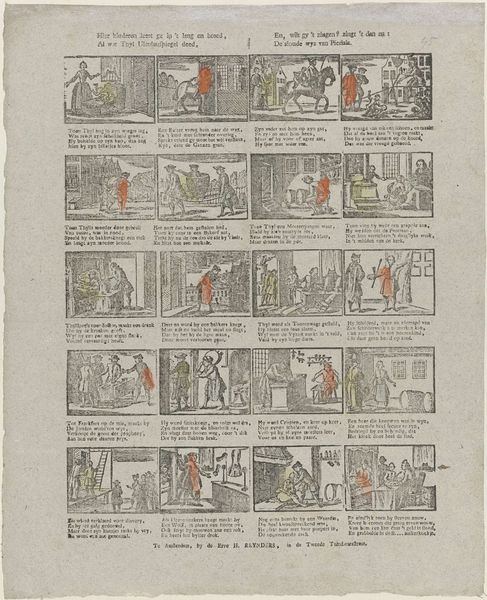
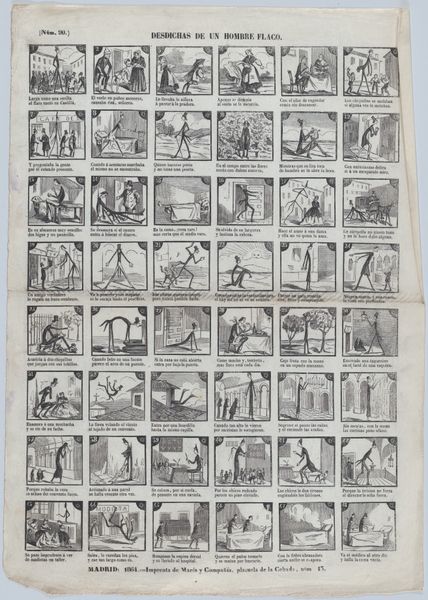
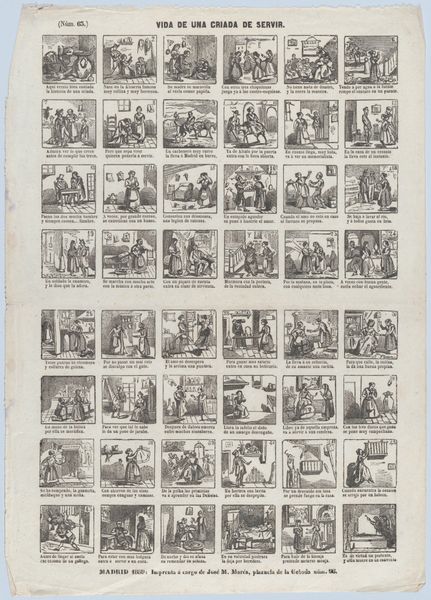
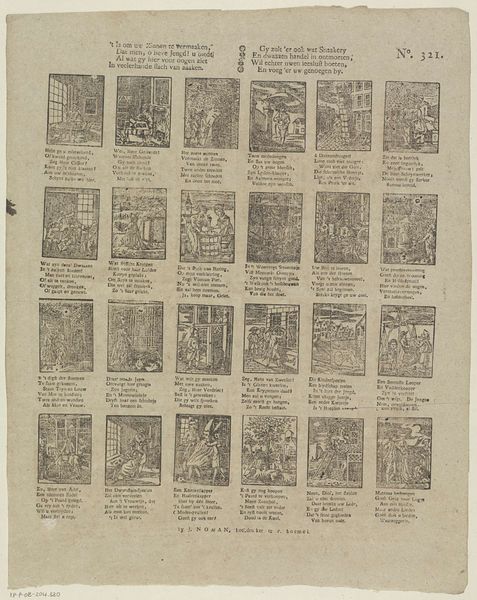
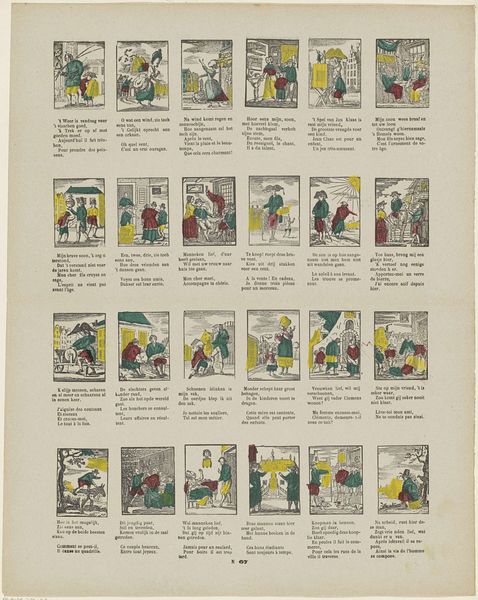
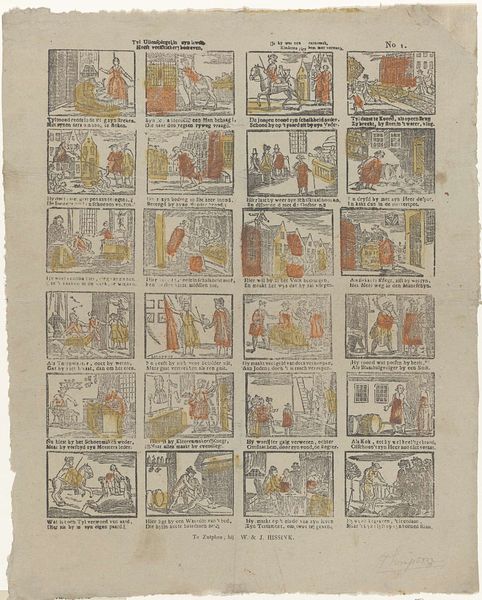
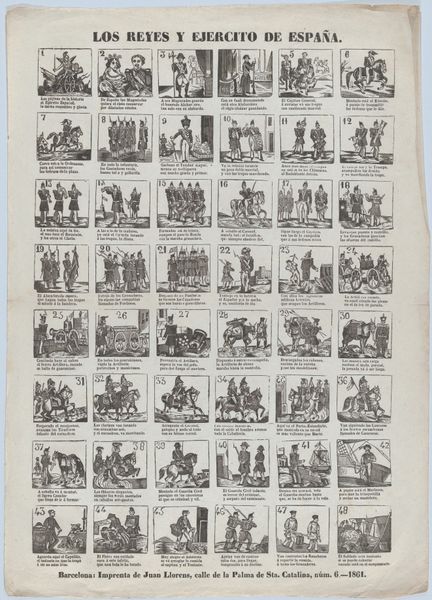
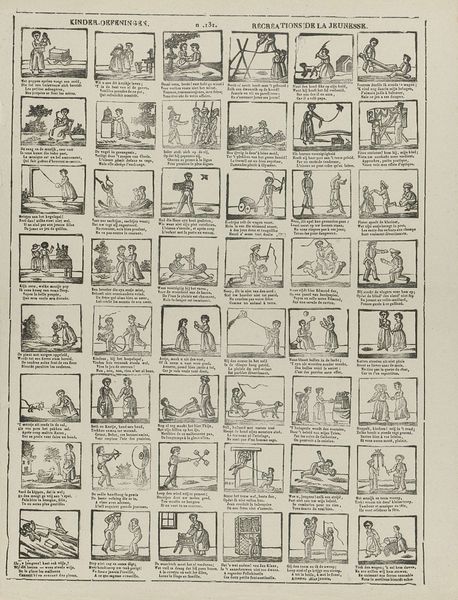
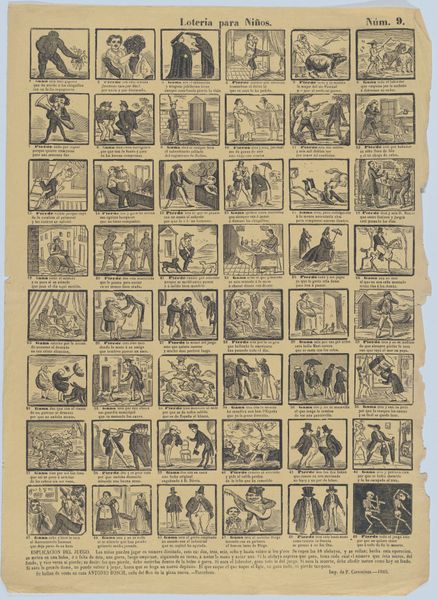
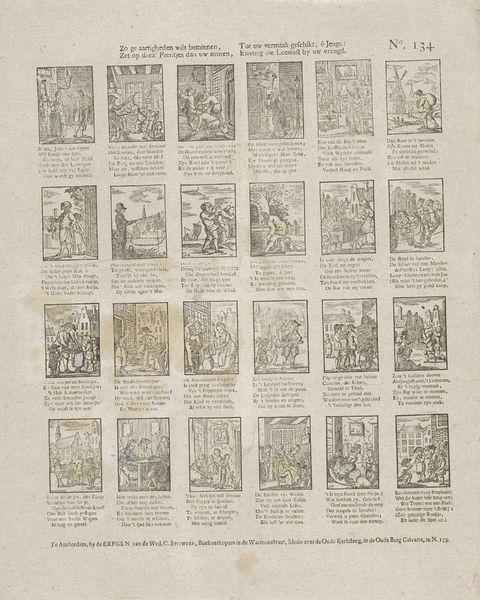
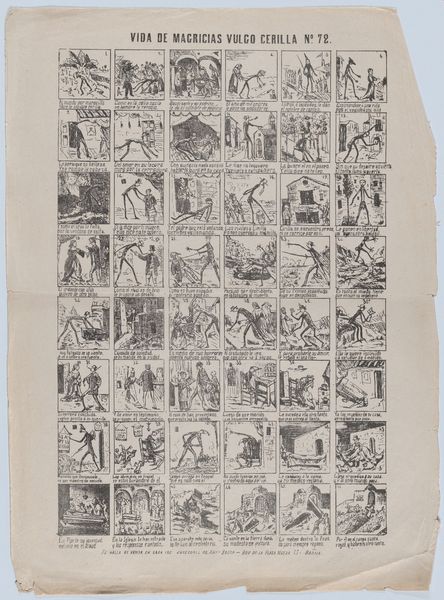
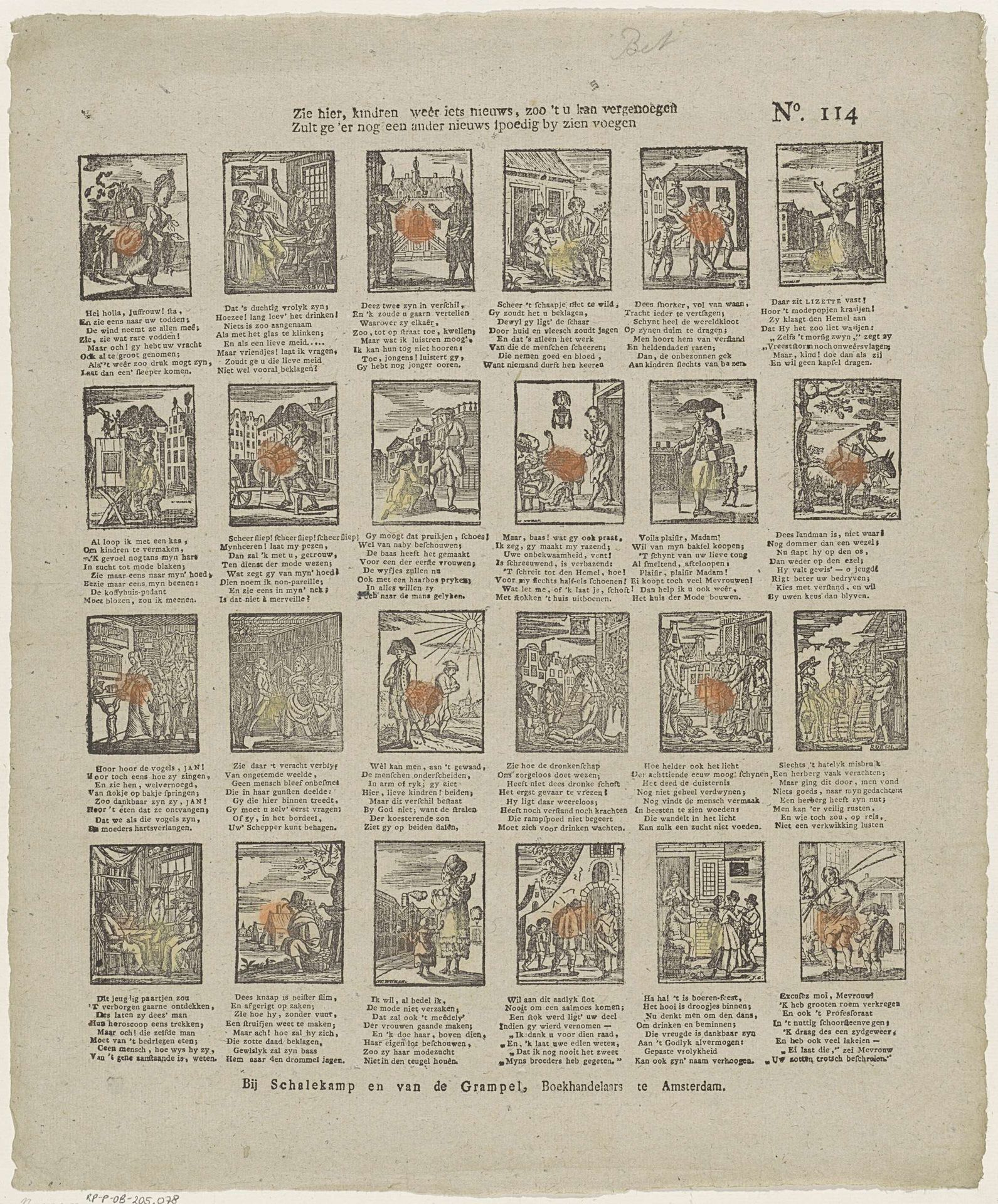
This hand-colored etching was created by Hermanus Numan in the late 18th or early 19th century in Amsterdam. The print, whose title translates to "Look here, children, yet something new, if it can please you," offers a glimpse into the visual culture of the Dutch Republic. The print presents a series of small, narrative scenes, each accompanied by a short verse. These scenes capture daily life, offering a window into the era's social customs, clothing, and interactions. This work reflects the culture of the period, as well as its forms of entertainment and education. The small scenes depict moments of work, play, and social exchange that reflect the hierarchical structures of the time. They also give glimpses into the lives of children and the roles they were expected to play. This work serves as a reminder of the complex ways in which art can reflect and shape societal values, offering a nuanced understanding of both its emotional and cultural dimensions.
Zie hier, kindren weêr iets nieuws, zo 't u kan vernoegen / Zult ge 'er nog een ander nieuws spoedig by zien voegen
1806 - 1830

Hermanus Numan
1744 - 1820Location
RijksmuseumArtwork details
- Medium
- drawing, print
- Dimensions
- height 407 mm, width 337 mm
- Location
- Rijksmuseum
- Copyright
- Rijks Museum: Open Domain
Tags
Comments
Share your thoughts
About this artwork
This hand-colored etching was created by Hermanus Numan in the late 18th or early 19th century in Amsterdam. The print, whose title translates to "Look here, children, yet something new, if it can please you," offers a glimpse into the visual culture of the Dutch Republic. The print presents a series of small, narrative scenes, each accompanied by a short verse. These scenes capture daily life, offering a window into the era's social customs, clothing, and interactions. This work reflects the culture of the period, as well as its forms of entertainment and education. The small scenes depict moments of work, play, and social exchange that reflect the hierarchical structures of the time. They also give glimpses into the lives of children and the roles they were expected to play. This work serves as a reminder of the complex ways in which art can reflect and shape societal values, offering a nuanced understanding of both its emotional and cultural dimensions.
Comments
Share your thoughts