1733 - 1738
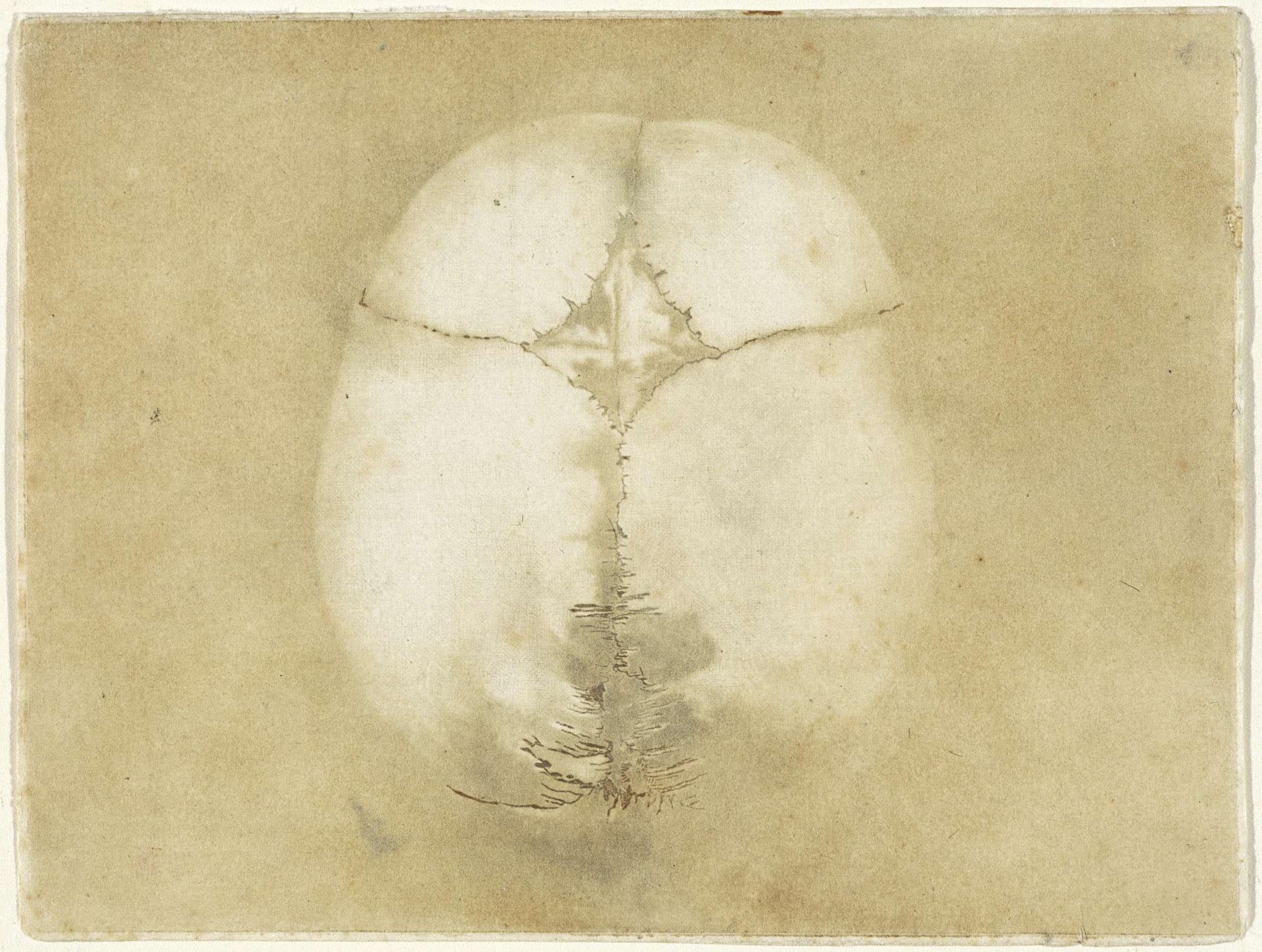
Prints of the Brain and the Heart

Listen to curator's interpretation
Curatorial notes
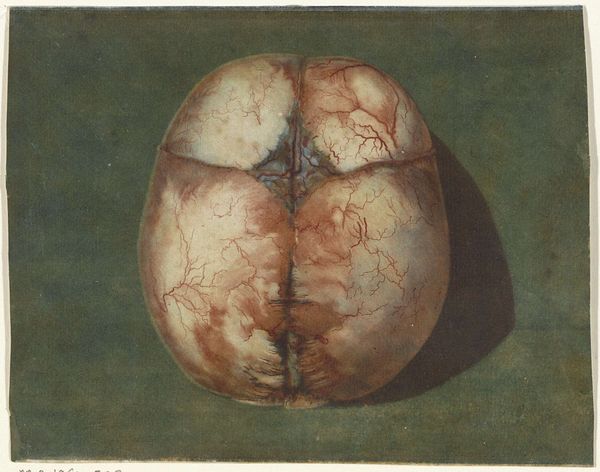
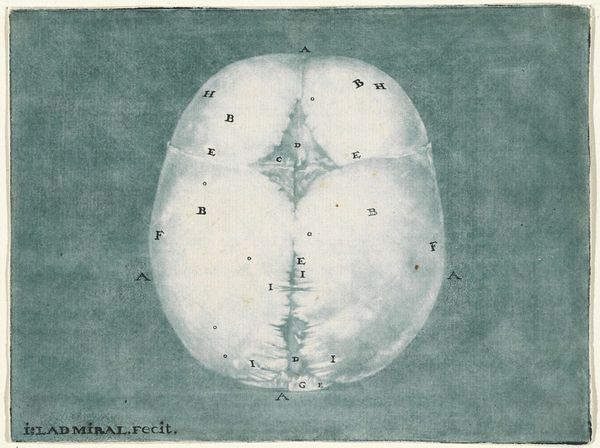
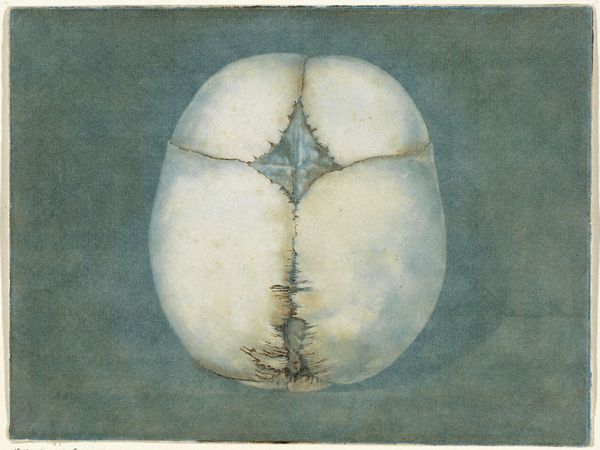
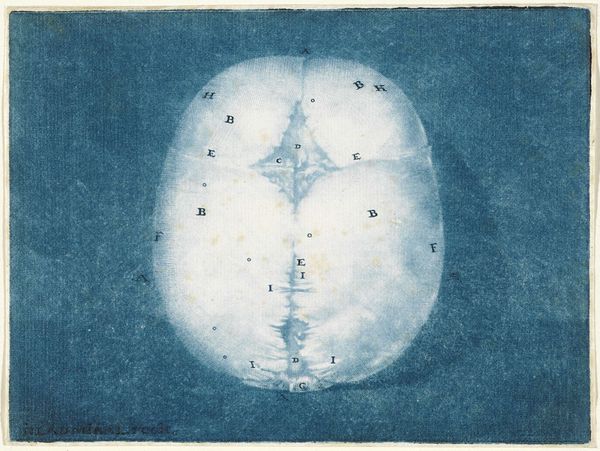
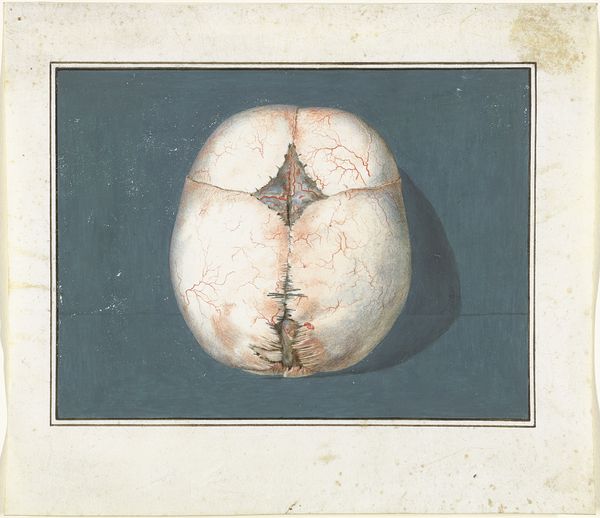
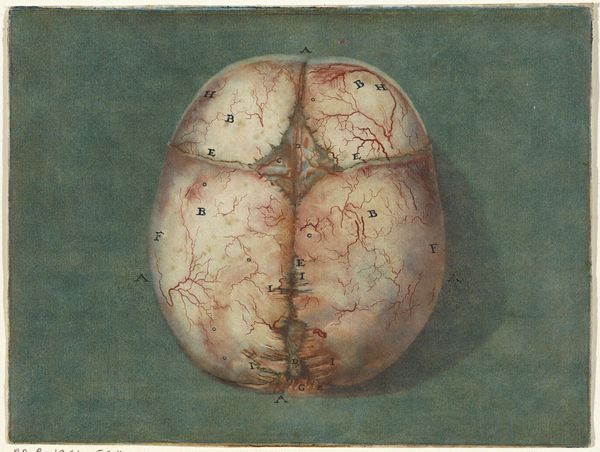
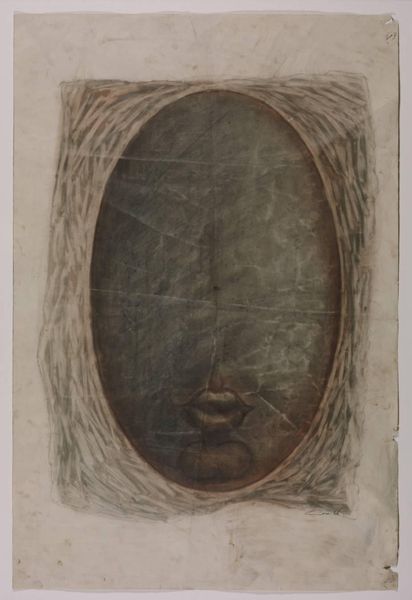
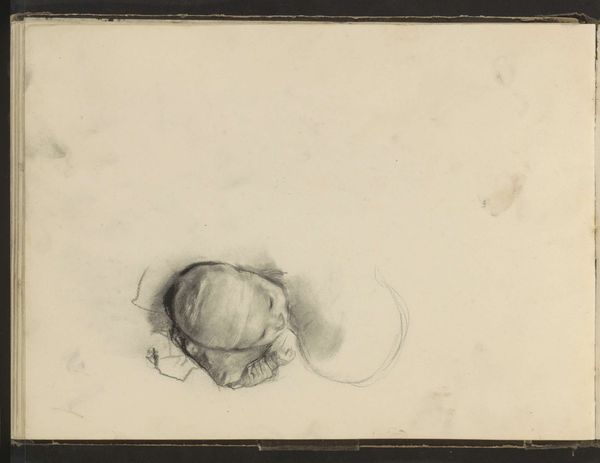
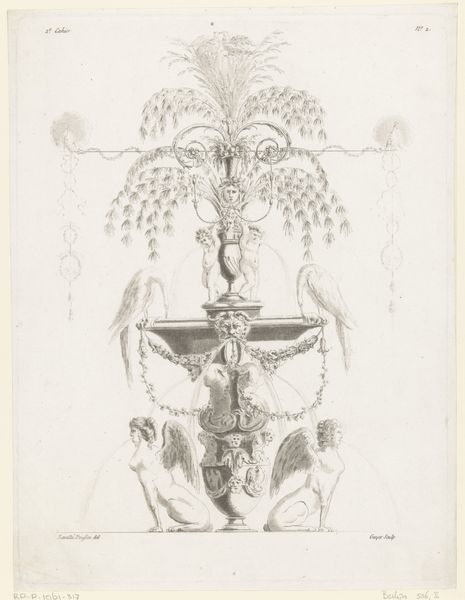
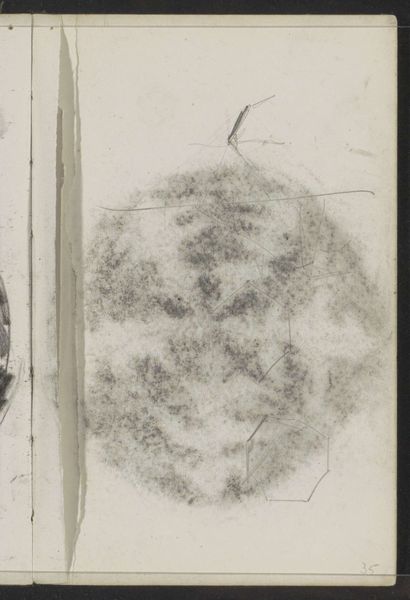
Editor: Here we have Jan l' Admiral’s drawing, “Prints of the Brain and the Heart” from the 1730s. It's rendered in pencil, ink, and charcoal and it depicts the upper portion of a human skull. The marks are so delicate. How do you interpret this work? Curator: I see a study of materiality itself. Consider the tools at Admiral's disposal: pencils, ink, charcoal - common instruments used in scientific documentation during the Enlightenment. They become extensions of a deeply considered hand, attempting to translate the dense reality of bone onto a fragile piece of paper. How does the artist's labor transform a readily available resource into art? Editor: So you're interested in the materials and their implications? Curator: Precisely! The skull, seemingly detached from morality or its religious connotations, allows viewers to scrutinize nature, which becomes, therefore, less threatening. Do you see any connection between art and the availability of scientific findings? Editor: Maybe there is a connection between increased trade of paper and access to pencils, combined with social mobility in the Enlightenment that resulted in access to studies of the natural world and art for a burgeoning middle class? Curator: That is right! Think about who gets access to create it and to possess it, also. Editor: Thinking about this skull through materials and its production really does change my view on it. Thank you for helping me think through the labor embedded in its creation. Curator: I’m happy to have brought up labor, production and context.