About this artwork
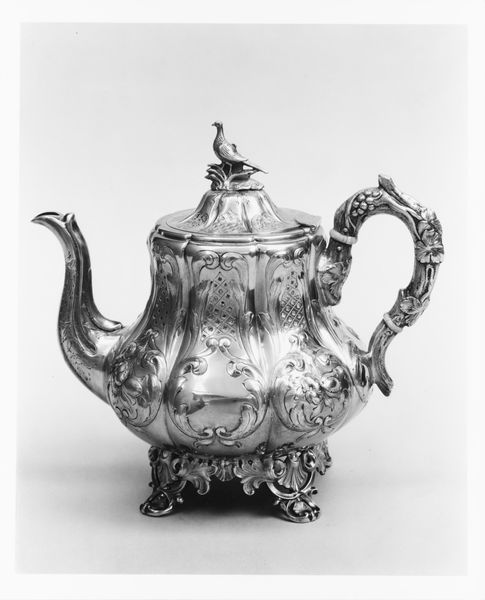
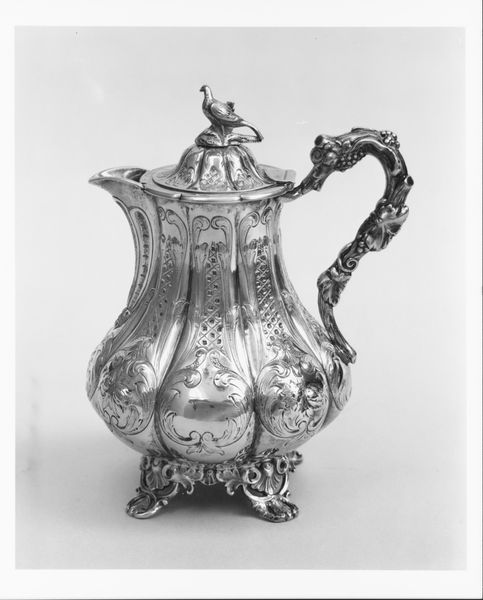
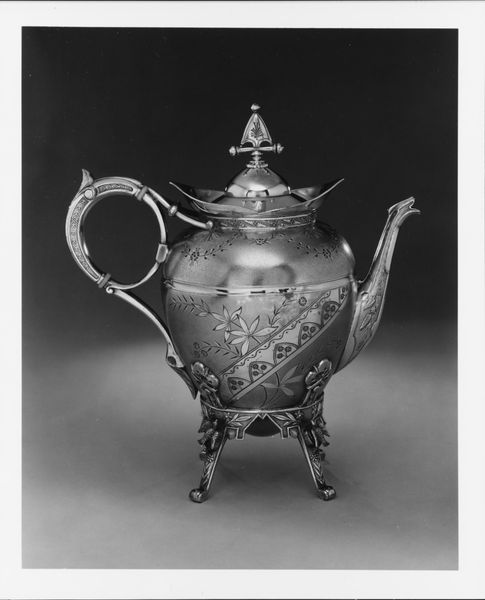
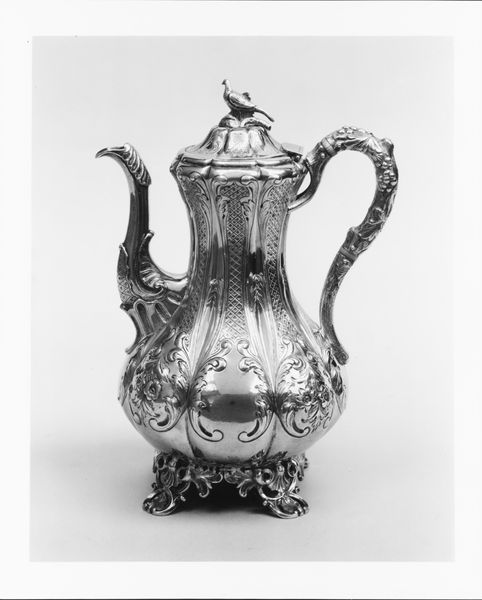
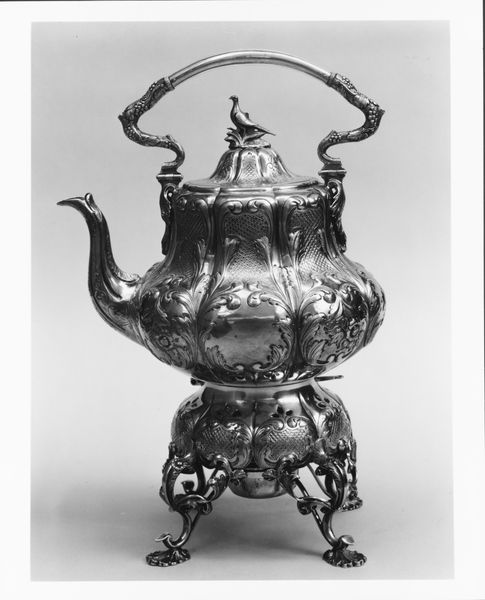
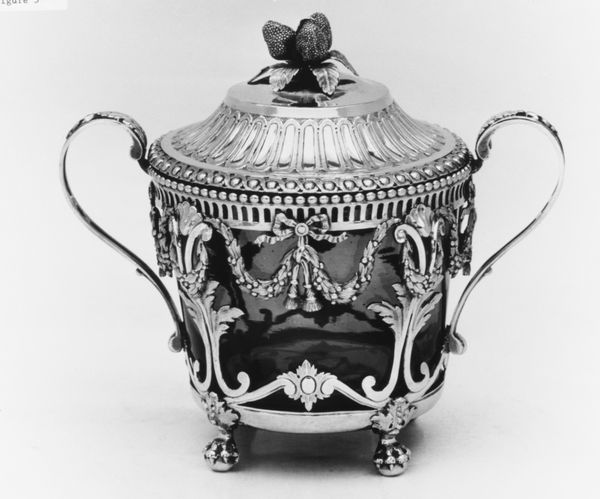
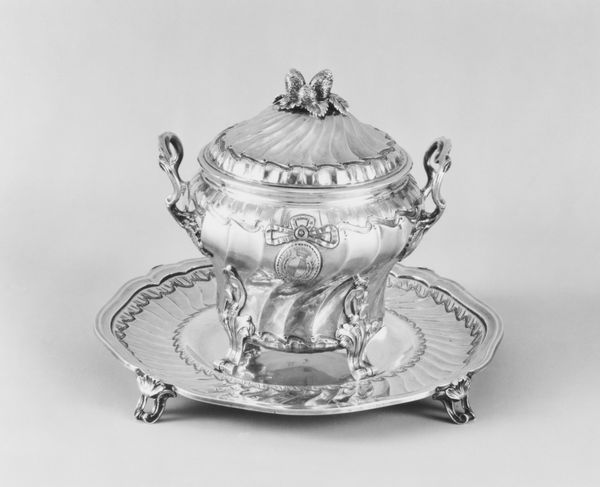
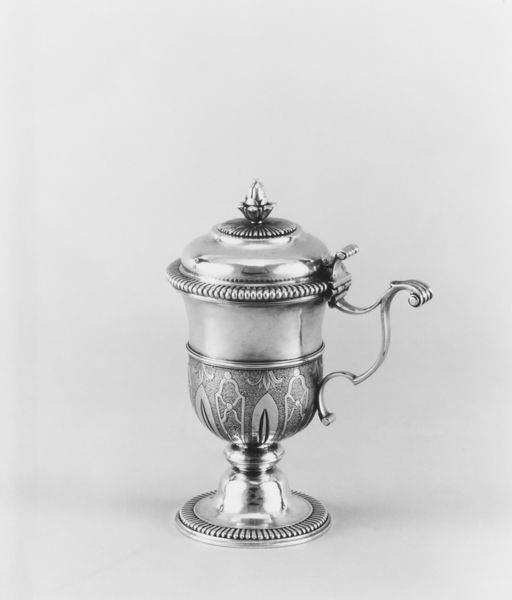
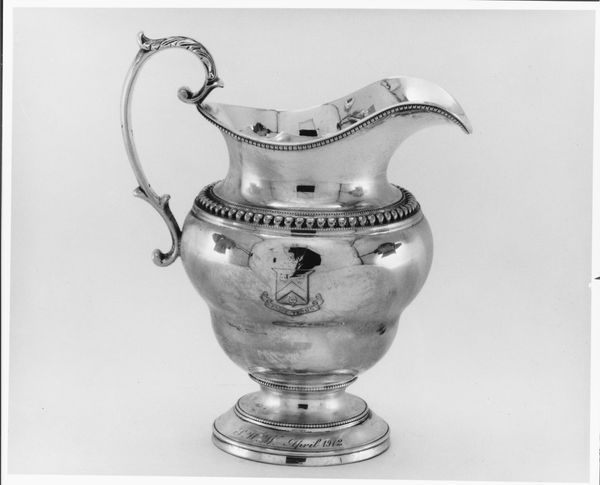
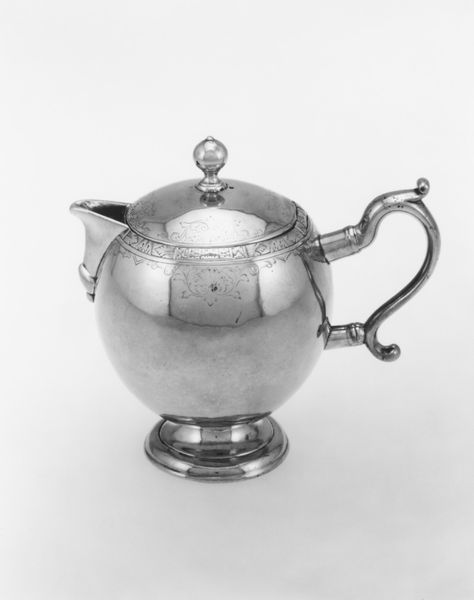
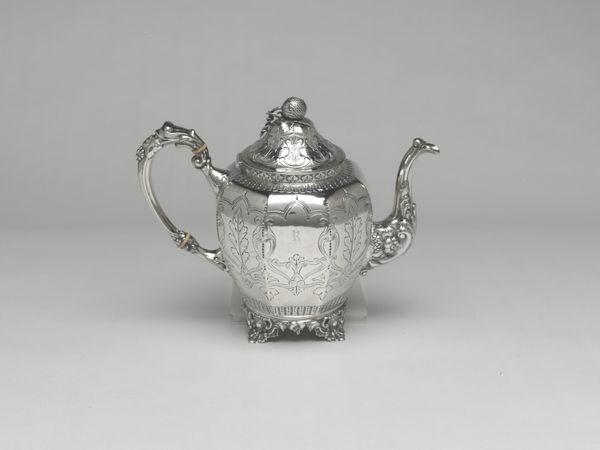
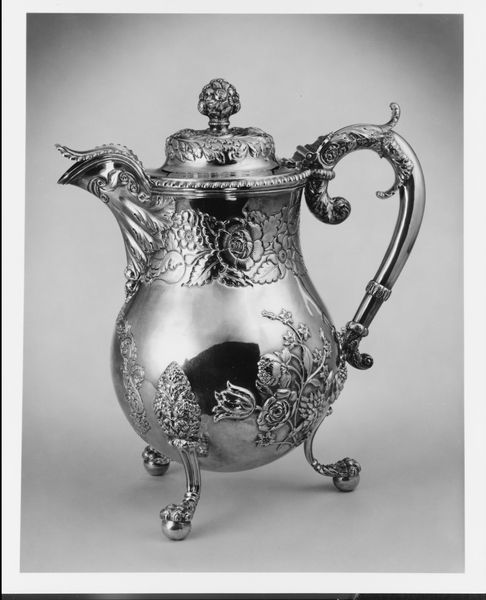
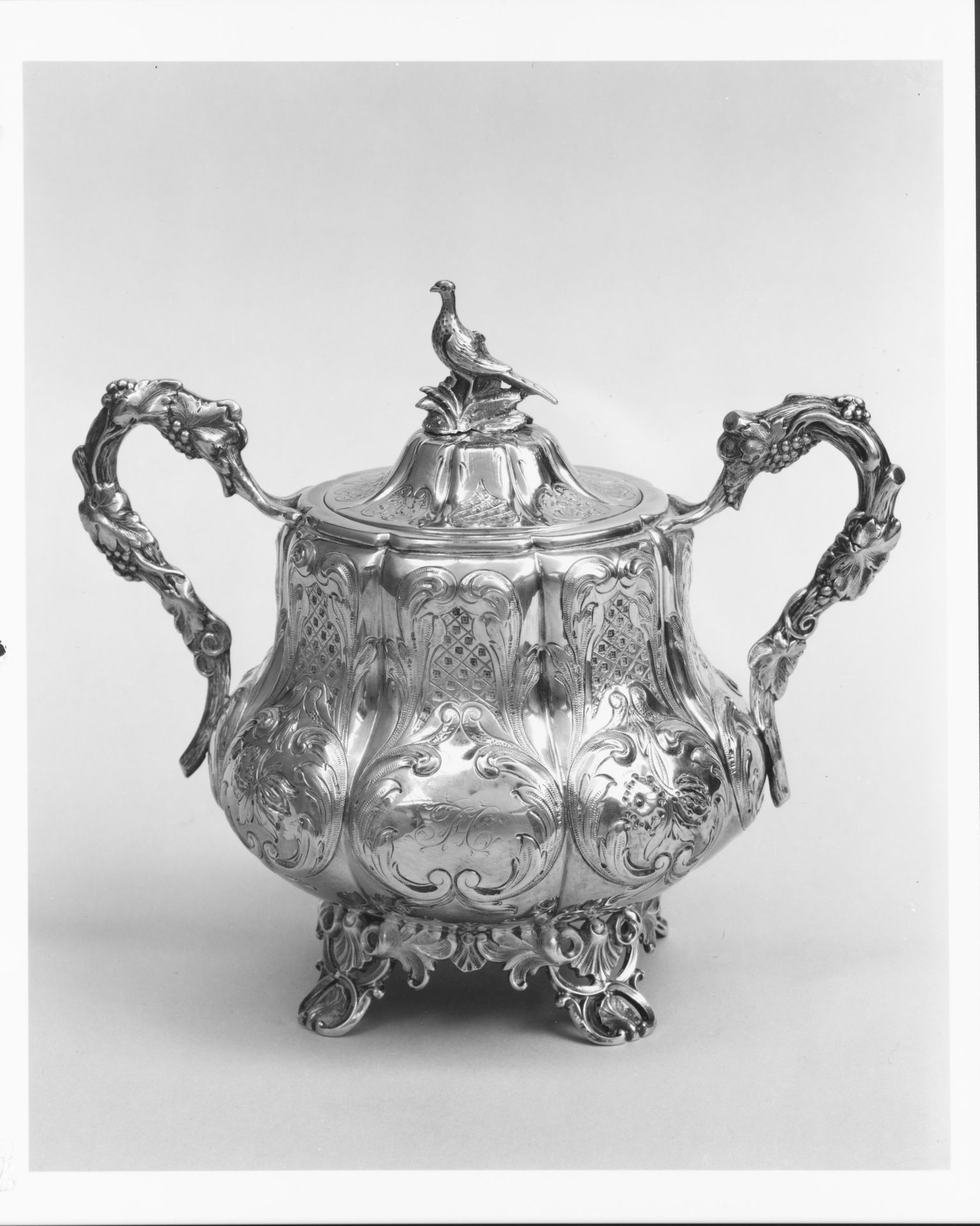
This silver sugar bowl was made by Ball, Tompkins and Black around 1839. Silver like this wasn't just a precious material; its creation was labor-intensive. Consider the silversmith's process: hammering, shaping, engraving, and polishing. The handles, cast separately, display an extraordinary virtuosity. These weren't mere functional elements, but rather sculptural statements. Silver’s malleability allowed for intricate designs, while its luster signaled luxury. The social significance of this piece lies in its role as a status symbol. Tea ceremonies were important social events, and owning such a vessel would have been a clear demonstration of wealth. But it also reflects a wider system of labor, politics, and consumption. The amount of work that was involved in the production process meant that the sugar bowl was an item only the wealthy could afford. By looking closely at the material and the making, we gain a deeper understanding of the values and social relationships embedded in this object.
Sugar Bowl
1848 - 1851

Ball, Tompkins and Black
1839 - 1851
The Metropolitan Museum of Art
Metropolitan Museum of Art, New York, NYArtwork details
- Dimensions
- Overall: 7 1/4 x 8 7/16 x 5 5/8 in. (18.4 x 21.4 x 14.3 cm); 19 oz. 10 dwt. (605.7 g) Body: H. 6 3/16 in. (15.7 cm); 16 oz. 15 dwt. (521.3 g) Cover: H. 2 1/4 in. (5.7 cm); Diam. 3 3/16 in. (8.1 cm); 2 oz. 14 dwt. (84.4 g)
- Location
- Metropolitan Museum of Art, New York, NY
- Copyright
- Public Domain
Comments
Share your thoughts
About this artwork
This silver sugar bowl was made by Ball, Tompkins and Black around 1839. Silver like this wasn't just a precious material; its creation was labor-intensive. Consider the silversmith's process: hammering, shaping, engraving, and polishing. The handles, cast separately, display an extraordinary virtuosity. These weren't mere functional elements, but rather sculptural statements. Silver’s malleability allowed for intricate designs, while its luster signaled luxury. The social significance of this piece lies in its role as a status symbol. Tea ceremonies were important social events, and owning such a vessel would have been a clear demonstration of wealth. But it also reflects a wider system of labor, politics, and consumption. The amount of work that was involved in the production process meant that the sugar bowl was an item only the wealthy could afford. By looking closely at the material and the making, we gain a deeper understanding of the values and social relationships embedded in this object.
Comments
Share your thoughts