1819 - 1829
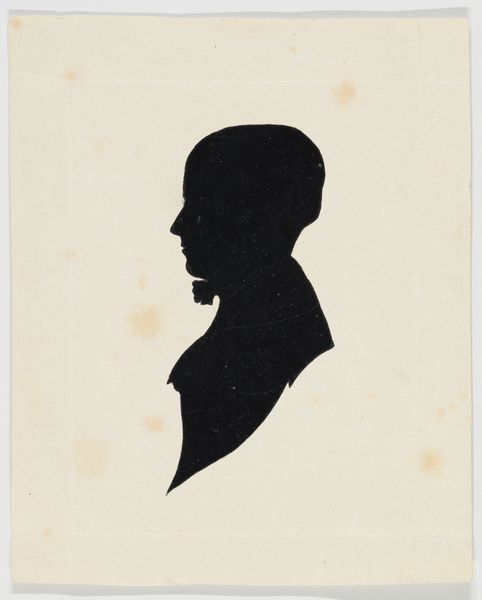
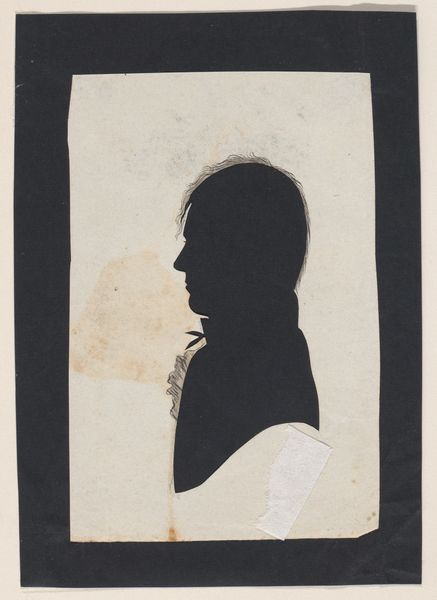
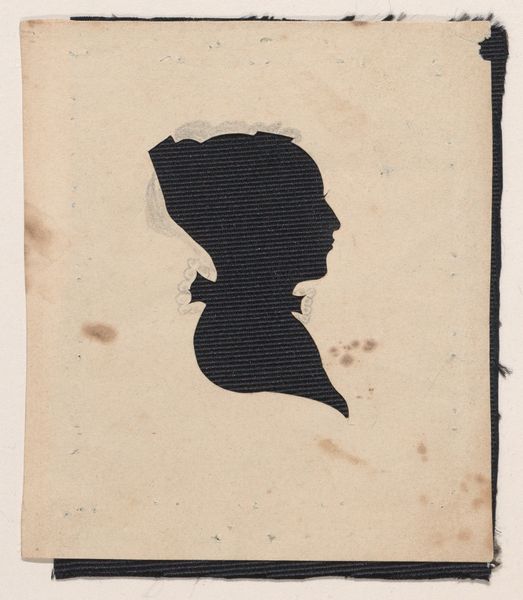
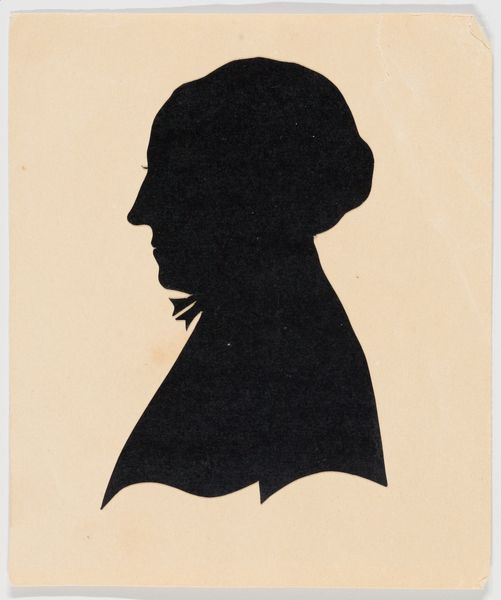
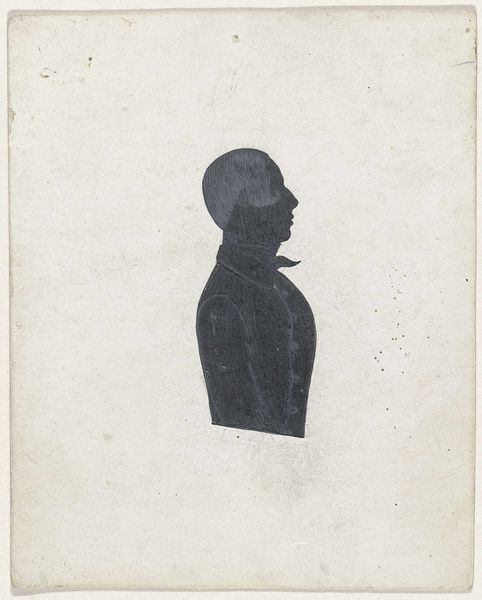
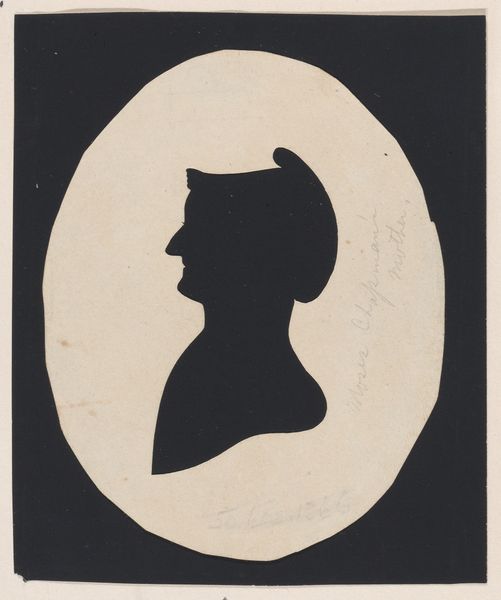
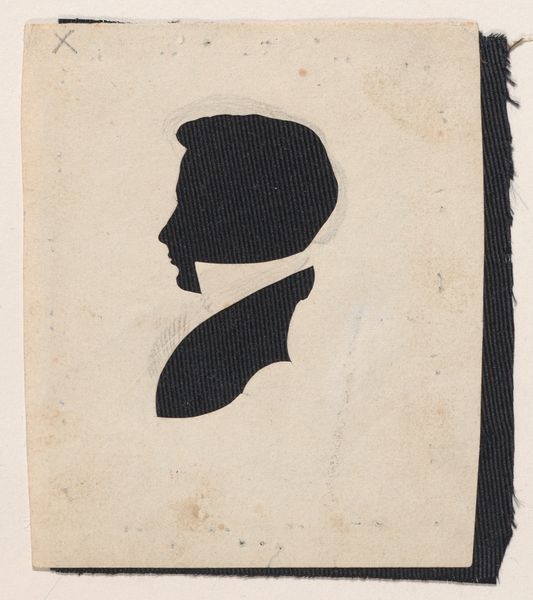
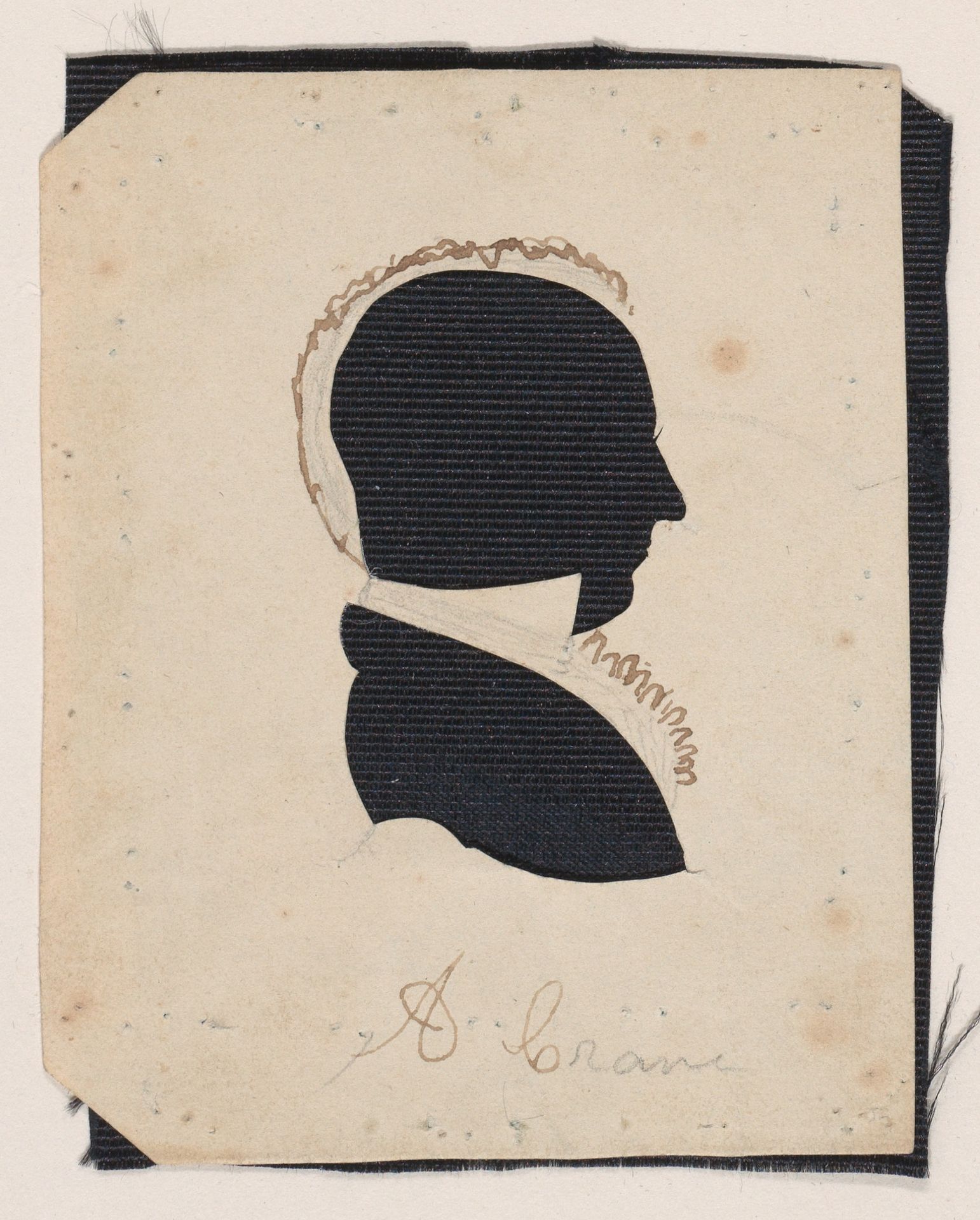
Silhouette of Aaron Crane, to right

William Chamberlain
1790 - 1890
The Metropolitan Museum of Art
Metropolitan Museum of Art, New York, NYListen to curator's interpretation
Curatorial notes
This silhouette of Aaron Crane was cut by William Chamberlain, an American artist of the 19th century. The silhouette as a symbol speaks to a primal urge to capture and preserve likeness; it reduces the individual to essential contours, almost like a shadow detached from its source. Think back to the ancient world: Plato, in his allegory of the cave, used shadows to represent a limited understanding of reality. This resonates here; the silhouette is not the man himself, but an echo, prompting us to consider what is revealed and concealed in this stark representation. Consider, too, the power of anonymity. The silhouette masks detail, inviting projections and interpretations. The ruffled collar—a signifier of status—remains, yet the man’s inner life is obscured, making us confront the boundaries of representation and the elusive nature of identity.