About this artwork
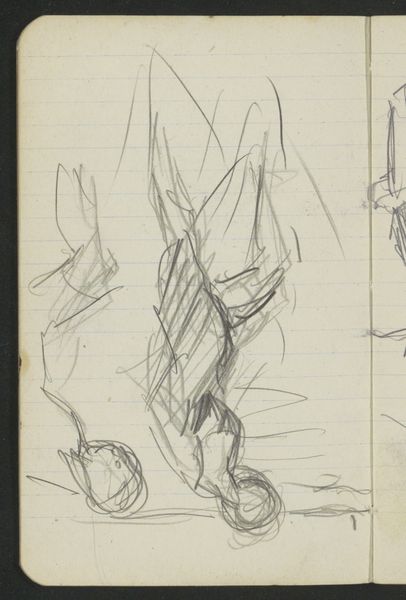
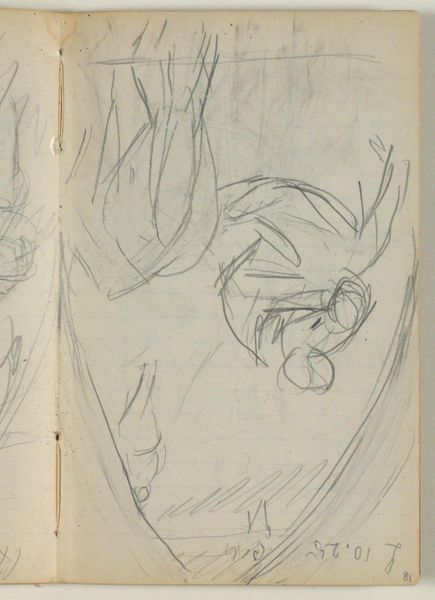
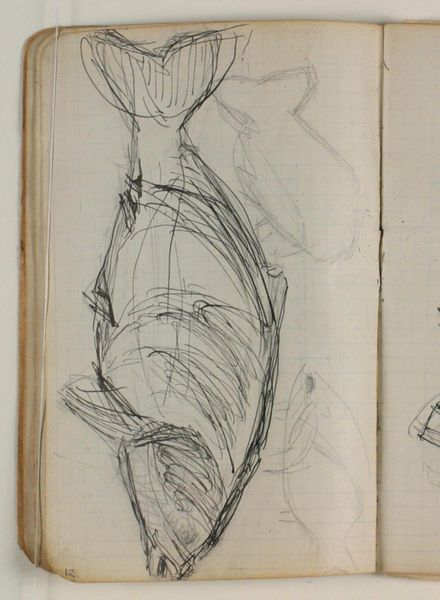
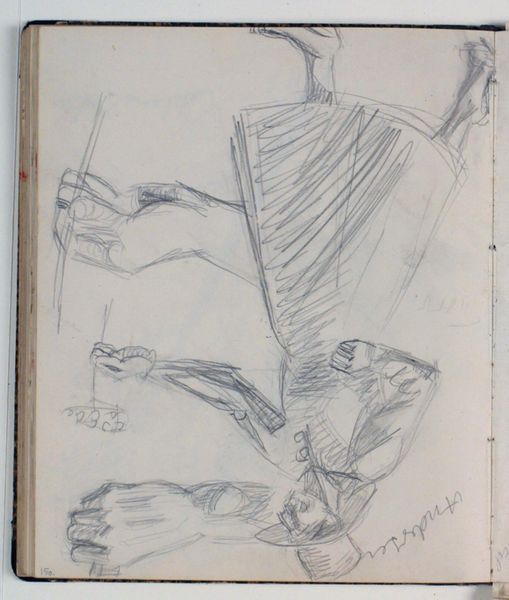
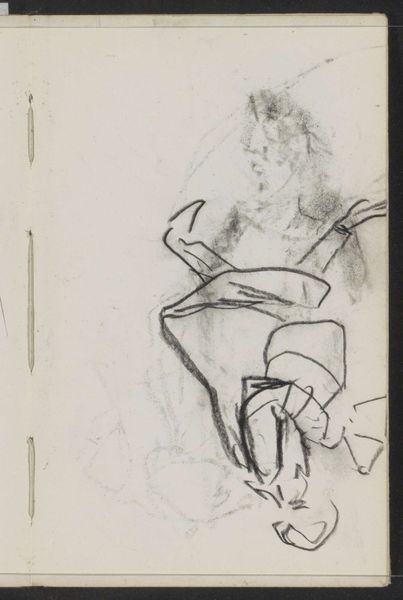
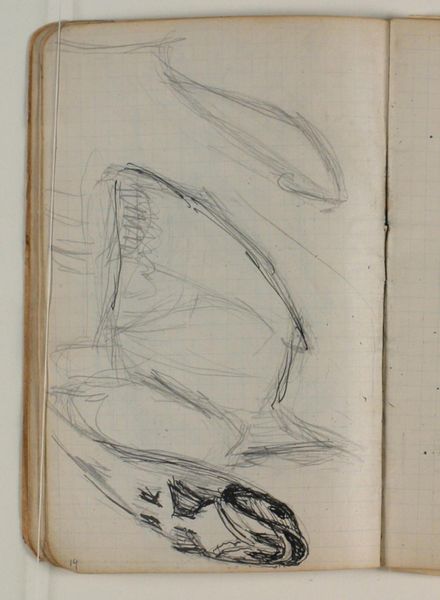
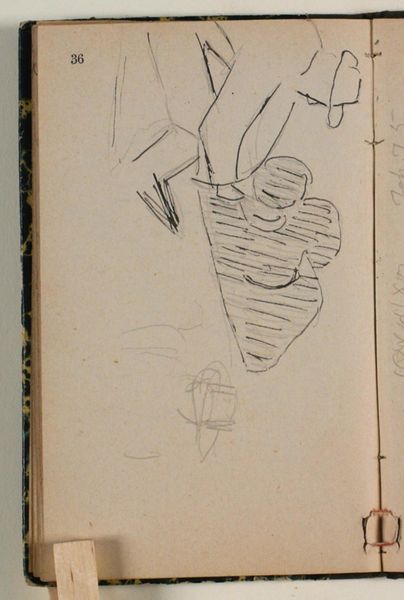
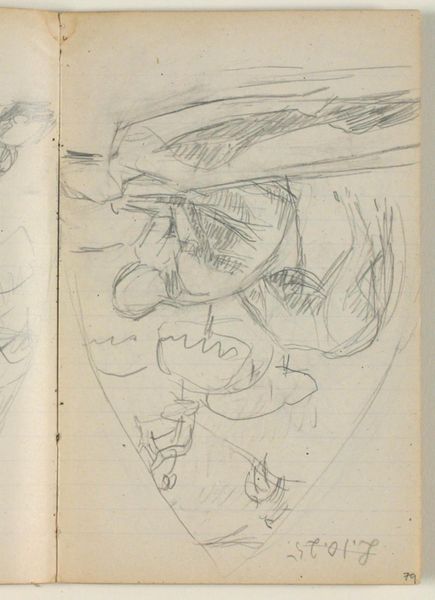
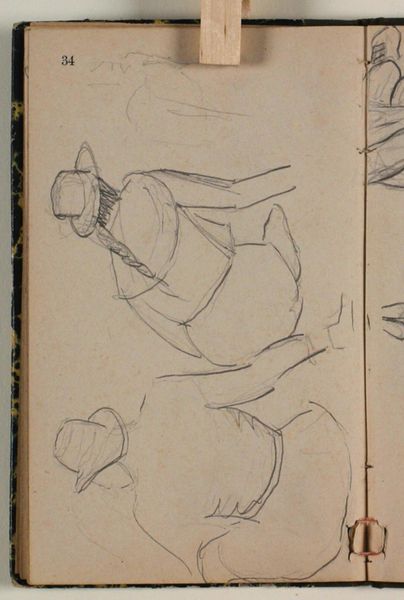
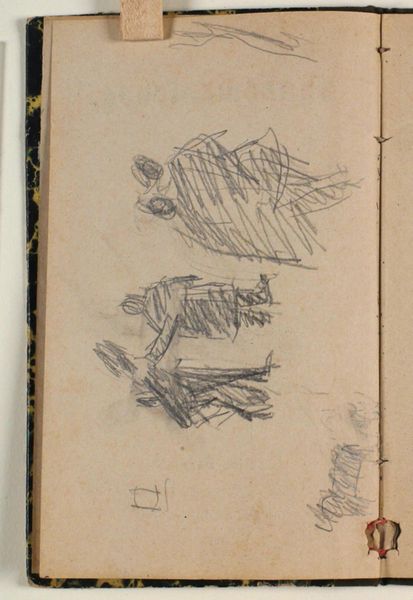
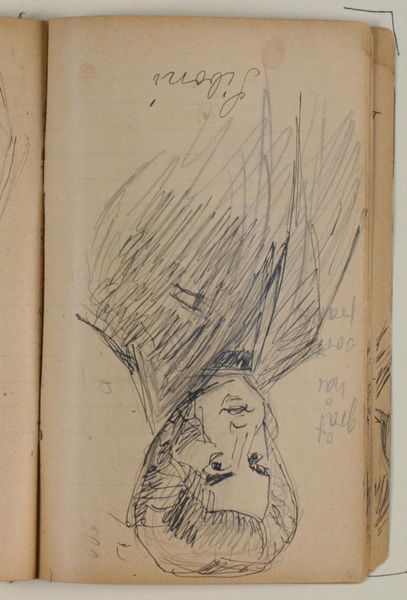
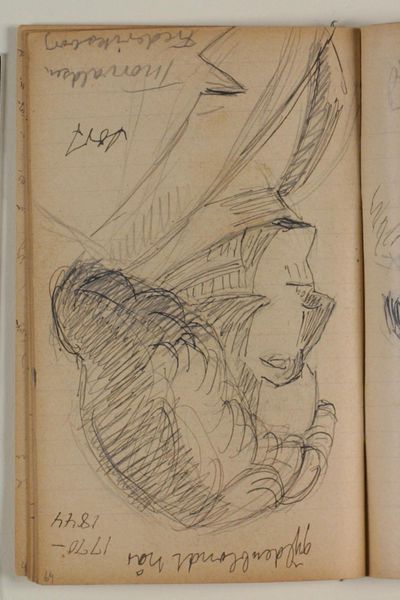
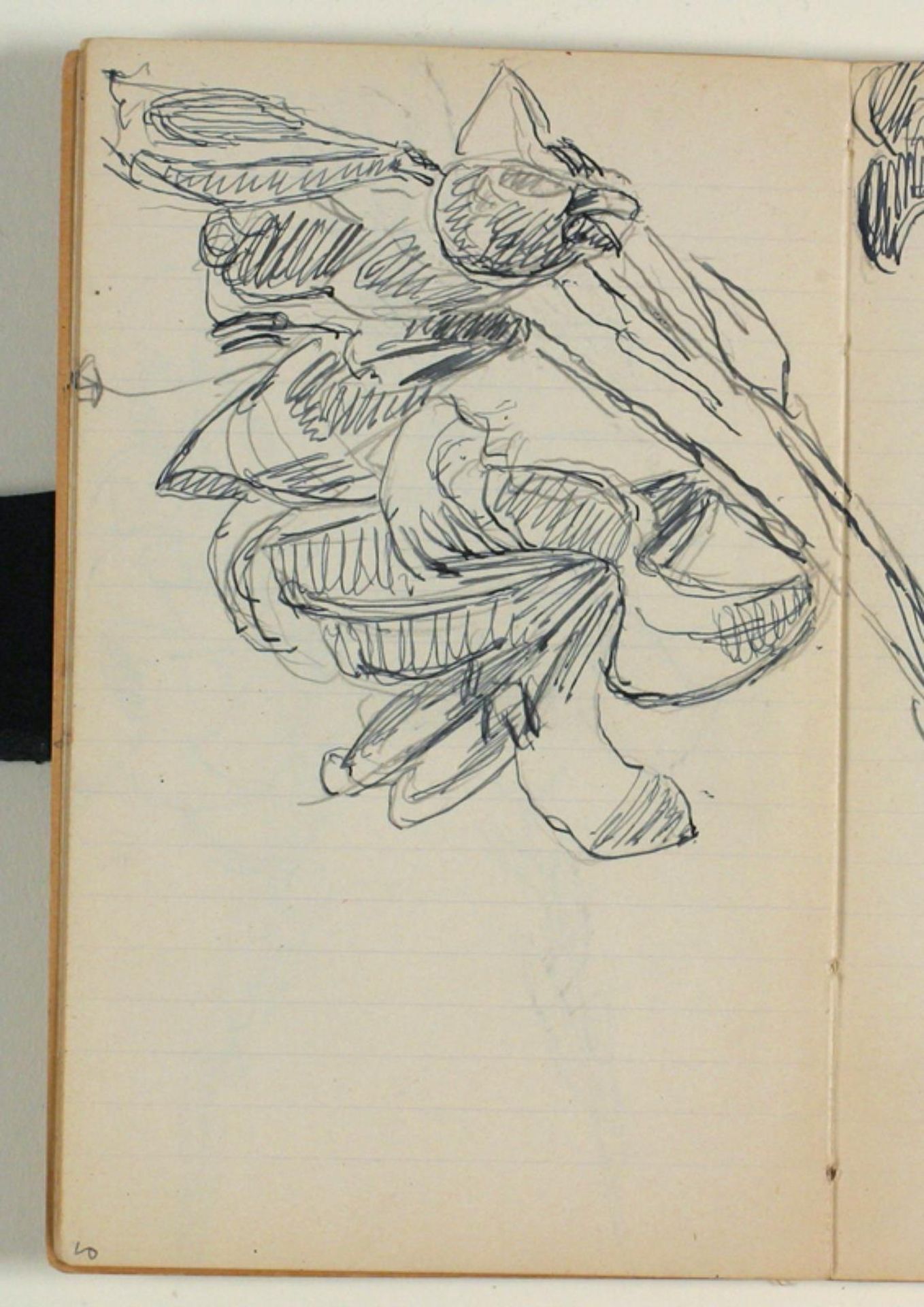
Niels Larsen Stevns made this flower study using ink on paper; we don't know exactly when. The drawing, held by the Statens Museum for Kunst, seems to explore ideas relating to naturalism and perhaps even the institutional frameworks in which art is created and studied. The sketch aesthetic and the use of a lined page may point to this. Stevns was Danish and lived through a time of significant social and artistic change. Consider the influence of Denmark's natural environment, its artistic traditions, and the broader European art scene. The act of studying flowers through drawing can be seen as a scientific endeavor, fitting into a larger cultural interest in understanding the natural world. By situating the artwork in relation to its social context, we can better understand its meaning and significance. Investigating exhibition records, artist's letters, and contemporary critical writings can enrich our understanding and demonstrate that the meaning of art is contingent on social and institutional contexts.
Blomsterstudier 1937 - 1938


Artwork details
- Medium
- drawing, paper, ink
- Dimensions
- 178 mm (height) x 111 mm (width) x 5 mm (depth) (monteringsmaal), 178 mm (height) x 111 mm (width) (bladmaal)
- Location
- SMK - Statens Museum for Kunst
Tags
drawing
pen sketch
paper
ink
realism
Comments
No comments
About this artwork
Niels Larsen Stevns made this flower study using ink on paper; we don't know exactly when. The drawing, held by the Statens Museum for Kunst, seems to explore ideas relating to naturalism and perhaps even the institutional frameworks in which art is created and studied. The sketch aesthetic and the use of a lined page may point to this. Stevns was Danish and lived through a time of significant social and artistic change. Consider the influence of Denmark's natural environment, its artistic traditions, and the broader European art scene. The act of studying flowers through drawing can be seen as a scientific endeavor, fitting into a larger cultural interest in understanding the natural world. By situating the artwork in relation to its social context, we can better understand its meaning and significance. Investigating exhibition records, artist's letters, and contemporary critical writings can enrich our understanding and demonstrate that the meaning of art is contingent on social and institutional contexts.
Comments
No comments