About this artwork
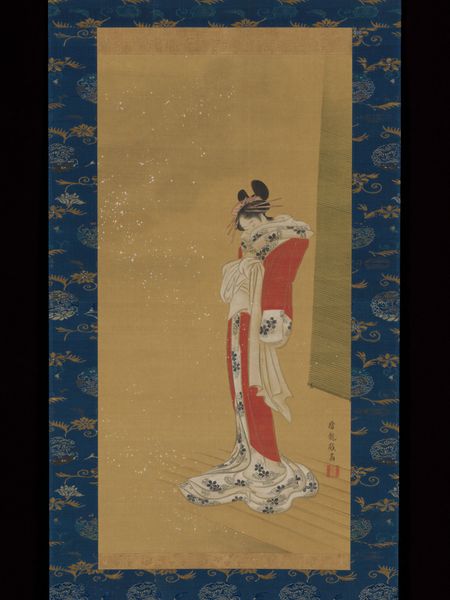
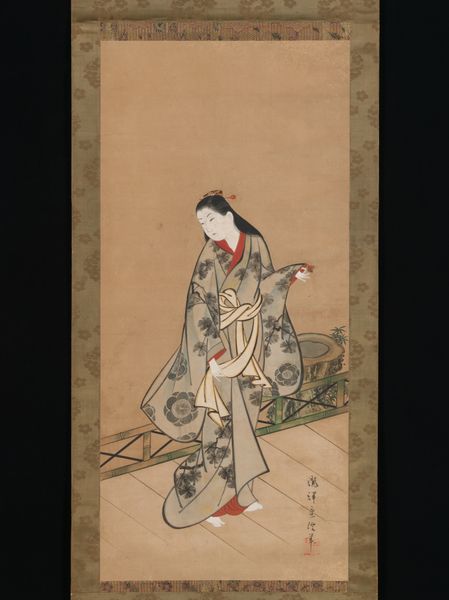
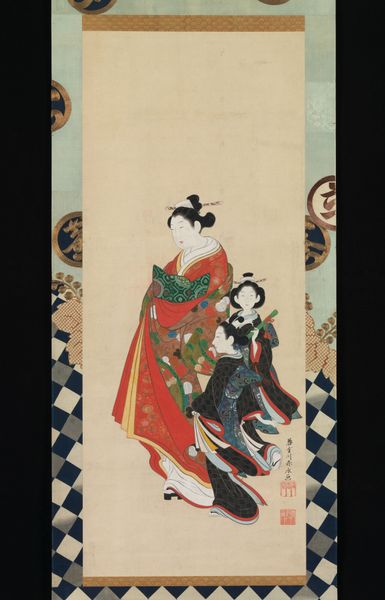
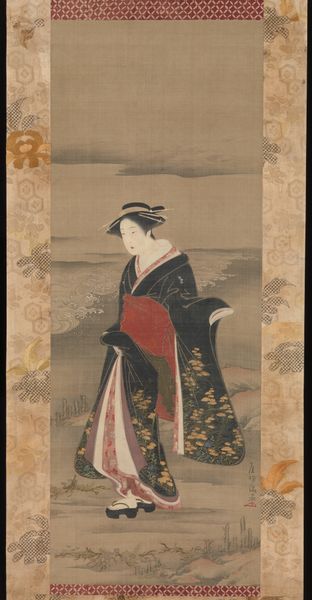
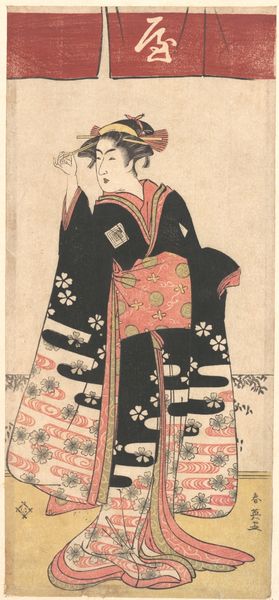
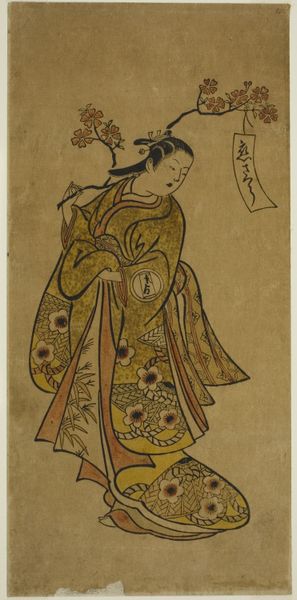
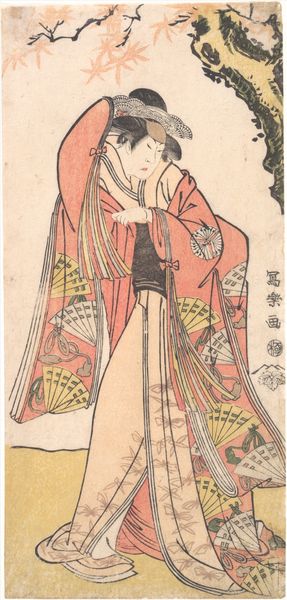
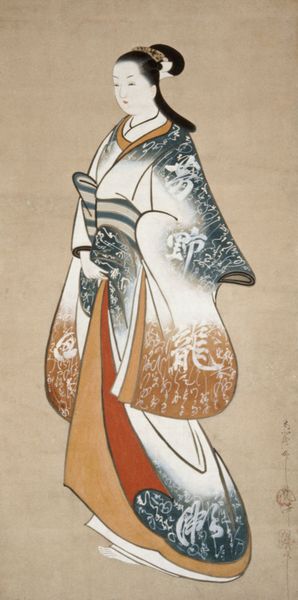
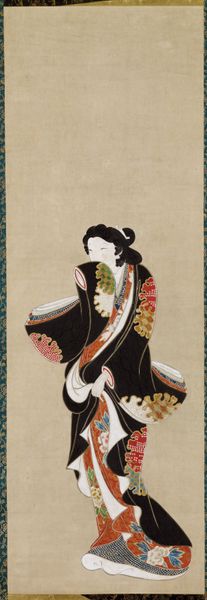
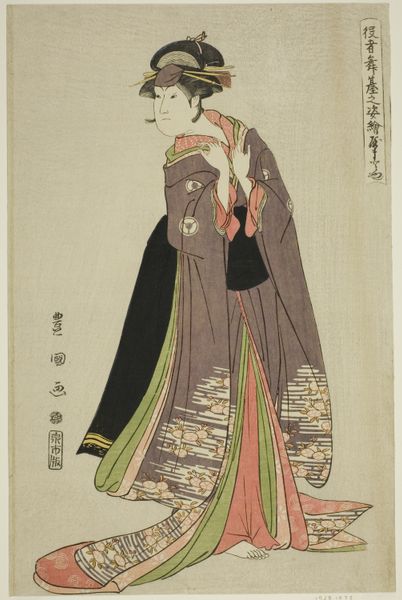
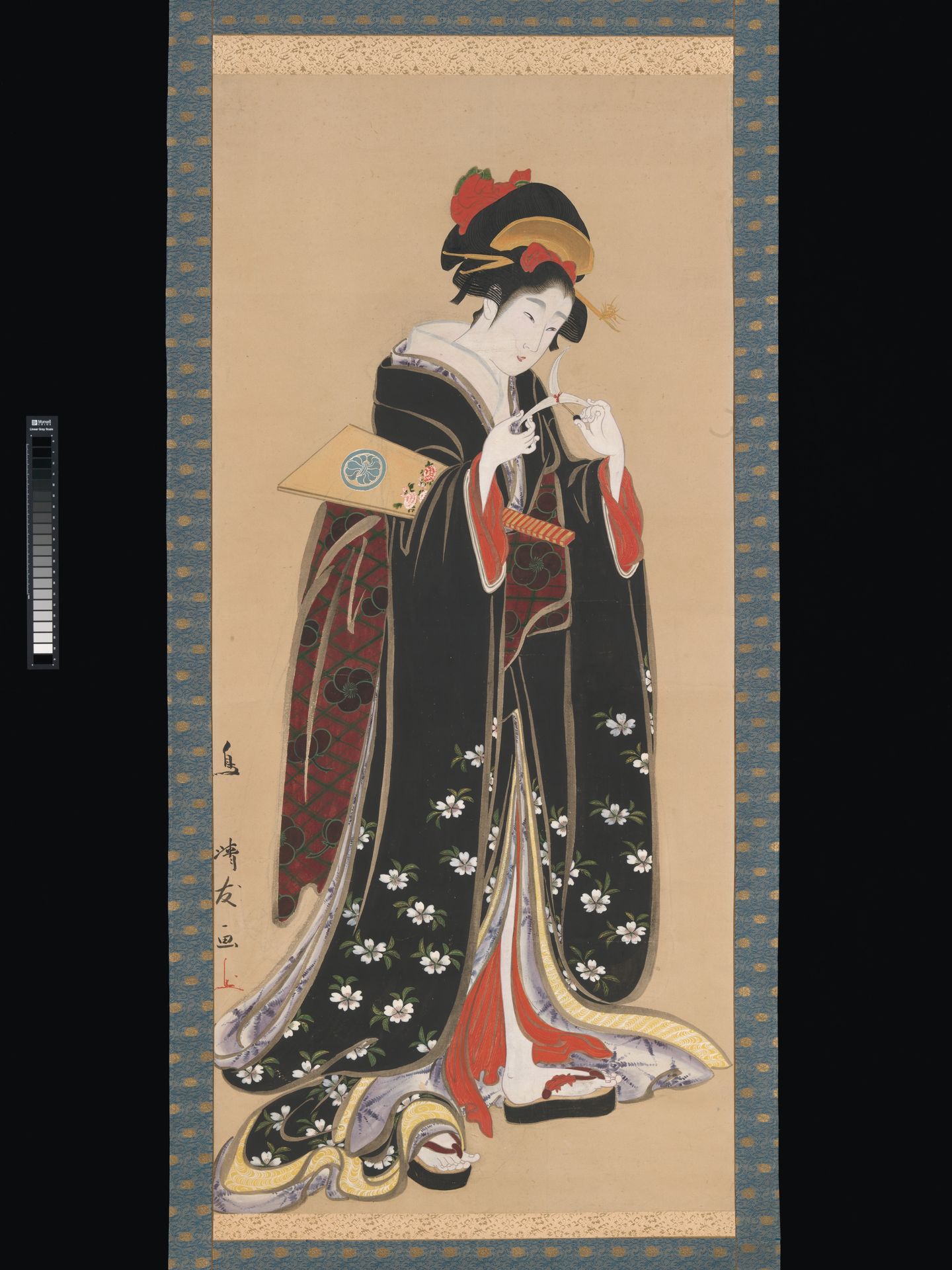
"Woman with Battledore and Shuttlecock" was created by Torii Kiyotomo in the late Edo period. The artwork encapsulates the cultural and social life during a time of relative peace and prosperity. This painting portrays a woman, likely from the merchant class, engaged in a moment of leisure. This everyday scene reflects the growing importance of female figures in art, moving beyond traditional representations to embrace images of women enjoying leisurely activities. The Battledore and Shuttlecock, a popular game played especially during the New Year, symbolizes a wish for good health and fortune. Yet, beyond the surface, the image subtly hints at the social expectations placed on women, their roles often confined to the domestic sphere. The artist captures not only the physical appearance but also the mood of quiet concentration. The scene provides a glimpse into the lives of women in Edo society. It prompts us to consider the complex interplay between leisure, gender roles, and social status in shaping individual experiences.
Woman with Battledore and Shuttlecock
1815 - 1820


Artwork details
- Medium
- painting
- Dimensions
- Image: 45 3/16 × 20 11/16 in. (114.8 × 52.5 cm) Overall with mounting: 71 1/4 × 24 1/8 in. (181 × 61.2 cm) Overall with knobs: 71 1/4 × 26 3/8 in. (181 × 67 cm)
- Location
- Metropolitan Museum of Art, New York, NY
- Copyright
- Public Domain
Tags
Comments
Share your thoughts
About this artwork
"Woman with Battledore and Shuttlecock" was created by Torii Kiyotomo in the late Edo period. The artwork encapsulates the cultural and social life during a time of relative peace and prosperity. This painting portrays a woman, likely from the merchant class, engaged in a moment of leisure. This everyday scene reflects the growing importance of female figures in art, moving beyond traditional representations to embrace images of women enjoying leisurely activities. The Battledore and Shuttlecock, a popular game played especially during the New Year, symbolizes a wish for good health and fortune. Yet, beyond the surface, the image subtly hints at the social expectations placed on women, their roles often confined to the domestic sphere. The artist captures not only the physical appearance but also the mood of quiet concentration. The scene provides a glimpse into the lives of women in Edo society. It prompts us to consider the complex interplay between leisure, gender roles, and social status in shaping individual experiences.
Comments
Share your thoughts