About this artwork
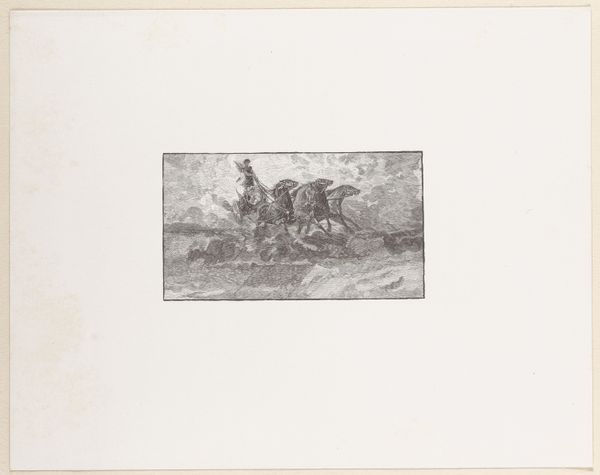
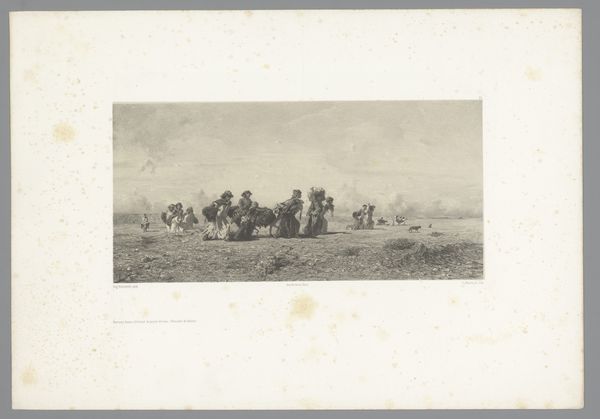
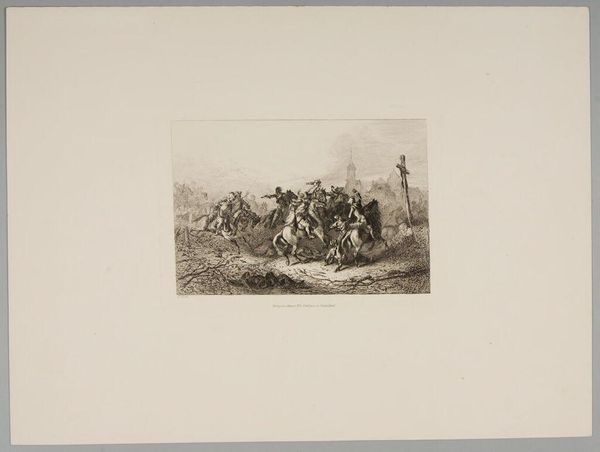
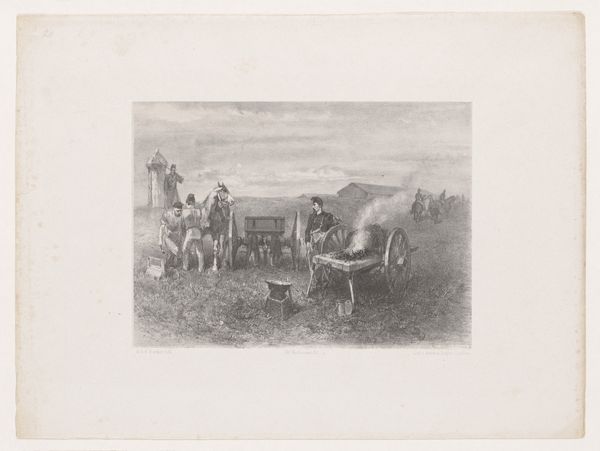
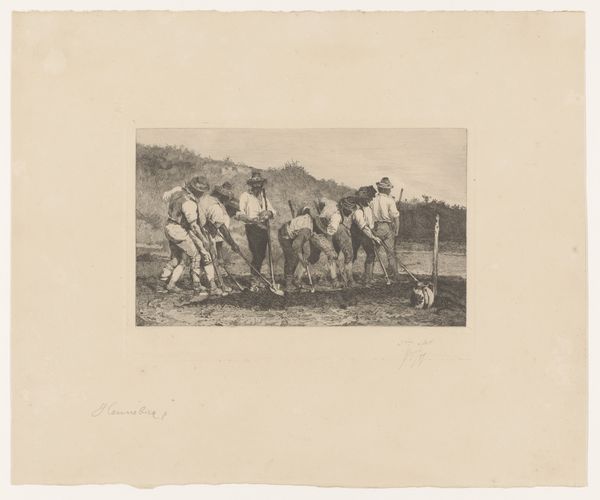
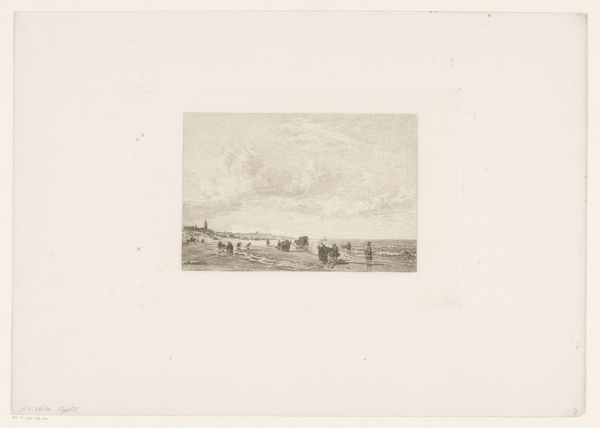
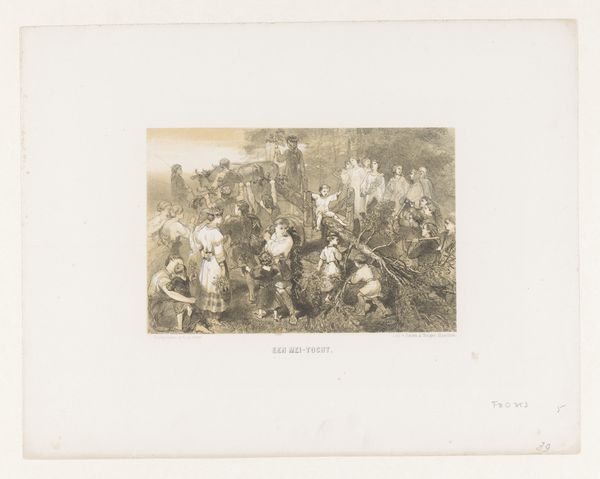
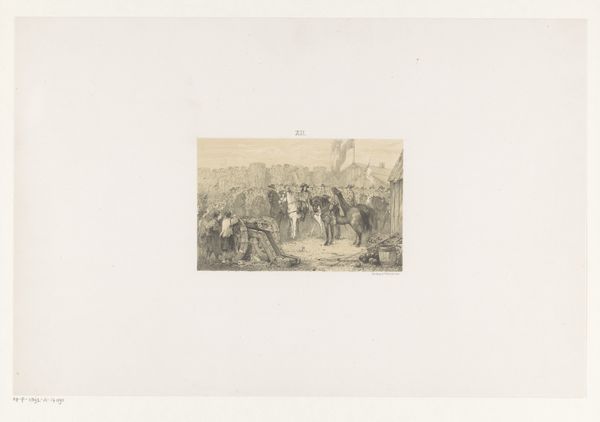
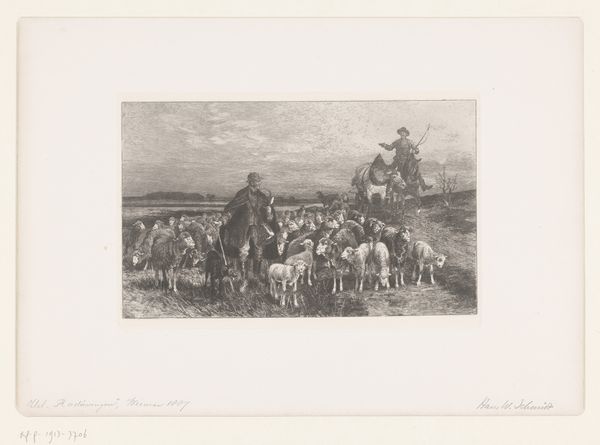
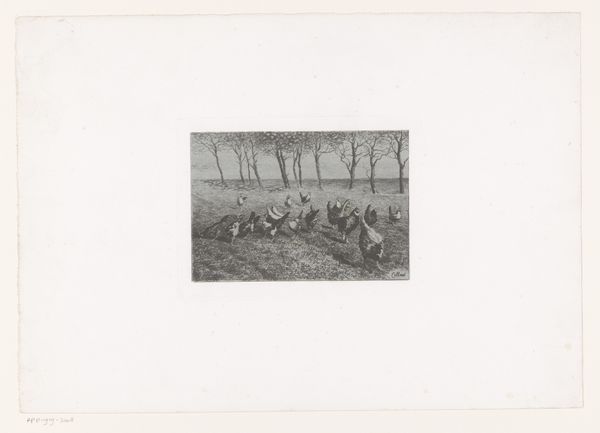
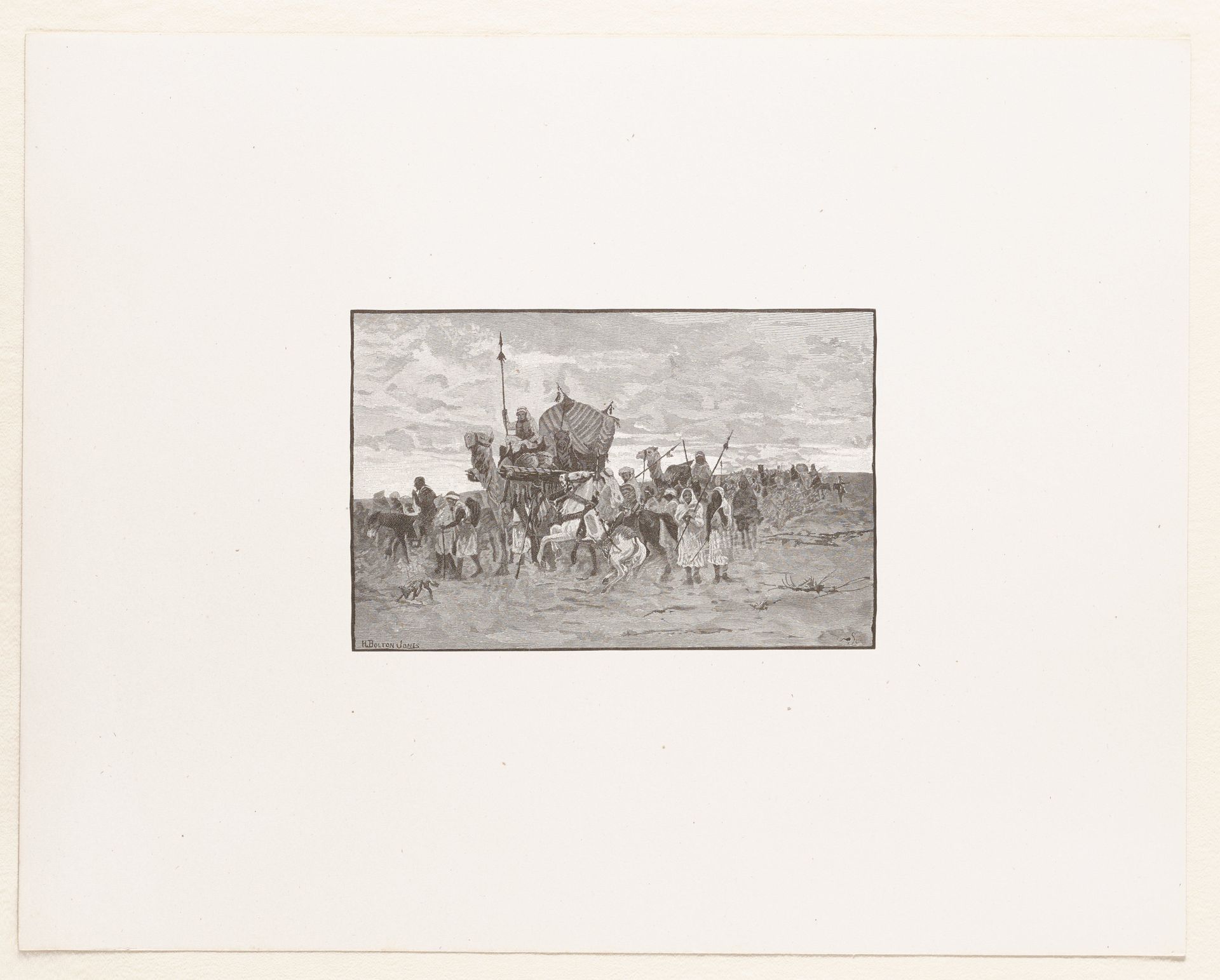
This small print, made by William B. Closson, is made from engraved wood, a process by which an image is carved into the end-grain of the block. The material of wood is critical here. Its relative hardness allows for a high level of detail, and the way the artist has worked the surface allows for a stunning range of tonal variation. Lines create visual texture, mass, and depth to render the scene of a caravan procession. It’s worth considering the labor involved in making something like this; the skill of the artist, of course, but also the behind-the-scenes economies that would have allowed the artist to have time and resources to dedicate to such a meticulous process. Thinking about materials and making in this way gives us a deeper sense of the image’s significance. It is a beautiful and evocative depiction, but also a document of the artistic practices of its time.
Untitled (caravan)
c. 19th century


Artwork details
- Medium
- print, woodcut, wood-engraving, engraving
- Dimensions
- 3 9/16 x 5 7/16 in. (9.05 x 13.81 cm) (image)9 1/2 x 12 1/16 in. (24.13 x 30.64 cm) (sheet)
- Location
- Minneapolis Institute of Art
- Copyright
- Public Domain
Tags
Comments
Share your thoughts
About this artwork
This small print, made by William B. Closson, is made from engraved wood, a process by which an image is carved into the end-grain of the block. The material of wood is critical here. Its relative hardness allows for a high level of detail, and the way the artist has worked the surface allows for a stunning range of tonal variation. Lines create visual texture, mass, and depth to render the scene of a caravan procession. It’s worth considering the labor involved in making something like this; the skill of the artist, of course, but also the behind-the-scenes economies that would have allowed the artist to have time and resources to dedicate to such a meticulous process. Thinking about materials and making in this way gives us a deeper sense of the image’s significance. It is a beautiful and evocative depiction, but also a document of the artistic practices of its time.
Comments
Share your thoughts