About this artwork
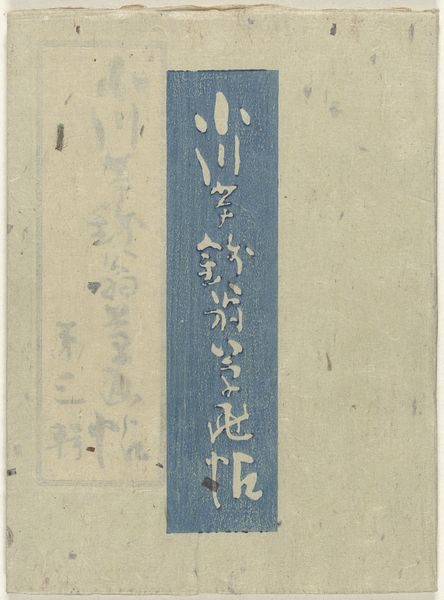
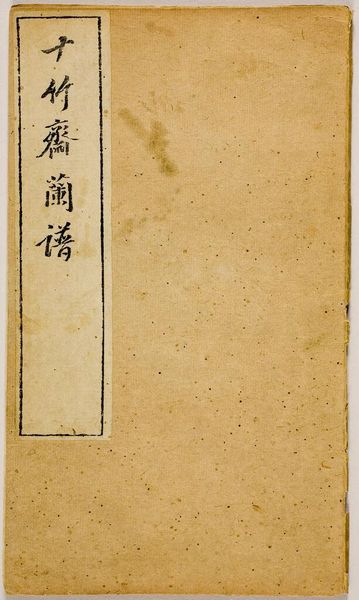
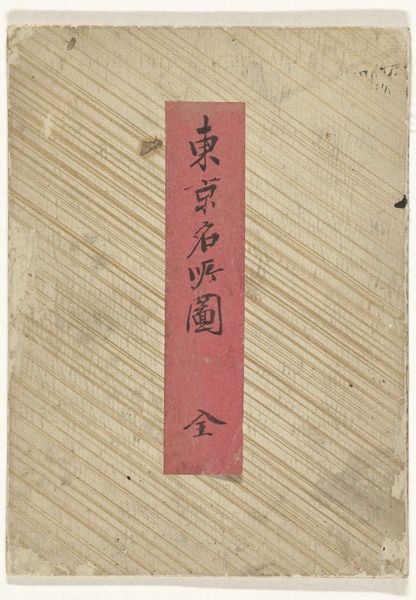
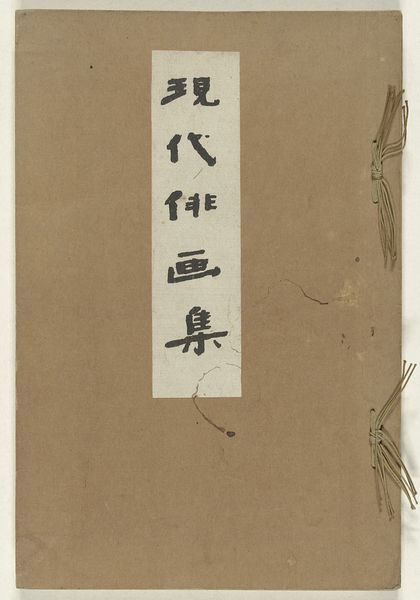
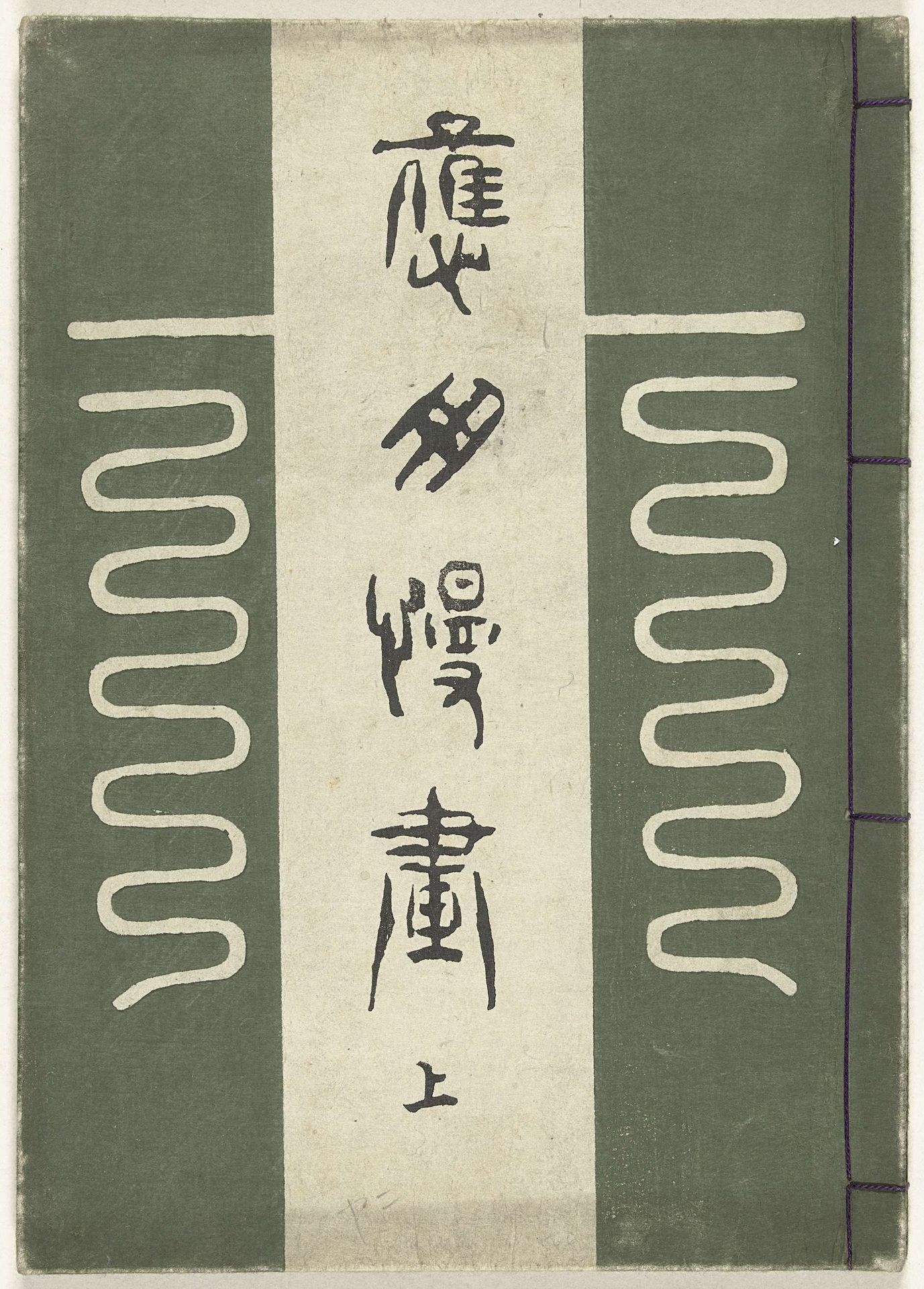
Ogino Issui made this cover for "Practical Sketches, Part One" sometime between 1900 and 1910. I love how the design feels like a set of instructions, a kind of visual score almost. The materiality is key here: the way the colors are separated so distinctly, that pale green and chalky white. It creates this stark contrast, but it's also softened by the texture of the paper. I want to touch it! See how the vertical band with the text is slightly off-center? That asymmetry gives the whole image a kind of push and pull, a dynamic tension. It's like the image is breathing. I find myself drawn to the squiggles on either side. They aren't perfect, but they have a kind of hand-drawn quality that feels really human. It reminds me of Hokusai's "Great Wave," the way a simple line can convey so much movement and energy. It all points to the idea that art is a conversation, an ongoing exploration of form and meaning. It's never fixed, never complete, and that's what makes it so exciting.

Artwork details
- Medium
- drawing, paper, ink
- Dimensions
- height 253 mm, width 180 mm
- Location
- Rijksmuseum
- Copyright
- Rijks Museum: Open Domain
Tags
Comments
Share your thoughts
About this artwork
Ogino Issui made this cover for "Practical Sketches, Part One" sometime between 1900 and 1910. I love how the design feels like a set of instructions, a kind of visual score almost. The materiality is key here: the way the colors are separated so distinctly, that pale green and chalky white. It creates this stark contrast, but it's also softened by the texture of the paper. I want to touch it! See how the vertical band with the text is slightly off-center? That asymmetry gives the whole image a kind of push and pull, a dynamic tension. It's like the image is breathing. I find myself drawn to the squiggles on either side. They aren't perfect, but they have a kind of hand-drawn quality that feels really human. It reminds me of Hokusai's "Great Wave," the way a simple line can convey so much movement and energy. It all points to the idea that art is a conversation, an ongoing exploration of form and meaning. It's never fixed, never complete, and that's what makes it so exciting.
Comments
Share your thoughts