About this artwork
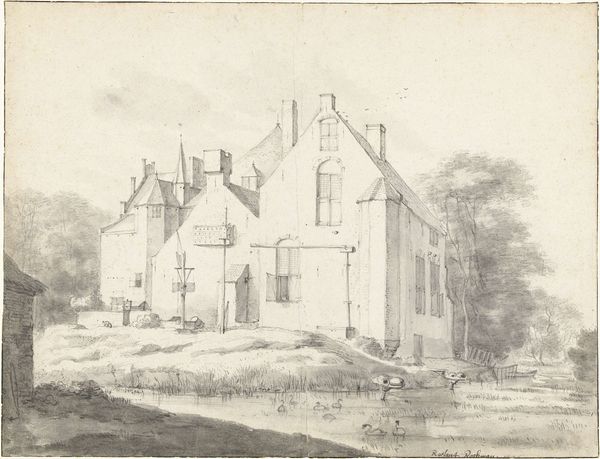
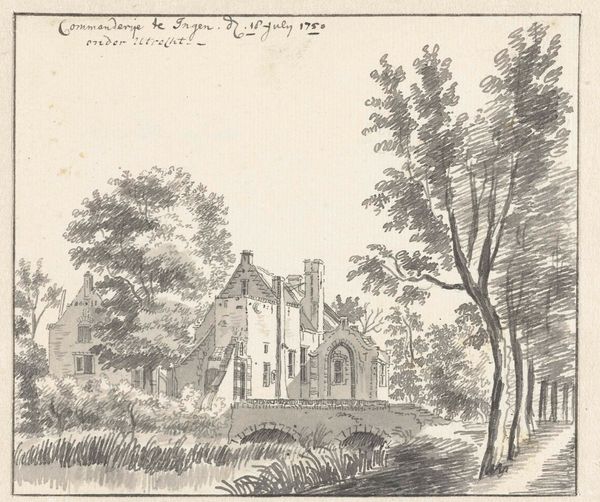
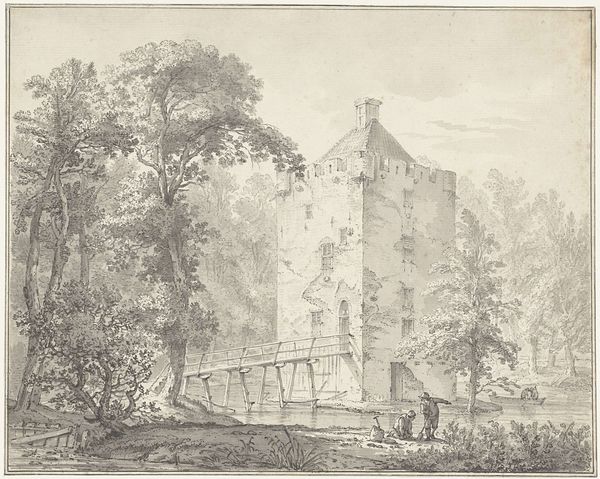
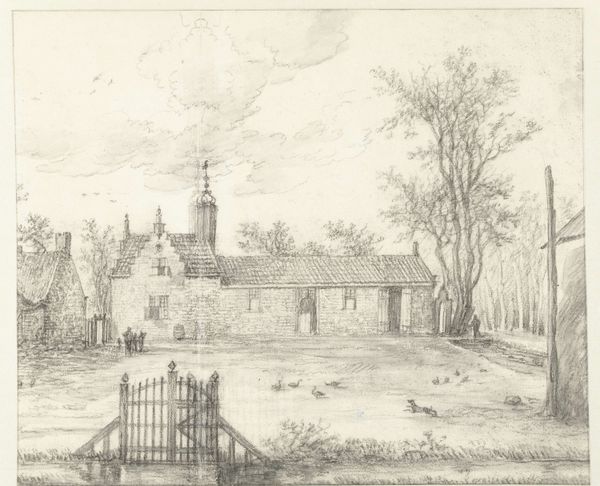
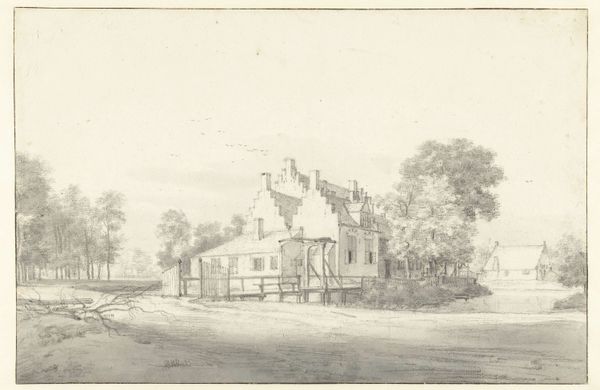
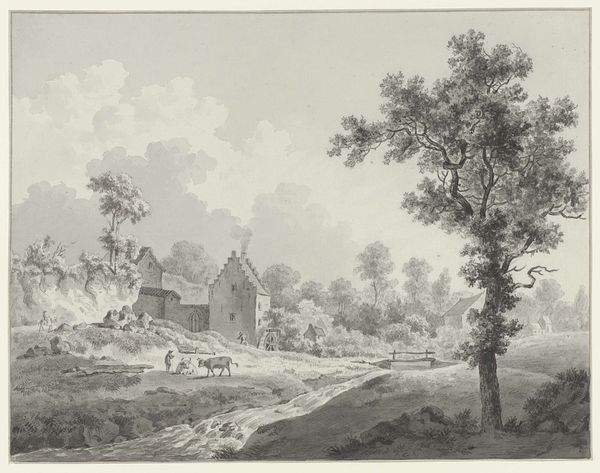
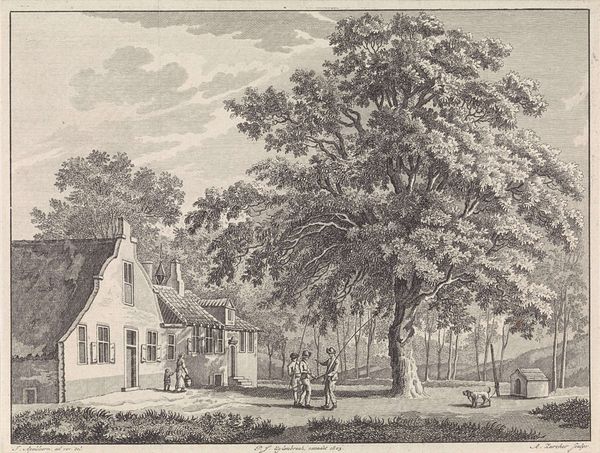
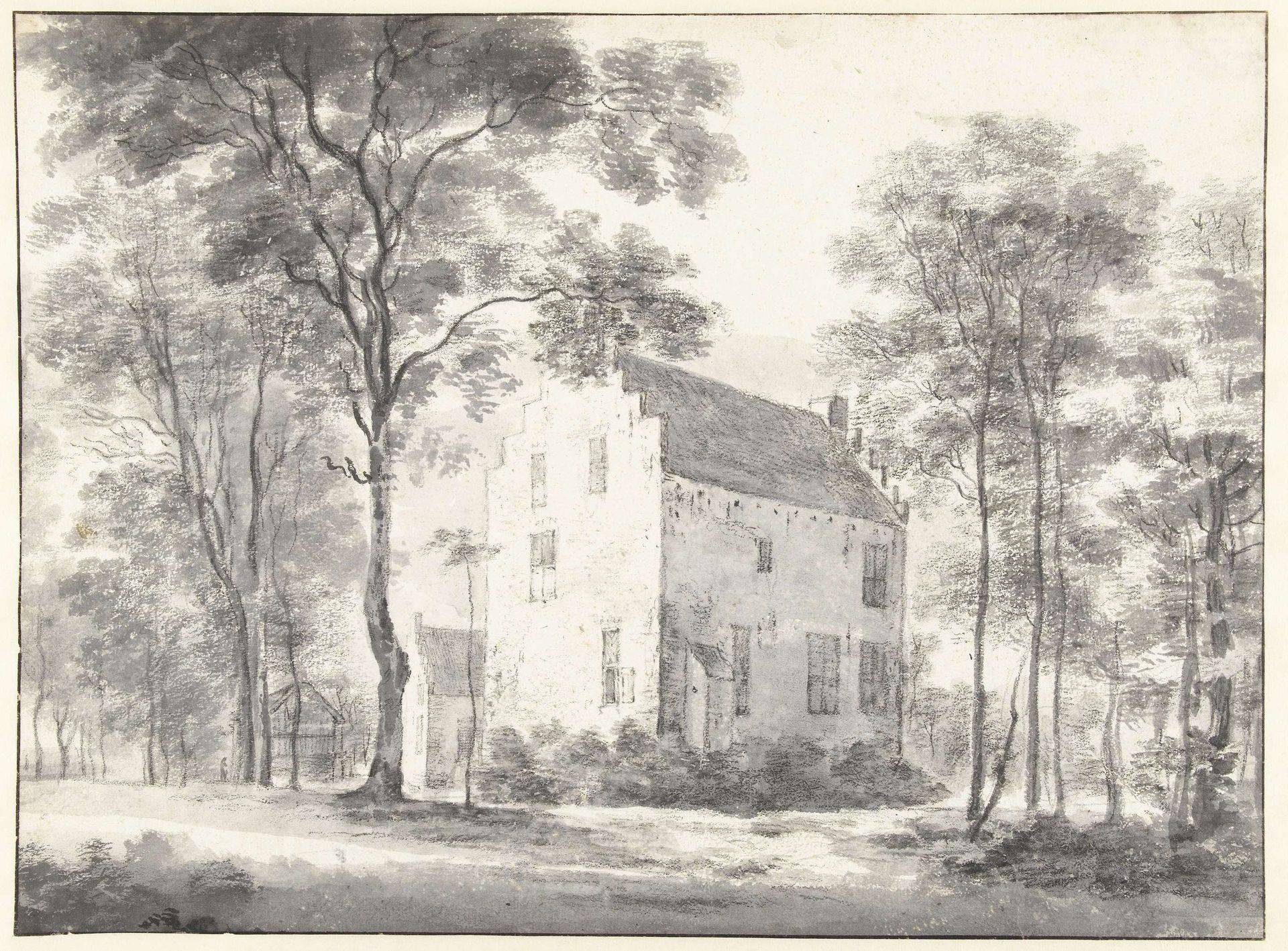
Roelant Roghman made this drawing of Kasteel Waijestein in the Netherlands using pen and brush in gray ink, likely during the mid-17th century. Roghman was part of a tradition of Dutch artists documenting the architecture and landscapes of their country. These images of castles and country estates reflected the cultural and economic importance of the Dutch aristocracy and merchant class during the Dutch Golden Age. We see an almost romantic interest in the national landscape. What is interesting is that this image was commissioned. Roghman made a series of over 200 drawings of castles and country estates for print publication. It may have been connected to a broader cultural project of mapping and cataloging the nation's resources, reflecting the growing sense of Dutch national identity and commercial power. Art historians consult estate records, travel journals, and architectural surveys, to better understand these images within their context. The meaning of Roghman’s work is shaped by the rise of Dutch power and the institutions that supported it.
View of Kasteel Waijestein, Seen from the East c. 1646 - 1647

Roelant Roghman
1627 - 1692Location
RijksmuseumArtwork details
- Medium
- drawing, paper, ink, architecture
- Dimensions
- height 351 mm, width 474 mm
- Location
- Rijksmuseum
- Copyright
- Rijks Museum: Open Domain
Tags
drawing
dutch-golden-age
landscape
paper
ink
architecture drawing
cityscape
architecture
realism
Comments
No comments
About this artwork
Roelant Roghman made this drawing of Kasteel Waijestein in the Netherlands using pen and brush in gray ink, likely during the mid-17th century. Roghman was part of a tradition of Dutch artists documenting the architecture and landscapes of their country. These images of castles and country estates reflected the cultural and economic importance of the Dutch aristocracy and merchant class during the Dutch Golden Age. We see an almost romantic interest in the national landscape. What is interesting is that this image was commissioned. Roghman made a series of over 200 drawings of castles and country estates for print publication. It may have been connected to a broader cultural project of mapping and cataloging the nation's resources, reflecting the growing sense of Dutch national identity and commercial power. Art historians consult estate records, travel journals, and architectural surveys, to better understand these images within their context. The meaning of Roghman’s work is shaped by the rise of Dutch power and the institutions that supported it.
Comments
No comments