About this artwork
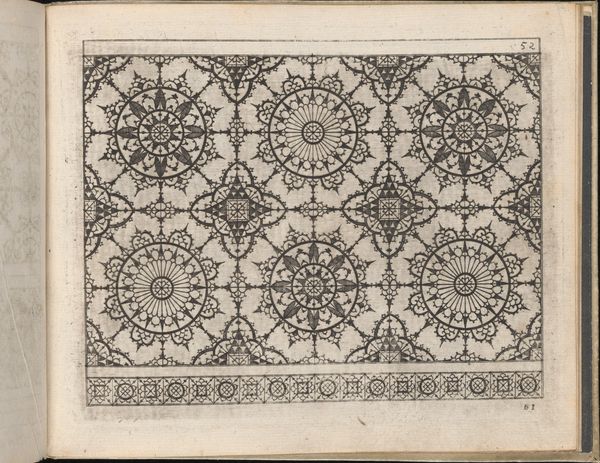
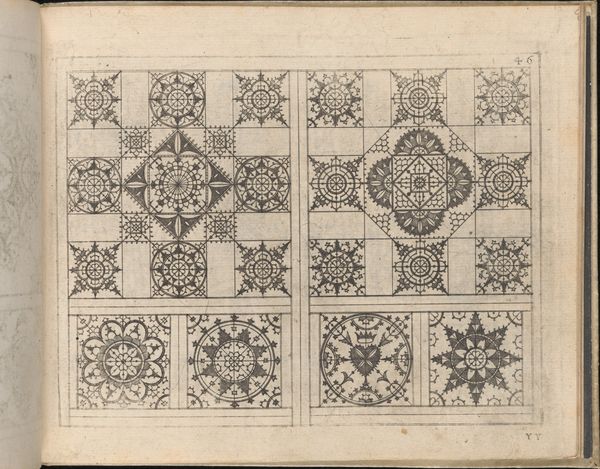
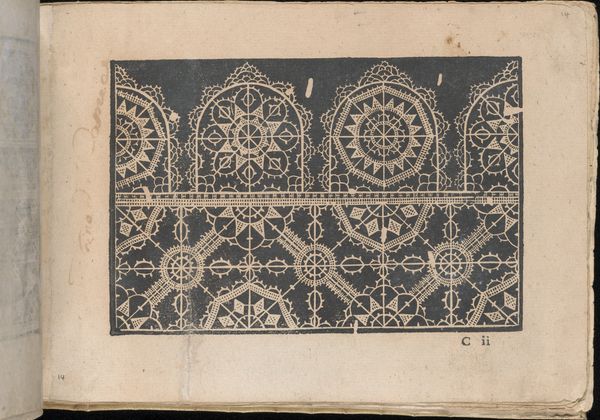
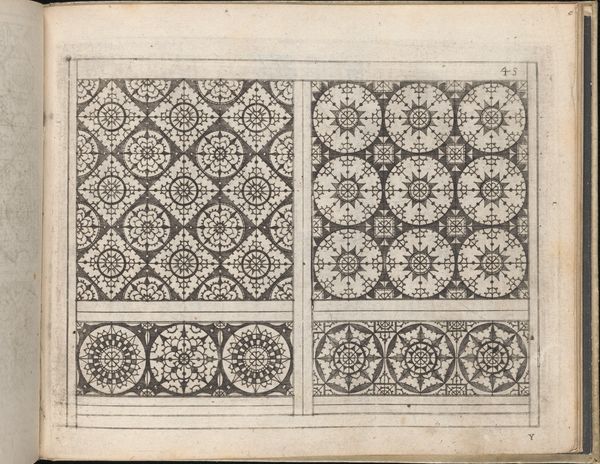
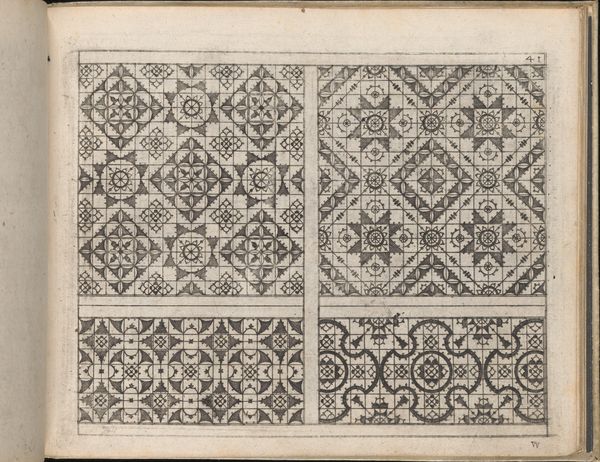
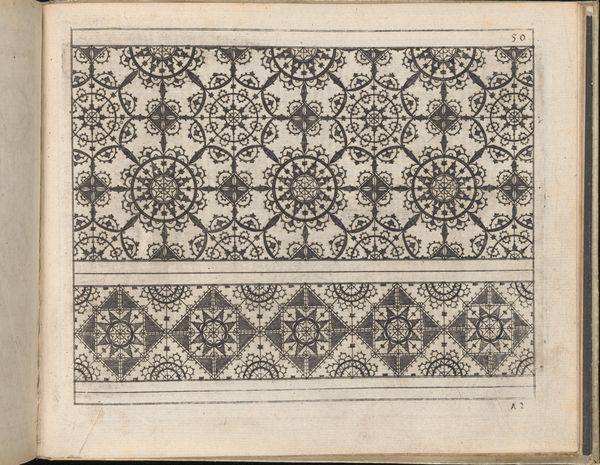
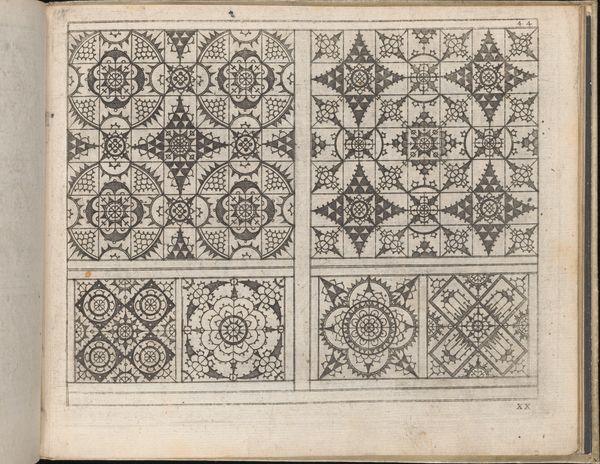
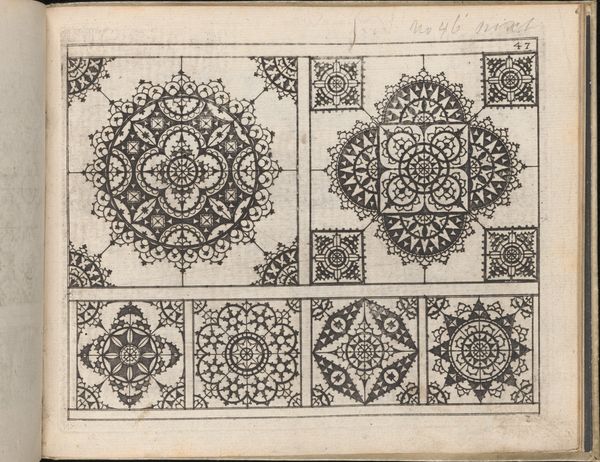
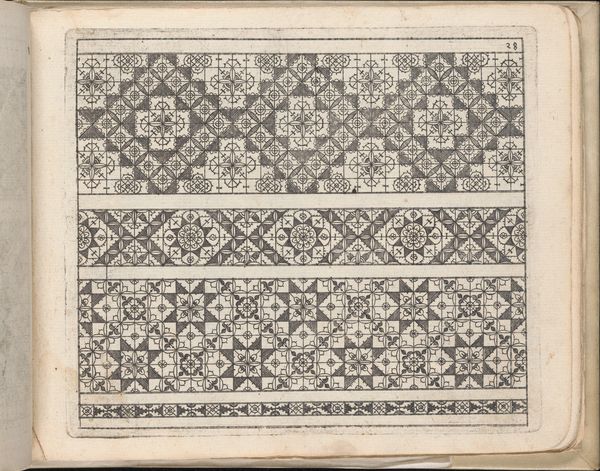
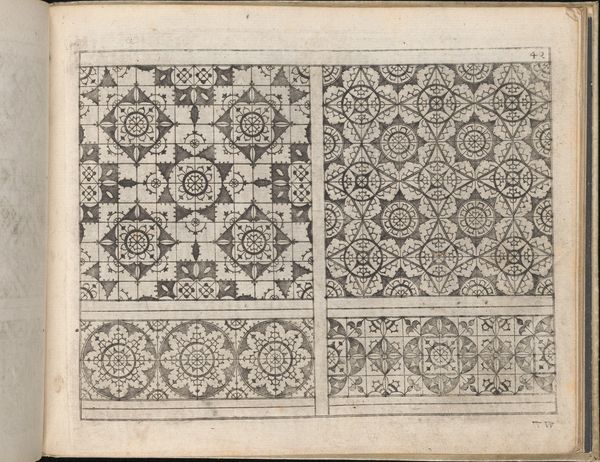
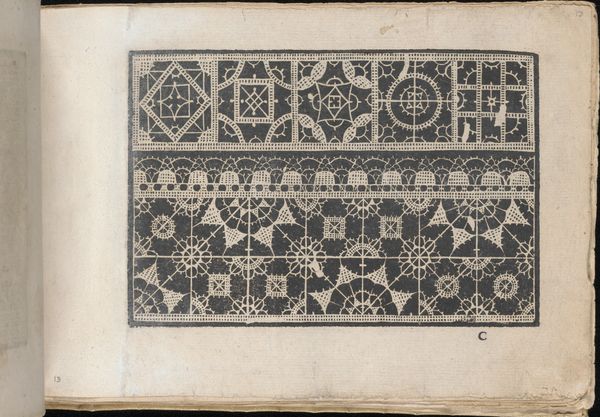
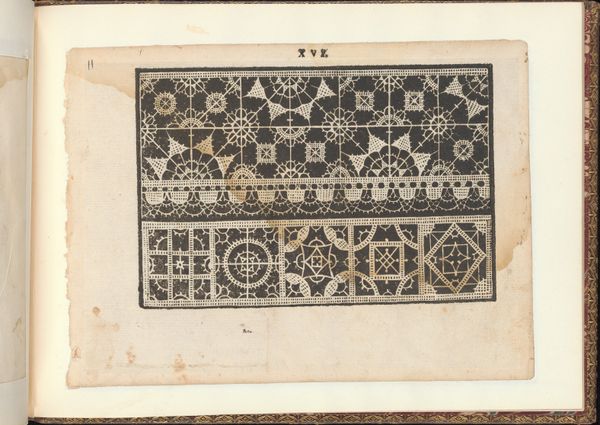
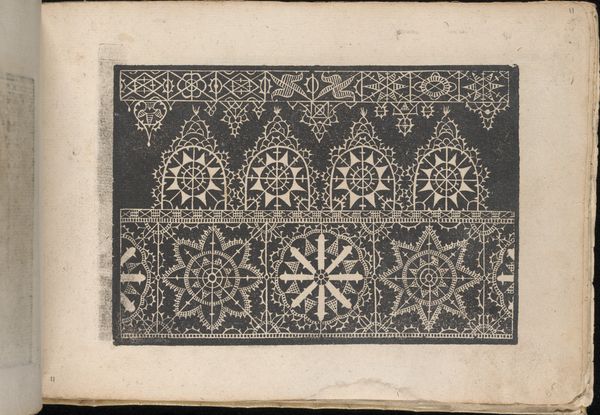
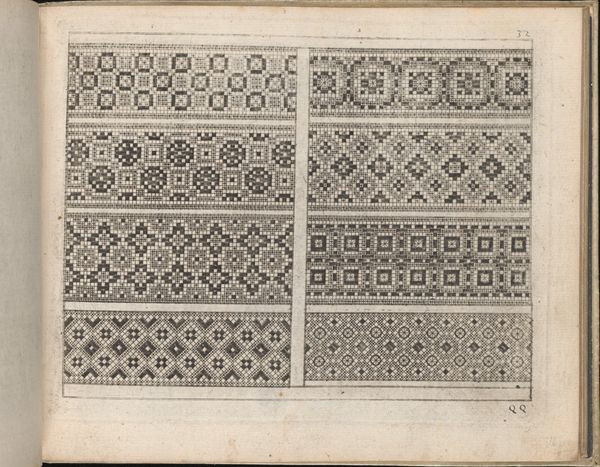
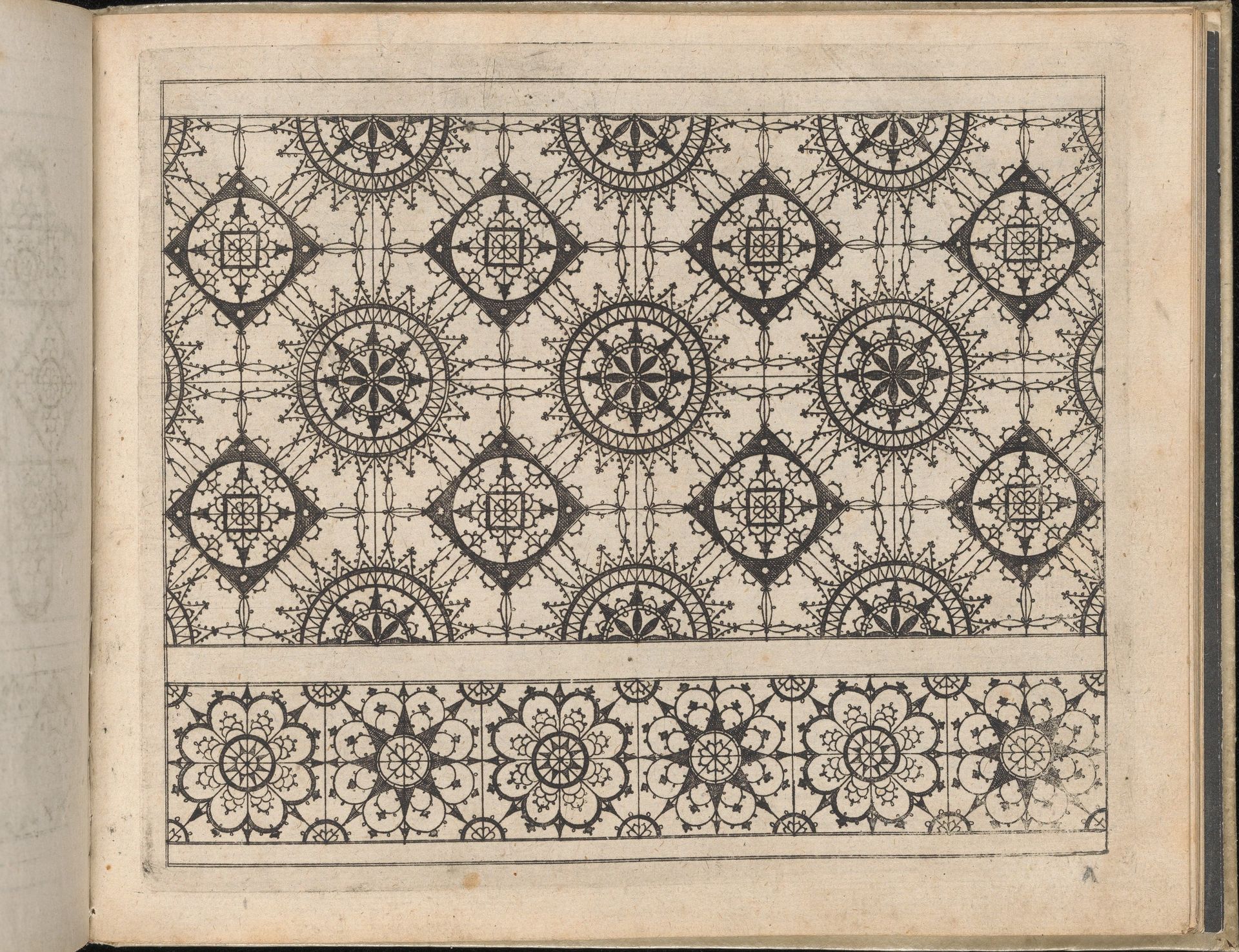
This is a page from Johann Sibmacher's "Newes Modelbuch," a German book of embroidery patterns printed sometime around 1600. This wasn't high art, but something closer to a manual, intended for practical use. Model books like these were part of a growing print industry. They helped disseminate new styles and techniques for textile work and other crafts. They served as visual aids for artisans to hone their skills, but also provided a source of inspiration for amateurs. These books became popular as increasing numbers of middle-class households had the space and income to engage in leisure activities such as needlework. As in other sectors, this democratization of the means of production was shaped by existing class structures. The historian looks into the prints, manuals, account books, and domestic interiors of the past to better understand the shifting place of images in European society at the beginning of the modern era.
Newes Modelbuch in Kupffer (Page 57r)
1604


Artwork details
- Medium
- drawing, graphic-art, ornament, print, paper, woodcut
- Dimensions
- Overall: 5 11/16 x 7 1/16 x 3/4 in. (14.5 x 18 x 1.9 cm)
- Location
- Metropolitan Museum of Art, New York, NY
- Copyright
- Public Domain
Tags
Comments
Share your thoughts
About this artwork
This is a page from Johann Sibmacher's "Newes Modelbuch," a German book of embroidery patterns printed sometime around 1600. This wasn't high art, but something closer to a manual, intended for practical use. Model books like these were part of a growing print industry. They helped disseminate new styles and techniques for textile work and other crafts. They served as visual aids for artisans to hone their skills, but also provided a source of inspiration for amateurs. These books became popular as increasing numbers of middle-class households had the space and income to engage in leisure activities such as needlework. As in other sectors, this democratization of the means of production was shaped by existing class structures. The historian looks into the prints, manuals, account books, and domestic interiors of the past to better understand the shifting place of images in European society at the beginning of the modern era.
Comments
Share your thoughts