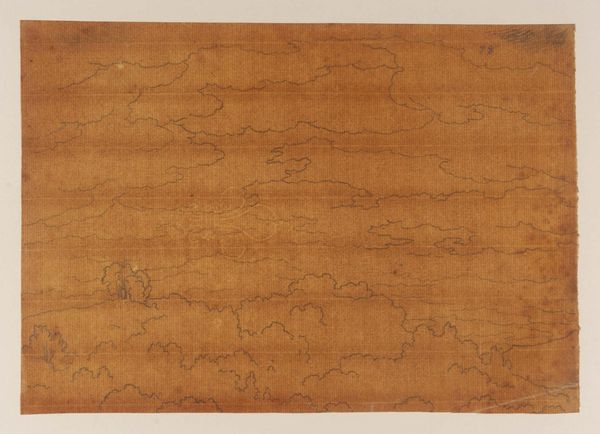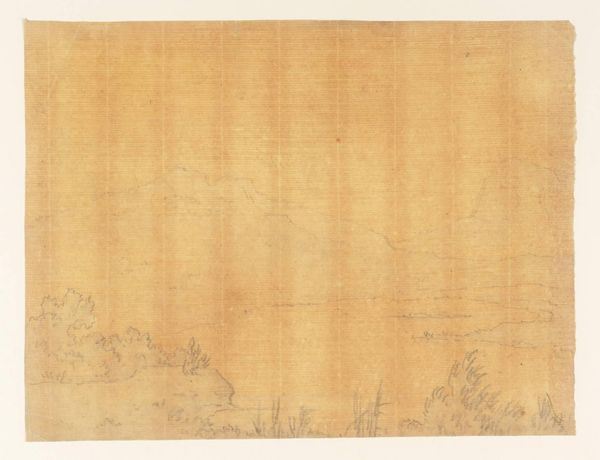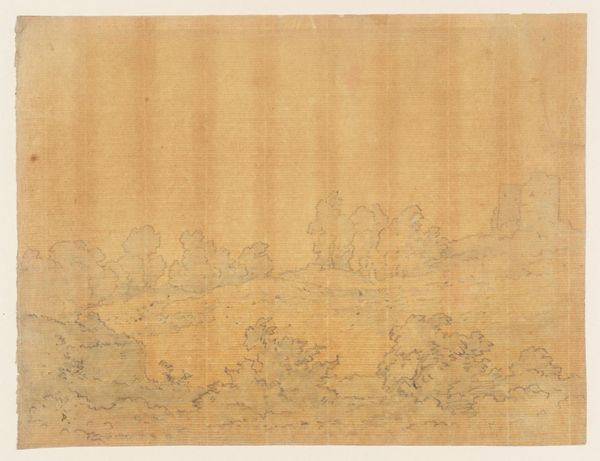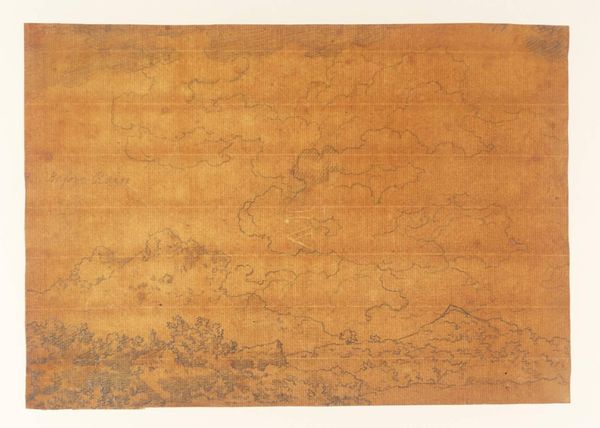
About this artwork
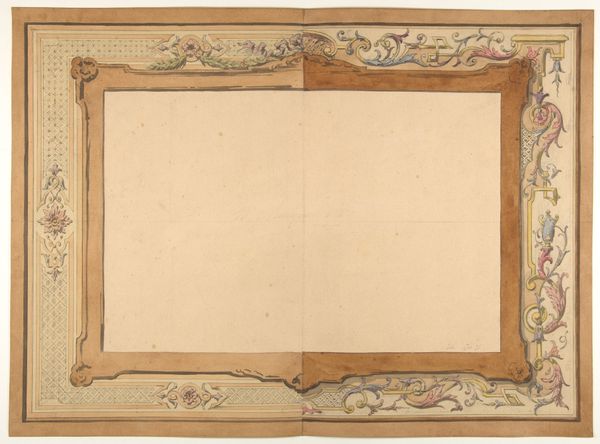
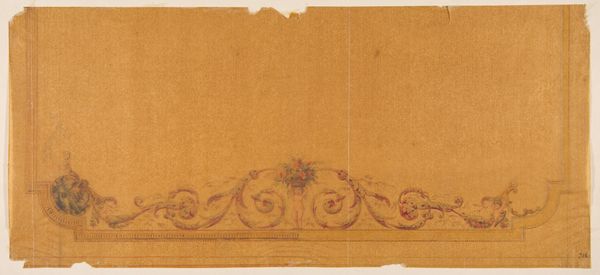
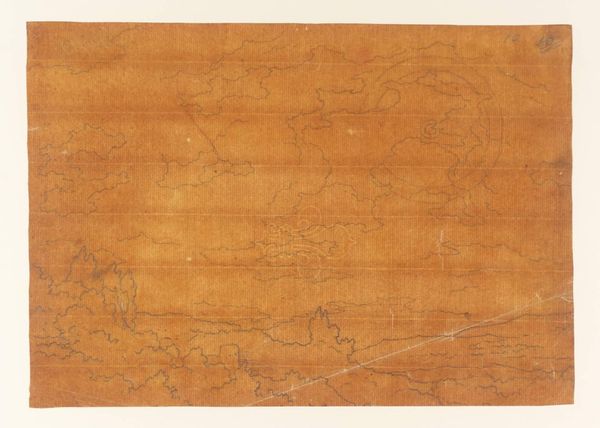
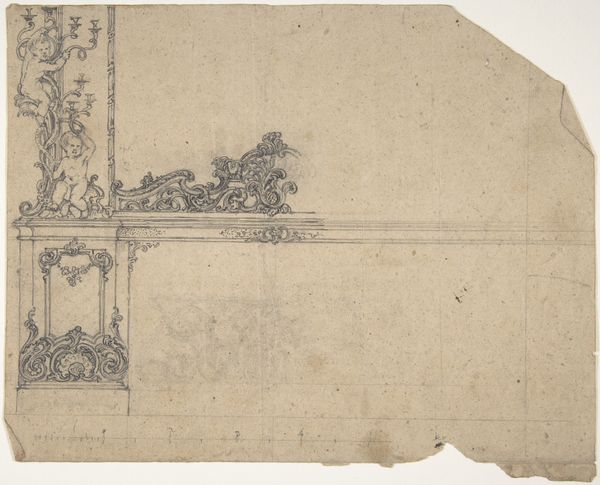
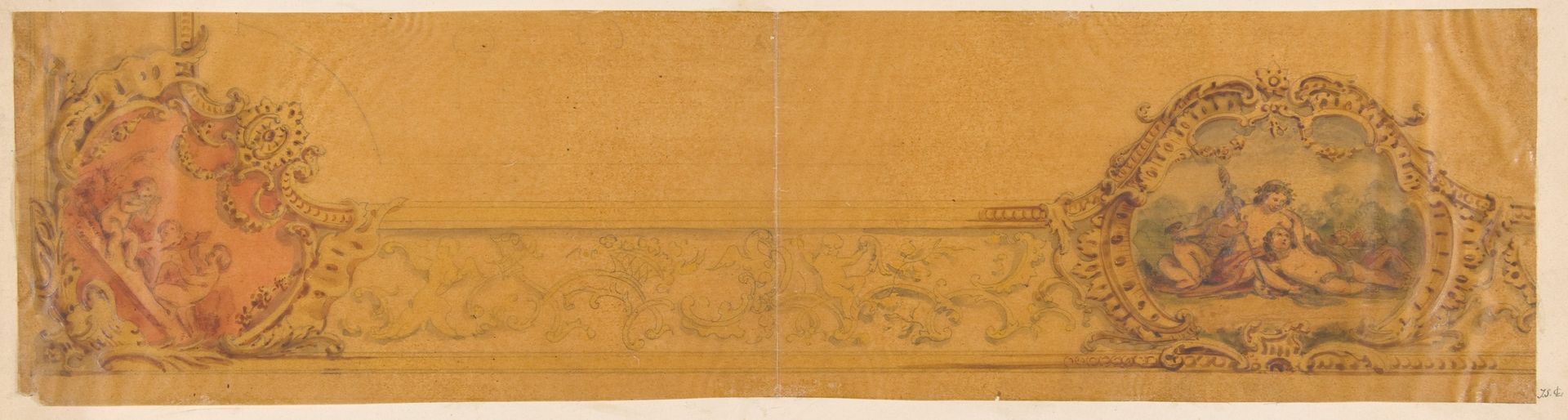
Jules-Edmond-Charles Lachaise made this design for a decorative border around a ceiling at an unknown date and with unknown materials. This piece hints at a social world of luxury and artistic patronage. The design itself, with its classical figures and ornate detailing, evokes the aristocratic tastes of 18th-century France. But Lachaise was active in the early 20th century. What does it mean to look back to the decorative styles of a bygone era? We might want to consider the role of institutions like museums and art schools in shaping artistic tastes. This was a time when historical styles were being revived and reinterpreted, often in the service of national identity or social prestige. To fully understand this design, we'd need to research the specific context in which Lachaise was working. What kind of spaces was he decorating? Who were his patrons? By exploring these questions, we can gain a deeper appreciation of the social and cultural forces that shaped this artwork.
Design for the decorative border around a ceiling
1830 - 1897

Jules-Edmond-Charles Lachaise
1897
The Metropolitan Museum of Art
Metropolitan Museum of Art, New York, NYArtwork details
- Location
- Metropolitan Museum of Art, New York, NY
- Copyright
- Public Domain
Comments
Share your thoughts
About this artwork
Jules-Edmond-Charles Lachaise made this design for a decorative border around a ceiling at an unknown date and with unknown materials. This piece hints at a social world of luxury and artistic patronage. The design itself, with its classical figures and ornate detailing, evokes the aristocratic tastes of 18th-century France. But Lachaise was active in the early 20th century. What does it mean to look back to the decorative styles of a bygone era? We might want to consider the role of institutions like museums and art schools in shaping artistic tastes. This was a time when historical styles were being revived and reinterpreted, often in the service of national identity or social prestige. To fully understand this design, we'd need to research the specific context in which Lachaise was working. What kind of spaces was he decorating? Who were his patrons? By exploring these questions, we can gain a deeper appreciation of the social and cultural forces that shaped this artwork.
Comments
Share your thoughts