About this artwork
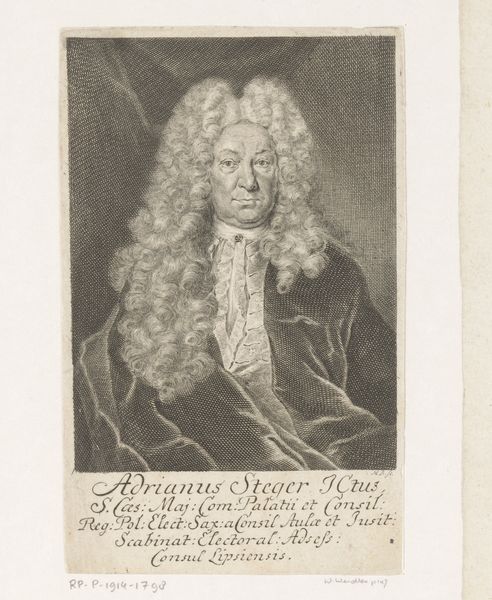
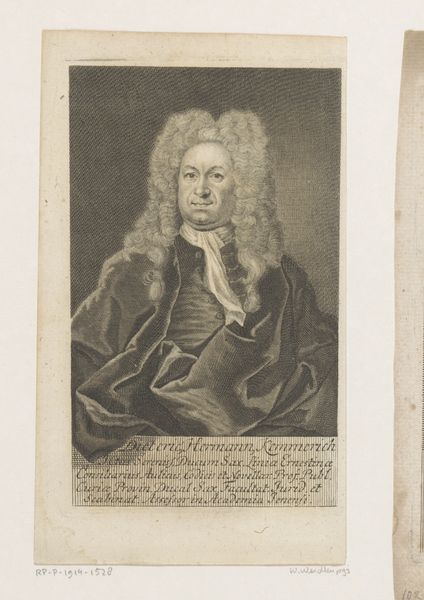
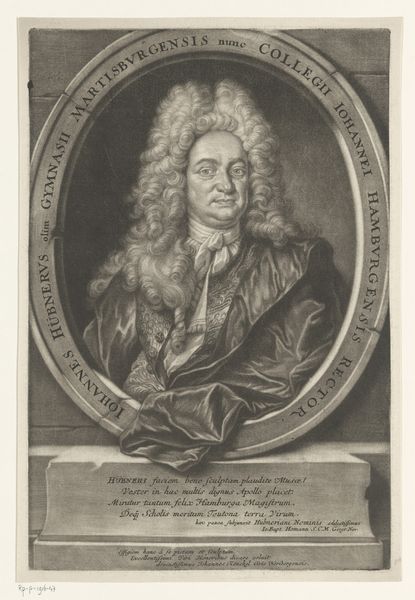
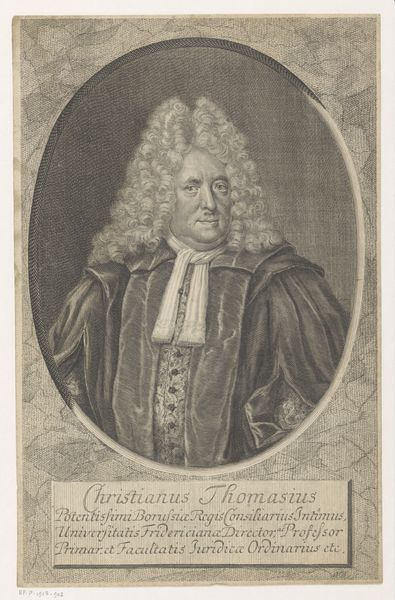
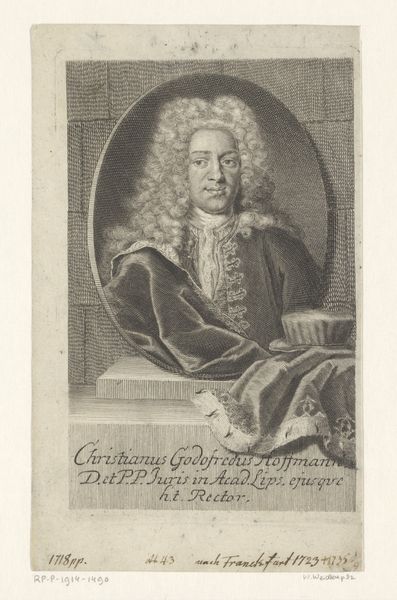
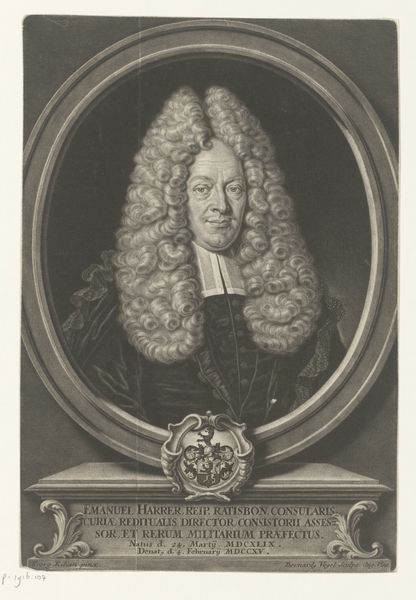
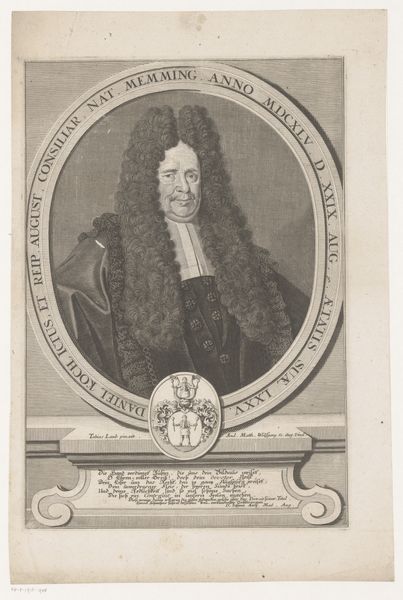
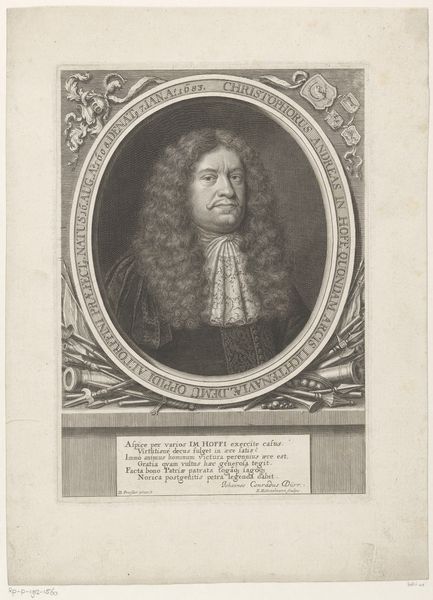
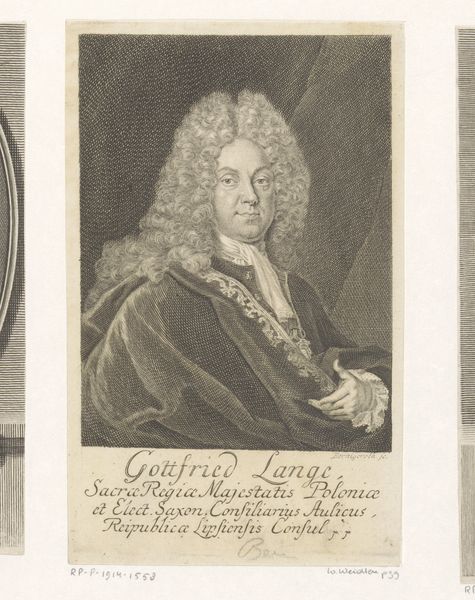
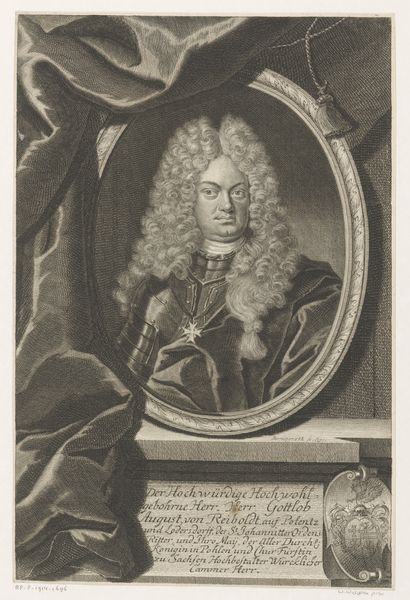
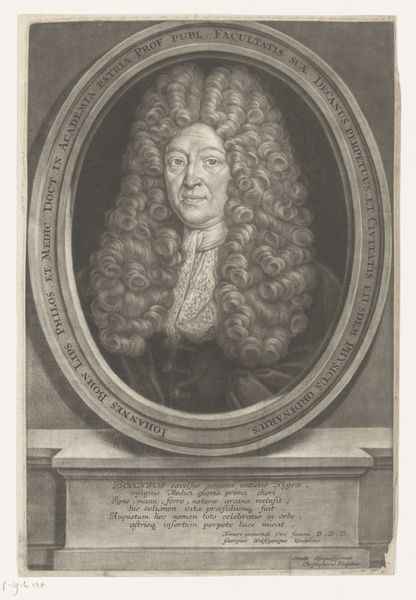
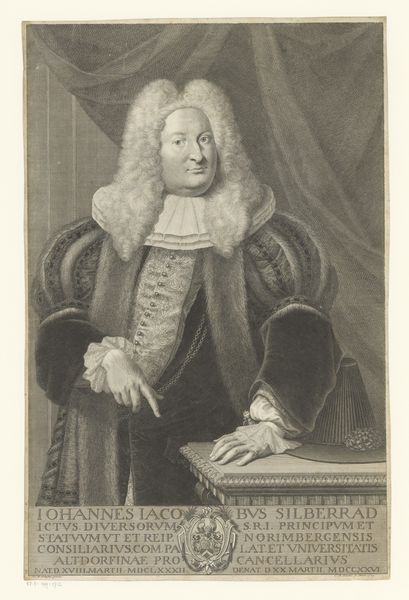
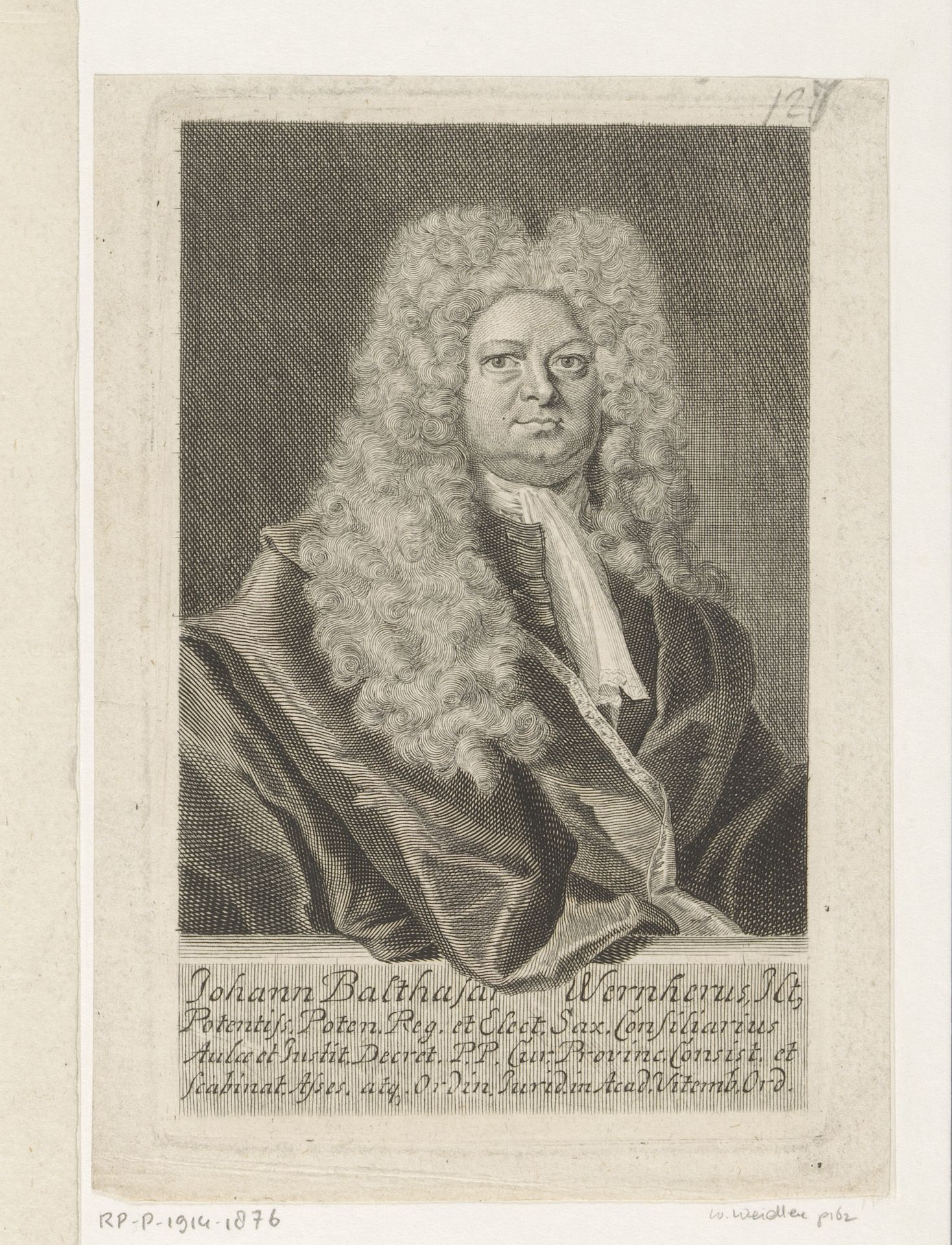
Martin Bernigeroth created this print of Johann Balthasar Wernher in the 18th century using etching and engraving techniques. Wernher's identity as a man of power is telegraphed through the conventions of portraiture and the codes of dress. Made in Germany, this portrait reflects the period’s social hierarchy. The elaborate wig, the formal robe, and the inscription denoting Wernher's titles all speak to his status as a high-ranking counselor and professor of law. Bernigeroth's print served to broadcast Wernher's position within the academic and political institutions of Saxony. The print becomes a tool for reinforcing social order, celebrating those in positions of authority. As art historians, we might consult archival records, genealogical databases, and period publications to fully understand the nuances of Wernher’s world. By placing art within its specific social and institutional context, we reveal the complex interplay between art and power.
Portret van Johann Balthasar Wernher
1701 - 1733

Martin Bernigeroth
1670 - 1733Location
RijksmuseumArtwork details
- Medium
- engraving
- Dimensions
- height 149 mm, width 97 mm
- Location
- Rijksmuseum
- Copyright
- Rijks Museum: Open Domain
Tags
portrait
baroque
old engraving style
history-painting
engraving
Comments
Be the first to share your thoughts about this work.
About this artwork
Martin Bernigeroth created this print of Johann Balthasar Wernher in the 18th century using etching and engraving techniques. Wernher's identity as a man of power is telegraphed through the conventions of portraiture and the codes of dress. Made in Germany, this portrait reflects the period’s social hierarchy. The elaborate wig, the formal robe, and the inscription denoting Wernher's titles all speak to his status as a high-ranking counselor and professor of law. Bernigeroth's print served to broadcast Wernher's position within the academic and political institutions of Saxony. The print becomes a tool for reinforcing social order, celebrating those in positions of authority. As art historians, we might consult archival records, genealogical databases, and period publications to fully understand the nuances of Wernher’s world. By placing art within its specific social and institutional context, we reveal the complex interplay between art and power.
Comments
Be the first to share your thoughts about this work.