About this artwork
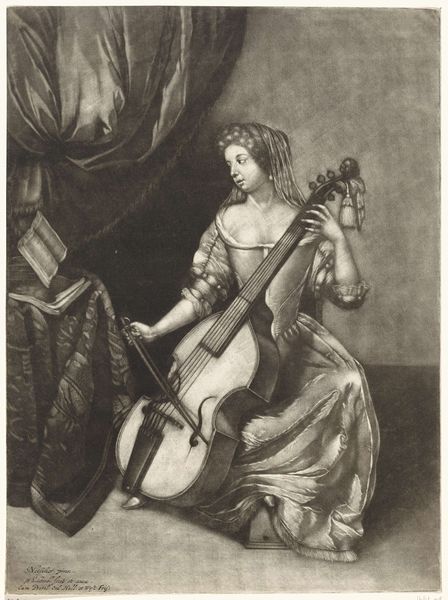
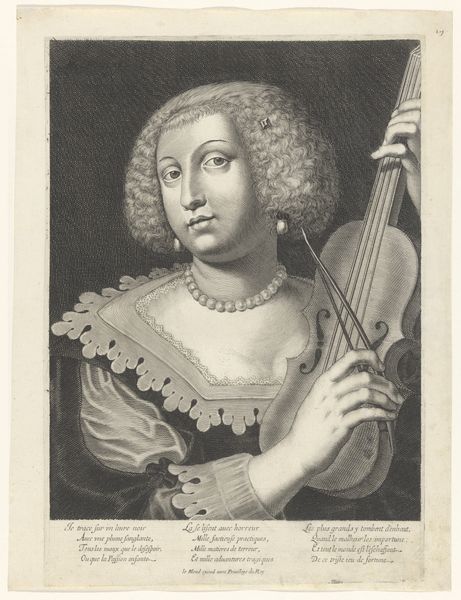
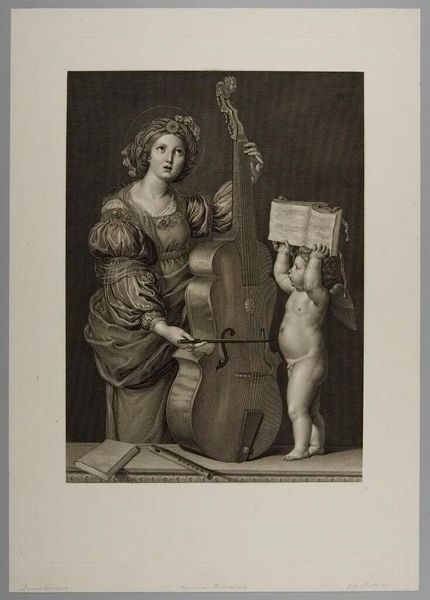
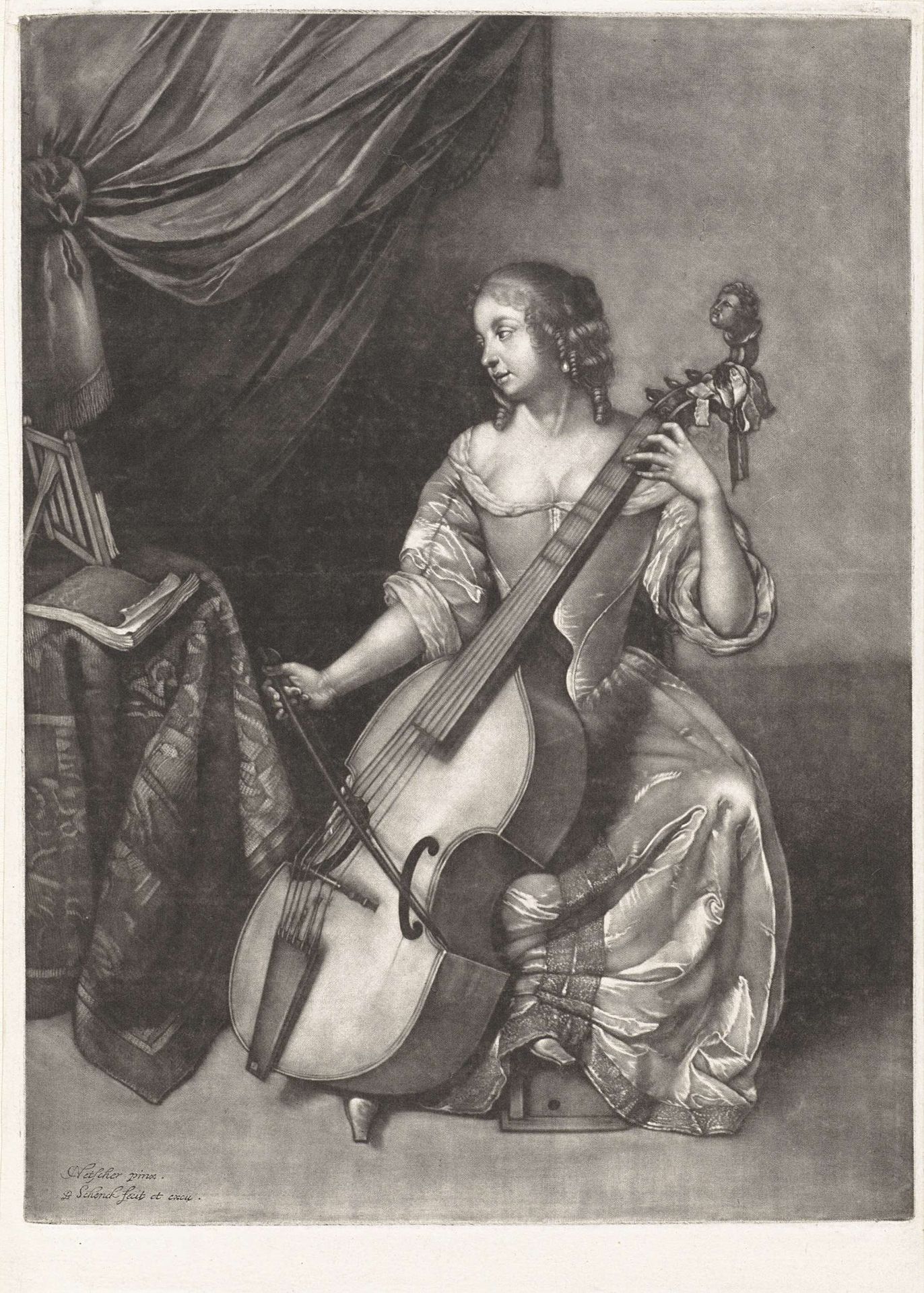
This engraving by Pieter Schenk depicts a woman playing a viola da gamba. The instrument, adorned with a sculpted head and roses, is more than just a musical device. It is a symbol of harmony and refinement. Musical instruments have long been associated with the muses and Apollo, representing intellectual and artistic pursuits. Think of David playing his harp, or Orpheus charming wild beasts with his lyre. This iconography dates back to antiquity, reappearing in countless artworks throughout history. The roses may be seen as a symbol of love, beauty, and the ephemeral nature of life. This, coupled with the melancholy gaze of the musician, suggests a deeper emotional undercurrent. Such gestures engage us on a subconscious level, evoking a sense of nostalgia and longing. The presence of these motifs, passed down through history, invites us to reflect on the cyclical nature of human experience.

Artwork details
- Medium
- print, engraving
- Dimensions
- height 335 mm, width 247 mm
- Location
- Rijksmuseum
- Copyright
- Rijks Museum: Open Domain
Tags
portrait
baroque
portrait drawing
genre-painting
engraving
Comments
No comments
About this artwork
This engraving by Pieter Schenk depicts a woman playing a viola da gamba. The instrument, adorned with a sculpted head and roses, is more than just a musical device. It is a symbol of harmony and refinement. Musical instruments have long been associated with the muses and Apollo, representing intellectual and artistic pursuits. Think of David playing his harp, or Orpheus charming wild beasts with his lyre. This iconography dates back to antiquity, reappearing in countless artworks throughout history. The roses may be seen as a symbol of love, beauty, and the ephemeral nature of life. This, coupled with the melancholy gaze of the musician, suggests a deeper emotional undercurrent. Such gestures engage us on a subconscious level, evoking a sense of nostalgia and longing. The presence of these motifs, passed down through history, invites us to reflect on the cyclical nature of human experience.
Comments
No comments