About this artwork
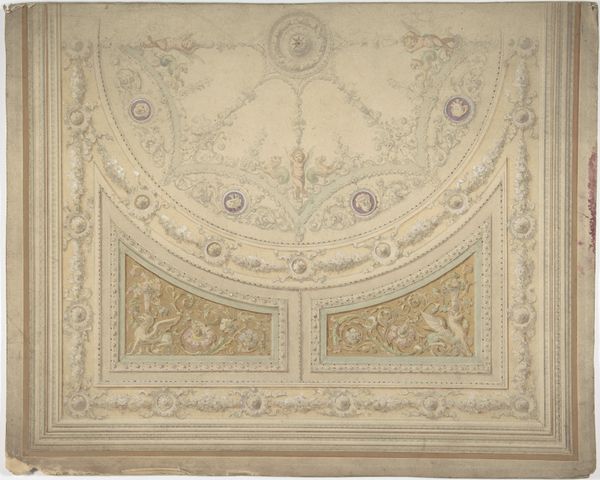
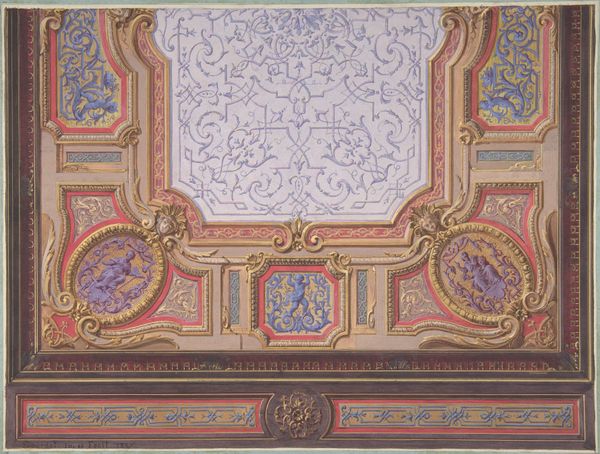
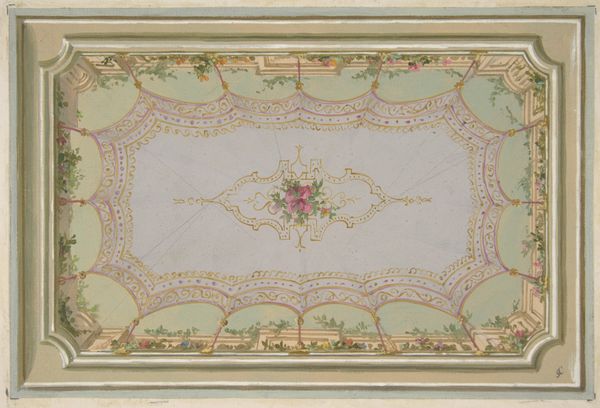
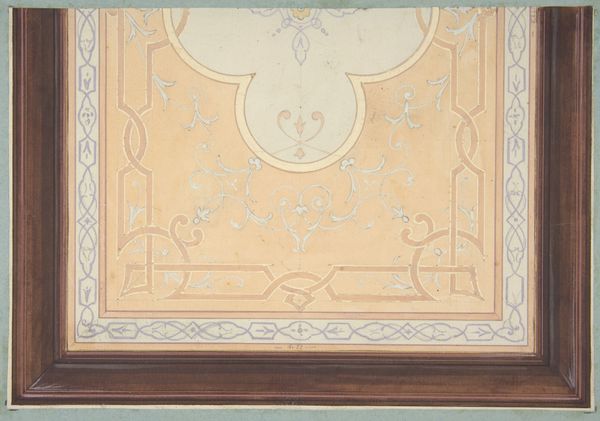
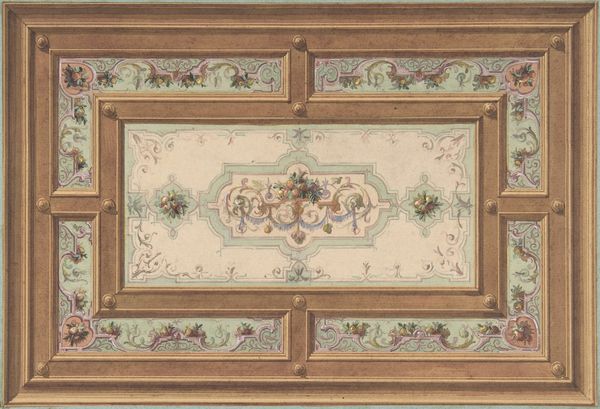
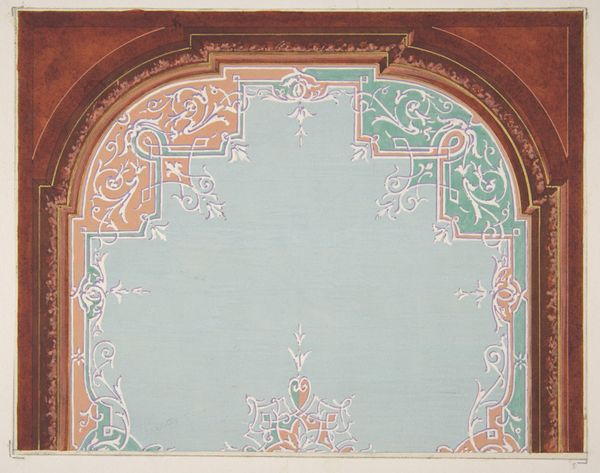
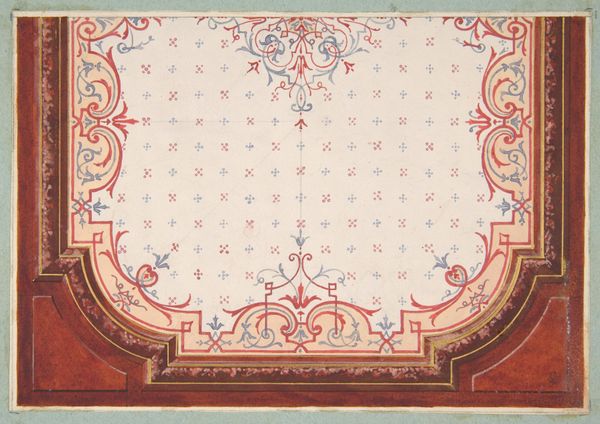
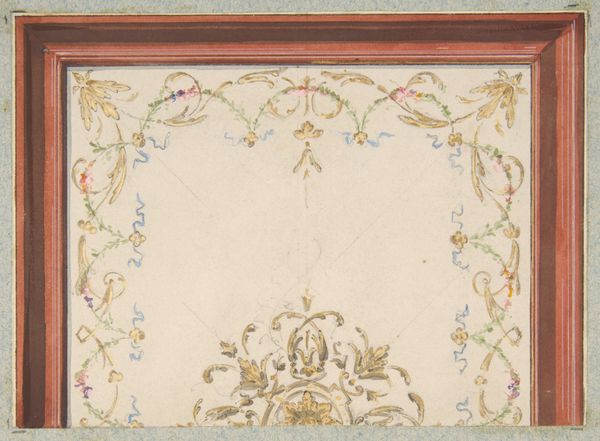
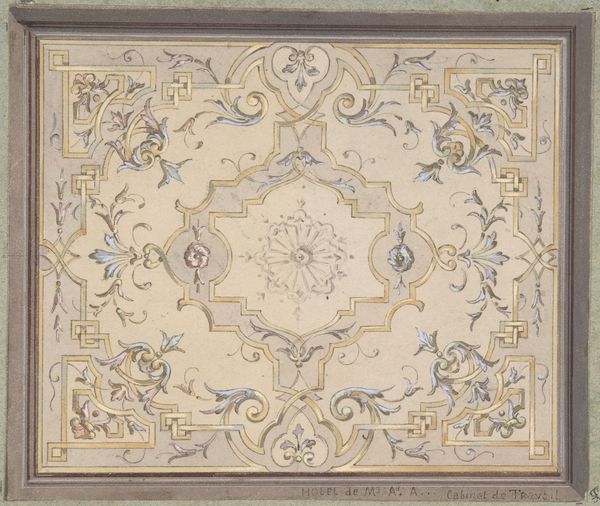
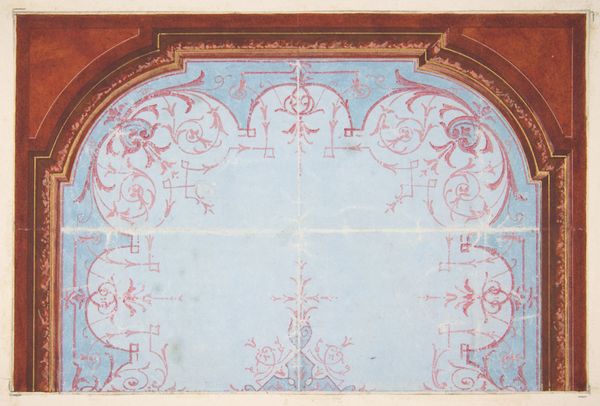
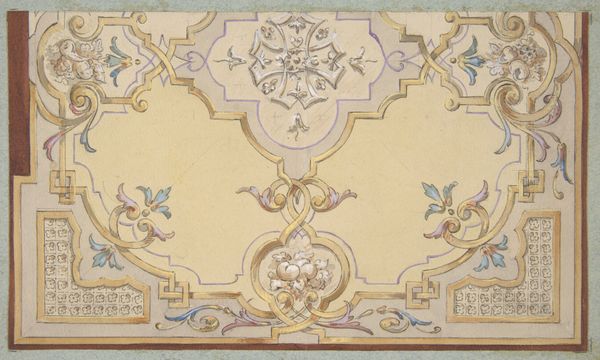
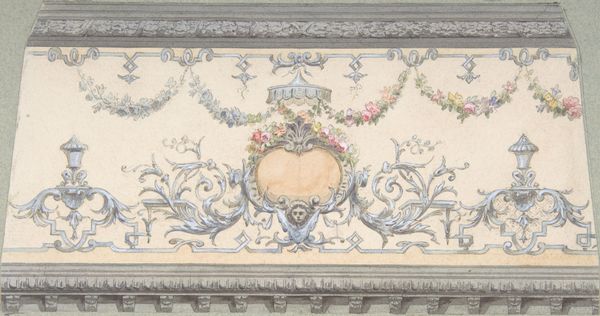
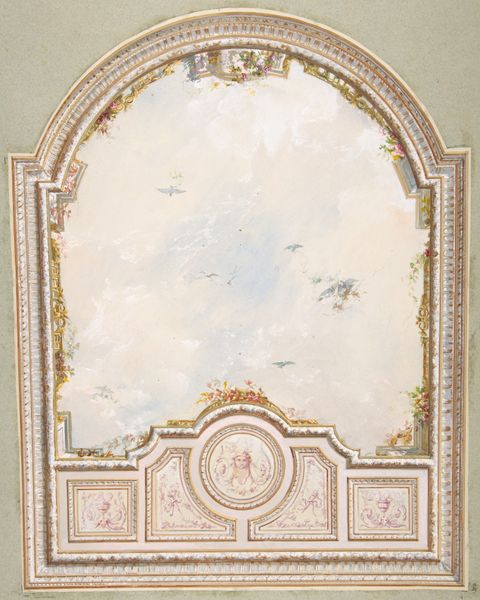
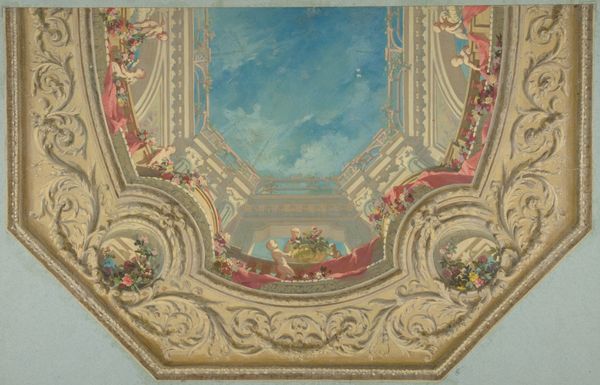
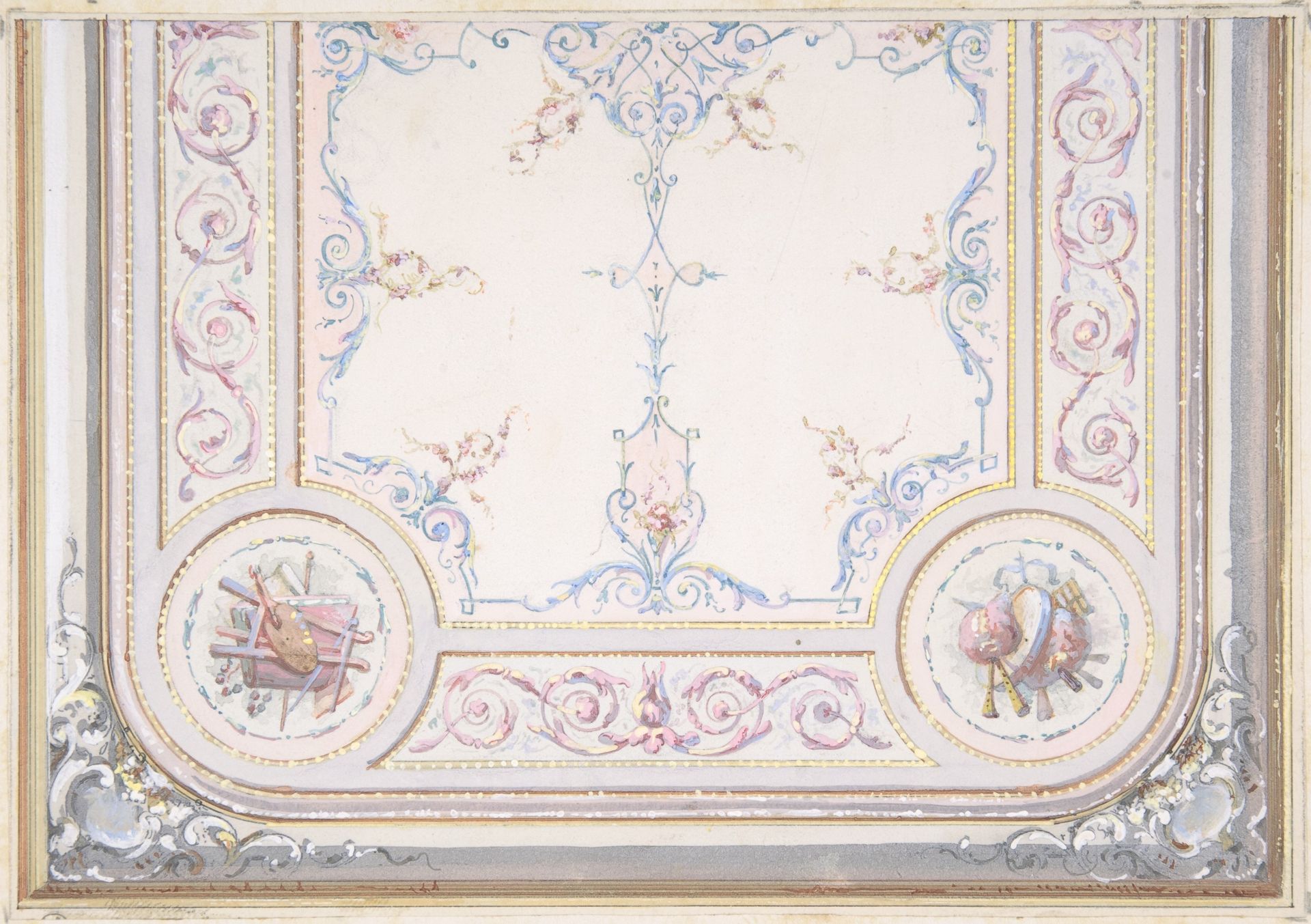
Jules-Edmond-Charles Lachaise created this design for the ceiling of the Duchess of Newcastle’s Petit Salon with watercolor, graphite, and pen. The musical instruments and heraldic symbols are not mere decorations; they speak to the cultural values of the aristocracy of the time. Consider the motif of musical instruments, a symbol of harmony and refinement. This can be traced back to classical antiquity, where music was associated with order, balance, and intellectual pursuit. As we observe this imagery, let us remember the instruments in the hands of Orpheus, capable of soothing savage beasts. The heraldic symbols, emblems of lineage and power, carry echoes of medieval heraldry, which served to denote identity and status. They served not just as identifiers but also as powerful symbols of social status. Think of the eagle, a symbol associated with the Roman Empire and later adopted by numerous European dynasties. The symbols resonate through centuries, evoking a collective memory of power and prestige. Such symbols transcend mere representation, engaging viewers on a subconscious level, stirring up a powerful sense of identity. The progression is not linear but cyclical, symbols resurfacing, evolving, and taking on new meanings.
Design for Ceiling of the Duchess of Newcastle's Petit Salon, Hôtel Hope 1867

Jules-Edmond-Charles Lachaise
1897
The Metropolitan Museum of Art
Metropolitan Museum of Art, New York, NYArtwork details
- Dimensions
- sheet: 7 5/16 x 8 1/8 in. (18.6 x 20.7 cm)
- Location
- Metropolitan Museum of Art, New York, NY
- Copyright
- Public Domain
Comments
No comments
About this artwork
Jules-Edmond-Charles Lachaise created this design for the ceiling of the Duchess of Newcastle’s Petit Salon with watercolor, graphite, and pen. The musical instruments and heraldic symbols are not mere decorations; they speak to the cultural values of the aristocracy of the time. Consider the motif of musical instruments, a symbol of harmony and refinement. This can be traced back to classical antiquity, where music was associated with order, balance, and intellectual pursuit. As we observe this imagery, let us remember the instruments in the hands of Orpheus, capable of soothing savage beasts. The heraldic symbols, emblems of lineage and power, carry echoes of medieval heraldry, which served to denote identity and status. They served not just as identifiers but also as powerful symbols of social status. Think of the eagle, a symbol associated with the Roman Empire and later adopted by numerous European dynasties. The symbols resonate through centuries, evoking a collective memory of power and prestige. Such symbols transcend mere representation, engaging viewers on a subconscious level, stirring up a powerful sense of identity. The progression is not linear but cyclical, symbols resurfacing, evolving, and taking on new meanings.
Comments
No comments