About this artwork
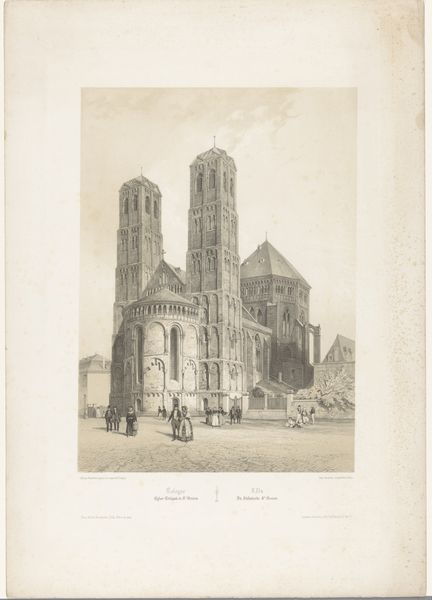
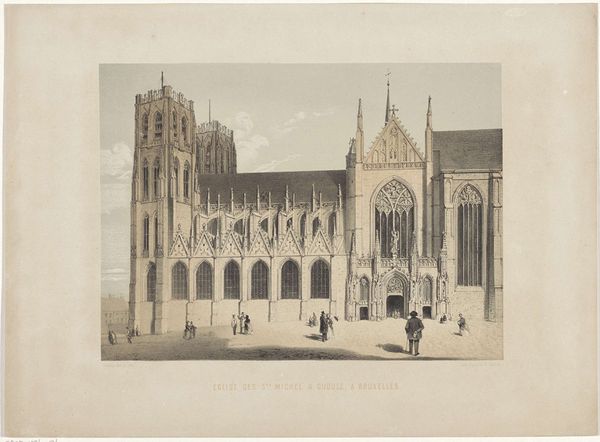
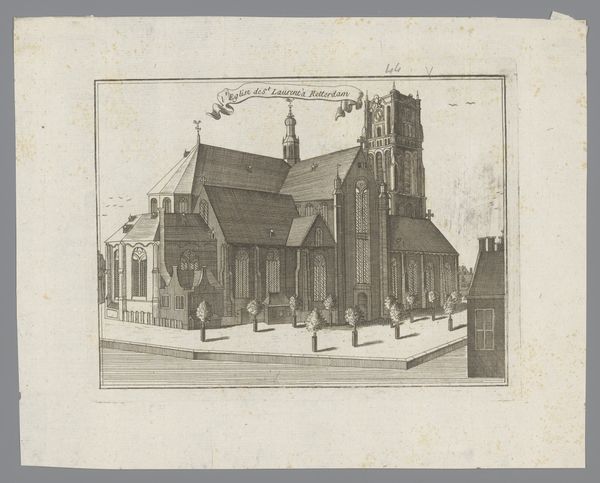
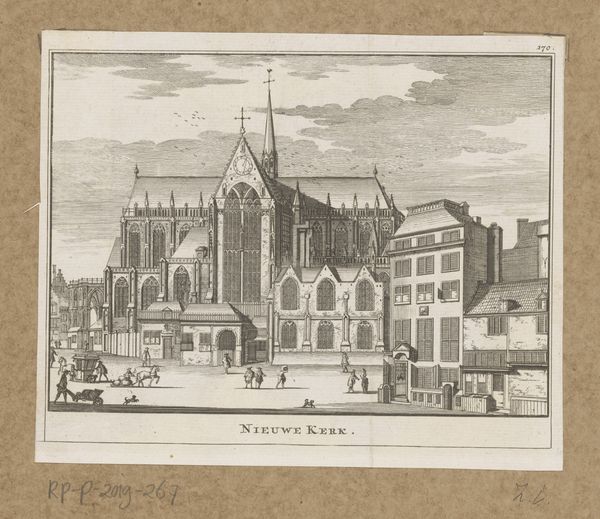
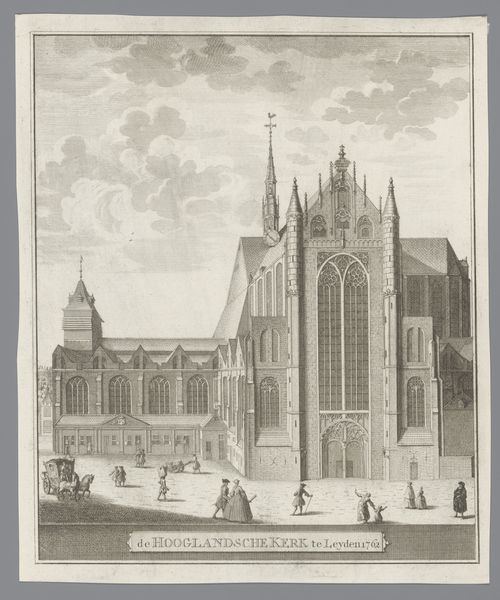
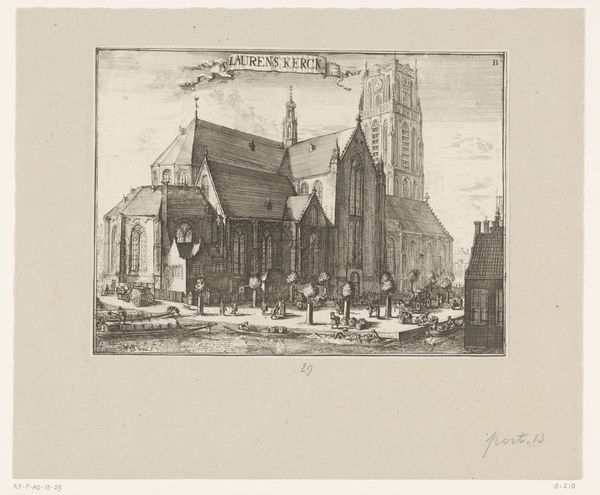
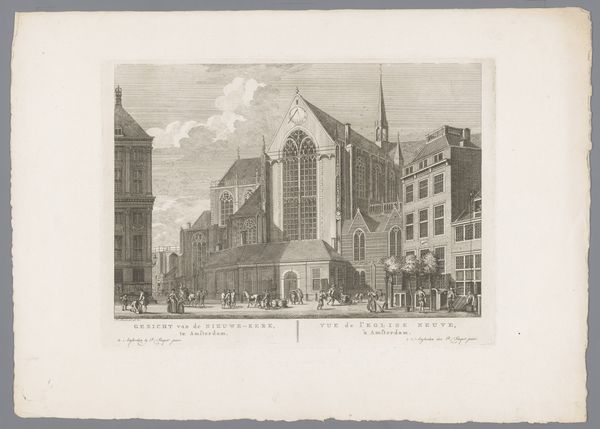
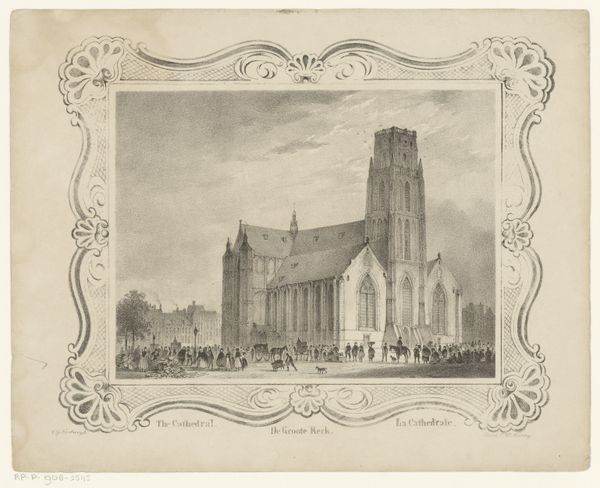
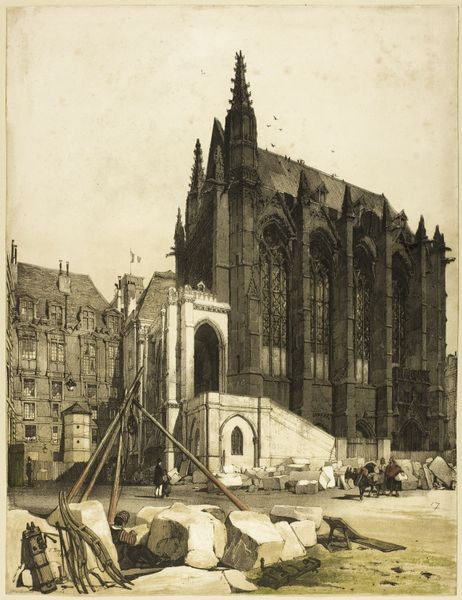
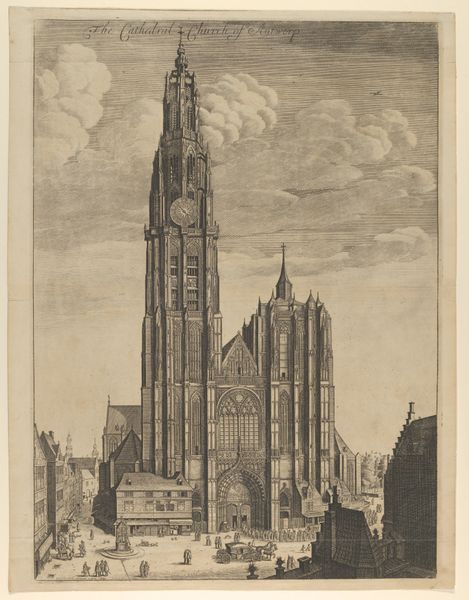
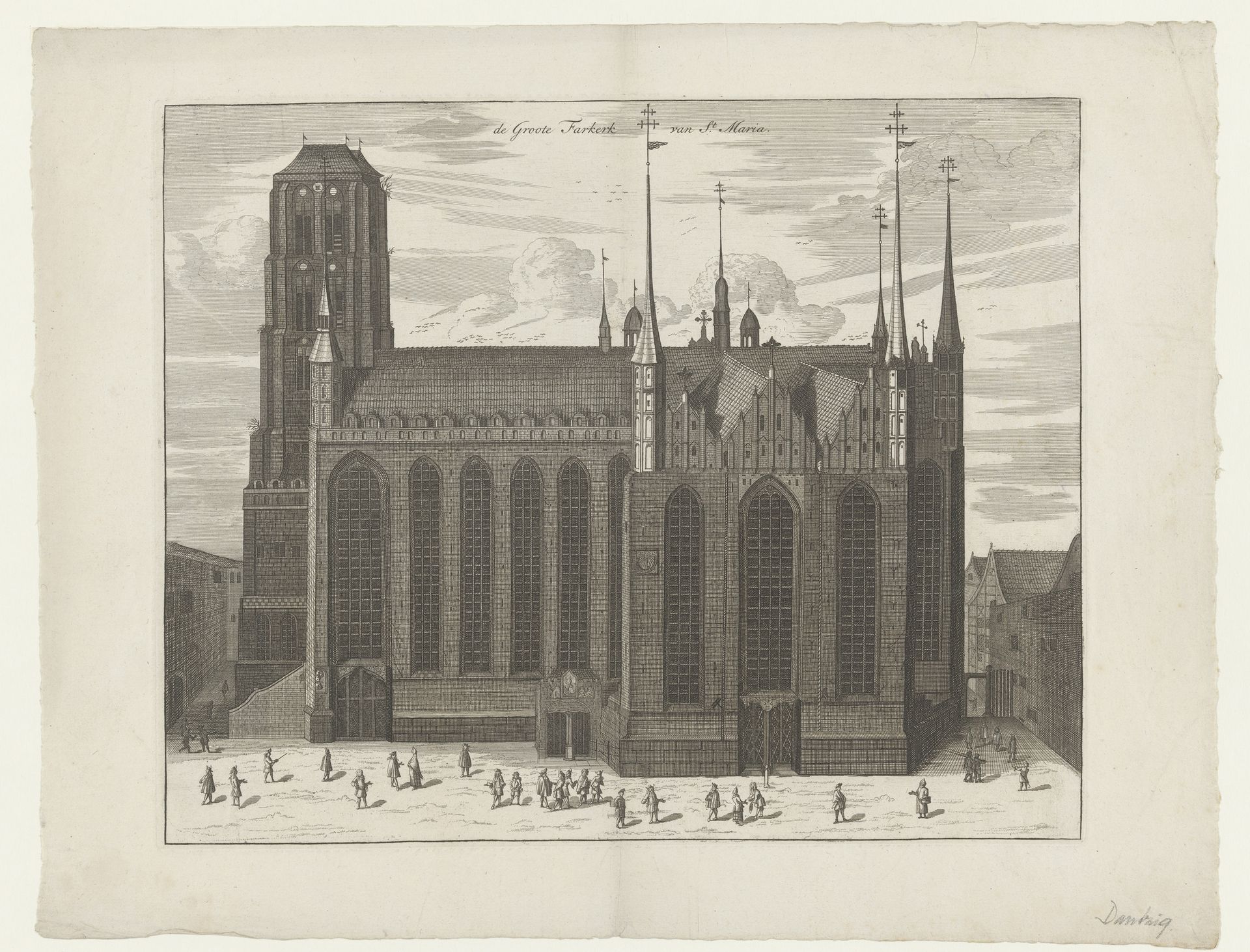
This is an etching of the Mariakerk in Gdansk, made by an anonymous artist. The Mariakerk, or St. Mary's Church, was built over centuries, and its architecture reflects the changing social and religious landscape of Gdansk. Originally Catholic, it became a symbol of Protestant identity during the Reformation, a shift that mirrored broader tensions within the city and across Europe. The print offers a glimpse into the urban fabric of Gdansk, a major port city with a diverse population and complex political dynamics. Notice the figures populating the square; their presence highlights the church's central role in daily life. To understand this image more fully, we might consult historical maps, architectural surveys, and religious documents. Art history is about connecting images to the social and institutional contexts that give them meaning.

Artwork details
- Medium
- drawing, print, etching, engraving, architecture
- Dimensions
- height 269 mm, width 332 mm
- Location
- Rijksmuseum
- Copyright
- Rijks Museum: Open Domain
Tags
drawing
baroque
etching
old engraving style
sketch book
cityscape
engraving
architecture
Comments
Be the first to share your thoughts about this work.
About this artwork
This is an etching of the Mariakerk in Gdansk, made by an anonymous artist. The Mariakerk, or St. Mary's Church, was built over centuries, and its architecture reflects the changing social and religious landscape of Gdansk. Originally Catholic, it became a symbol of Protestant identity during the Reformation, a shift that mirrored broader tensions within the city and across Europe. The print offers a glimpse into the urban fabric of Gdansk, a major port city with a diverse population and complex political dynamics. Notice the figures populating the square; their presence highlights the church's central role in daily life. To understand this image more fully, we might consult historical maps, architectural surveys, and religious documents. Art history is about connecting images to the social and institutional contexts that give them meaning.
Comments
Be the first to share your thoughts about this work.