1891 - 1912
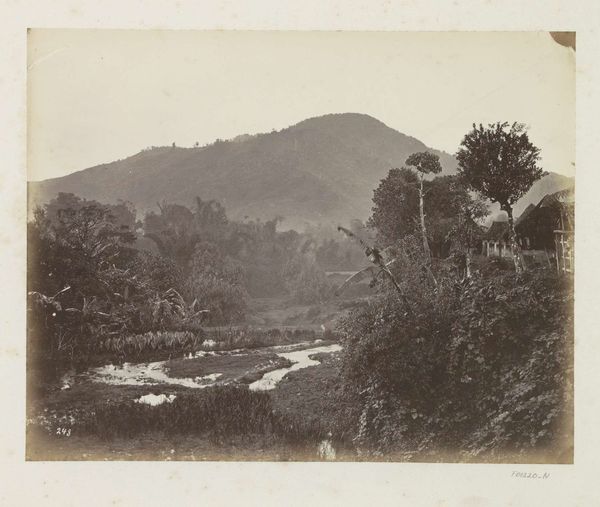
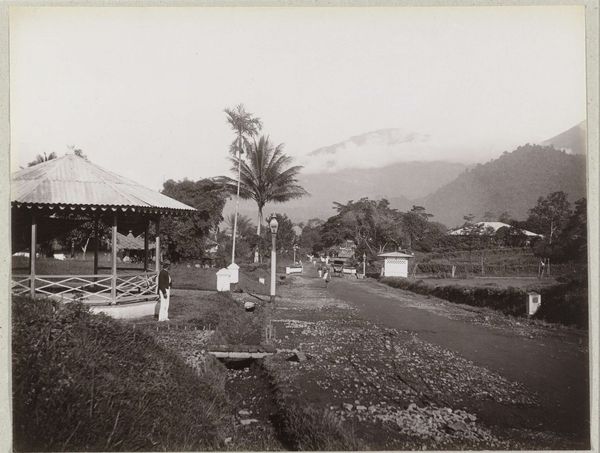
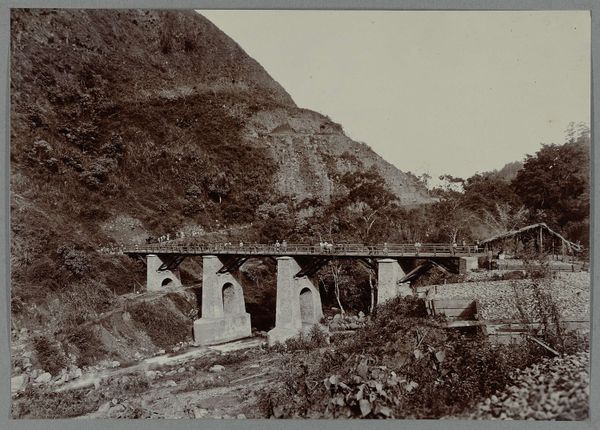
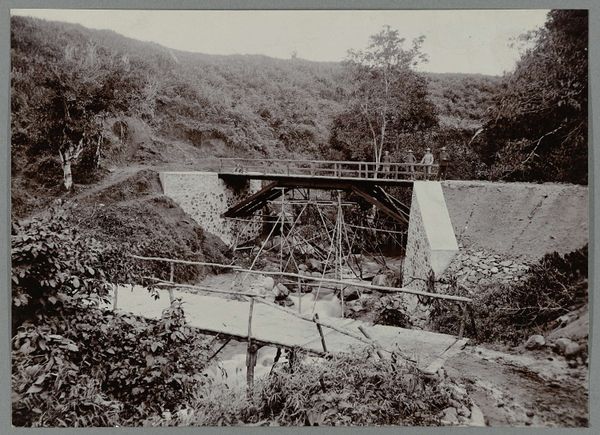
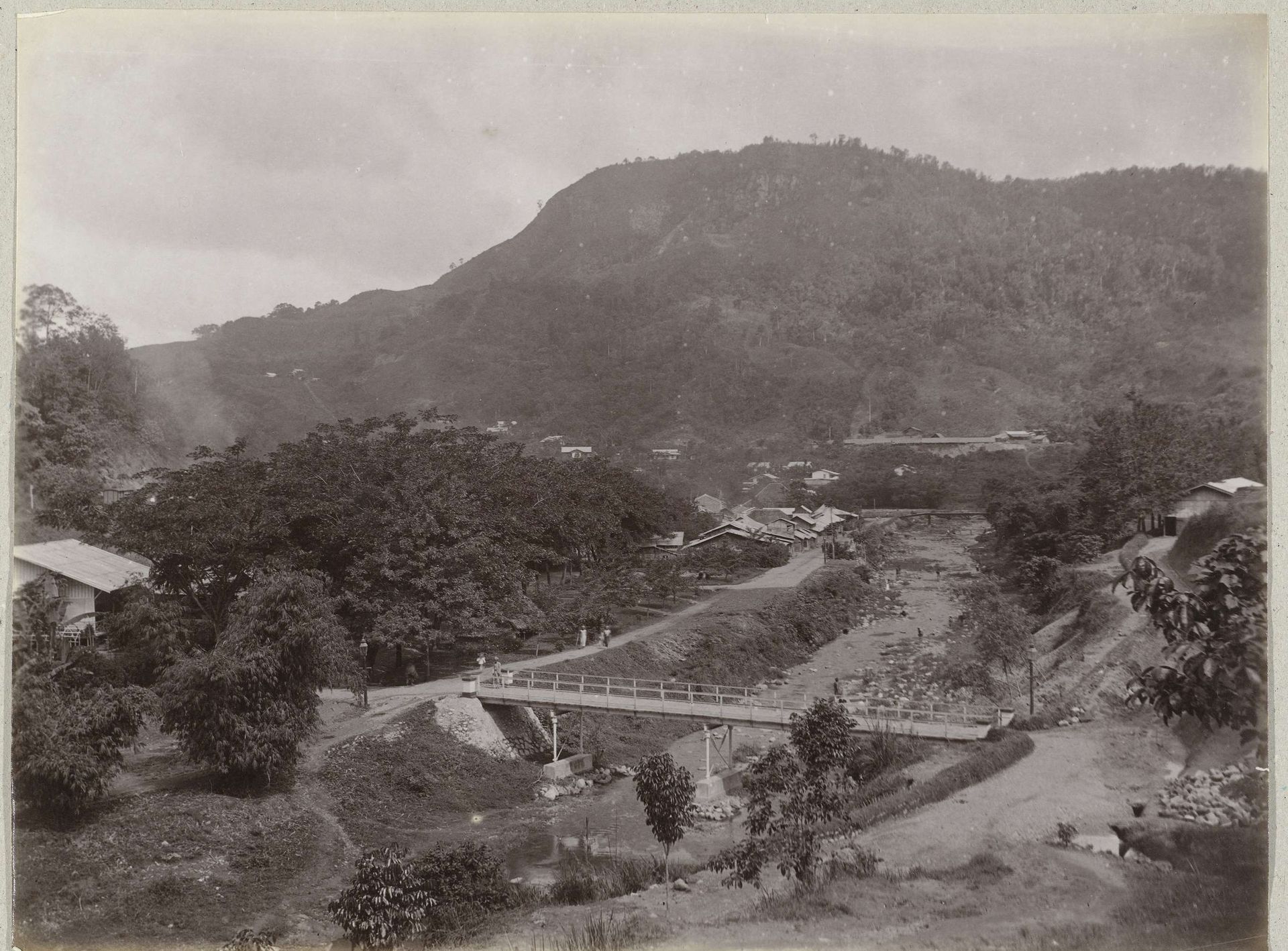
Zicht op de rivier bij Sawahlunto

Christiaan Benjamin Nieuwenhuis
1863 - 1922Location
RijksmuseumListen to curator's interpretation
Curatorial notes
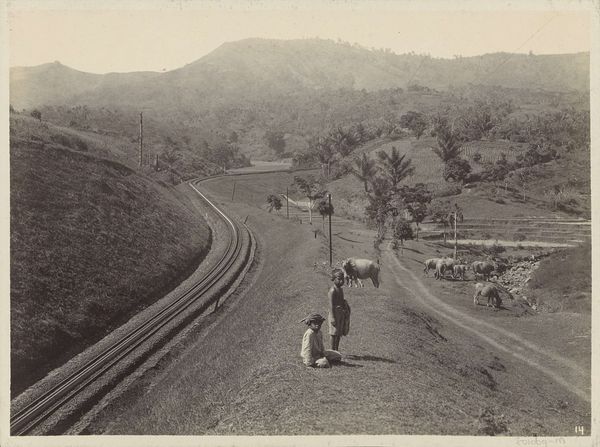
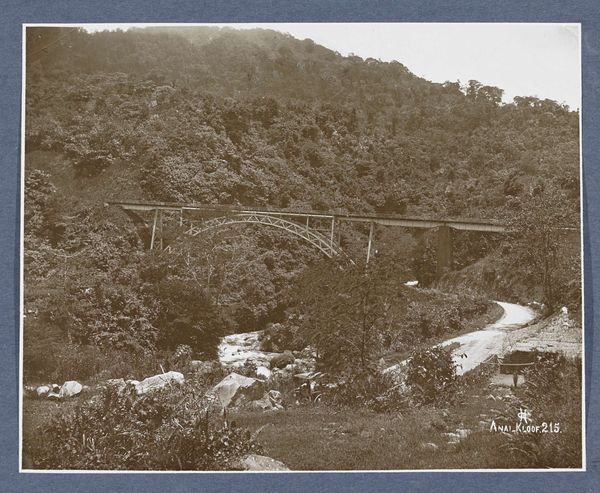
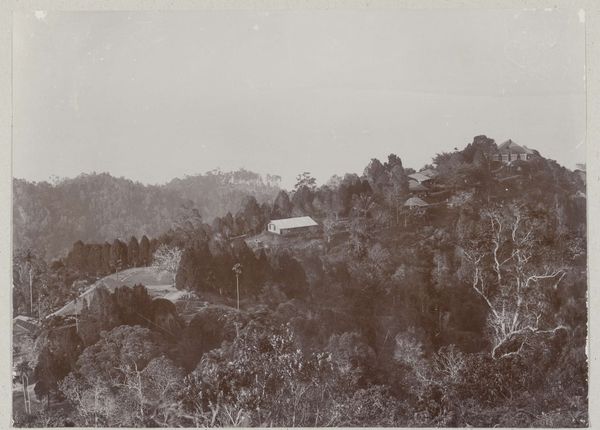
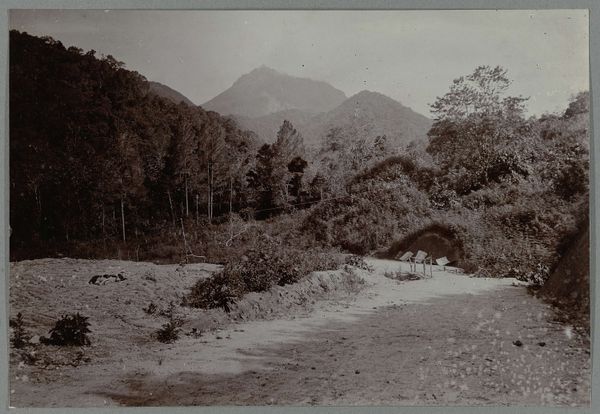
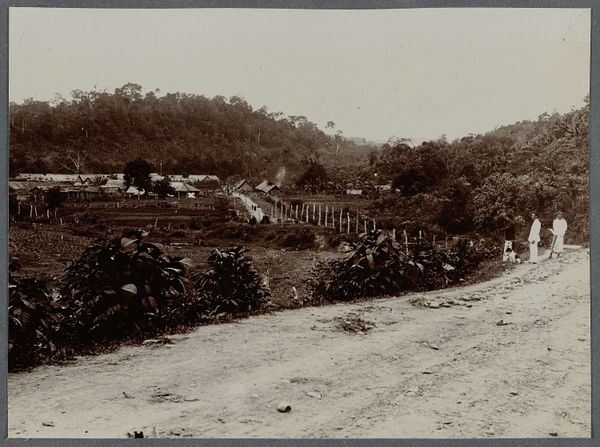
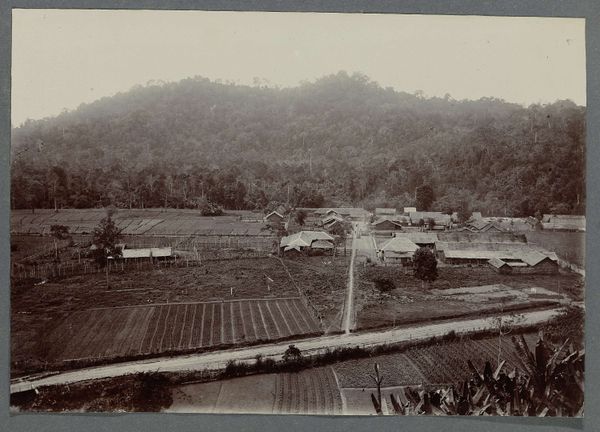
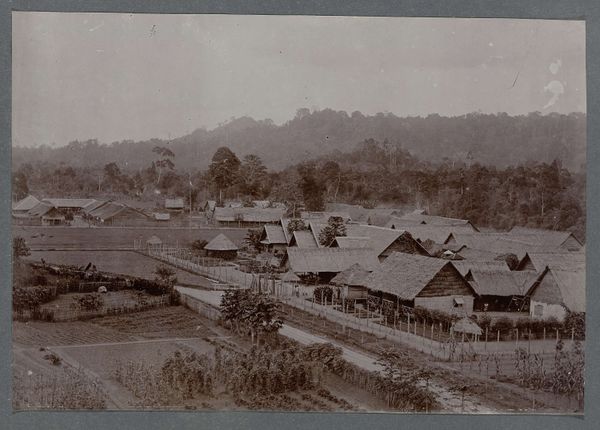
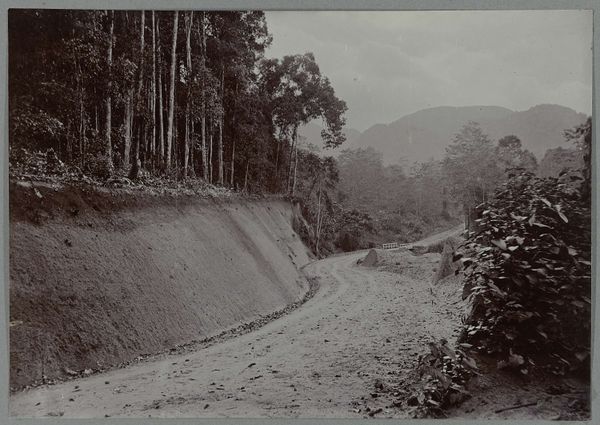
Curator: This gelatin-silver print, dating from 1891 to 1912, captures a view of the river at Sawahlunto. The photograph is by Christiaan Benjamin Nieuwenhuis and is currently held at the Rijksmuseum. Editor: Immediately, I'm struck by its stark, documentary feel, almost anthropological. It’s more than just a landscape; there’s an implicit narrative about settlement and access with that little bridge spanning the water. Curator: The bridge definitely acts as a conduit between nature and this budding urban space. We're observing a moment in the transition from the natural landscape into a territory defined by industry and commerce. Consider the labor involved to clear that land, construct the bridge. Editor: And yet, the monochrome palette almost romanticizes it, recalling images of a past. That humble bridge echoes grander, iconic crossings, bridges not just of place, but of time. Curator: What’s especially intriguing about this photograph, produced during the colonial period, is how the materials and photographic techniques themselves are part of a broader global flow. Silver mined in one location, processed in another, documenting a place and people far removed from its origin. It really makes you question the very idea of a ‘Dutch’ golden age, when you examine what made such moments of artistic boom possible. Editor: That's a stark and interesting perspective. I do feel compelled to think about bridges, physical and metaphorical, connecting distant realms through shared symbols of ingenuity and access. A common element spanning drastically different cultural understandings. Curator: Precisely! Looking closer at the infrastructure that is presented, a study in global resource chains becomes strikingly apparent. Editor: This has certainly given me more to reflect on when considering the visual weight of the image itself. Thanks! Curator: The processes of construction and the material origins involved can really reveal the interconnected web shaping historical art!