About this artwork
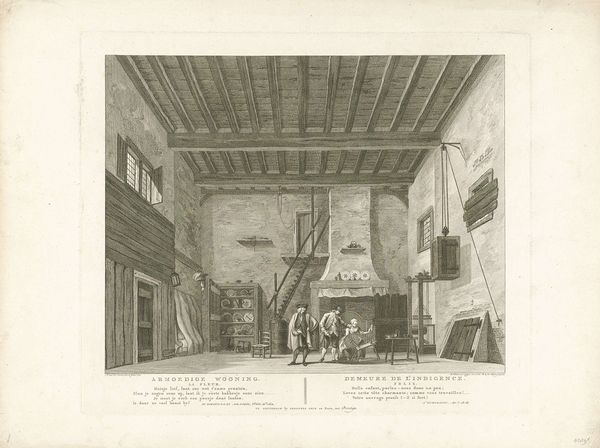
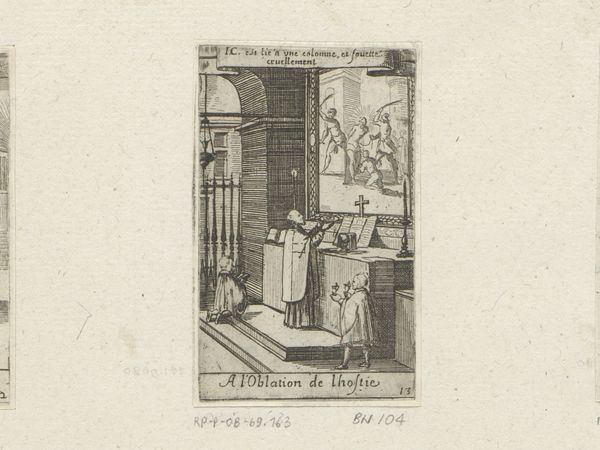
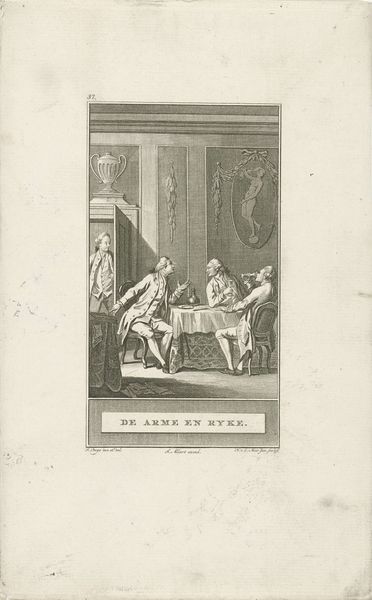
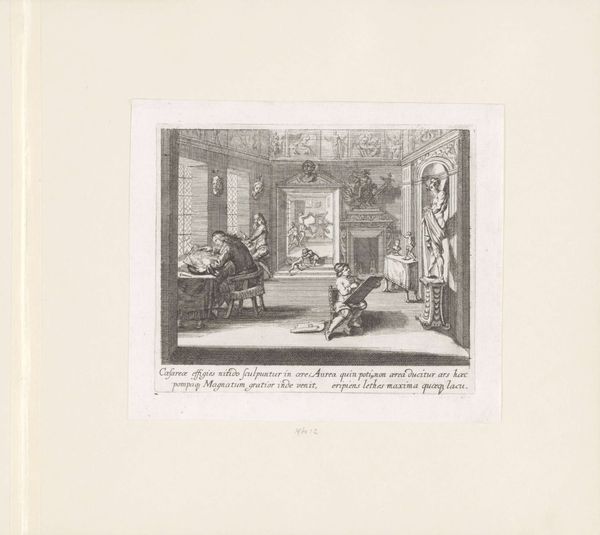
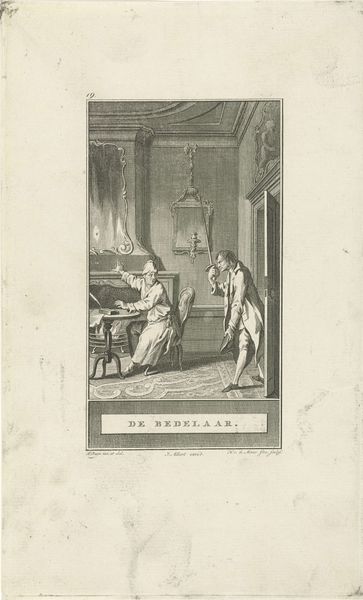
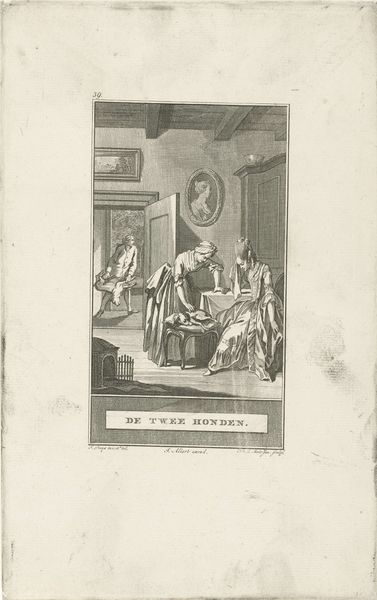
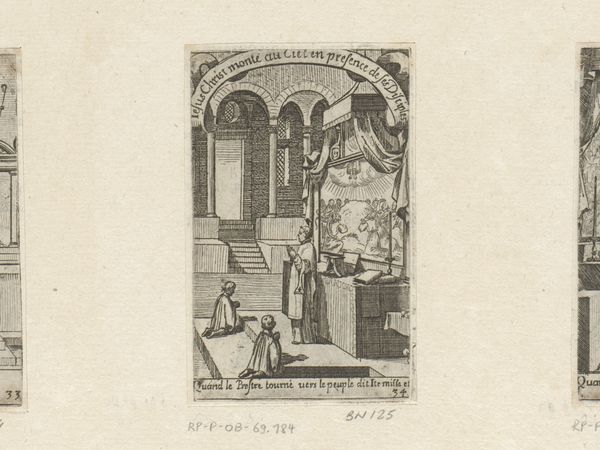
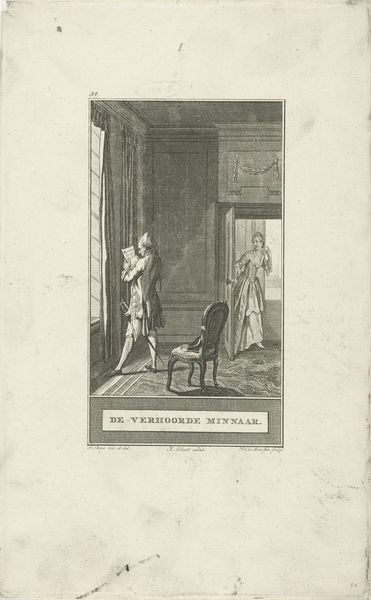
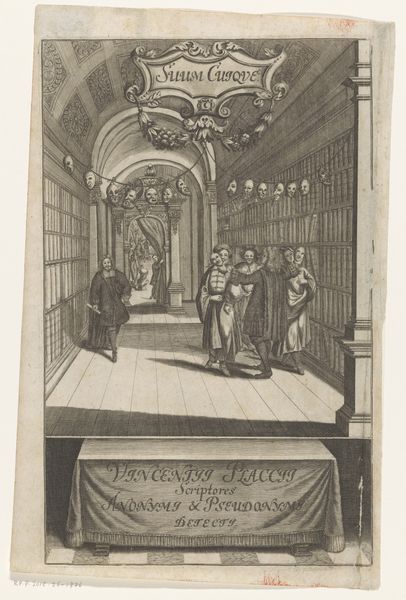
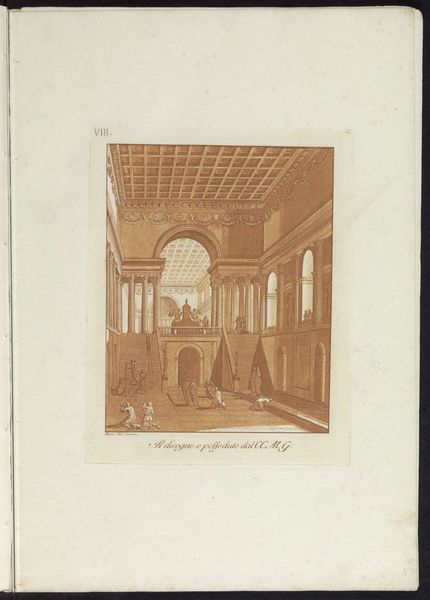
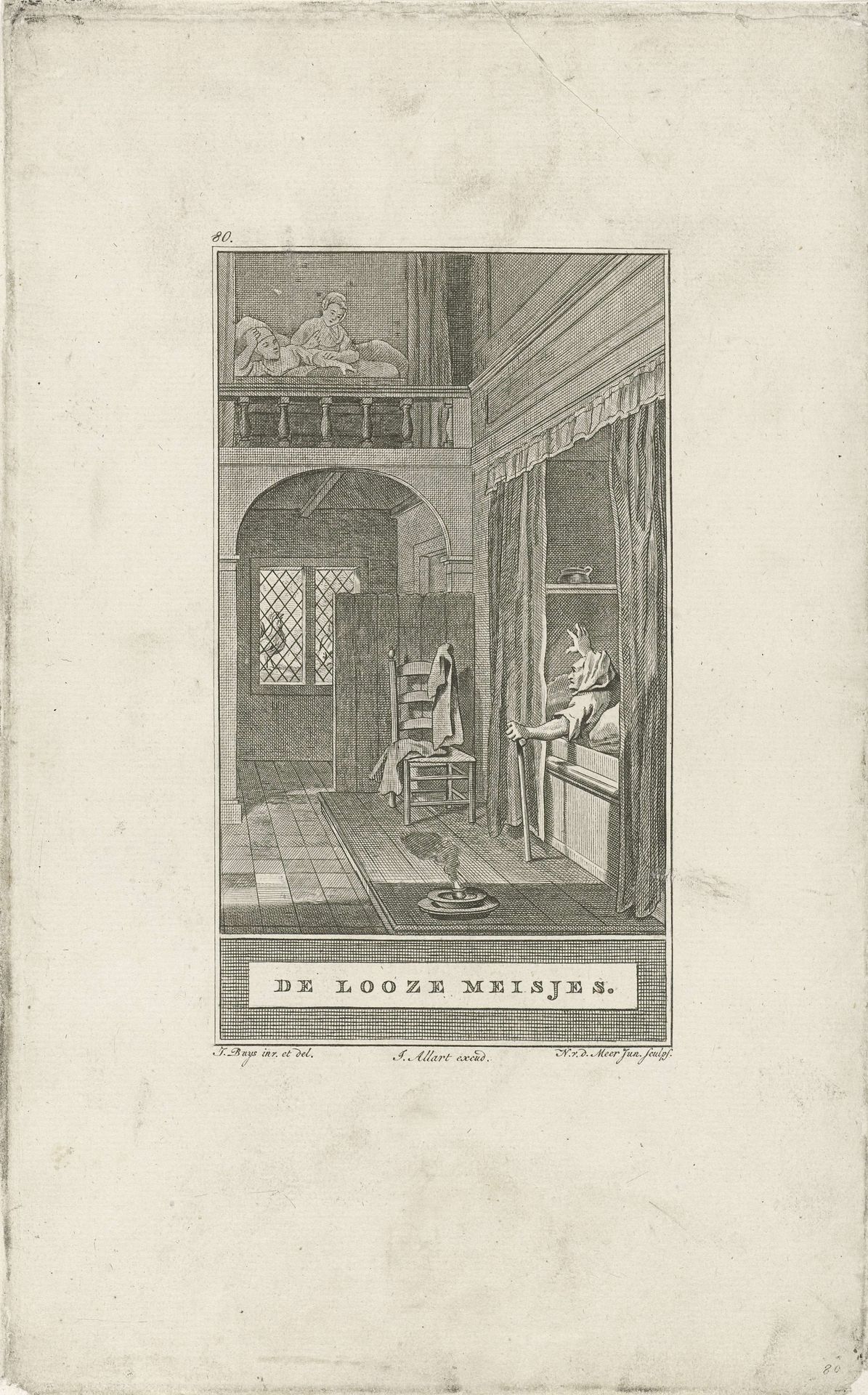
Noach van der Meer II created this etching, titled "Wekken van de jonge meisjes," meaning "awakening of the young girls," at an unknown date, using a technique that allowed for the mass production of images. The stark lines and careful cross-hatching are characteristic of etching, a printmaking process that relies on the corrosive properties of acid to create an image on a metal plate. The plate is covered with a waxy, protective layer, and the artist scratches through this layer to expose the metal. When the plate is immersed in acid, the exposed lines are eaten away, creating grooves that will hold ink. This printmaking method democratized image production, making art more accessible. Consider how the labor-intensive process of etching contrasts with the scene depicted. The image points to the relationships between production, consumption, and the everyday lives of people in the 18th century, blurring the lines between fine art and the broader material culture of the time.

Artwork details
- Dimensions
- height 248 mm, width 155 mm
- Location
- Rijksmuseum
- Copyright
- Rijks Museum: Open Domain
Comments
Share your thoughts
About this artwork
Noach van der Meer II created this etching, titled "Wekken van de jonge meisjes," meaning "awakening of the young girls," at an unknown date, using a technique that allowed for the mass production of images. The stark lines and careful cross-hatching are characteristic of etching, a printmaking process that relies on the corrosive properties of acid to create an image on a metal plate. The plate is covered with a waxy, protective layer, and the artist scratches through this layer to expose the metal. When the plate is immersed in acid, the exposed lines are eaten away, creating grooves that will hold ink. This printmaking method democratized image production, making art more accessible. Consider how the labor-intensive process of etching contrasts with the scene depicted. The image points to the relationships between production, consumption, and the everyday lives of people in the 18th century, blurring the lines between fine art and the broader material culture of the time.
Comments
Share your thoughts