About this artwork
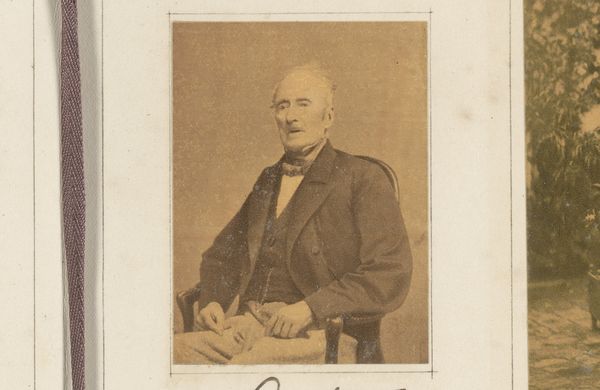
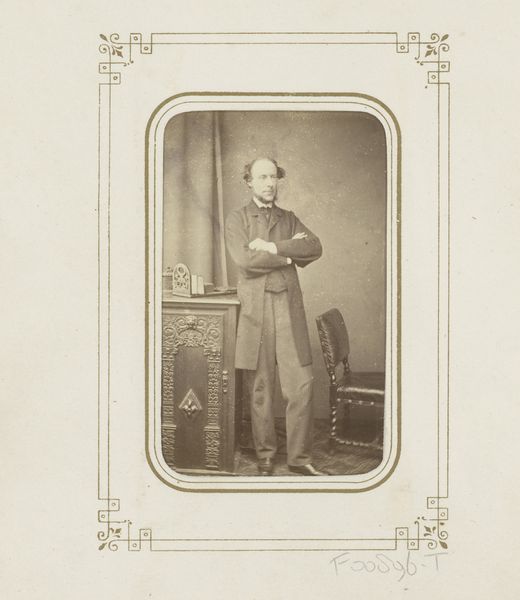
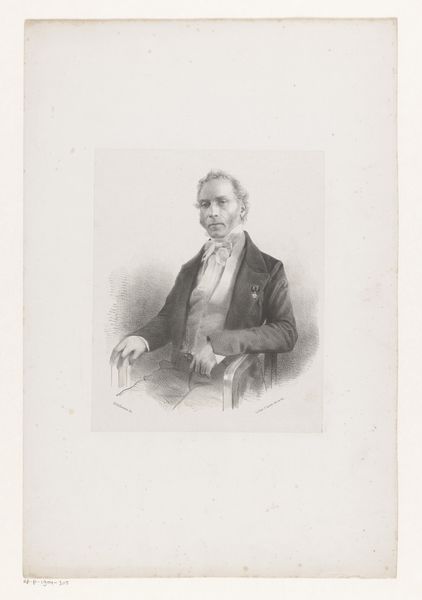
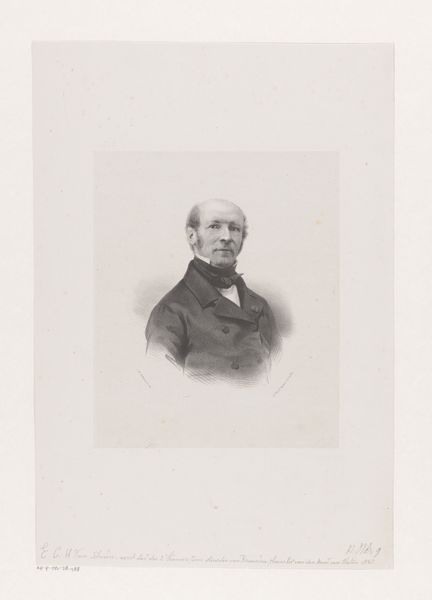
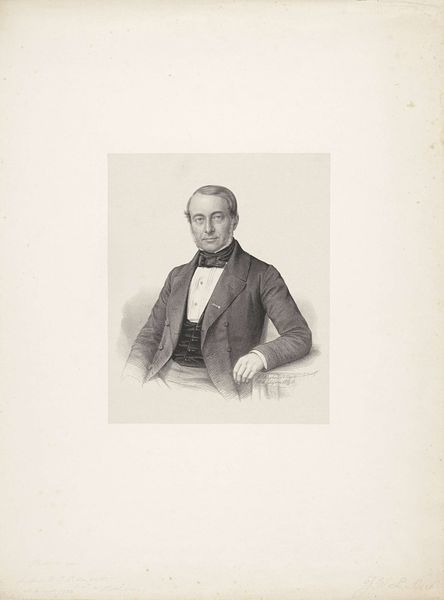
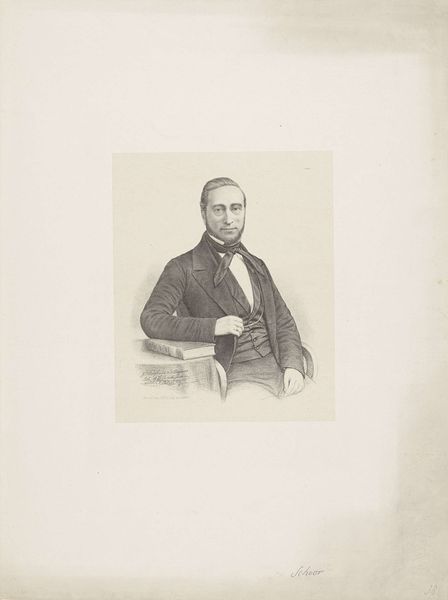
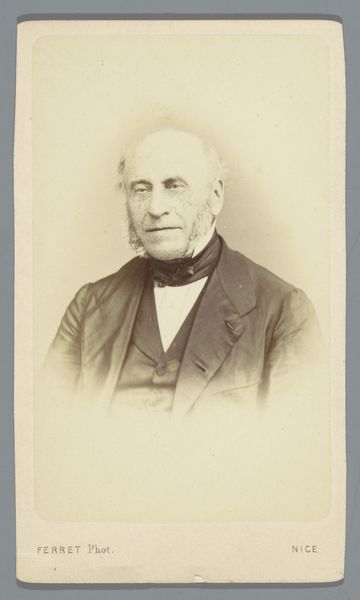
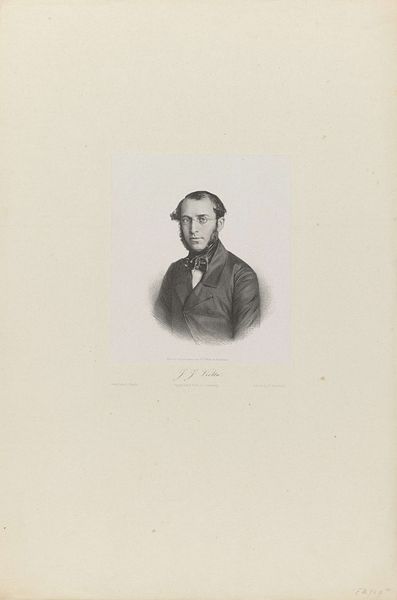
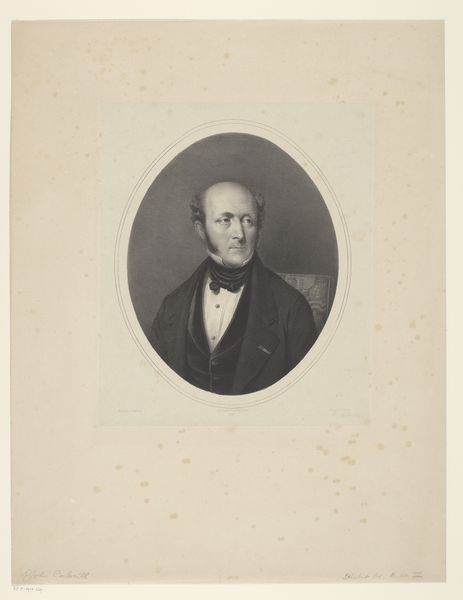
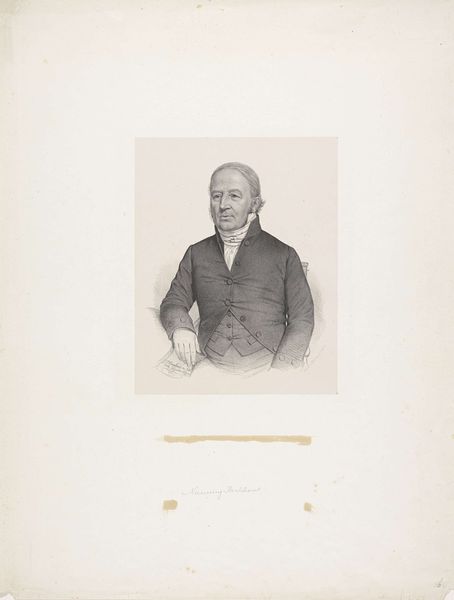
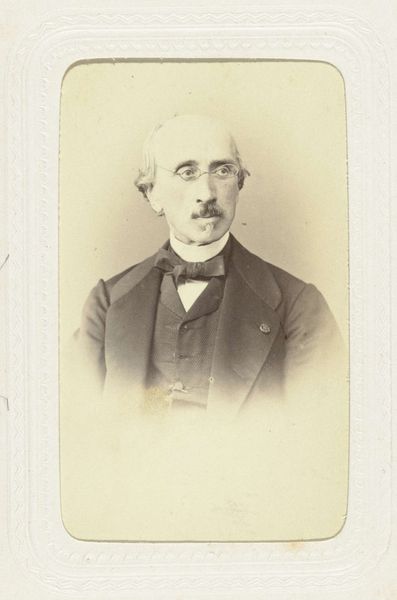
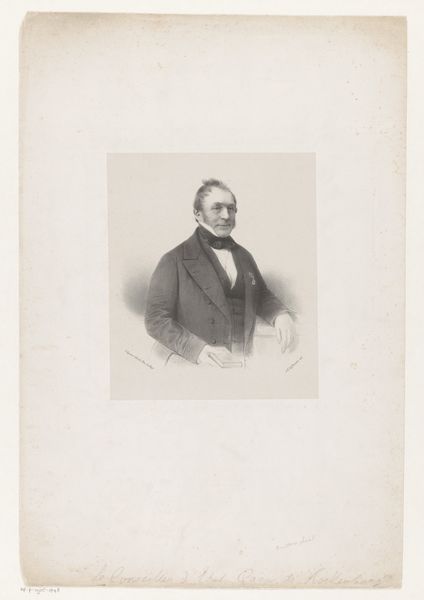
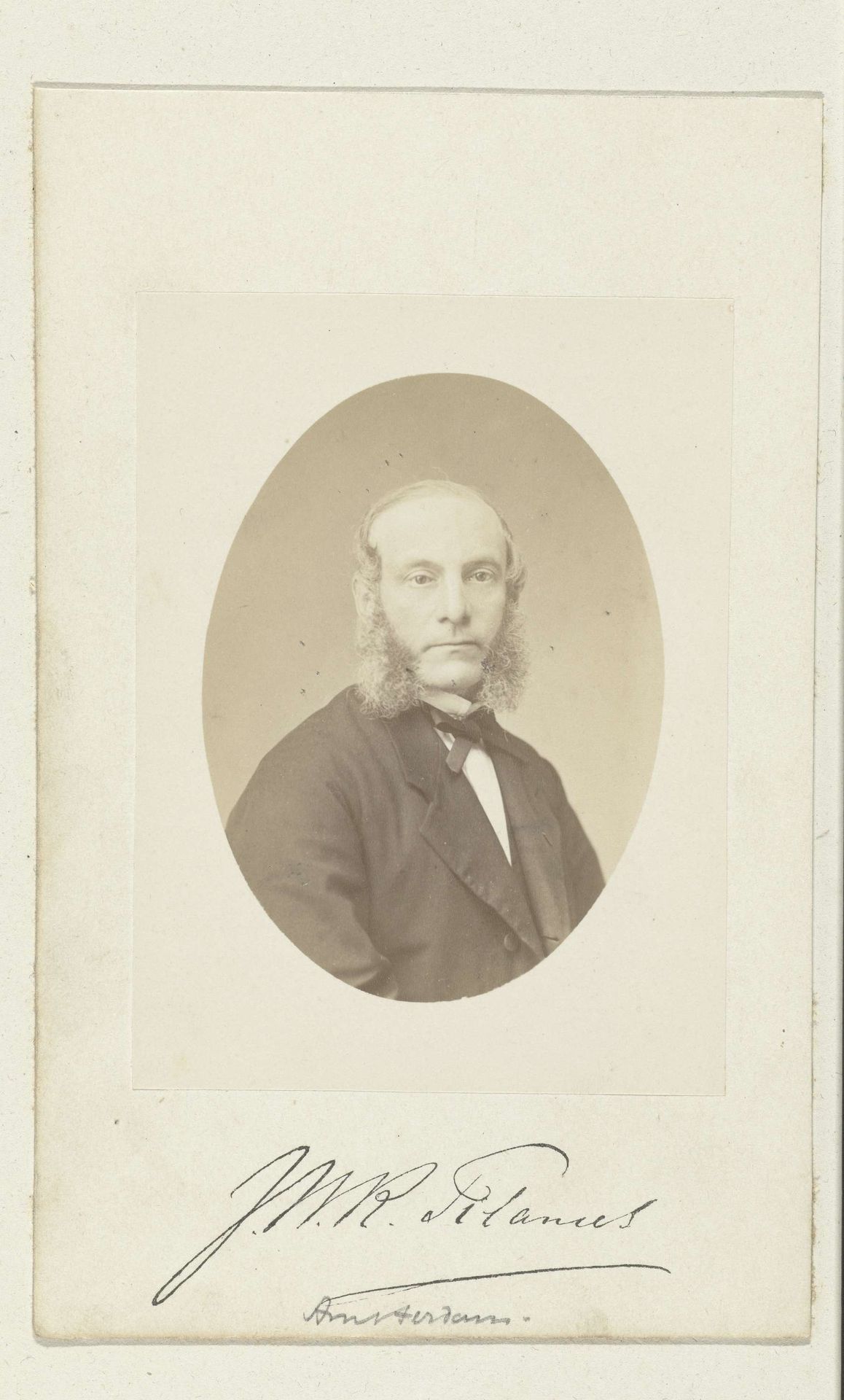
This is a photographic portrait of Professor Doctor Jan Willem Reinier Tilanus, made in Amsterdam by an anonymous photographer. Though undated, we can assume that this photograph was made in the 19th century. Photography, since its invention, has had a democratizing effect on portraiture, allowing for a wider range of social classes to be represented, not just the aristocracy and the wealthy. This form of representation can be seen as a product of its time, in which the bourgeois sought their own form of visibility. This is a formal portrait, made to represent someone of social importance and standing. As historians, we have the skills to examine the social conditions that made such an image possible. We can research the social standing of the sitter, the impact of photography as a social phenomenon, and how institutions such as museums help us create meaning through their selections and arrangements.

Artwork details
- Medium
- photography, gelatin-silver-print
- Dimensions
- height 169 mm, width 104 mm, height 532 mm, width 338 mm
- Copyright
- Rijks Museum: Open Domain
Tags
portrait
photography
historical photography
gelatin-silver-print
academic-art
Comments
Be the first to share your thoughts about this work.
About this artwork
This is a photographic portrait of Professor Doctor Jan Willem Reinier Tilanus, made in Amsterdam by an anonymous photographer. Though undated, we can assume that this photograph was made in the 19th century. Photography, since its invention, has had a democratizing effect on portraiture, allowing for a wider range of social classes to be represented, not just the aristocracy and the wealthy. This form of representation can be seen as a product of its time, in which the bourgeois sought their own form of visibility. This is a formal portrait, made to represent someone of social importance and standing. As historians, we have the skills to examine the social conditions that made such an image possible. We can research the social standing of the sitter, the impact of photography as a social phenomenon, and how institutions such as museums help us create meaning through their selections and arrangements.
Comments
Be the first to share your thoughts about this work.