About this artwork
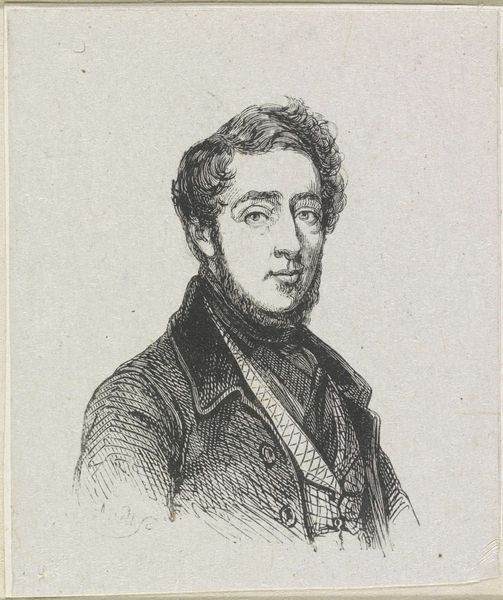
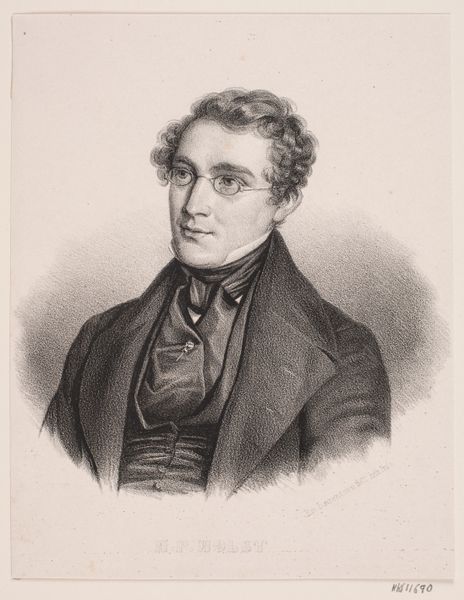
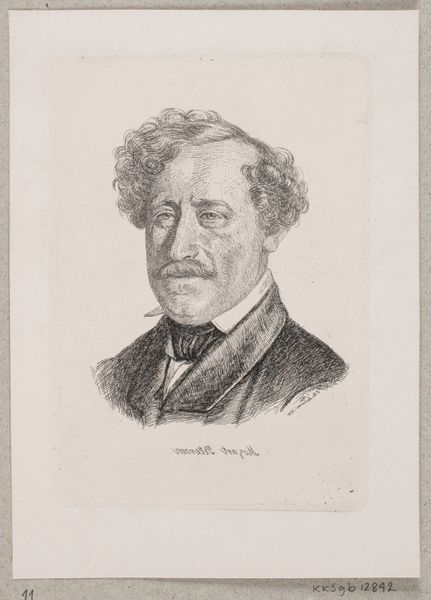
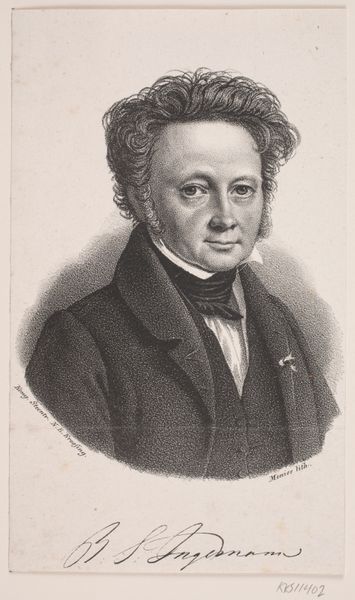
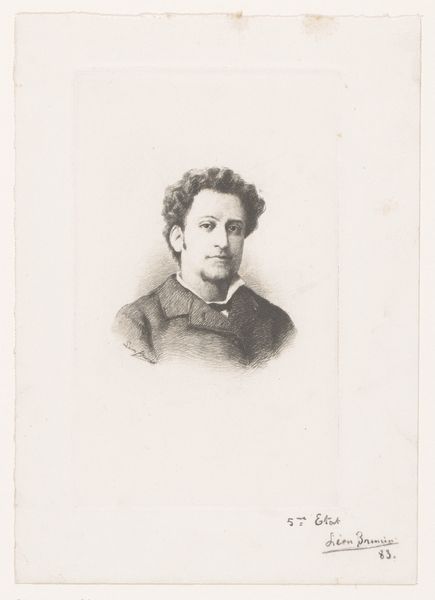
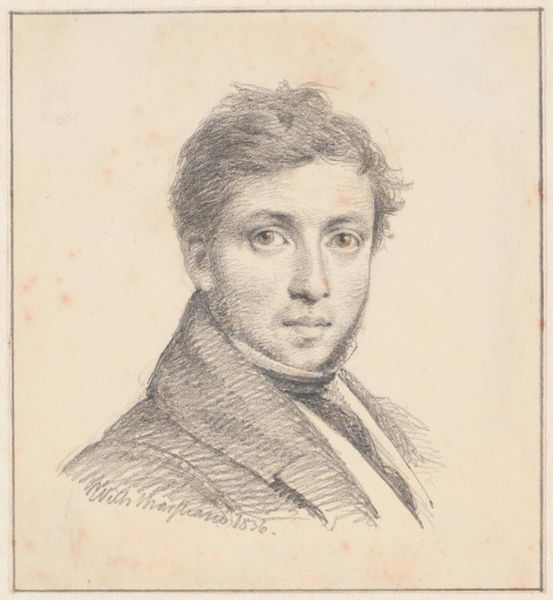
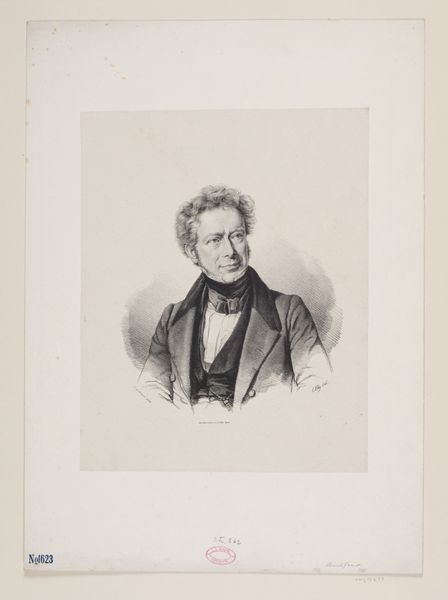
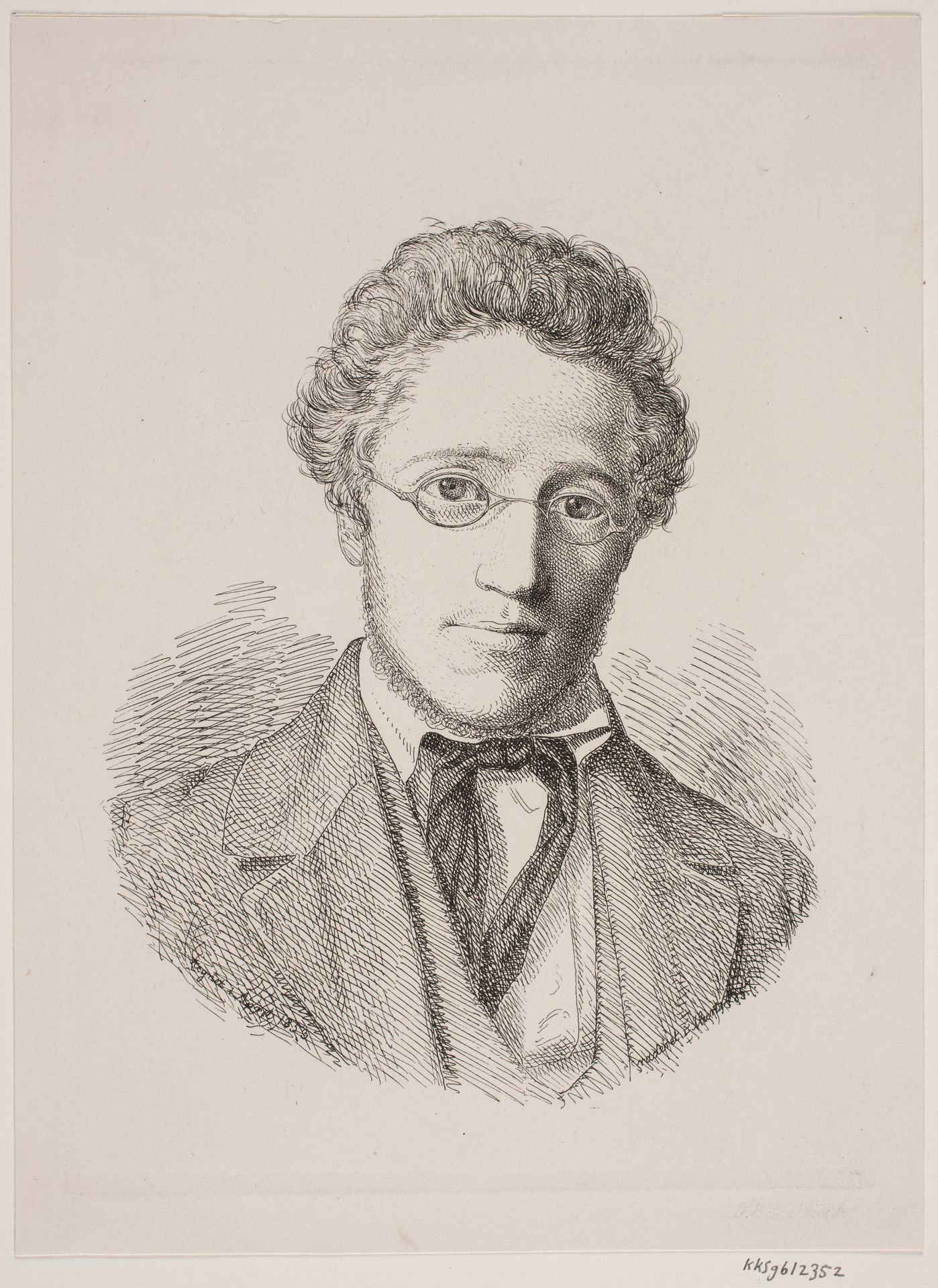
Henrik Olrik created this portrait of Jørgen Jørgensen, a candidate of theology, using etching. The image is dominated by the sitter's bust, rendered with meticulous detail through fine, closely-spaced lines, giving it a tactile quality despite its two-dimensionality. The formal composition is structured around the contrast between the intricate cross-hatching that defines Jørgensen's features and the smooth, untouched background. Olrik masterfully uses hatching to model form and convey texture. The face, framed by delicate, wiry hair, is particularly striking. Notice the way the light catches the lenses of Jørgensen's glasses, drawing attention to his gaze. This technique creates a sense of depth and volume, effectively capturing the subject's likeness while subtly highlighting the medium's inherent properties. The portrait’s structure, in its stark simplicity, directs us to consider the interplay between representation and abstraction.
Jørgen Jørgensen, cand. theol. 1857


Artwork details
- Medium
- print, engraving
- Dimensions
- 192 mm (height) x 138 mm (width) (plademaal)
- Location
- SMK - Statens Museum for Kunst
Tags
portrait
engraving
realism
Comments
No comments
About this artwork
Henrik Olrik created this portrait of Jørgen Jørgensen, a candidate of theology, using etching. The image is dominated by the sitter's bust, rendered with meticulous detail through fine, closely-spaced lines, giving it a tactile quality despite its two-dimensionality. The formal composition is structured around the contrast between the intricate cross-hatching that defines Jørgensen's features and the smooth, untouched background. Olrik masterfully uses hatching to model form and convey texture. The face, framed by delicate, wiry hair, is particularly striking. Notice the way the light catches the lenses of Jørgensen's glasses, drawing attention to his gaze. This technique creates a sense of depth and volume, effectively capturing the subject's likeness while subtly highlighting the medium's inherent properties. The portrait’s structure, in its stark simplicity, directs us to consider the interplay between representation and abstraction.
Comments
No comments