About this artwork
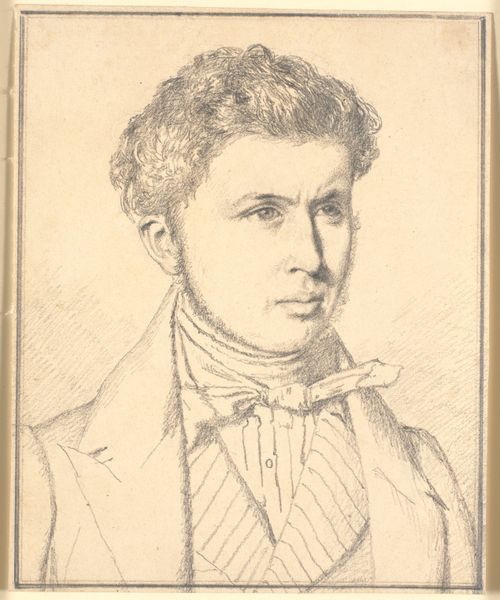
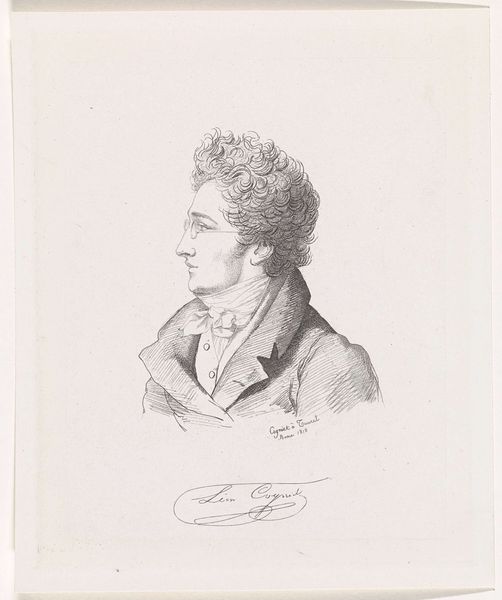
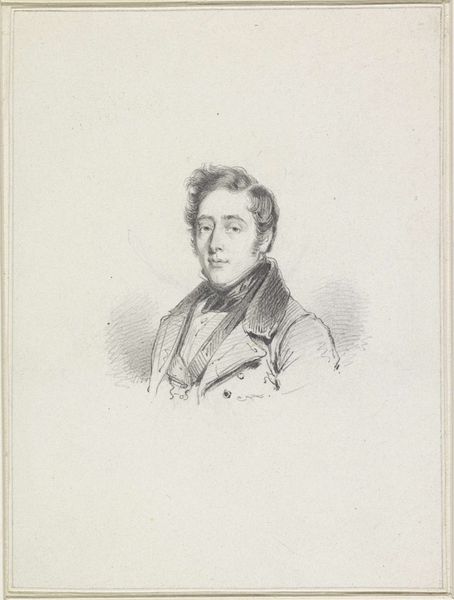
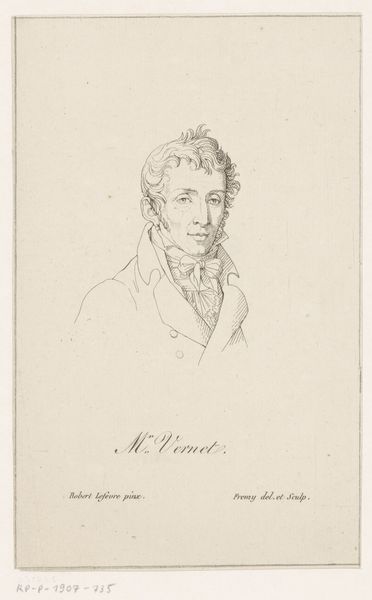
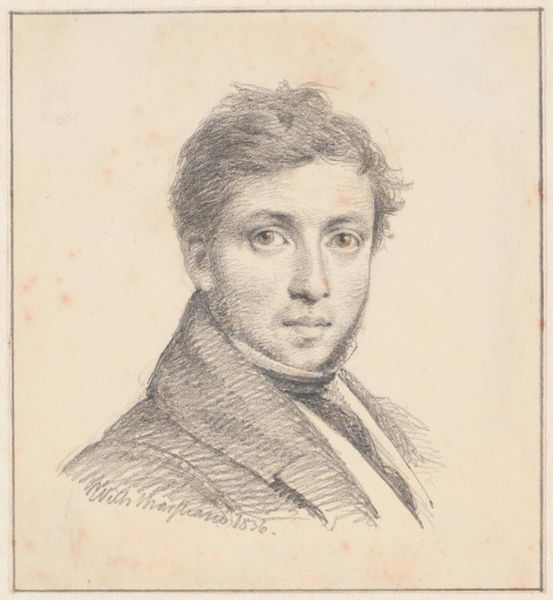
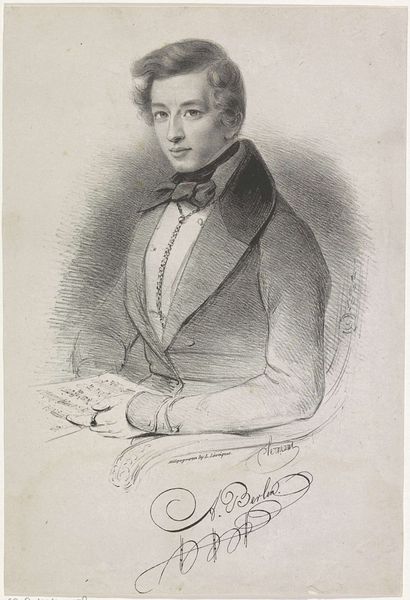
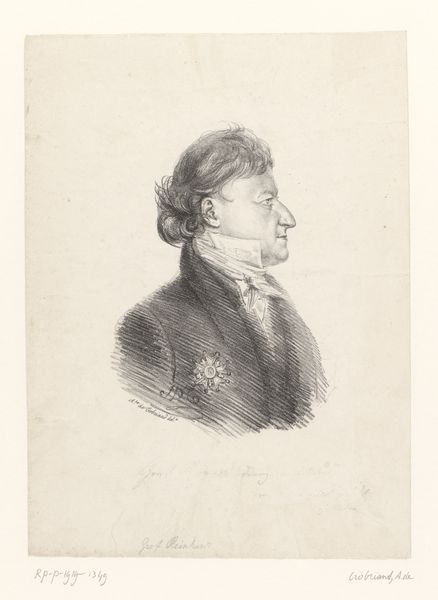
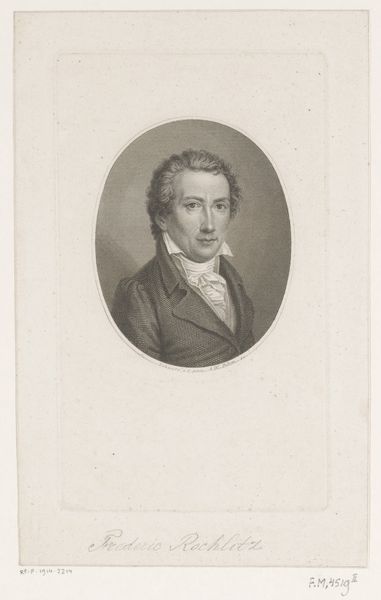
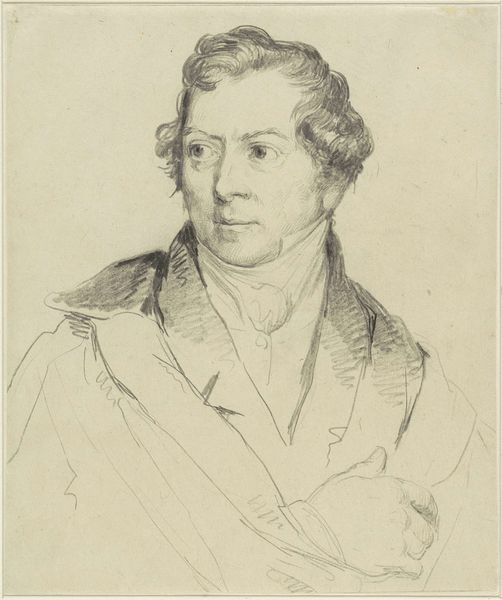
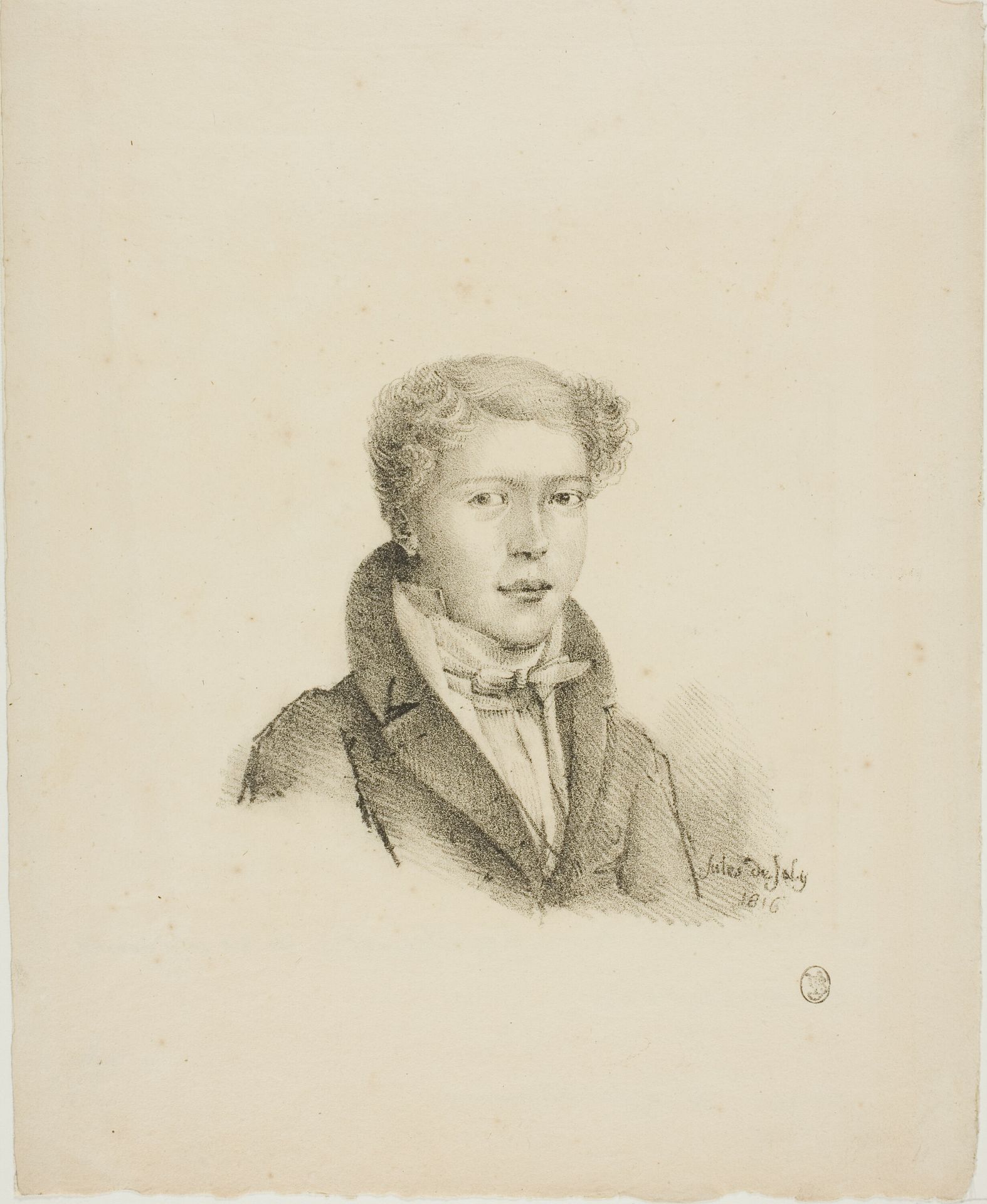
Jules de Joly rendered this portrait with graphite on paper in 1816. Note the prominence given to the sitter’s neckwear. Its arrangement, while seemingly simple, echoes the elaborate ruffs worn by nobles in the 16th and 17th centuries, symbols of status and refinement. Consider how such adornments evolved: from practical necessities to expressions of identity, cropping up in different forms across centuries. Even today, the symbolic weight remains. Think of the modern tie, a distant relative still carrying echoes of power and formality. The face, with its soft features, recalls the classical ideal of youthful beauty, connecting to a long line of artistic representations throughout history. These visual threads remind us that nothing is ever truly new. Every image is part of an ongoing cultural dialogue, constantly reshaped, reinterpreted, and reborn. It becomes a testament to the cyclical nature of culture itself.
Portrait of a Young Man
1816


Artwork details
- Medium
- drawing, lithograph, print, paper, pencil
- Dimensions
- 129 × 131 mm (image); 268 × 219 mm (sheet)
- Location
- The Art Institute of Chicago
- Copyright
- Public Domain
Tags
Comments
Share your thoughts
About this artwork
Jules de Joly rendered this portrait with graphite on paper in 1816. Note the prominence given to the sitter’s neckwear. Its arrangement, while seemingly simple, echoes the elaborate ruffs worn by nobles in the 16th and 17th centuries, symbols of status and refinement. Consider how such adornments evolved: from practical necessities to expressions of identity, cropping up in different forms across centuries. Even today, the symbolic weight remains. Think of the modern tie, a distant relative still carrying echoes of power and formality. The face, with its soft features, recalls the classical ideal of youthful beauty, connecting to a long line of artistic representations throughout history. These visual threads remind us that nothing is ever truly new. Every image is part of an ongoing cultural dialogue, constantly reshaped, reinterpreted, and reborn. It becomes a testament to the cyclical nature of culture itself.
Comments
Share your thoughts