1886
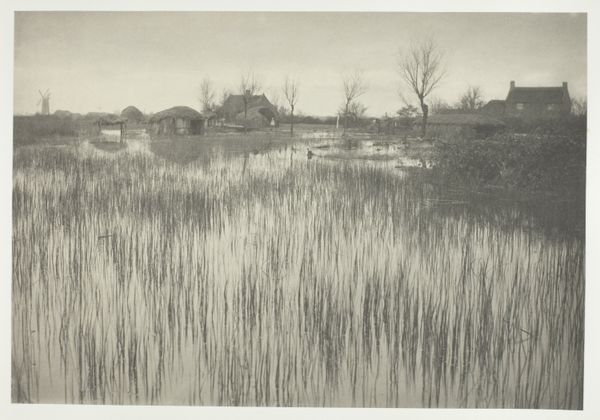
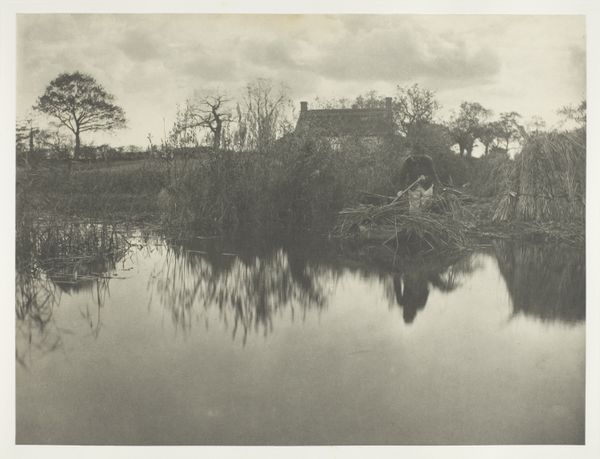
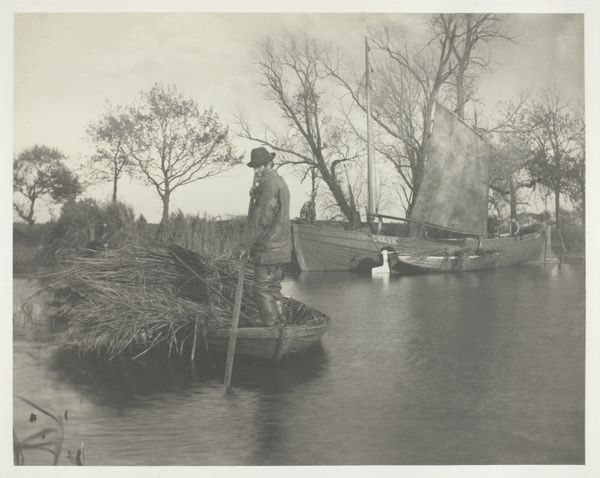
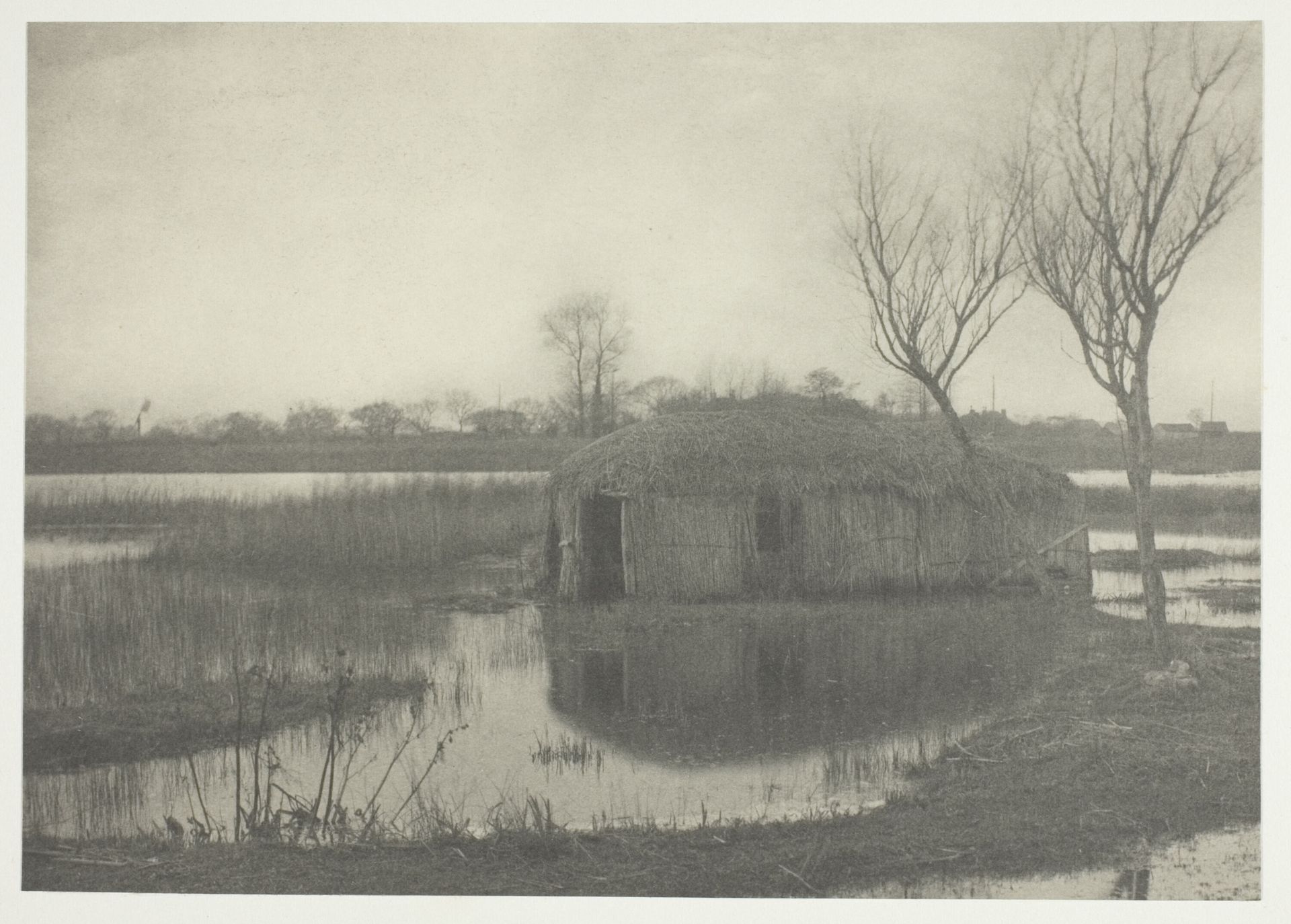
A Reed Boat-House


Listen to curator's interpretation
Curatorial notes
Editor: This is Peter Henry Emerson's "A Reed Boat-House," a gelatin-silver print from 1886. It feels so quiet and still, like a moment captured in a dream. The boat-house reflecting in the water...it's beautiful. What strikes you about this photograph? Curator: What strikes me immediately is how Emerson challenged the dominance of staged studio photography of his time. This wasn't just a picture; it was a statement about realism and art. Pictorialism, the style here, argued photography *was* art, capable of conveying mood and emotion like painting. Consider the social context: photography was often seen as purely documentary. Emerson’s fuzzy focus, almost blurring the boat-house into its surroundings, was a deliberate act against that, pushing photography toward aesthetic expression. How do you see that reflected today? Editor: So, he's trying to make a point that photography can be art through its aesthetic qualities rather than just depicting something accurately? Curator: Precisely! The muted tones, the composition that draws your eye into the depths of the scene - it all speaks to a carefully constructed artistic vision. And Emerson was a bit of a controversial figure, very vocal about his ideas on photography. Do you think this image engages with other aesthetic movements that grapple with "realism," or "truth"? Editor: I hadn’t thought of it that way! Knowing the history definitely changes how I see it. It feels less like a simple snapshot and more like a declaration. I wonder if contemporary photographers recognize this legacy. Curator: I think many do. The debate continues around constructed realities in images today; even digitally. Looking back at pieces like this reminds us that this argument is not new. Thanks, that’s given me something to consider too.