About this artwork
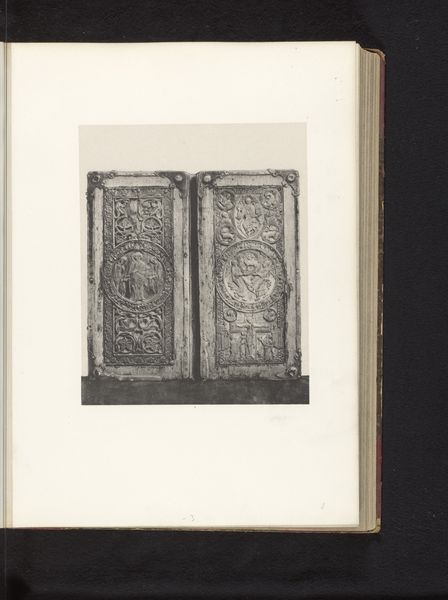
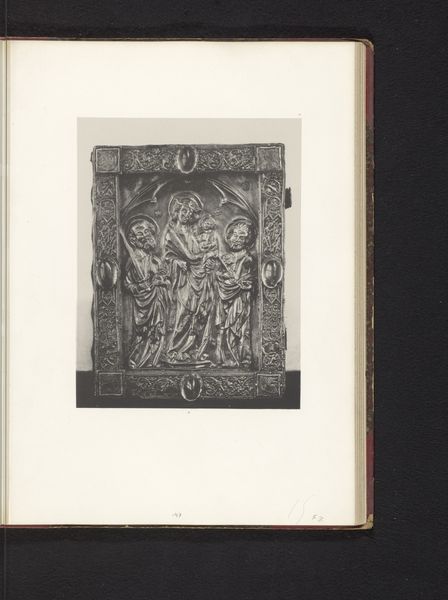
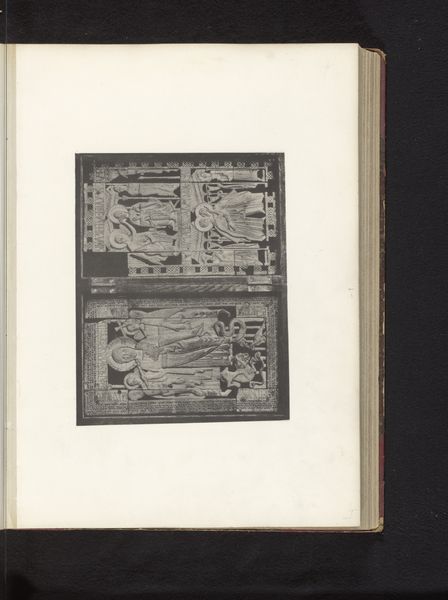
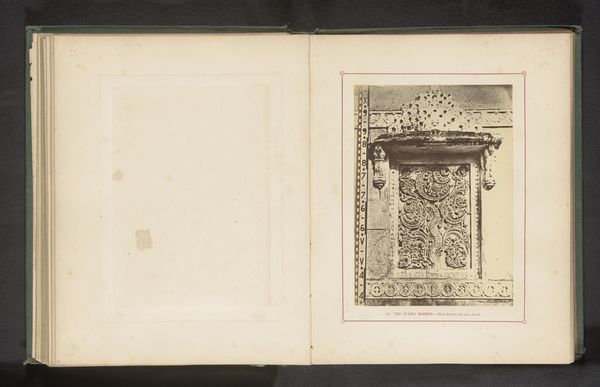
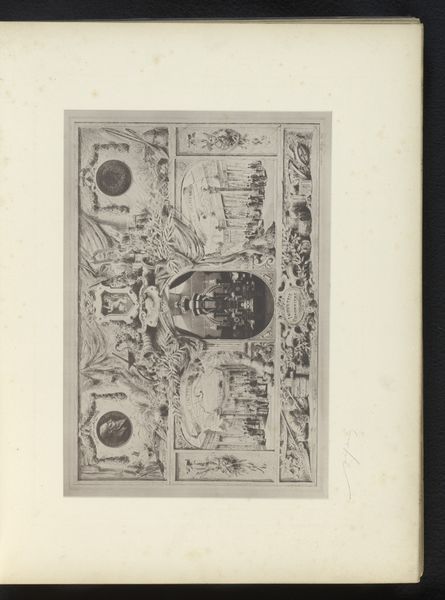
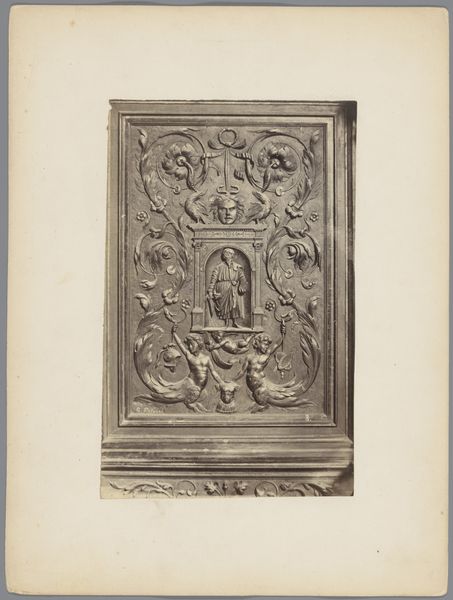
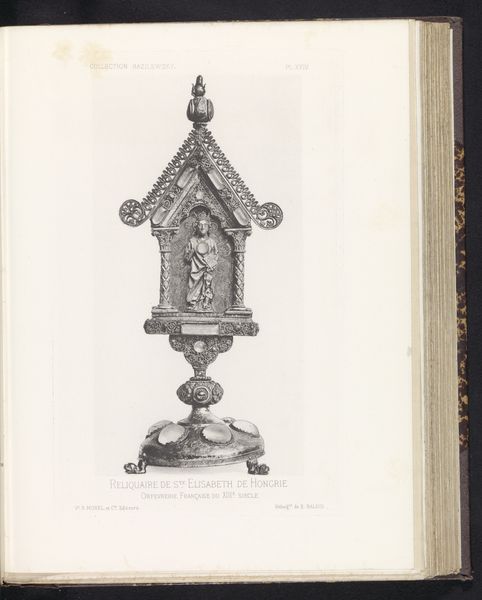
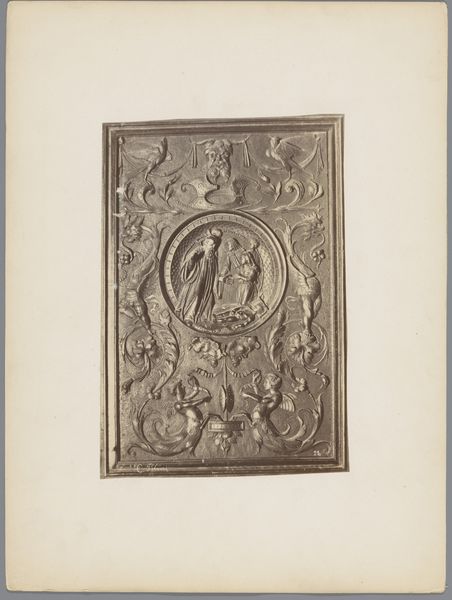
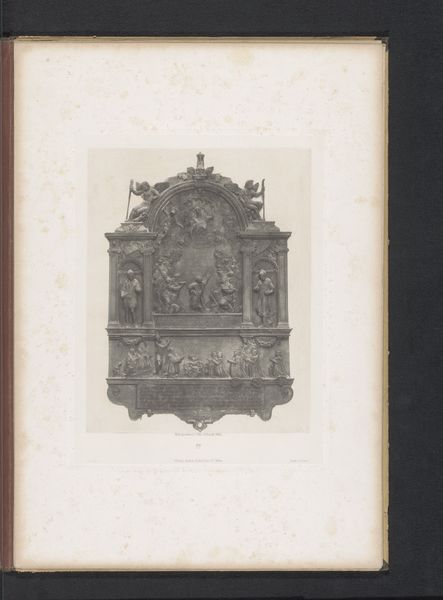
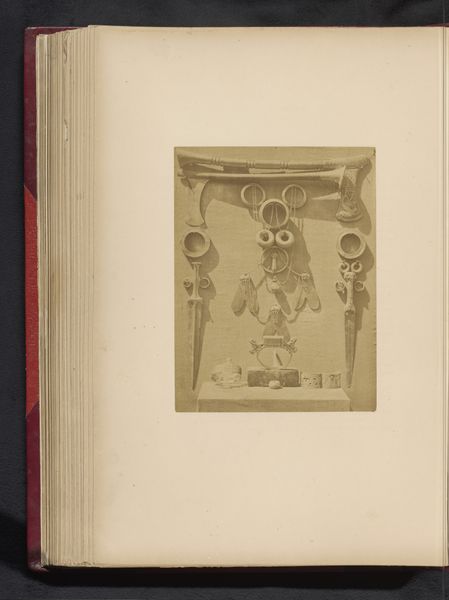
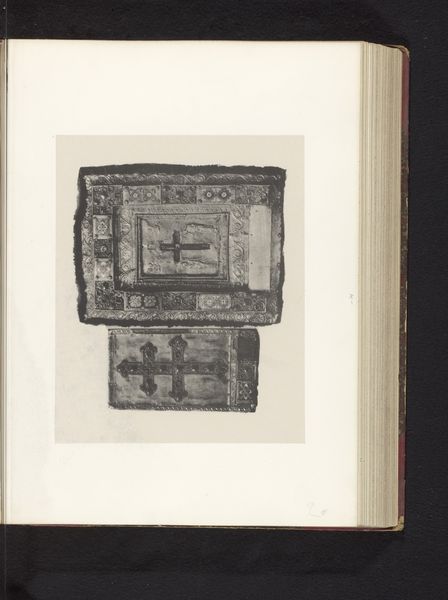
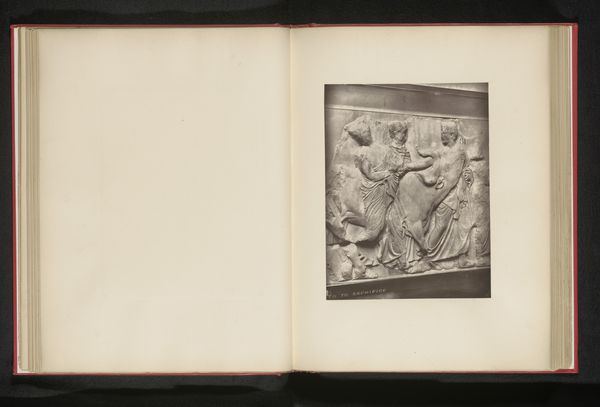
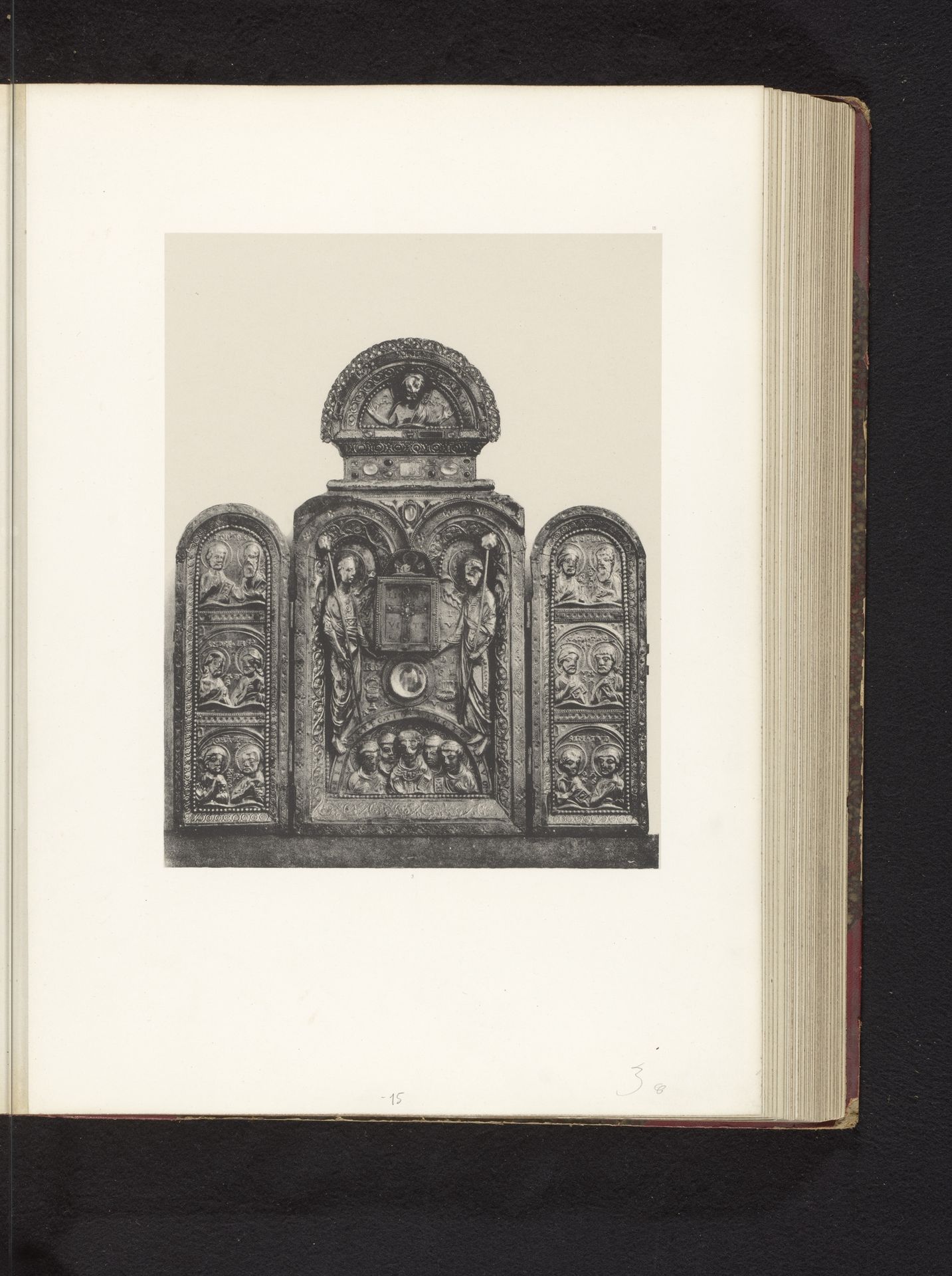
This photograph by Joseph Maes documents a medieval reliquary triptych made of wood, copper, and enamel. The formal arrangement is immediately striking. Note how the composition is structured around a central panel flanked by two hinged wings, creating a symmetrical and hierarchical design. The verticality is emphasized by the elongated figures and tiered arrangement of scenes, drawing the eye upward. The relief work is intricate and dense, filled with symbolic forms. We can observe a play of light and shadow that enlivens the surface, creating a sense of depth and texture. The formal qualities of the triptych—its symmetry, verticality, and intricate detailing—reflect its function as an object of religious veneration. The triptych uses signs and symbols to structure the visual elements to convey meaning, inviting contemplation and devotion. Looking at the structure and composition, we recognize how it engages with ideas about space, perception, and power. The photograph offers not just an aesthetic experience, but also a window into cultural and philosophical thought.
Drieluik van hout, koper en email met relikwie, uit de Heilige Kruiskerk in Luik, opgesteld op een tentoonstelling over religieuze objecten uit de middeleeuwen en renaissance in 1864 in Mechelen before 1866

Artwork details
- Medium
- metal, relief, sculpture, wood
- Dimensions
- height 258 mm, width 201 mm
- Copyright
- Rijks Museum: Open Domain
Tags
medieval
metal
relief
figuration
sculpture
wood
history-painting
Comments
No comments
About this artwork
This photograph by Joseph Maes documents a medieval reliquary triptych made of wood, copper, and enamel. The formal arrangement is immediately striking. Note how the composition is structured around a central panel flanked by two hinged wings, creating a symmetrical and hierarchical design. The verticality is emphasized by the elongated figures and tiered arrangement of scenes, drawing the eye upward. The relief work is intricate and dense, filled with symbolic forms. We can observe a play of light and shadow that enlivens the surface, creating a sense of depth and texture. The formal qualities of the triptych—its symmetry, verticality, and intricate detailing—reflect its function as an object of religious veneration. The triptych uses signs and symbols to structure the visual elements to convey meaning, inviting contemplation and devotion. Looking at the structure and composition, we recognize how it engages with ideas about space, perception, and power. The photograph offers not just an aesthetic experience, but also a window into cultural and philosophical thought.
Comments
No comments