About this artwork
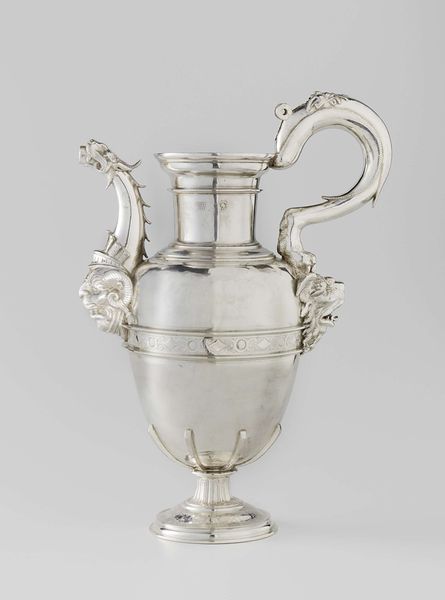
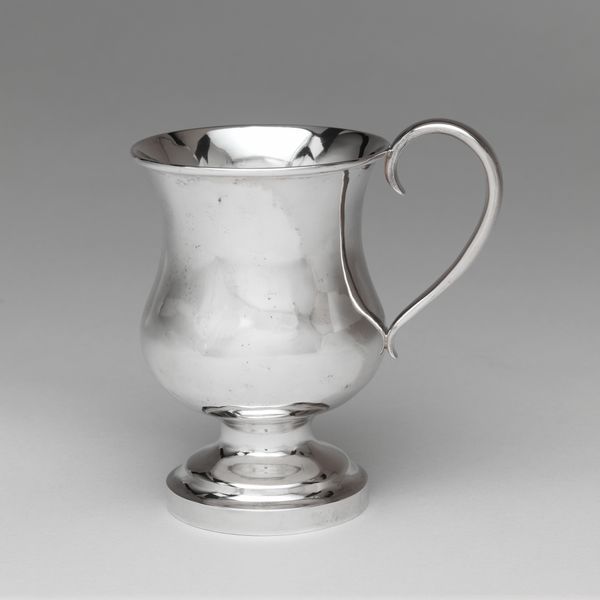
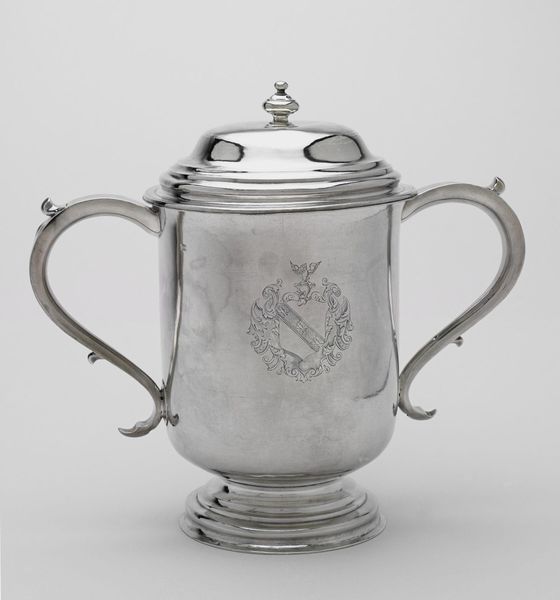
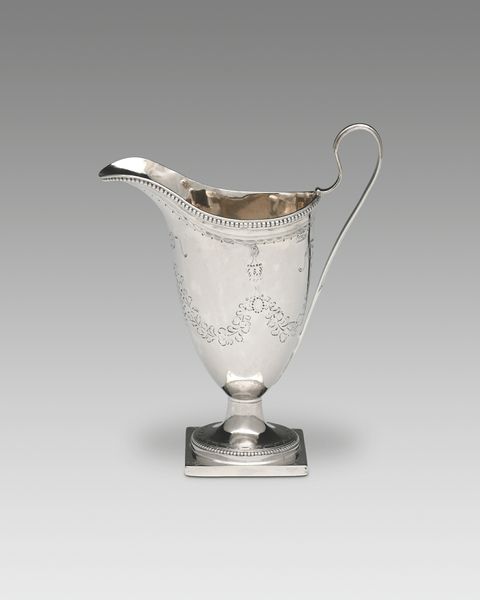
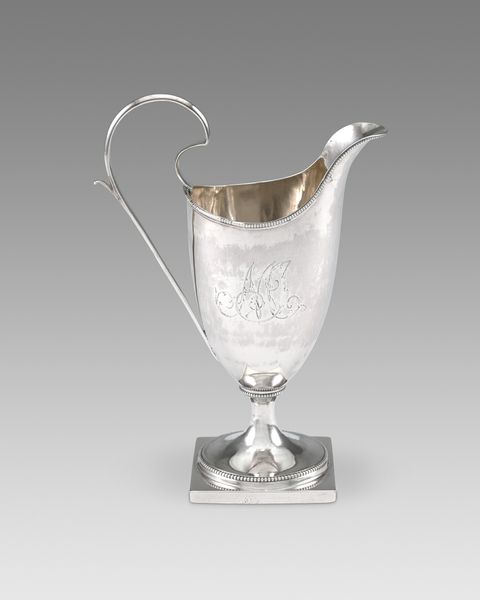
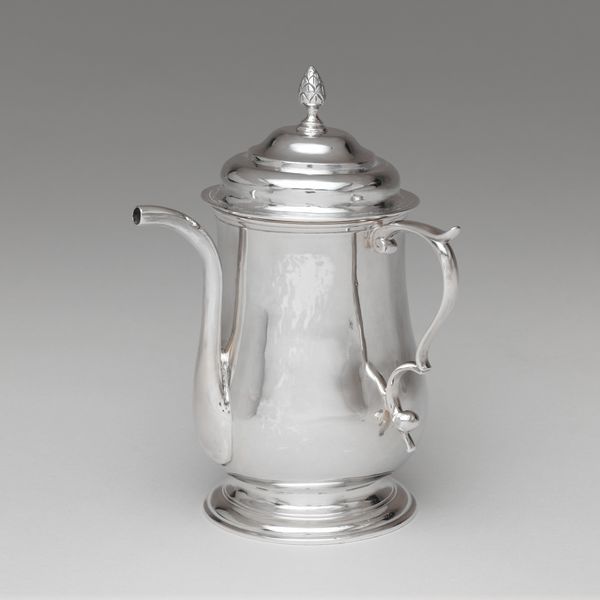
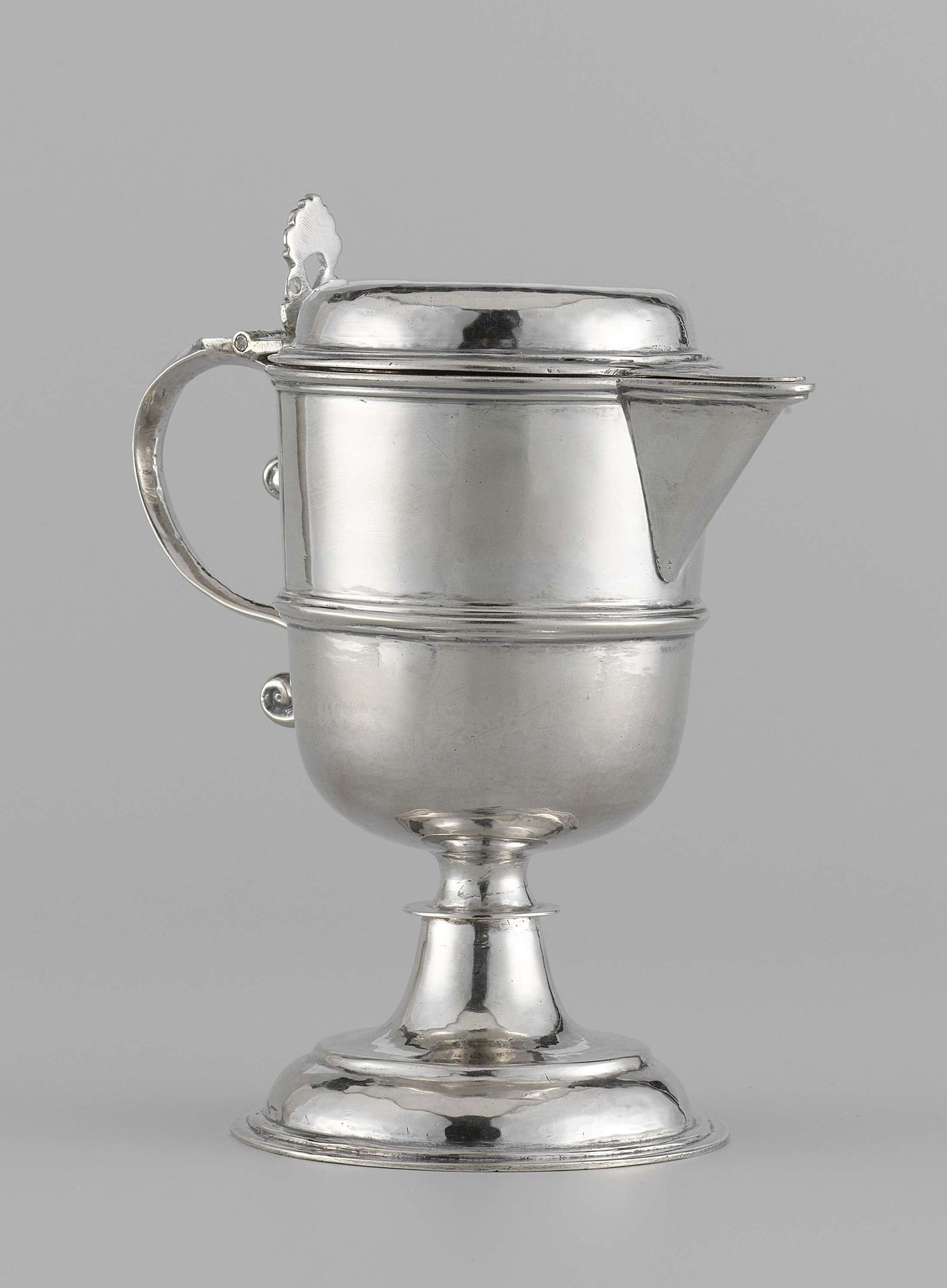
Here we have a silver ampul made by Cornelis Willems Snijder. Though we don't know exactly when, its style suggests a creation within the 18th century, a period marked by rigid social hierarchies and burgeoning global trade. Consider the identity imbued in such an object. Likely commissioned by someone of means, its function would have been as a container of sacred oil. Silver, a precious material, was a marker of status and wealth, connecting the owner to a network of trade and colonial exploitation. In its essence, this ampul blurs the sacred and the secular. It represents not only religious devotion, but also the economic and social power structures of its time. It carries with it echoes of the complex interplay between faith, wealth, and societal identity.

Artwork details
- Medium
- metal
- Dimensions
- height 12.3 cm, diameter 6.7 cm, weight 177.97 gr
- Copyright
- Rijks Museum: Open Domain
Tags
Comments
Share your thoughts
About this artwork
Here we have a silver ampul made by Cornelis Willems Snijder. Though we don't know exactly when, its style suggests a creation within the 18th century, a period marked by rigid social hierarchies and burgeoning global trade. Consider the identity imbued in such an object. Likely commissioned by someone of means, its function would have been as a container of sacred oil. Silver, a precious material, was a marker of status and wealth, connecting the owner to a network of trade and colonial exploitation. In its essence, this ampul blurs the sacred and the secular. It represents not only religious devotion, but also the economic and social power structures of its time. It carries with it echoes of the complex interplay between faith, wealth, and societal identity.
Comments
Share your thoughts