About this artwork
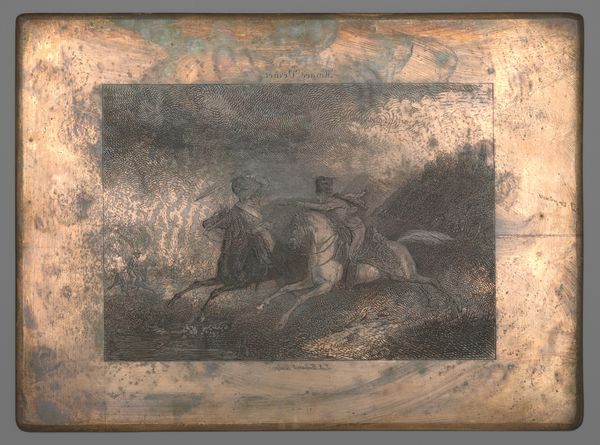
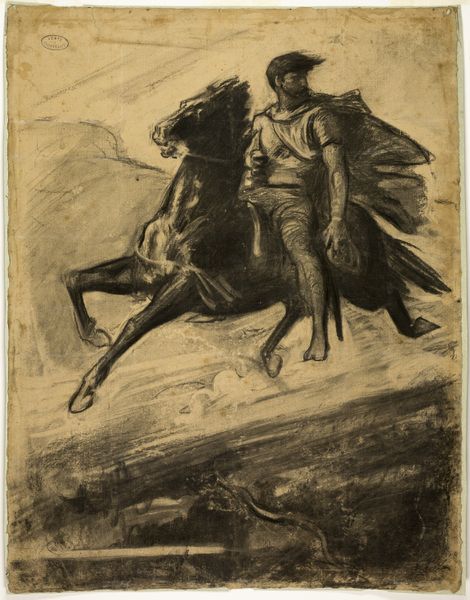
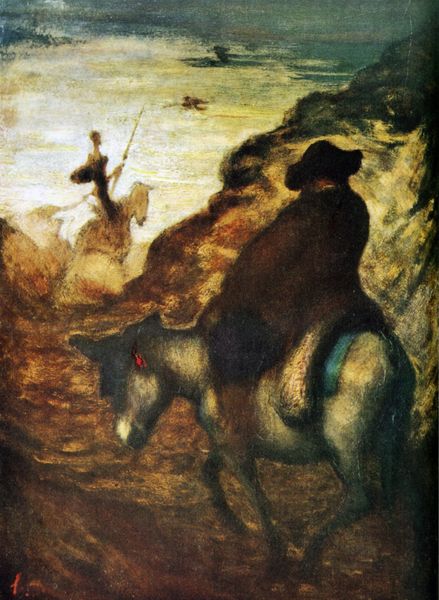
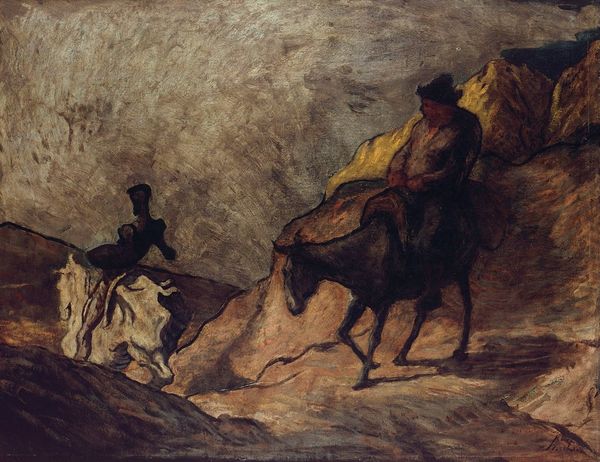
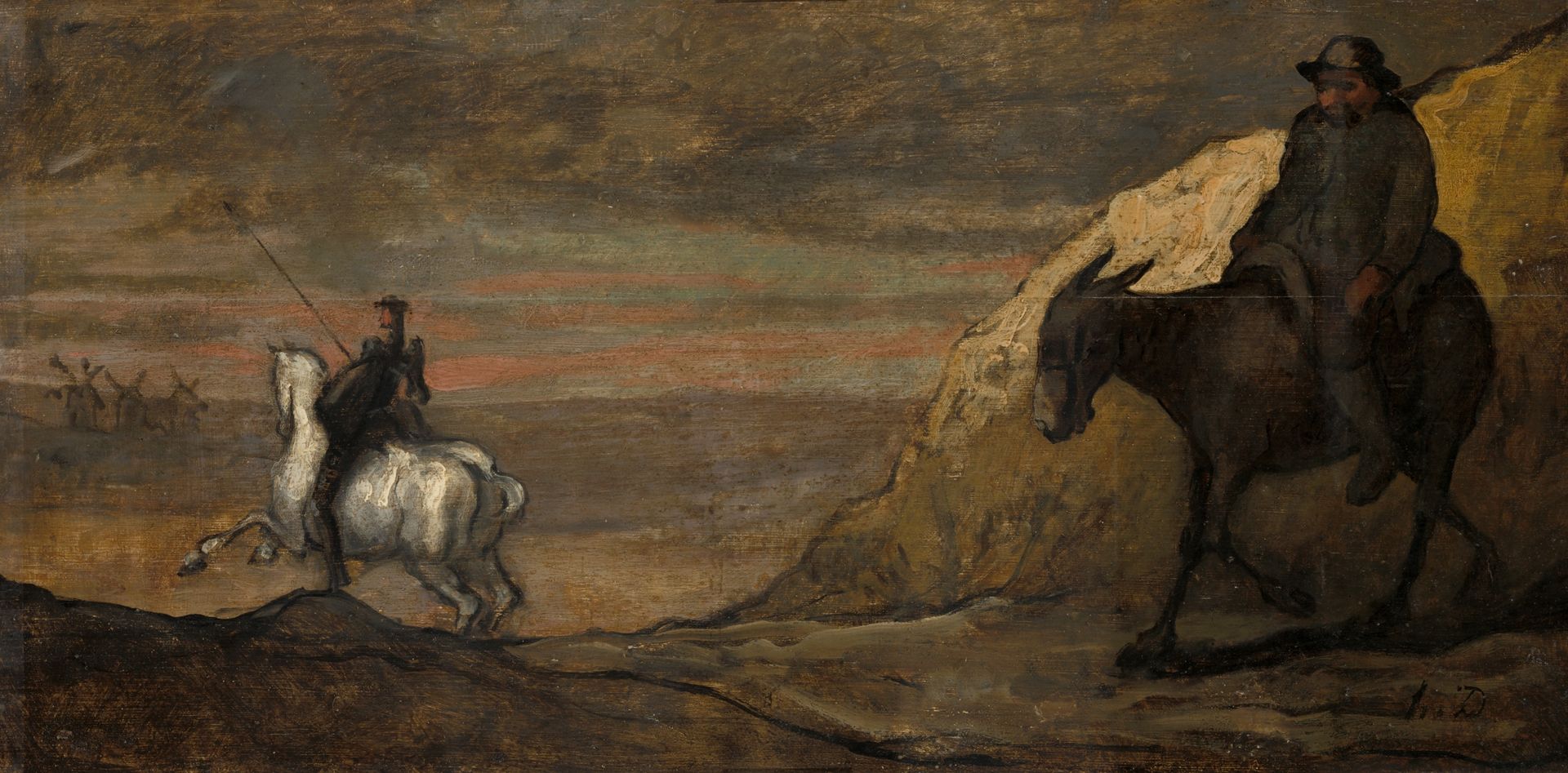
Honoré Daumier painted "Don Quixote and the Windmills" using oil on wood panel. The scene captures the moment when the deluded knight errant, Don Quixote, tilts at windmills, mistaking them for giants. Daumier was a Republican, and his paintings are often critical of the bourgeoisie. Made in France at a time of rapid industrialization and social change, Daumier’s Quixote embodies the futility of clinging to outdated ideals in the face of modernity. Quixote’s idealism stands in stark contrast to the cynical and rapidly changing world around him. The choice of subject hints at Daumier’s own position as an outsider, someone critical of the status quo. The social and political context is crucial to understanding Daumier’s interpretation. By studying the history of 19th-century France, including its class structures and the rise of industrial capitalism, we can gain a deeper appreciation. Art history is not just about aesthetics; it’s about understanding how art reflects and shapes society.
Don Quixote and the Windmills c. 1850


Artwork details
- Medium
- drawing, painting, oil-paint, pencil, charcoal
- Dimensions
- 34.9 × 69.9 cm (13 3/4 × 27 1/2 in.)
- Location
- The Art Institute of Chicago
- Copyright
- Public Domain
Tags
drawing
narrative-art
painting
caricature
oil-paint
landscape
charcoal drawing
figuration
charcoal art
oil painting
romanticism
pencil
charcoal
history-painting
charcoal
Comments
No comments
About this artwork
Honoré Daumier painted "Don Quixote and the Windmills" using oil on wood panel. The scene captures the moment when the deluded knight errant, Don Quixote, tilts at windmills, mistaking them for giants. Daumier was a Republican, and his paintings are often critical of the bourgeoisie. Made in France at a time of rapid industrialization and social change, Daumier’s Quixote embodies the futility of clinging to outdated ideals in the face of modernity. Quixote’s idealism stands in stark contrast to the cynical and rapidly changing world around him. The choice of subject hints at Daumier’s own position as an outsider, someone critical of the status quo. The social and political context is crucial to understanding Daumier’s interpretation. By studying the history of 19th-century France, including its class structures and the rise of industrial capitalism, we can gain a deeper appreciation. Art history is not just about aesthetics; it’s about understanding how art reflects and shapes society.
Comments
No comments